What Is the Difference Between Jeep Renegade Sport and Trailhawk?
When you're looking at the Jeep Renegade, figuring out what’s actually different between the Sport and Trailhawk trims can feel a bit murky. You want to know if the extra ruggedness of the Trailhawk is something you'll actually use, or if the Sport offers more than enough for your daily adventures. Understanding these distinctions is key to making sure you get the Jeep that best fits your lifestyle and budget.
The Jeep Renegade Sport often comes with a 2.4L Tigershark® engine, while the Trailhawk boasts enhancements designed for off-road capability. For instance, the Trailhawk typically includes a specialized 4×4 system and higher ground clearance. Let's break down exactly what sets these two popular trims apart.
What Is the Difference Between Jeep Renegade Sport and Trailhawk?
The primary difference lies in off-road capability. The Trailhawk has enhanced 4×4 systems, specialized tires, and underbody protection that the Sport typically lacks. This makes the Trailhawk significantly more capable on trails.
The Sport trim is designed for everyday driving with a more accessible price point. It offers Jeep's iconic styling in a practical package for commuting and light adventuring. As of 2026, Jeep continues to offer these distinct philosophies in their compact SUV lineup.
Is the Trailhawk's Off-Road Gear Worth It for You?
This is the million-dollar question, really. If your idea of an adventure involves tackling serious trails, crawling over rocks, or navigating muddy tracks regularly, then the Trailhawk’s upgrades are likely worth every penny. Manufacturer specifications confirm that the Trailhawk trim is specifically engineered for greater off-road prowess.
It comes standard with features like a more robust 4×4 system with a low-range gear option and improved suspension.
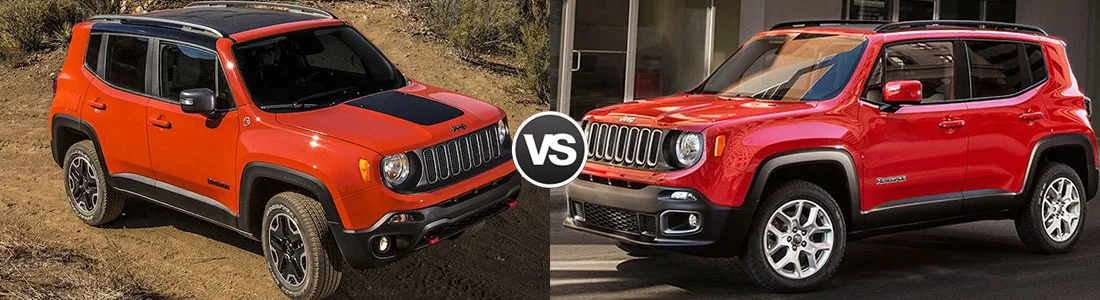
Image source: Bing (Web (fair-use with source credit))
However, if your driving mainly consists of city streets, highways, and occasional gravel roads, those specialized off-road features might be overkill. You'd be paying for capability you might never fully utilize. Think about where you actually drive most of the time, and where you realistically plan to take your Jeep.
Our research indicates that most compact SUV owners rarely venture beyond paved surfaces.
Renegade Sport: The Capable Base
The Jeep Renegade Sport is the entry point into the Renegade lineup, and it’s a surprisingly well-equipped vehicle for its price. It provides the iconic Jeep aesthetic and a good measure of everyday usability. It's built for those who appreciate the Jeep spirit but don't necessarily need to conquer Rubicon Trail.
Sport Features & What They Mean
Under the hood, the Sport often features Jeep's 2.4L Tigershark® MultiAir® 2 engine. This engine is designed to offer a good balance of power for daily driving and decent fuel economy. While not the most powerful option in the Jeep stable, it's perfectly adequate for navigating city traffic or cruising on the highway.
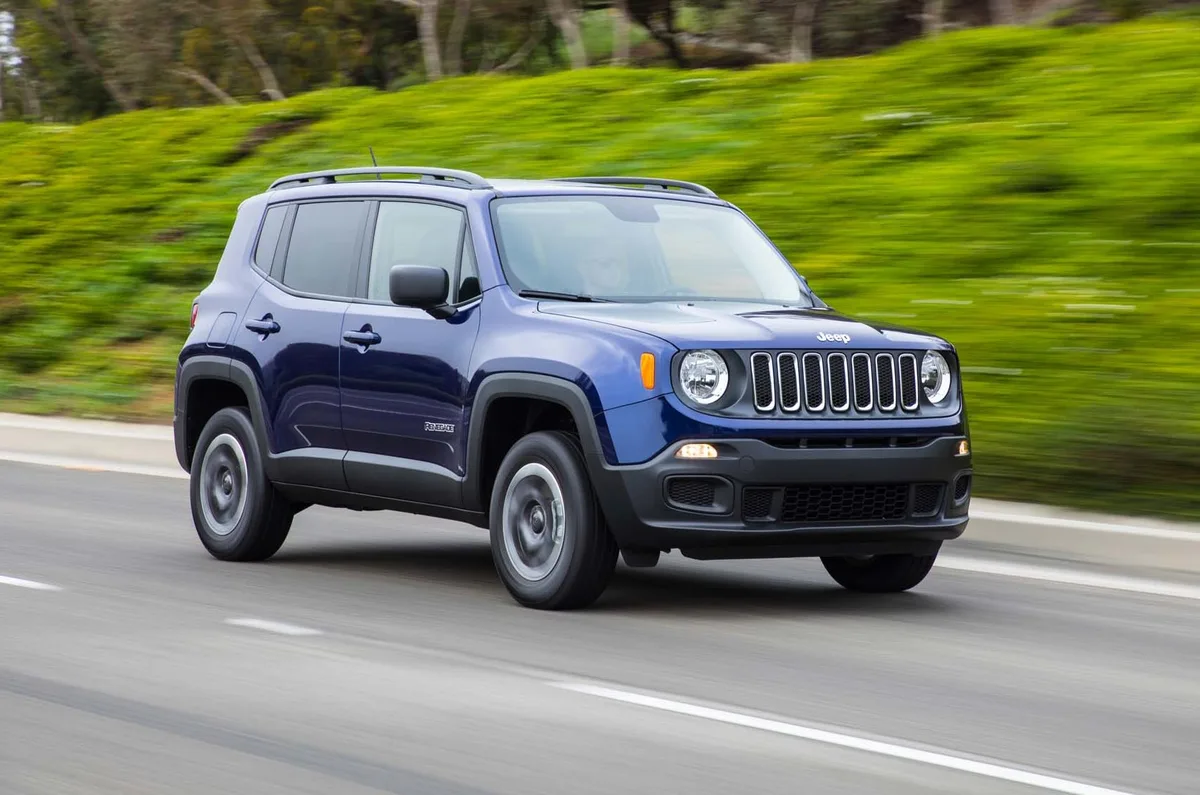
Image source: Bing (Web (fair-use with source credit))
Key features you'll find on the Sport include power windows, power locks, and a user-friendly infotainment system. It typically comes with all-season tires and a standard 4×2 drivetrain, though 4×4 can sometimes be an option. This makes it a sensible choice for most buyers focused on practicality and value.
If you're looking to understand more about the nuts and bolts of vehicle maintenance, understanding basic engine specs like this is a good start.
Sport Use Cases: Who's It For?
The Renegade Sport is ideal for the daily commuter, the first-time SUV buyer, or anyone looking for a reliable and stylish vehicle that doesn't break the bank. It's perfect for people who live in urban or suburban environments and might occasionally drive on well-maintained country roads or light dirt paths.
If you value the Jeep brand's heritage and distinctive styling but your adventures are more likely to involve trips to the farmer's market or a weekend getaway to a cabin with a paved driveway, the Sport is probably your sweet spot. It offers enough ground clearance for peace of mind during light snow or navigating minor road imperfections, without the added cost and complexity of advanced off-road hardware. It’s a smart, practical choice that delivers on the Jeep experience for everyday life.
Renegade Trailhawk: Ready for Adventure
The Jeep Renegade Trailhawk is where the Renegade really flexes its off-road muscles. This trim is built for those who want to take their adventures a step further, literally off the beaten path. It’s designed to handle rougher terrain with confidence, making it a more specialized vehicle within the Renegade lineup.
Trailhawk's Signature Off-Road Features
This is where the Trailhawk truly distinguishes itself. It comes standard with a more advanced 4×4 system, often referred to as Jeep Active Drive Low. This system includes a 4-Low mode for crawling over obstacles and a higher overall crawl ratio, providing more torque at lower speeds.
You also get enhanced approach, departure, and breakover angles, which are critical for clearing obstacles without scraping the undercarriage.

Image source: Web (Bing) / pinterest.com (Web image (fair-use with source credit))
Furthermore, the Trailhawk boasts underbody skid plates to protect the engine, transmission, and fuel tank from impacts. It typically comes with more aggressive all-terrain tires and unique suspension tuning designed for off-road articulation. Red tow hooks are also a signature visual cue, signifying its enhanced recovery capabilities.
These features aren't just for show; they represent a significant upgrade in capability for serious off-roading.
Trailhawk Use Cases: Pavement and Beyond
The Renegade Trailhawk is for the outdoor enthusiast, the weekend warrior, or anyone who lives in an area with challenging road conditions or frequently travels off-road. It's built to handle muddy trails, rocky paths, and steep inclines that would leave a standard compact SUV struggling. If you plan on exploring unpaved roads regularly, camping in remote locations, or simply want the peace of mind that comes with maximum capability, the Trailhawk is your go-to.
Even on pavement, the Trailhawk offers a robust feel. However, its off-road tuned suspension can sometimes translate to a firmer ride compared to the Sport, especially on rougher roads. Despite this, for those whose adventures extend beyond the asphalt, the Trailhawk is an incredibly competent and fun vehicle.
It's the Renegade designed for exploration.
Key Differences at a Glance: Sport vs. Trailhawk
When you're trying to decide between the Jeep Renegade Sport and the Trailhawk, it really boils down to how you plan to use your vehicle. The Sport is the sensible, value-oriented choice for everyday life, while the Trailhawk is purpose-built for those who crave adventure off the pavement. Let's look at the core distinctions that matter most.
Performance & Capability Breakdown
The most significant performance divergence lies in their 4×4 systems and suspension. The Sport typically offers a standard front-wheel-drive or a more basic 4×4 setup for adequate traction. In contrast, the Trailhawk comes standard with Jeep's Active Drive Low 4×4 system, which includes a 20:1 crawl ratio and a dedicated Rock mode within its Selec-Terrain® Traction Management System.
This system is designed for serious off-road performance.
You'll also notice a difference in ground clearance. Manufacturer specifications indicate that the Trailhawk often boasts an inch or more of extra ground clearance compared to the Sport, enabling it to navigate larger obstacles without scraping its undercarriage. This is complemented by distinct front and rear bumper designs that improve approach and departure angles, crucial for steep terrain.
The Sport trim prioritizes a comfortable ride for everyday driving, making it feel more at home on smooth pavement. The Trailhawk's suspension is tuned for off-road articulation and durability, which can result in a slightly firmer ride on city streets, but provides superior control and stability when the going gets tough. For those seeking to understand how these capabilities translate, imagine driving on a bumpy, uneven trail: the Trailhawk's system actively works to keep all four wheels on the ground and maintain forward momentum, whereas the Sport's system would likely struggle much sooner.
Interior & Exterior Touches
Beyond mechanical differences, the Trailhawk also wears its ruggedness on the outside and inside. Visually, you'll spot unique Trailhawk badging, distinctive red tow hooks at the front and rear, and often larger, more aggressive-looking all-terrain tires. Its bumpers are also designed differently to maximize those crucial off-road angles.
Inside, the Trailhawk usually features more durable upholstery, often with unique stitching patterns and accents, designed to withstand the wear and tear of outdoor adventures. It might also include unique interior trim elements that give it a more rugged feel. The Sport, on the other hand, presents a cleaner, more minimalist interior focused on comfort and practicality for daily use.
While both offer Jeep's characteristic rugged styling, the Trailhawk clearly signals its off-road intent.
Making Your Choice: Which Renegade Fits Your Life?
Deciding between the Jeep Renegade Sport and the Trailhawk comes down to a straightforward question: what kind of adventures do you have planned? If your driving is primarily on paved roads with occasional light gravel, the Sport trim likely offers more than enough capability and value for your needs. It delivers the Jeep experience without the premium for specialized off-road equipment you might not use.
Conversely, if your vision of weekend fun includes exploring fire roads, tackling moderate trails, or navigating challenging weather conditions with confidence, the Trailhawk is the clear choice. Its enhanced drivetrain, suspension, and protective underbody gear are designed precisely for these scenarios. Consider your typical routes and your aspirational adventures to guide your decision.
When the Sport Makes More Sense
The Jeep Renegade Sport is the smart pick if value and everyday practicality are your top priorities. Its pricing is more accessible, making it a great option for budget-conscious buyers who still want that Jeep styling. Aggregate user reviews show satisfaction for daily commuting and light recreational use.
Manufacturer data indicates its standard engine is optimized for fuel efficiency on the highway.
This trim excels in urban environments and suburban commutes. It handles standard road conditions with ease, including moderate rain and light snow, especially if equipped with 4×4. If your off-road excursions are limited to the occasional visit to a park with paved paths or a well-maintained dirt access road, the Sport is more than capable.
You'll save money upfront and on potential maintenance related to heavy off-road use.
When the Trailhawk is the Clear Winner
The Trailhawk trim is the undeniable champion for anyone serious about off-roading or needing maximum capability. If you frequently find yourself on unpaved terrain, dealing with significant snow, or simply want the peace of mind that comes with a vehicle built for rugged conditions, the Trailhawk justifies its higher cost. Its specialized features are not just for show; they provide tangible benefits in challenging situations.
For example, the Trailhawk's higher ground clearance and approach/departure angles directly translate to fewer scrapes and better ability to climb over obstacles. Its advanced 4×4 system with low-range gearing provides the control needed for steep descents and ascents where a standard SUV would falter. If your plans include regular excursions to national parks with rugged access roads or exploring remote camping spots, the Trailhawk is engineered for that exact purpose.
It’s an investment in capability.
Common Questions About Renegade Trims
Can the Renegade Sport handle light trails?
Yes, the Renegade Sport can handle light trails and unpaved roads adequately, especially if it has the optional 4×4 system. It offers decent ground clearance for its class, but it lacks the specialized suspension, skid plates, and aggressive tire options of the Trailhawk, which limit its ability on more challenging terrain.
Is the Trailhawk's ride significantly rougher on the highway?
The Trailhawk's off-road tuned suspension can result in a slightly firmer ride on paved surfaces compared to the Sport. However, for many drivers, this difference is minimal and the improved stability on rough roads or during inclement weather can be a worthwhile trade-off. Aggregate reviews suggest most drivers find the ride acceptable for daily use.
Which trim is better for fuel economy?
Generally, the Sport trim tends to offer slightly better fuel economy due to its less complex drivetrain and road-focused tires. Manufacturer specifications usually show a small MPG advantage for the Sport, as the Trailhawk's more robust 4×4 system and all-terrain tires can consume marginally more fuel.
Does the Trailhawk offer more standard safety features?
While both trims offer a good suite of standard safety features, specific advanced driver-assistance systems might be optional or standard depending on the model year and package configurations. It's always best to check the latest Jeep specifications for the exact safety features available on the Sport and Trailhawk trims you are considering.
What is the price difference between the Sport and Trailhawk?
The Trailhawk trim typically carries a higher price tag than the Sport due to its extensive off-road enhancements and standard 4×4 system. This price difference can range from a few thousand dollars to potentially more, depending on current market pricing and any optional packages added to either trim.