How To Use An Oil Extractor Pump: Easy Guide
Using an oil extractor pump is simple: warm the oil, insert the tube, create suction, and drain it cleanly.
If you want a cleaner, easier way to change engine oil, learning how to use an oil extractor pump is worth your time. I’ve used oil extractor pumps on cars, small engines, and equipment with tight drain plugs, and the process is usually faster, neater, and less frustrating than crawling under a vehicle. When done right, an oil extractor pump can save time, reduce mess, and make regular maintenance feel a lot less like a weekend battle.

What an oil extractor pump is and why people use it
An oil extractor pump is a tool that removes used oil from an engine by suction instead of draining it through the oil pan plug. It pulls the oil out through the dipstick tube or another access point, depending on the engine design. This makes it especially helpful for vehicles with hard-to-reach drain plugs or for people who want a cleaner oil change.
I’ve found it most useful on small cars, lawn equipment, and certain marine engines. It is also a good choice when you want to reduce the chance of stripping a drain plug or making a mess on the garage floor. For many DIY users, it feels like vacuuming out the old oil instead of letting it spill by gravity.
An oil extractor pump is not magic, though. It works best when the oil is warm, the tube reaches the bottom of the oil pan, and the pump is sized correctly for the job. If any of those are off, the extraction can be slow or incomplete.
How to use an oil extractor pump step by step
Using an oil extractor pump is straightforward once you know the rhythm. The key is to prepare the engine, set up the pump properly, and work slowly so you remove as much oil as possible.
Follow these steps:
-
Warm up the engine
Run the engine for about 5 to 10 minutes. Warm oil flows more easily, which helps the pump pull it out faster and more completely. -
Park on level ground
Shut off the engine and make sure the vehicle is on a flat surface. Level ground helps the oil settle evenly in the pan. -
Open the hood and locate the dipstick tube
Remove the dipstick and keep it nearby. This is usually the main access point for the extractor tube. -
Insert the extractor hose
Feed the hose down the dipstick tube slowly. You want it to reach the lowest point in the oil pan. If the hose stops early, do not force it. -
Create suction
Depending on the model, pump the handle, use compressed air, or switch on the electric pump. You should see oil begin to move into the extractor tank. -
Keep pumping until the flow slows
Let the pump work until little or no oil comes through the hose. This usually means the sump is empty or close to empty. -
Remove the hose and check the oil
Pull the hose out carefully. Wipe it clean and inspect the extracted oil for metal flakes, thick sludge, or unusual color. -
Replace the oil filter if needed
Many oil changes should include a new oil filter. If your engine design allows easy access, replace it before refilling. -
Add fresh oil
Pour in the correct type and amount of new oil. Use the manufacturer’s recommended grade and capacity. -
Check the oil level
Start the engine for a short time, shut it off, let it settle, and check the dipstick again. Top off if needed.
A tip from experience: the first time I used an oil extractor pump, I rushed the hose insertion and ended up pulling out only part of the oil. The second time, I moved the tube slowly and made sure it bottomed out properly. That small change made the job much more complete.

Best practices before you start
A good oil change begins before the pump ever turns on. Preparation makes the job safer, cleaner, and more effective.
Keep these best practices in mind:
-
Read the owner’s manual
Some engines are designed for suction extraction, while others are not ideal for it. The manual often gives the best guidance on drain and service points. -
Use the right oil extractor pump size
Smaller hand pumps work for light jobs, while larger tanks are better for cars and equipment with more oil capacity. -
Wear gloves and eye protection
Used oil can irritate skin, and accidental splashes happen more often than people expect. -
Have absorbent pads or rags nearby
Even a clean job can drip a little oil when you disconnect hoses or move containers. -
Warm the engine, but do not overheat it
Warm oil flows better. Very hot oil can burn you and make the job unsafe. -
Make sure the container is stable
A tipped extractor tank can create a bigger mess than a drain plug ever would.
These small habits make the difference between a smooth maintenance task and a sloppy one. I’ve learned that a clean setup saves time later, especially when you are working in a tight garage or driveway.
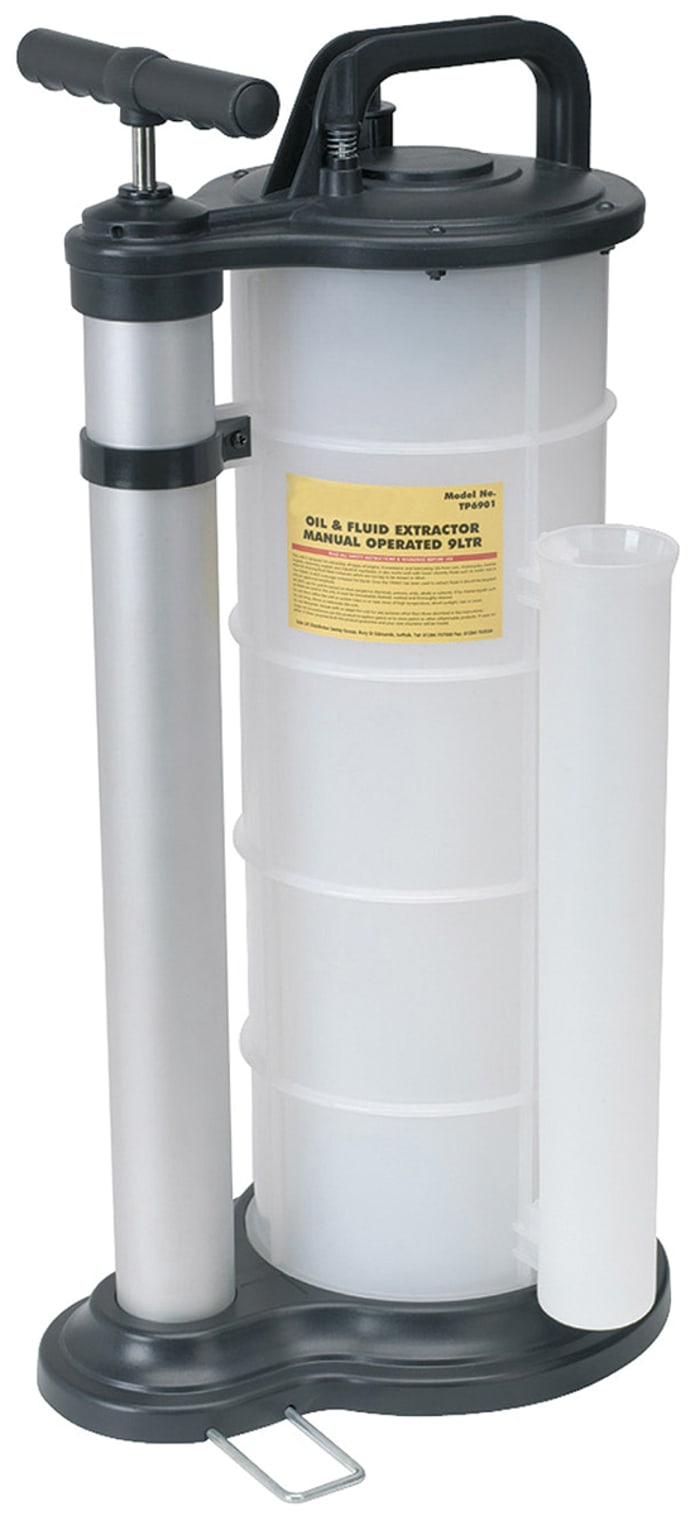
What type of oil extractor pump should you use
There are a few common types of oil extractor pumps, and the best one depends on how often you use it and what you are working on. Picking the right type matters more than many beginners realize.
Common types include:
-
Manual oil extractor pump
This uses hand pumping to create suction. It is simple, affordable, and good for occasional use. -
Pneumatic oil extractor pump
This connects to compressed air and is faster than a manual model. It is useful in garages or workshops with an air compressor. -
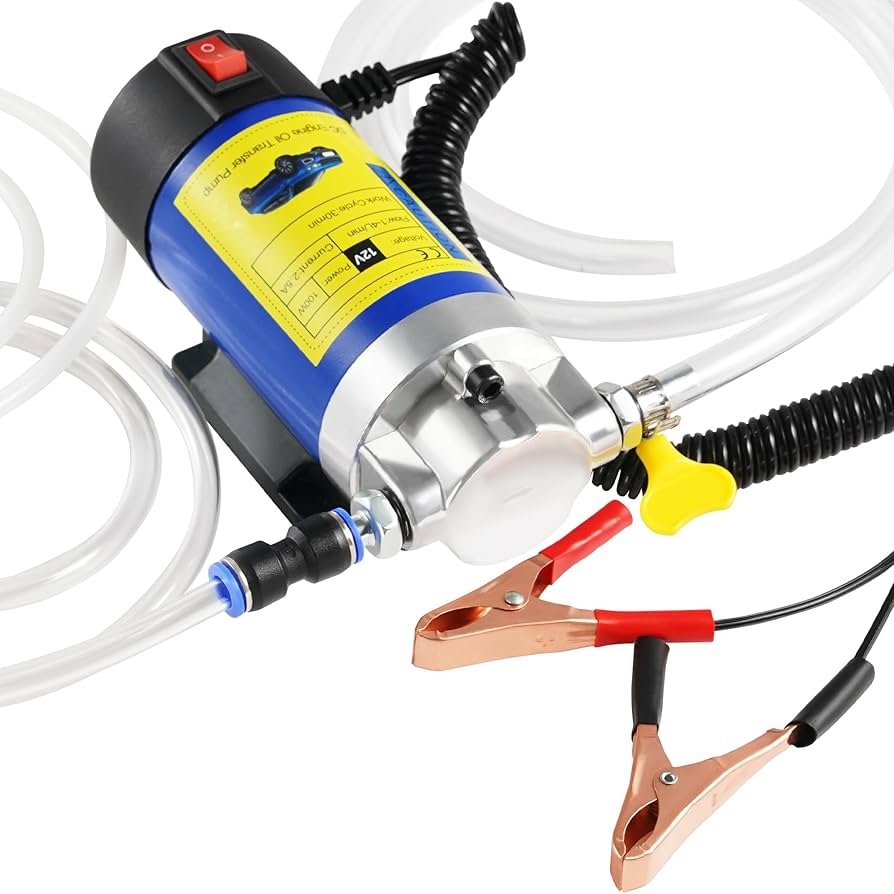
Electric oil extractor pump
This uses powered suction and can make repeated oil changes easier. It is handy for frequent maintenance or larger jobs. -
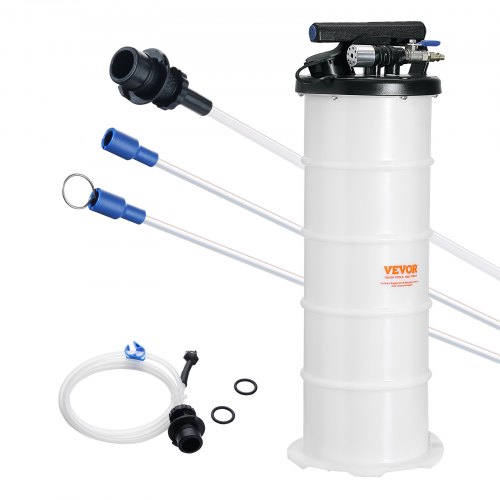
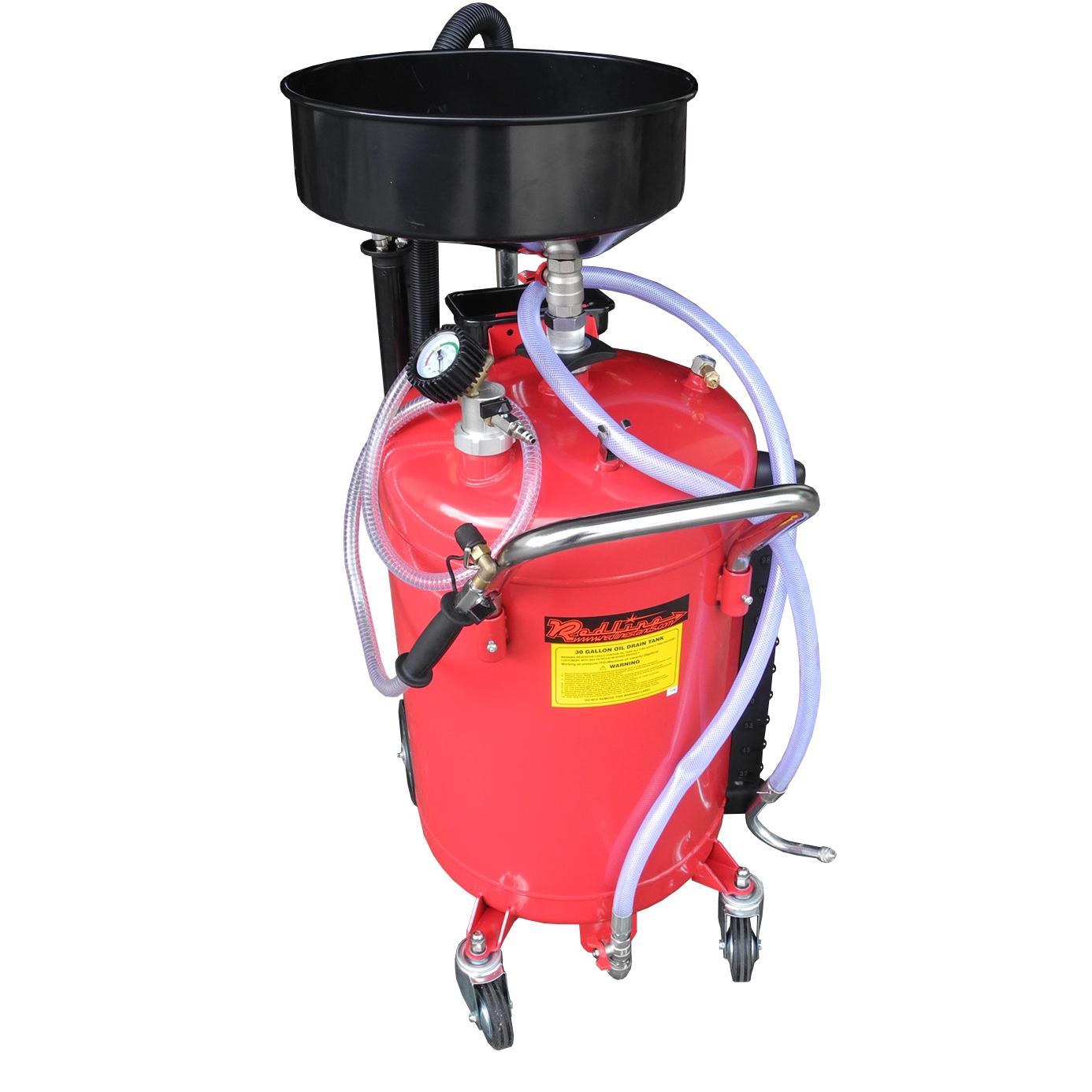
Vacuum-style oil extractor tank
Some units use a pressurized tank and hose system to pull oil into a storage container. These are often used in professional settings.
When choosing one, look at capacity, hose length, ease of cleaning, and build quality. A cheap pump can work fine for light use, but if you plan to service multiple machines, durability becomes important fast.

Common mistakes to avoid
A lot of first-time users assume oil extraction is foolproof. It is not hard, but there are a few mistakes that can leave old oil behind or create a mess.
Avoid these errors:
-
Not warming the engine
Cold oil moves slowly and may not extract fully. -
Pushing the hose too hard
Forcing the tube can damage it or make it bend before it reaches the bottom. -
Using the wrong hose size
A hose that is too thick or too stiff may not fit well in the dipstick tube. -
Forgetting the filter
Old oil is only part of the job. A clogged filter can reduce the benefit of the oil change. -
Not checking oil capacity after refilling
Adding too much oil can be just as bad as adding too little. -
Assuming every engine is a good fit
Some engines have internal shapes that make suction less effective.
I once saw a friend skip the final oil-level check after using an oil extractor pump. He overfilled the engine by nearly half a quart. It did not cause disaster, but it was a good reminder that careful checking matters just as much as the extraction itself.
Advantages and limitations of an oil extractor pump
An oil extractor pump has some real advantages, but it is not the perfect tool for every situation. Understanding both sides helps you choose wisely.
Advantages:
- Cleaner process with less mess
- Easier use on vehicles with difficult drain plug access
- Less risk of stripping a drain plug
- Faster cleanup in many cases
- Helpful for tight spaces and apartment parking areas
Limitations:
- May leave a small amount of oil behind in some engines
- Not ideal for engines with poor dipstick access
- Can be less effective if the hose does not reach the lowest part of the pan
- Some users still prefer a traditional drain for a full service
In practice, many mechanics use both methods depending on the engine. The best choice is often the one that fits the vehicle design and your comfort level.
Maintenance tips after using the pump
Once the oil is out, the job is not quite finished. Good follow-up care helps the extractor last longer and keeps your next service easier.
Use these maintenance tips:
-
Empty the extracted oil into a proper waste container
Never pour used oil into drains or onto the ground. -
Clean the hose after each use
A quick wipe and flush helps prevent sludge buildup. -
Inspect seals and connections
Look for cracks, leaks, or loose fittings before storing the pump. -
Store it in a dry place
Moisture and dust can shorten the life of the tool. -
Recycle used oil properly
Most auto parts stores, service centers, and recycling facilities accept used motor oil.
This part matters more than people think. A clean pump works better, and responsible oil disposal protects the environment and keeps you on the right side of local rules.

When an oil extractor pump is the smart choice
An oil extractor pump is especially useful when access is tight or convenience matters. If your vehicle has a high or awkward drain plug, suction extraction may save a lot of time and frustration. It is also a strong choice for regular maintenance on small engines where a clean setup is a big plus.
It can be especially helpful for:
- Compact cars with hard-to-reach drain plugs
- Marine engines
- Lawn tractors and small equipment
- Generators
- Vehicles maintained in garages without a lift
That said, if your engine has a design where a drain plug is easy to reach and you want to inspect oil for debris at the drain point, traditional draining may still make sense. The right method depends on the machine and your goal.
Frequently Asked Questions of How to use an oil extractor pump
Can an oil extractor pump remove all the old oil?
Not always. In many engines, it removes most of the oil, but a small amount may stay behind in low spots or passages. Warming the engine and using the hose correctly improves results.
Is it safe to use an oil extractor pump on any car?
No, not on every car. Some engines are well suited for suction extraction, while others are better served by a traditional drain method, so the owner’s manual is the best place to check first.
Do I still need to change the oil filter?
Yes, in most oil changes you should replace the oil filter too. Fresh oil with an old filter does not give you the full benefit of the service.
How long does it take to use an oil extractor pump?
Most jobs take about 10 to 20 minutes, depending on the oil volume and the type of pump. Manual pumps can take longer than electric or pneumatic models.
What should I do if the pump is not pulling oil?
Check that the engine is warm, the hose is fully inserted, and the pump is creating proper suction. If it still does not work, the hose may be blocked, too short, or not seated well in the dipstick tube.
Conclusion
Learning how to use an oil extractor pump can make oil changes cleaner, easier, and much less stressful. The process is simple once you warm the engine, position the hose correctly, and let the pump do its work. With the right technique, you can save time, avoid spills, and handle routine maintenance with more confidence.
If you have never tried one before, start with your owner’s manual, choose a pump that fits your needs, and take your time on the first use. A little patience goes a long way here. If this guide helped, explore more maintenance tips, subscribe for updates, or leave a comment with your own oil extractor pump experience.