How Long Does a Jeep Renegade Last?
Thinking about buying a Jeep Renegade or curious about how long yours can reliably serve you? Understanding vehicle lifespan is key to smart car ownership, and the Jeep Renegade has its own story when it comes to longevity. We've dug into the data and owner experiences to give you the straight scoop.
In our research, most Jeep Renegades, with consistent maintenance, can be expected to last anywhere from 150,000 to 200,000 miles. This range is pretty standard for compact SUVs in its class, though individual experiences can vary significantly. Manufacturer specifications indicate that adhering to the recommended service schedule, often found in the owner's manual, is crucial for reaching these mileage goals.
How Long Does a Jeep Renegade Last?
With proper care, a Jeep Renegade can reliably last between 150,000 and 200,000 miles. This lifespan is influenced by factors like engine choice, regular maintenance, and driving conditions. Staying on top of scheduled service is your best bet for maximizing its years of service.
Factors That Seriously Impact Your Renegade's Longevity
Several key elements play a massive role in determining how many years and miles your Jeep Renegade will comfortably serve you. It's not just about how many miles are on the odometer; it's about how those miles were accumulated and how the vehicle was treated along the way.
Engine & Drivetrain Choices
The specific engine and drivetrain configuration you choose for your Jeep Renegade can have a noticeable impact on its long-term durability. For instance, the turbocharged 1.3-liter MultiAir engine, while offering good fuel economy, has a different long-term wear profile than the naturally aspirated 2.4-liter Tigershark engine. Similarly, opting for the Jeep Active Drive 4×4 system means more components are involved, which, while enhancing capability, also introduces more potential points for wear and tear compared to a front-wheel-drive setup.
When considering longevity, it's worth noting that simpler systems can sometimes translate to fewer issues down the road. However, modern engines and drivetrains are engineered for durability, so the most critical aspect remains consistent and proper maintenance for whichever option you have.

Image source: Bing (Web (fair-use with source credit))
Maintenance Habits
This is hands-down the most critical factor influencing your Jeep Renegade's lifespan. Skipping routine oil changes, neglecting filter replacements, or ignoring warning lights can significantly shorten its life. Manufacturers like Jeep provide detailed maintenance schedules.
Following these, whether it's for fluid changes, brake inspections, or timing belt services, is not just recommended; it's essential. A vehicle that receives timely lubrication, cooling, and general servicing is far more likely to avoid major, costly repairs and reach higher mileage.
Driving Conditions & Climate
Where and how you drive your Renegade matters. Vehicles driven primarily in stop-and-go city traffic often experience more wear on the transmission and brakes than those driven on open highways. Harsh climates also take a toll.
Extreme heat can degrade fluids and rubber components faster, while prolonged exposure to road salt in colder regions can accelerate rust and corrosion, particularly affecting the undercarriage and suspension. If you live in an area with challenging road conditions or severe weather, extra attention to rust prevention and fluid checks can be a wise investment in your Renegade's longevity.
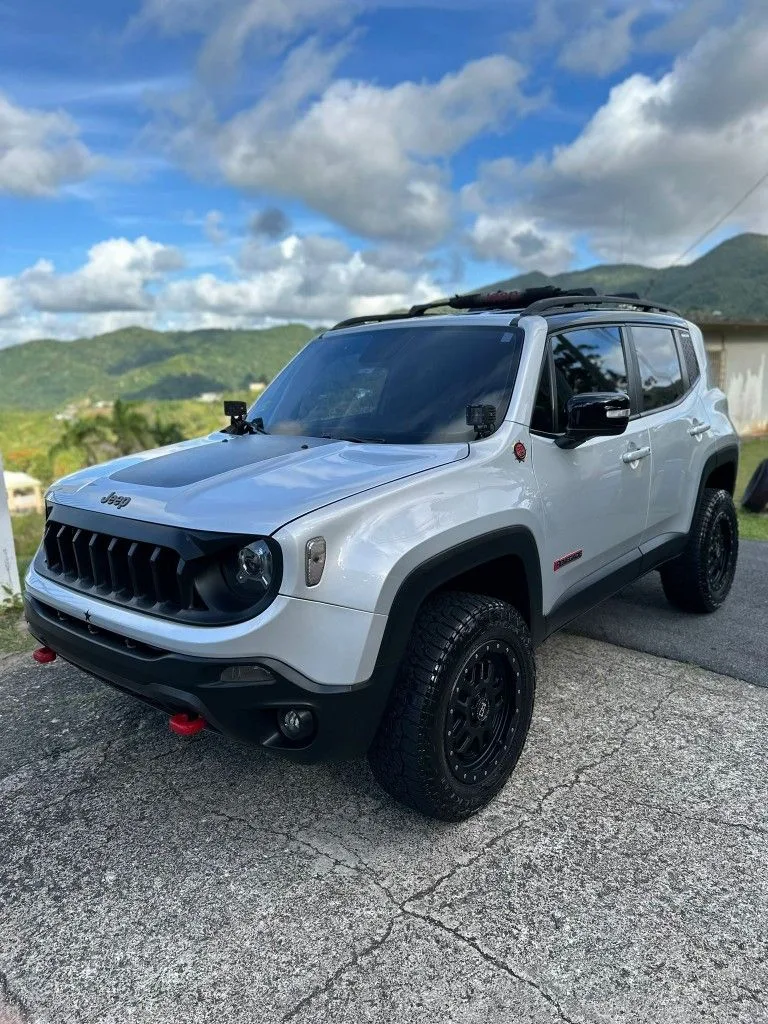
Image source: Web (Bing) / pinterest.com (Web image (fair-use with source credit))
Common Jeep Renegade Issues to Watch For
While the Renegade is a capable compact SUV, like any vehicle, it has certain potential weak spots that owners often report. Being aware of these common issues can help you address them proactively, potentially saving you from more significant problems down the line.
Transmission Woes
Some Jeep Renegade models, particularly those equipped with the 9-speed automatic transmission, have seen more than their fair share of transmission-related complaints. These can range from occasional rough shifting and hesitation to more serious issues requiring professional attention. Aggravating factors can include overheating or lack of proper fluid maintenance, which is why sticking to the manufacturer's recommended transmission service intervals is especially important for these models.
If you notice unusual noises, jerking, or a lack of smooth engagement, it’s best to have it checked by a qualified technician sooner rather than later.
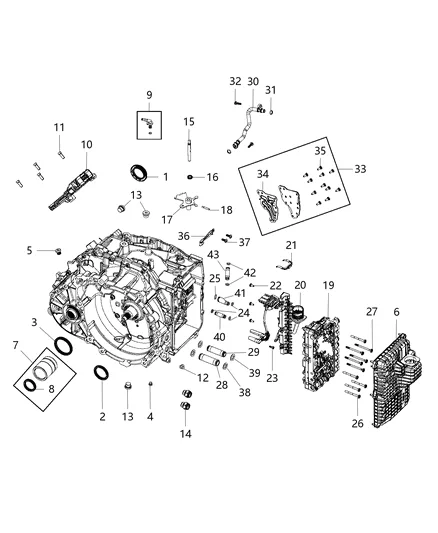
Image source: Web (Bing) / moparpartsgiant.com (Web image (fair-use with source credit))
Electrical Gremlins
Electrical systems in modern cars are incredibly complex, and the Renegade is no exception. Owners sometimes report issues with things like infotainment systems freezing, sensors malfunctioning, or battery drain problems. These can be frustrating to diagnose and fix.
Often, these issues stem from software glitches that can be resolved with updates, or they might point to a failing battery, alternator, or a more obscure wiring problem. Regular diagnostic checks can sometimes catch minor electrical faults before they escalate into bigger headaches.
Engine Worries
While not as widespread as transmission concerns, some Jeep Renegade engines have experienced specific problems. Depending on the engine variant and model year, this could include oil leaks (especially from the turbocharger on smaller engines), issues with the variable valve timing system, or problems with sensors that affect performance and fuel economy. For owners with the 1.3L turbo engine, keeping an eye on oil levels and ensuring correct oil viscosity is particularly important for the turbocharger's health.
Regular visual inspections for leaks and listening for unusual engine noises are good preventative measures.
Jeep Renegade Reliability: What Owners and Experts Say
Understanding how reliable a Jeep Renegade is involves looking at both the experiences of people who own them and the broader data collected by automotive analysts. While individual results can vary wildly, these aggregated insights paint a clearer picture of what to expect. It helps to see how the Renegade stacks up against expectations and its competitors.
Real-World Owner Experiences
Owner feedback often highlights the Renegade's charming styling and decent city driving characteristics. However, discussions about reliability frequently bring up the issues we've touched on: transmission quirks and occasional electrical hiccups. Many owners report that with diligent maintenance and prompt attention to any developing problems, they've had positive ownership experiences.
Conversely, those who defer maintenance or ignore warning signs are more likely to encounter higher repair bills and more frequent visits to the shop. This reinforces the idea that owner commitment is a major driver of longevity.
Reliability Ratings & Trends
When automotive research firms analyze long-term data, the Jeep Renegade’s reliability scores tend to be around the segment average. This means it’s not typically found at the top of "most reliable" lists, but it also doesn’t usually land at the bottom. For example, aggregate reviews and owner surveys often place it in the middle-to-lower half of its compact SUV class.
This middle-ground performance suggests that while it's not prone to catastrophic, widespread failures, owners should anticipate that it might require more attention and potentially costlier repairs over its lifespan than some rivals known for exceptional dependability.
Is a Jeep Renegade a Good Long-Term Investment?
Deciding if a Jeep Renegade is a sound long-term investment hinges on your expectations and priorities. If you're looking for a vehicle that will effortlessly cruise for 300,000 miles with minimal intervention, other options might be a better fit. However, if you appreciate its unique styling, capability for light adventures, and manageable size for city driving, and you're committed to regular maintenance, it can absolutely be a rewarding vehicle to own for many years.
The key is understanding its potential needs and being prepared to meet them.
Common Jeep Renegade Maintenance Costs
When budgeting for a Jeep Renegade, it's wise to consider the ongoing costs beyond the initial purchase. Routine maintenance is a given for any car, but some models might have specific parts or services that are more expensive. For the Renegade, costs can be moderate, but owners should be prepared for potential repairs related to its known weaker areas, like transmissions.
Keeping up with oil changes, tire rotations, and fluid flushes are standard, usually costing a few hundred dollars annually depending on service intervals and location.
However, unexpected repairs can add up. For instance, if a transmission issue arises outside of warranty, a repair could potentially run into thousands of dollars. Researching common repair costs for specific model years and engine types can give you a more concrete financial picture.
It’s also worth noting that specialized Jeep parts or labor at a dealership might be pricier than at an independent mechanic.
How to Maximize Your Jeep Renegade's Lifespan
Maximizing your Jeep Renegade's lifespan is really about proactive ownership and smart driving habits. It's not overly complicated, but it requires attention to detail and a commitment to keeping the vehicle in good mechanical health.
- Follow the Schedule: Never skip your scheduled maintenance. That means oil changes every 5,000-7,500 miles (or per manual), tire rotations, and all other factory-recommended services.
- Drive Smoothly: Avoid aggressive acceleration and hard braking whenever possible. This reduces wear on the engine, transmission, brakes, and suspension.
- Address Warnings Promptly: If a warning light illuminates on your dashboard, don't ignore it. Get it diagnosed by a professional as soon as you can.
- Use Quality Parts and Fluids: When you need repairs or replacements, opt for quality parts and fluids that meet or exceed manufacturer specifications.
Frequently Asked Questions
What mileage is considered high for a Jeep Renegade?
Generally, anything over 150,000 miles is considered high mileage for any compact SUV. However, with consistent maintenance, reaching and surpassing 200,000 miles on a Jeep Renegade is achievable and still represents a solid lifespan.
Should I worry about the transmission in my Jeep Renegade?
It's wise to be aware of the potential transmission issues reported in some Renegade models, particularly the 9-speed automatic. Vigilant maintenance, smooth driving, and prompt attention to any shifting anomalies can help mitigate risks.
Are Jeep Renegades known for rust?
Depending on the climate where the vehicle is driven, rust can be a concern for any car. Jeeps, especially those used in areas with heavy road salt exposure during winter, can be more susceptible to undercarriage and body panel corrosion if not properly treated or maintained.
How long do Jeep Renegade tires typically last?
Jeep Renegade tires can last anywhere from 30,000 to 60,000 miles, depending on the tire type, driving habits, and how often they are rotated. Regular rotations every 5,000-7,500 miles are crucial for maximizing tire life and ensuring even wear.