Food Processor vs Blender
So, you're trying to figure out the whole food processor versus blender thing, right? It's a super common question in the kitchen, and honestly, it trips a lot of people up because they look similar, and sometimes they can even do some of the same jobs. But trust me, they're built for different kinds of tasks, and knowing that can save you a lot of frustration (and maybe even some money!).
Think of it this way: it's not about which one is better, it's about which one is right for what you want to do.
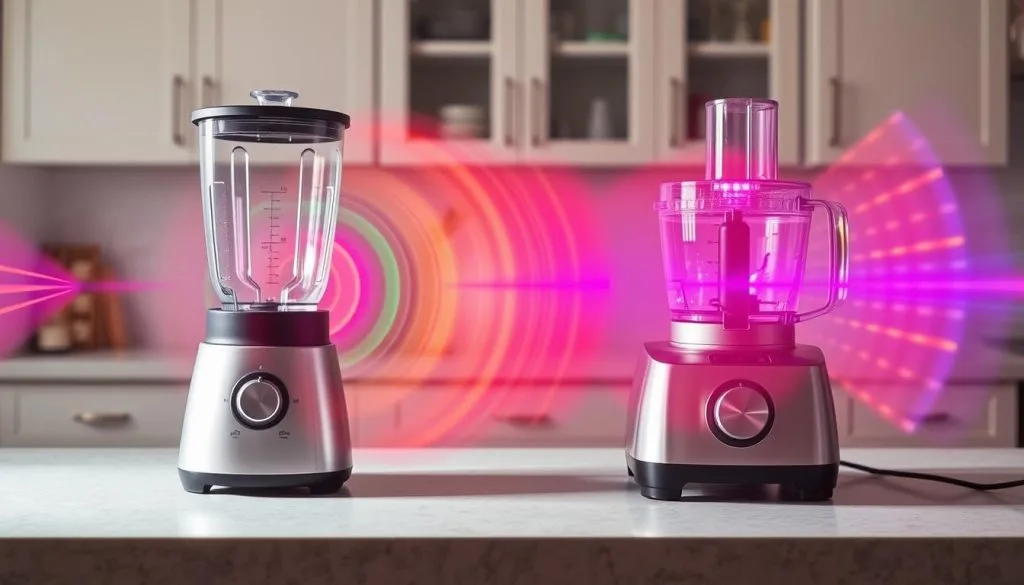
Image source: Bing (Web (fair-use with source credit))
Quick Answer
Blenders are for liquids and smooth purees, while food processors chop and slice solids. Blenders excel at smoothies and soups; food processors handle pesto and dough.
Blender: Your Go-To for Smooth Liquids
When I think of blenders, I immediately picture a vibrant green smoothie or a creamy milkshake. That's their sweet spot. They are designed to create very smooth, often pourable consistencies.
What Blenders Are Built For
Blenders are primarily designed to liquefy ingredients. This means they're fantastic for tasks where you want a smooth, consistent liquid.
- Smoothies and Milkshakes: This is the classic blender job. They can pulverize fruits, vegetables, ice, and liquids into a drinkable consistency.
- Pureed Soups: Making creamy tomato soup or a silky butternut squash soup is a breeze with a blender. It breaks down cooked ingredients and blends them with broth or cream.
- Sauces and Dressings: From a light vinaigrette to a rich hollandaise, blenders can emulsify ingredients for smooth, consistent sauces.
- Crushing Ice: Most blenders, especially those with powerful motors, can handle crushing ice for frozen drinks or cocktails.
Blender Features and How They Work
Blenders typically feature blades that spin at very high speeds at the bottom of a tall, narrow jar. This high-speed action creates a vortex, continuously pulling ingredients down into the blades. Manufacturer specifications often list motor power in watts, with higher wattage generally indicating more power for tougher jobs, like crushing ice or tougher vegetables.
For example, many high-performance blenders range from 1000 to over 2000 watts. The tall, narrow design of the jar is crucial for this vortex action, ensuring ingredients are thoroughly blended without needing constant scraping.
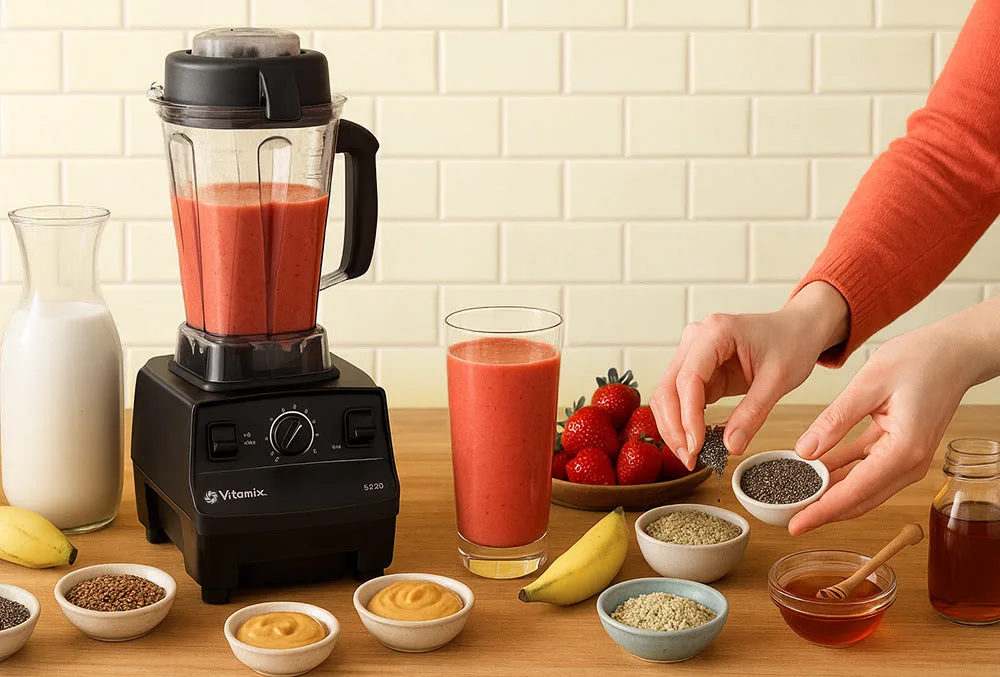
Image source: Bing (Web (fair-use with source credit))
Food Processor: The Chopping, Slicing, and Dough-Making Champ
Food processors are more like your versatile kitchen sous chef. They're built to break down ingredients into different consistencies, not just pureeing them into oblivion.
What Food Processors Excel At
Food processors are workhorses for tasks that require more control over texture, from finely chopped ingredients to doughs. They offer a wider range of capabilities beyond just liquefying.
- Chopping and Mincing: They can quickly chop onions, garlic, herbs, nuts, and even tougher items like carrots into uniform pieces.
- Slicing and Shredding: Most food processors come with interchangeable discs that allow for precise slicing of vegetables or shredding of cheese. This uniformity is hard to achieve by hand.
- Making Doughs: Many models are capable of making pie crusts, cookie dough, or even bread dough, thanks to their wider bowls and specific blade designs.
- Thick Pastes and Dips: If you're making hummus, pesto, or nut butter, a food processor can achieve a smooth consistency, but it will typically be thicker and less pourable than what a blender makes.
- Large Batches: Their wider bowls often make them better suited for processing larger quantities of ingredients at once.
Food Processor Features and Key Components
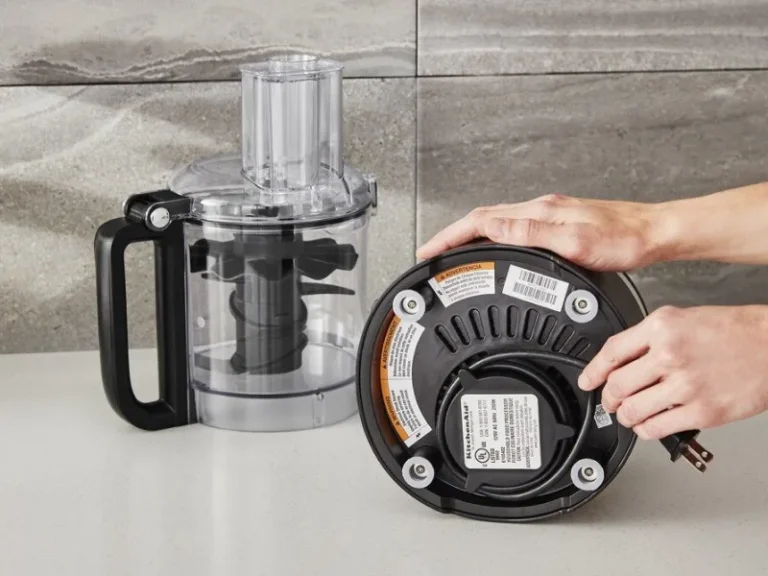
Food processors have a wider, often shorter bowl compared to a blender's jar. Inside, they utilize blades that are generally less aggressive and spin at lower speeds, or they employ specialized discs for slicing and shredding. A key feature is the variety of attachments; you might find a standard S-blade for chopping, a dough blade, and various discs that fit on top of the blade assembly.
The motor power for food processors can also vary, but they are geared towards torque for cutting and processing, rather than the sheer speed of a blender. For instance, compact food processors might range from 350 to 600 watts, while larger models can exceed 1000 watts, as confirmed by manufacturer specifications.
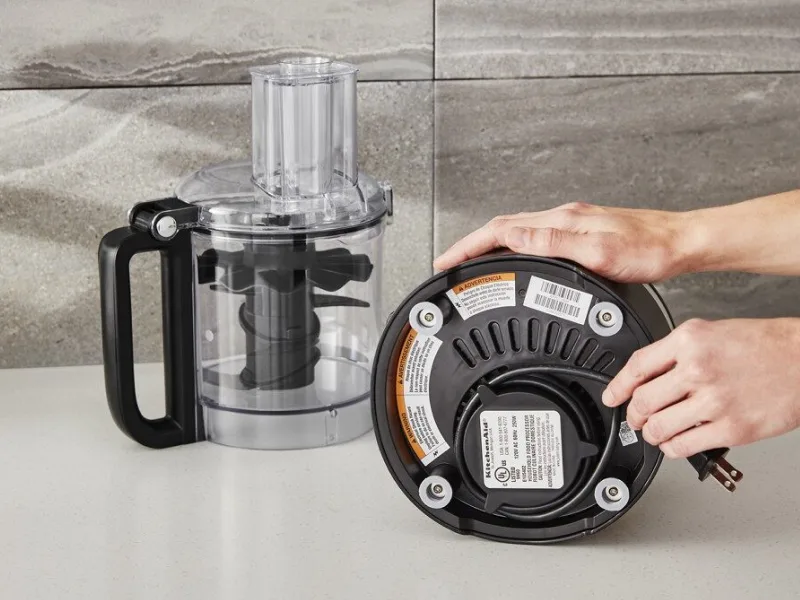
Image source: Bing (Web (fair-use with source credit))
Blender vs. Food Processor: A Side-by-Side Showdown
When you’re standing in the kitchen wondering which tool to grab, understanding their core differences is key. They might both have blades and motors, but their designs dictate their strengths.
Key Differences in Function and Texture
The fundamental difference lies in how they process ingredients. Blenders create a smooth, often liquid texture through high-speed vortex action. Their tall, narrow containers are designed to keep everything moving downwards into the fast-spinning blades for maximum liquefaction.
Food processors, conversely, use a wider bowl and blades that spin at lower speeds, or utilize specialized discs for precision cutting. This design allows for more control, enabling tasks like chopping ingredients into distinct pieces, uniform slicing, or creating thicker pastes without over-processing them into liquid.
When to Choose a Blender Over a Food Processor
You'll want to reach for your blender when your goal is a smooth, pourable, or liquid result. It's the undisputed champion for tasks where uniformity of texture is essential for drinkability or a silky finish.
- Perfect for Drinks: If you're whipping up smoothies, protein shakes, or frozen cocktails, a blender’s ability to crush ice and pulverize ingredients into a fine, consistent liquid is unmatched.
- Silky Soups and Sauces: For pureed vegetable soups or emulsified salad dressings where you want zero graininess, a blender’s high-speed action is ideal.
- Small Batches of Liquids: Making a quick batch of homemade mayonnaise or a thin sauce? A blender, especially a personal-sized one, can handle these small liquid tasks efficiently.
When to Choose a Food Processor Over a Blender
A food processor shines when you need to break down solid ingredients into various textures, or when you need to prep ingredients for baking or other dishes. Its versatility with attachments makes it a true kitchen multi-tasker.
- Dicing and Chopping: Need finely minced garlic or uniformly chopped onions for a mirepoix? A food processor with its S-blade attachment can do this quickly and consistently.
- Slicing and Shredding: When recipes call for precisely sliced cucumbers or shredded cheese, the specialized discs that come with most food processors are invaluable. This level of precision is impossible with a blender.
- Baking Preparations: For making pie crusts, cookie dough, or even kneading bread dough, the wider bowl and controlled blade action of a food processor are far more effective than a blender.
This is why understanding their distinct design philosophies is so important when deciding which appliance best fits your kitchen needs.
Common Kitchen Tasks: Which Tool Wins?
Knowing the core differences helps you pick the right tool for the job. Let's break down some common kitchen tasks and see which appliance typically comes out on top.
Smoothies, Soups, and Sauces
When your goal is a smooth, drinkable consistency or a silky sauce, a blender is almost always the way to go. Its high-speed blades excel at pulverizing fruits, vegetables, ice, and liquids. This creates the fine, uniform texture essential for things like:
- Breakfast Smoothies: Combining fruits, greens, yogurt, and liquid into a drinkable meal.
- Pureed Vegetable Soups: Turning cooked ingredients into a creamy, lump-free soup.
- Homemade Salad Dressings: Emulsifying oil, vinegar, and seasonings into a perfectly blended dressing.
- Baby Food: Creating smooth, easily digestible purees from cooked fruits and vegetables.
While a food processor can make a somewhat smooth dip or paste, it generally won't achieve the same level of fineness and liquidity that a blender can. You risk ending up with a chunkier, less refined result for these specific tasks.
Dips, Pastes, and Doughs
For thicker preparations that don't need to be fully liquefied, or for tasks involving dough, the food processor takes the lead. Its design is better suited for processing solids into distinct textures or incorporating ingredients without overworking them into a liquid state.
- Hummus and Pesto: A food processor can grind chickpeas, tahini, garlic, and herbs to create wonderfully thick, flavorful dips. The texture is usually coarser than a blender would achieve for these items.
- Nut Butters: While blenders can make nut butter, a food processor often has a wider bowl that allows the nuts to circulate better, leading to a more even processing and less chance of motor strain on high-powered models.
- Pie Crusts and Pastry Dough: The S-blade in a food processor is perfect for cutting butter into flour to create flaky pastry. It mimics the hand-cutting motion efficiently.
- Salsa and Chopped Veggies: For a chunky salsa or finely chopped onions for a recipe, a food processor offers more control than a blender, preventing you from turning your ingredients into mush.
Trying to make a pie crust in a blender usually results in a sticky, overmixed mess, and its narrow container makes it difficult to achieve the right consistency for dips and doughs.
Chopping, Slicing, and Shredding
This category is where the food processor truly shines, thanks to its specialized attachments. Blenders simply don't have the capability to perform these functions effectively.
- Uniform Slicing: Need perfectly even slices of cucumber for a salad or potatoes for a gratin? The slicing discs on a food processor are designed for this, delivering consistent results every time.
- Effortless Shredding: Shredding cheese for tacos or vegetables for coleslaw is a task a food processor handles in seconds, thanks to its shredding discs. Doing this by hand can be time-consuming and messy.
- Quick Mincing: While a blender can mince some ingredients, a food processor offers more control. You can pulse it to get finely minced garlic or herbs without turning them into a paste.
Blenders, with their fast-spinning blades, are not designed for these precise cutting tasks. Attempting to slice or shred with a blender would likely result in a mangled, uneven mess, if it worked at all.
Mistakes to Avoid When Using Either Appliance
Even with these powerful tools, there are common missteps that can lead to frustration or damage. Understanding these pitfalls can save you time and ensure better results.
Over-Processing and Under-Processing Pitfalls
This is perhaps the most common mistake, especially with blenders.
- In Blenders: Running the blender for too long on high speed can turn what should be a textured smoothie into a thin, watery liquid. Conversely, not blending long enough can leave you with unpleasant chunks of unblended ingredients. For soups, over-blending can sometimes incorporate too much air, making them foamy.
- In Food Processors: It's easy to turn chopped onions into a watery puree by pulsing too much or for too long. Similarly, trying to make nut butter can result in a dry, crumbly mixture if you stop too early, or an overly oily, thin paste if you go too far. Learning to use the pulse function is critical for achieving the desired texture without overdoing it.
Cleaning and Maintenance Oopsies
Both appliances require proper cleaning to maintain hygiene and performance.
- Forgetting to Clean Immediately: Food residue can dry and become incredibly difficult to remove. Many blender jars and food processor bowls are top-rack dishwasher safe, but checking the manufacturer's manual is always best.
- Improper Blade Handling: Blender blades are typically fixed and very sharp, making cleaning tricky. Food processor blades and discs are usually removable but still require careful handling. Never put them directly against your skin while washing.
- Submerging the Motor Base: Neither the motor base of a blender nor a food processor should ever be submerged in water. Wipe them down with a damp cloth and mild soap, ensuring they are completely dry before storage. Per NIST guidelines on appliance safety, always ensure electrical components are kept dry.
Expert Tips for Getting the Most From Your Appliance
Whether you've chosen a blender or a food processor, a few expert insights can elevate your kitchen experience. These aren't complicated tricks, just smart practices that ensure you get the best results and keep your appliance running smoothly for years to come.
- Pre-Cut Ingredients: Don't force large, whole items into your appliance. Cutting vegetables or fruits into smaller, manageable pieces (about 1-2 inches) before processing helps the motor work more efficiently and prevents jams. This is especially true for tougher ingredients like carrots or apples.
- Layer Liquids First: For blenders, always add your liquids (water, juice, milk) to the jar first. This helps the blades move freely and creates the vortex needed for efficient blending, preventing thicker ingredients from getting stuck at the bottom.
- Don't Overfill: Check the maximum fill line on your blender jar or food processor bowl. Overfilling can lead to leaks, uneven processing, and strain on the motor. It's better to process in smaller batches if you have a large quantity.
- Use the Pulse Function: For food processors especially, the pulse button is your best friend. It allows for short bursts of power, giving you control over the texture. This is crucial for achieving a coarse chop or avoiding over-processing dough. Many verified buyer feedback reports highlight the usefulness of this feature.
- Secure the Lid: This might seem obvious, but always ensure the lid or top is securely locked in place before turning on the appliance. A dislodged lid can lead to a messy kitchen and a potential safety hazard. Manufacturer specifications often emphasize lid security as a primary safety feature.
Food Processor vs. Blender: Your Decision Guide
Deciding between a food processor and a blender isn't about picking the "best" appliance, but rather the one that aligns with how you cook. Think about your most frequent kitchen tasks. If your mornings are all about vibrant smoothies and you love making creamy soups from scratch, a blender is likely your top priority.
Its design is optimized for liquefying and pureeing to a smooth finish.
On the other hand, if your culinary adventures involve making homemade pesto, dicing vegetables for salads, or whipping up pastry dough, a food processor will serve you far better. Its versatility with slicing and shredding discs, combined with its ability to chop ingredients to various consistencies, makes it indispensable for these types of preparations. For instance, if you're a keen baker, a food processor can handle tasks from cutting butter into flour to kneading dough, functions a blender simply can’t manage.
Consider your current cooking habits and your aspirations for future meals. If space is limited and you need one appliance to do a bit of everything, a larger, more powerful food processor with good blending capabilities might offer more versatility, though it won't achieve the same silky texture as a dedicated blender. Conversely, a high-performance blender can handle some chopping and pureeing tasks, but it won't replace the slicing, shredding, or dough-making functions of a food processor.
As of 2026, both remain staples in kitchens worldwide, each fulfilling distinct, though sometimes overlapping, roles.




2 Comments