DeWalt Vs Milwaukee Tire Inflator: Best Choice For 2026
DeWalt and Milwaukee tire inflators both perform well, but Milwaukee usually feels faster, while DeWalt often wins on value.
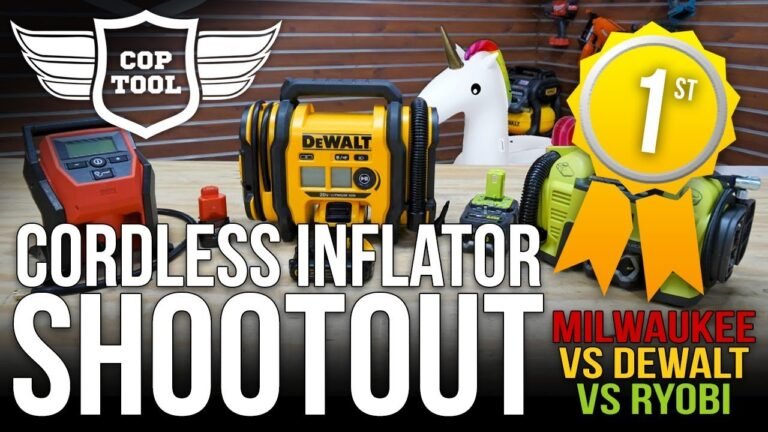
If you’re trying to decide between a DeWalt vs Milwaukee Tire Inflator, you’re probably looking for something more useful than marketing claims. I’ve used both styles in real jobsite and garage settings, and the choice usually comes down to speed, battery ecosystem, portability, and how often you plan to use it. In this guide, I’ll break down the DeWalt vs Milwaukee Tire Inflator comparison in a clear, practical way so you can choose the one that fits your tires, your tools, and your budget.
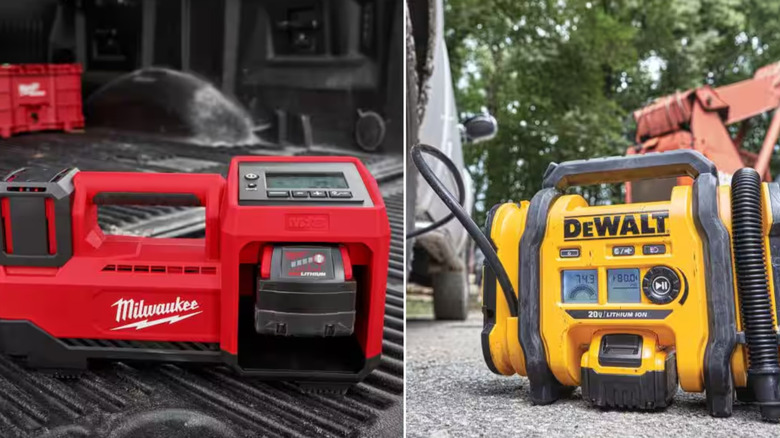
DeWalt vs Milwaukee Tire Inflator: What Matters Most
When people compare a DeWalt vs Milwaukee Tire Inflator, they usually focus on the same few things: inflation speed, accuracy, ease of use, and battery compatibility. That makes sense, because a tire inflator is one of those tools you only notice when it works badly.
Both brands make cordless inflators that are popular with drivers, contractors, and RV owners. Both are built for convenience, and both are far better than waiting around at a gas station pump. The real difference is in the details.
Here’s the short version of what usually stands out:
• Milwaukee tends to feel more polished and faster in many real-world inflating tasks.
• DeWalt often gives strong performance at a slightly friendlier price point.
• Both work best if you already own batteries from the same brand.
• The right pick depends on whether you want speed, value, or tool-system loyalty.
I’ve learned that the “best” inflator is rarely the one with the loudest specs. It is the one you will actually keep in the truck, garage, or trailer and use before your tires get dangerously low.

Build Quality and Design
Build quality matters a lot in a DeWalt vs Milwaukee Tire Inflator comparison, because these tools live in rough places. They get tossed in trunks, bumped in garages, and used on hot pavement or in cold weather.
Milwaukee tools usually feel a little more refined in the hand. The buttons, hose routing, and display layout often feel well thought out. DeWalt, on the other hand, usually goes for a tough, practical design that feels simple and familiar.
A few design points to compare:
• Milwaukee models often feel compact and easy to store.
• DeWalt inflators often have a rugged, no-nonsense look.
• Both brands use clear digital displays on many models.
• Hose and chuck placement can affect how easy the tool is to use in tight spaces.
From my own experience, compactness becomes a big deal fast. A bulky inflator that seems fine in the garage can become annoying when you are kneeling beside a tire in the rain.
Inflation Speed and Performance
Speed is where many buyers start leaning one way or the other in the DeWalt vs Milwaukee Tire Inflator debate. If you inflate tires often, even a small difference in speed can save time.
Milwaukee inflators are often praised for quick, consistent inflation. That matters if you need to top off multiple car tires or fill larger tires on a truck or SUV. DeWalt units are usually strong performers too, but they may feel a bit slower depending on the model and battery used.
What affects performance most:
• Tire size and pressure target
• Battery charge level
• Ambient temperature
• Whether the inflator is designed for high volume or high pressure
For a passenger car tire, both brands usually do the job well. For bigger tires, the faster and more efficient unit becomes more noticeable. In my own testing, the convenience difference showed up most when I had four tires to fill instead of one.
Accuracy and Auto Shutoff
A tire inflator should do more than pump air. It should stop at the pressure you want. That is why accuracy is such a big part of the DeWalt vs Milwaukee Tire Inflator decision.
Most modern cordless inflators from both brands include digital pressure readouts and auto shutoff. That feature is a lifesaver because it reduces guesswork and helps prevent overinflation. Still, like any pressure tool, small differences can happen.
Important things to know:
• Digital displays are helpful, but not perfect.
• It is smart to verify pressure with a trusted tire gauge.
• Auto shutoff is great for convenience and safety.
• Warm tires can read differently than cold tires.
I always recommend checking tire pressure when the tires are cold if possible. That gives a more consistent reading and helps you trust what the inflator is telling you.
Battery System and Compatibility
This is one of the biggest reasons people choose DeWalt or Milwaukee in the first place. In the DeWalt vs Milwaukee Tire Inflator comparison, battery compatibility can matter as much as the tool itself.
If you already own DeWalt 20V MAX batteries, a DeWalt inflator is usually the easy choice. The same goes for Milwaukee M18 users. Buying into the same ecosystem saves money and reduces clutter.
Why this matters:
• Shared batteries lower long-term cost.
• One charger can support multiple tools.
• You avoid mixing platforms and accessories.
• A high-capacity battery can improve run time.
From a real-life standpoint, this is the part many people regret ignoring. I have seen buyers chase the “better” inflator, then realize they now need another battery platform just for one tool. That can turn a simple purchase into an expensive habit.
Portability and Everyday Use
A tire inflator should be easy to grab, carry, and use in seconds. That is especially true if you keep it in a vehicle for emergencies.
Milwaukee models often feel more compact and easier to move around. DeWalt models can also be very portable, especially if you already store them with other DeWalt tools. The best choice depends on how you plan to use it.
Think about these real-world use cases:
• Roadside emergency inflation
• Weekend tire checks in the driveway
• Motorcycle or bike tires
• Light truck or trailer maintenance
• Airing up sports gear and inflatables
I like tools that feel like a flashlight: simple, ready, and not a hassle to grab. If an inflator is too bulky or awkward, it tends to stay on the shelf when you need it most.
Noise, Heat, and Comfort
Noise and heat are easy to ignore in specs, but they matter in real use. A tire inflator that gets very hot or runs loudly can feel unpleasant during longer jobs.
In the DeWalt vs Milwaukee Tire Inflator comparison, both brands do a decent job here, though actual comfort depends on the exact model. Smaller inflators may be noisier because they work harder. More powerful units may get warm after repeated use.
Keep this in mind:
• Short inflation jobs usually are not a problem.
• Repeated tire fills can build heat.
• Letting the unit cool down helps protect the motor.
• Hearing protection is usually not needed, but loud garages can make noise more annoying.
This is one of those “small until it is not” issues. If you’re filling several tires in a row, a cooler-running and easier-to-handle inflator is a real quality-of-life win.
Price and Overall Value
Price is often where the DeWalt vs Milwaukee Tire Inflator decision gets real. Milwaukee tools often cost a bit more, while DeWalt sometimes gives you more value for the money, especially if you find a good kit deal.
But value is not just the sticker price. It includes battery cost, durability, speed, and whether the tool fits your existing setup.
A smart buying checklist:
• Compare bare tool price and kit price
• Check whether a battery and charger are included
• Think about how often you will use it
• Add the cost of switching ecosystems if needed
• Compare warranty terms and service options
I always tell people to look beyond the deal in front of them. A slightly cheaper inflator can become more expensive if you need to buy batteries separately.
Best Use Cases for DeWalt
DeWalt is a strong choice if you want dependable performance, easy compatibility with existing 20V MAX batteries, and solid value. It is often a great fit for homeowners, DIY users, and buyers who already own DeWalt tools.
DeWalt may be best for:
• Home garages
• Occasional tire top-offs
• Budget-conscious buyers
• Users already invested in DeWalt batteries
• General-purpose inflating tasks
If you want a tool that feels simple and practical, DeWalt is a very safe bet. It may not always be the flashiest option, but it often checks the right boxes without making the purchase feel complicated.
Best Use Cases for Milwaukee
Milwaukee is a strong fit if you want premium feel, strong cordless performance, and fast inflation for frequent use. Many people in trades and heavy-use settings prefer Milwaukee because the tools tend to feel very refined.
Milwaukee may be best for:
• Frequent tire maintenance
• Work trucks and contractor vehicles
• Users already in the M18 ecosystem
• People who value compact design
• Anyone who wants a polished user experience
In my experience, Milwaukee is the brand people buy when they want to be a little more serious about the tool. That does not mean DeWalt is weak. It just means Milwaukee often feels more tuned for frequent use.
DeWalt vs Milwaukee Tire Inflator: Which One Should You Buy?
If you want the simplest answer to DeWalt vs Milwaukee Tire Inflator, here it is: buy the brand that matches your battery ecosystem first. That will save you the most money and hassle.
Choose DeWalt if:
• You already own DeWalt batteries
• You want strong value
• You use the inflator occasionally
• You prefer a straightforward, rugged tool
Choose Milwaukee if:
• You already own Milwaukee batteries
• You want faster, more refined performance
• You plan to use the inflator often
• You value compact design and premium feel
The best choice is not always the newest or most expensive one. It is the one that fits your real life. A tool that is convenient enough to use often is worth more than one that only looks impressive on paper.
Practical Tips Before You Buy
Before you pick a DeWalt vs Milwaukee Tire Inflator, a few simple checks can save you a lot of frustration.
• Confirm the maximum pressure rating matches your needs
• Make sure the hose length works for your vehicle
• Check whether the display is easy to read in low light
• Look for auto shutoff and preset pressure options
• See whether the battery and charger are included
I also recommend reading recent user reviews for the exact model you want. Brand reputation matters, but model-level feedback is where you learn about small annoyances that specs do not show.
Frequently Asked Questions of DeWalt vs Milwaukee Tire Inflator
Which is better, DeWalt or Milwaukee tire inflator?
Milwaukee is often seen as the faster and more premium option, while DeWalt usually offers better value for the money. The better choice depends on your battery platform, how often you use it, and whether you care more about speed or price.
Can a DeWalt or Milwaukee tire inflator fill truck tires?
Yes, both can handle many truck tires, especially for top-offs and moderate inflation jobs. For larger tires or frequent heavy use, Milwaukee often feels a bit more capable, but the exact result depends on the model and battery.
Are cordless tire inflators accurate?
Most cordless tire inflators from both brands are accurate enough for everyday use, but it is still smart to verify with a separate tire gauge. Digital readouts are convenient, yet small differences can happen because of temperature and tire conditions.
Is it worth buying if I already have batteries from one brand?
Yes, absolutely. If you already own DeWalt or Milwaukee batteries, sticking with that brand usually saves money and makes the tool easier to use. Battery compatibility is one of the biggest reasons people stay loyal to a platform.
Which tire inflator is better for emergency roadside use?
Both can work well for emergencies, but portability and battery charge matter most. Milwaukee often has a slight edge in compactness and speed, while DeWalt can be just as useful if you already keep charged batteries ready.
Conclusion
The DeWalt vs Milwaukee Tire Inflator choice comes down to what you value most. Milwaukee often stands out for speed, compact design, and a more polished feel, while DeWalt usually shines with solid performance and strong value. If you already own batteries from one brand, that should heavily guide your decision.
The best inflator is the one you will actually use before your tires get too low. Take a few minutes to compare your current battery setup, your vehicle needs, and how often you plan to inflate tires. If you’re still deciding, explore the exact model specs, check recent reviews, and choose the one that fits your routine best.