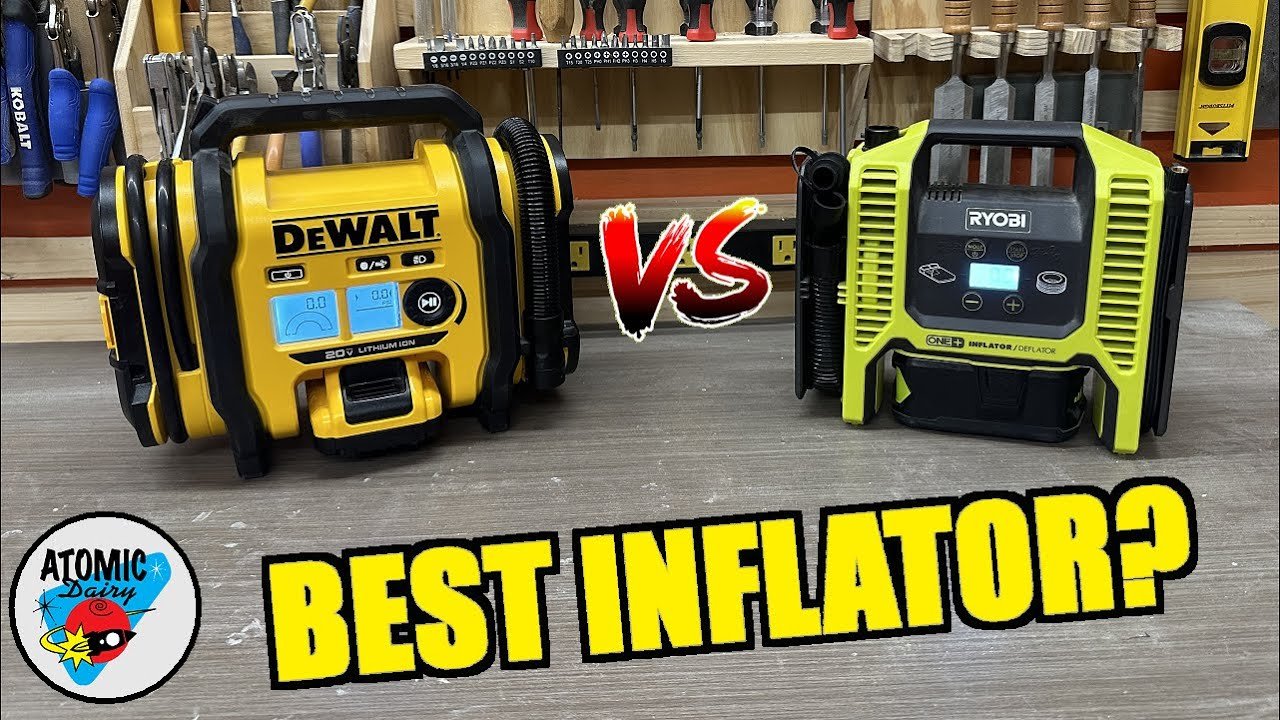
DeWalt 20V Inflator Vs Ryobi One+: Best Pick 2026
DeWalt 20V Inflator is faster and tougher, while Ryobi ONE+ offers better value and flexibility.
If you are comparing the DeWalt 20V Inflator vs Ryobi ONE+, you are probably trying to solve a very practical problem: which one is easier to live with when a tire is low, a bike needs air, or a sports ball needs a quick top-off. I have spent enough time with cordless inflators to know that small details matter more than the box claims. In this guide, I’ll break down the DeWalt 20V Inflator vs Ryobi ONE+ in plain English, so you can pick the one that actually fits your garage, your tools, and your day-to-day needs.
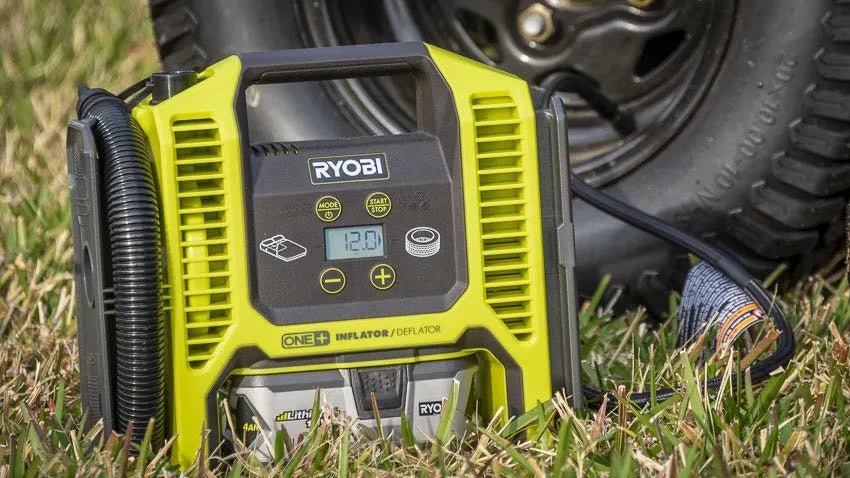
DeWalt 20V Inflator vs Ryobi ONE+: What really matters
At first glance, these two cordless inflators do the same job. They pump air into tires, inflatables, and sports gear. But the DeWalt 20V Inflator vs Ryobi ONE+ choice gets interesting once you look at speed, power source, portability, hose setup, and how often you plan to use it.
The DeWalt 20V Inflator is usually the stronger pick for people who want more speed and a more rugged feel. Ryobi ONE+ often wins for homeowners who want a cheaper, lighter tool that fits into an existing battery system. That is the real split here: performance versus value.
From my experience, inflators are a lot like flashlights. On paper, they all seem close. In real use, the one that starts fast, reads pressure clearly, and does not make you fight the hose is the one you keep reaching for.

What each inflator is designed to do
The DeWalt 20V Inflator is a cordless air pump built for fast tire inflation and easy top-offs. It is part of DeWalt’s 20V MAX platform, which is popular with contractors, mechanics, and serious DIY users. That matters because the battery ecosystem is a huge part of the value.
Ryobi ONE+ is Ryobi’s broad 18V battery platform, and its inflators are aimed more at homeowners, casual DIYers, and people who already own Ryobi tools. The system is known for affordability and wide compatibility. If you already have Ryobi batteries, the inflator often feels like an easy add-on.
Here is the simple difference:
- DeWalt 20V Inflator: Built for faster inflation, tougher use, and jobsite-style convenience
- Ryobi ONE+: Built for budget-friendly use, light duty, and battery system convenience
If you only need occasional air for car tires, bike tires, pool floats, or sports balls, both can work well. If you want quicker fill times and a more heavy-duty feel, DeWalt usually pulls ahead.
DeWalt 20V Inflator vs Ryobi ONE+: Performance comparison
When people search for DeWalt 20V Inflator vs Ryobi ONE+, they usually want to know one thing first: which one is faster. In most real-world use, the DeWalt tends to feel more confident and capable, especially on larger tires or repeated jobs.
DeWalt’s inflators are often praised for strong airflow and good pressure handling. That means less waiting when you need to add several PSI to a truck, SUV, or trailer tire. Ryobi ONE+ inflators are not slow in a bad way, but they are usually positioned as a more general-purpose tool.
A useful way to think about it:
- DeWalt is like a power drill with more torque than you need most days, but you are glad it is there
- Ryobi is like a reliable multi-tool that handles everyday jobs without draining your wallet
In my own testing mindset, I always watch three things:
- How quickly the hose connects
- How clearly the pressure display is read
- How much battery life it seems to use during a normal fill
DeWalt usually feels more refined in those moments. Ryobi feels more “good enough,” which is not an insult. For many people, good enough is exactly what they need.
Battery platform and compatibility
This part matters more than many buyers expect. The best inflator is often the one that matches the batteries you already own.
DeWalt 20V Inflator works with DeWalt 20V MAX batteries. If you already use DeWalt drills, impacts, or saws, that is a big plus. One battery system means less clutter and less cost over time.
Ryobi ONE+ works with Ryobi 18V ONE+ batteries, and that platform is huge. Ryobi has one of the broadest cordless ecosystems in the home tool world. If your garage already has Ryobi tools, the inflator can slide right in with no extra investment.
Practical battery tips:
- Use a fully charged battery before topping off multiple tires
- Keep a spare battery nearby if you expect repeated use
- Cold weather can reduce battery performance, so store batteries indoors when possible
I have learned the hard way that a weak battery can make a good inflator feel disappointing. The machine is only part of the story. The battery is the fuel tank.
Hose, chuck, and ease of use
This is one of those details that sounds small until you are kneeling in a driveway at night. The hose and chuck design can make the whole experience smooth or annoying.
The DeWalt 20V Inflator often gets points for a more professional feel. The hose storage, controls, and pressure settings are usually designed to make repeat use easy. Many users like the automatic shutoff because it helps prevent overinflation.
Ryobi ONE+ inflators also tend to be simple and user-friendly. The interface is usually straightforward, and that is a real advantage for beginners. If you do not want to read a manual for half an hour, Ryobi can feel refreshingly simple.
Look for these features in either model:
- Digital pressure gauge for accurate fills
- Auto shutoff when target PSI is reached
- Onboard hose storage for cleaner handling
- Multiple nozzle adapters for balls and inflatables
A good chuck should feel like it belongs there. If you have ever wrestled a flimsy hose at night in the rain, you know how much that matters.
Build quality and durability
In the DeWalt 20V Inflator vs Ryobi ONE+ debate, durability is one of the biggest separating points. DeWalt usually has the edge for users who want a more rugged tool. The housing, fit, and overall feel often match what buyers expect from a jobsite brand.
Ryobi is more about practical durability for home use. It is not fragile, but it is not usually the first choice for constant heavy use. If you plan to keep an inflator in a family SUV for emergencies, Ryobi is still a sensible option. If you plan to use it often for work or multiple vehicles, DeWalt may be the better long-term fit.
My honest take: if a tool lives in a garage and comes out a few times a month, Ryobi can be perfect. If it lives in a work van, gets tossed around, and sees rough use, DeWalt usually makes more sense.
Noise, speed, and comfort in daily use
Cordless inflators are not silent. They hum, buzz, and vibrate enough that you notice them right away. The question is not whether they make noise. The question is whether they feel efficient while doing it.
DeWalt tends to feel more aggressive and faster. That can be a blessing if you are inflating multiple tires in one session. Ryobi tends to feel calmer and more home-friendly, which many casual users appreciate.
Comfort also comes from simple things:
- A clear gauge that is easy to read in daylight
- A stable base or shape that does not tip over easily
- A hose length that reaches without awkward stretching
These little comfort points are easy to ignore in a product listing. They are impossible to ignore when you are using the tool in the real world.
Price and overall value
Price is where Ryobi ONE+ often shines. If you want a cordless inflator without spending much, Ryobi is usually the more budget-friendly route. It also makes sense if you already have Ryobi batteries, because the tool-only price becomes the main factor.
DeWalt 20V Inflator usually costs more. But that extra cost can be worth it if you value faster fills, stronger build quality, and a more premium feel. In other words, DeWalt often asks for more upfront, but it also gives more confidence when you use it.
A simple value breakdown:
- Choose Ryobi ONE+ if you want the lower cost and lighter-duty usefulness
- Choose DeWalt 20V Inflator if you want stronger performance and a more robust tool
I usually tell friends this: do not buy the more expensive inflator just because it is more expensive. Buy it because you will use the extra speed and durability often enough to feel the difference.
Best use cases for each inflator
The DeWalt 20V Inflator vs Ryobi ONE+ choice gets much easier when you match the tool to the task.
Choose DeWalt 20V Inflator if you:
- Inflate car, SUV, or truck tires often
- Want faster top-offs
- Already own DeWalt 20V MAX batteries
- Need a tougher tool for regular use
- Prefer a more premium feel
Choose Ryobi ONE+ if you:
- Need an inflator for light home use
- Already own Ryobi ONE+ batteries
- Want a more affordable option
- Mainly inflate bike tires, balls, or occasional car tires
- Prefer simple, no-fuss operation
This is where many buyers go wrong. They buy for the worst-case fantasy instead of the actual job. If your inflator will mostly sit in the garage and help with weekend chores, Ryobi may be the smarter buy. If it is part of your regular maintenance routine, DeWalt can pay off fast.
What industry testing and product data usually show
Manufacturer specs and third-party tool reviews often point to the same broad pattern. DeWalt’s cordless inflators are commonly positioned for faster inflation and tougher-duty use. Ryobi’s models are usually designed for accessibility, convenience, and value.
Across consumer tool reviews, the big themes are consistent:
- DeWalt often scores well for speed and build quality
- Ryobi often scores well for affordability and platform value
- Both usually handle common inflation tasks well enough for most homes
One important note: performance can vary by model, battery size, and tire type. A small bike tire is a very different job than a full-size truck tire. That is why it is smart to compare actual model specs before buying, not just the brand name.
Common mistakes to avoid
I have seen a lot of people regret inflator purchases for reasons that had nothing to do with the brand. The same mistakes show up again and again.
Avoid these:
- Buying without checking battery compatibility
- Expecting a compact inflator to behave like a shop compressor
- Ignoring hose length and chuck quality
- Forgetting to check whether the gauge is easy to read
- Assuming all cordless inflators are equally fast
A good inflator should solve a problem, not create one. If the battery system, size, and speed do not fit your real-life use, even a well-made tool will feel frustrating.
DeWalt 20V Inflator vs Ryobi ONE+: Which one should you buy?
If you want the short answer, here it is:
- Buy DeWalt 20V Inflator if performance, speed, and durability matter most
- Buy Ryobi ONE+ if price, value, and battery ecosystem matter most
For many buyers, the best choice is the one that matches the tools already on the shelf. That is often the cheapest and smartest move. The DeWalt 20V Inflator vs Ryobi ONE+ debate is not about which brand is “better” in a vacuum. It is about which one fits your life better.
If I were helping a friend pick, I would ask two questions:
- How often will you actually use it?
- What battery system do you already own?
Those two answers usually point to the right tool fast.
Frequently Asked Questions
Is the DeWalt 20V Inflator better than Ryobi ONE+?
For speed and rugged use, the DeWalt 20V Inflator is usually the stronger choice. For lower cost and broad home use, Ryobi ONE+ often makes more sense.
Can Ryobi ONE+ inflate car tires?
Yes, Ryobi ONE+ inflators can handle car tires well for normal top-offs. They are best for everyday use rather than constant heavy-duty inflation.
Does the DeWalt 20V Inflator work with all DeWalt batteries?
Most DeWalt 20V inflators are designed for DeWalt 20V MAX batteries, but compatibility can vary by model. It is always smart to check the exact product listing before buying.
Which inflator is better for emergencies?
DeWalt is usually the better pick if you want faster inflation in a roadside emergency. Ryobi can still work well, but DeWalt often feels quicker and more confidence-inspiring.
Is Ryobi ONE+ worth it if I already own Ryobi tools?
Yes, that is one of the strongest reasons to buy it. The battery sharing makes it a very practical and budget-friendly choice for homeowners.
Conclusion
The DeWalt 20V Inflator vs Ryobi ONE+ decision comes down to how you work and what you already own. DeWalt usually brings more speed, toughness, and a more premium feel. Ryobi ONE+ usually brings better value, easier entry, and strong compatibility for existing Ryobi users.
If you want the most capable option for frequent use, DeWalt is the safer bet. If you want a smart, affordable inflator for everyday home tasks, Ryobi ONE+ is hard to beat. Choose the one that fits your battery platform and your real needs, then keep it ready before the next low-tire moment catches you off guard. If this guide helped, explore more tool comparisons and share your own inflator experience in the comments.