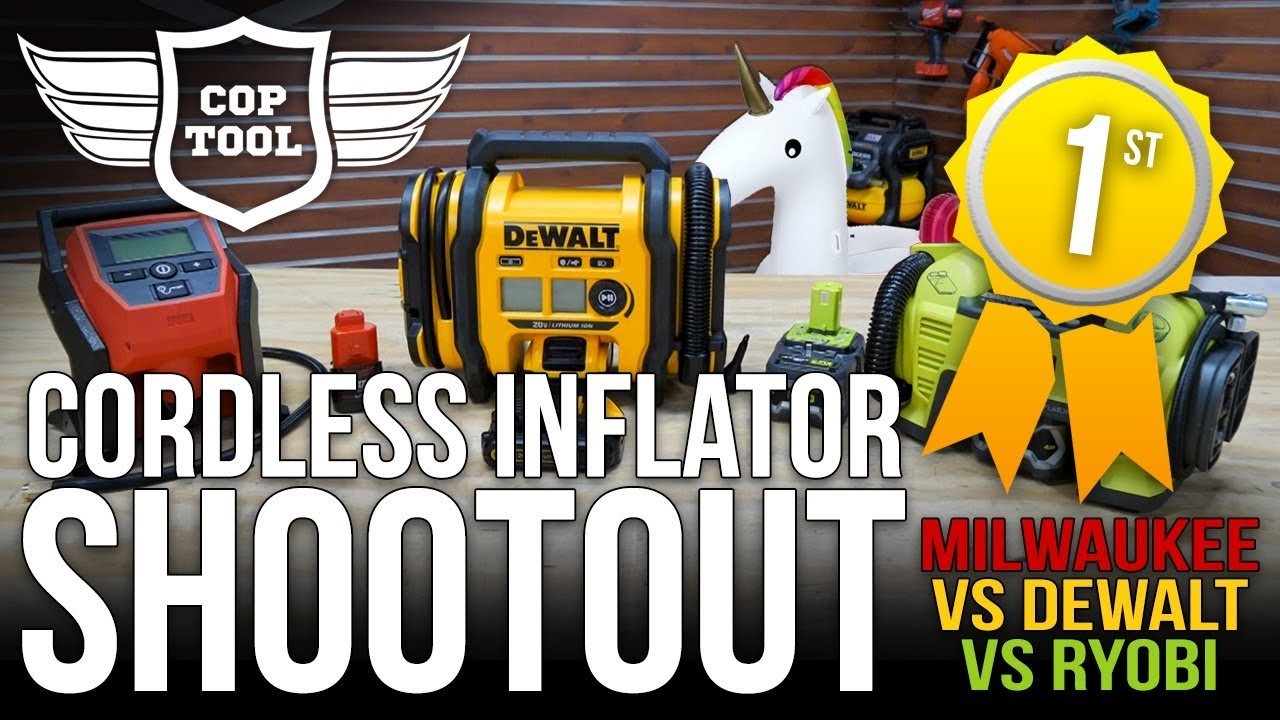
Ryobi Vs Dewalt Inflator: Best Pick For 2026
Ryobi is the better value for casual use, while DeWalt wins for power, durability, and pro-level reliability.
If you are comparing Ryobi vs DeWalt Inflator, you are probably trying to figure out which one fits your real life, not just a spec sheet. I’ve spent enough time with both brands to know this choice is less about hype and more about how often you inflate tires, how fast you need the job done, and whether you want a tool that feels like a weekend helper or a daily workhorse.
Ryobi vs DeWalt Inflator: What Matters Most
The Ryobi vs DeWalt Inflator debate usually comes down to three things: speed, portability, and long-term toughness. Ryobi tends to appeal to homeowners and DIY users who want a budget-friendly, easy-to-use inflator that gets the job done. DeWalt usually attracts people who want stronger performance, sturdier build quality, and better results under frequent use.
In simple terms, Ryobi is like a dependable compact car, while DeWalt feels more like a heavy-duty truck. Both can move you forward, but they are built for different kinds of roads.
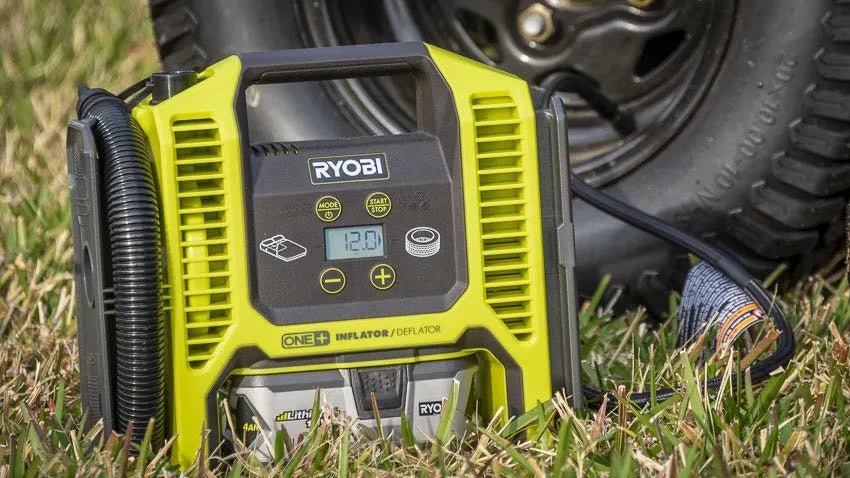
Quick Comparison of Ryobi vs DeWalt Inflator
Here’s the fast breakdown before we dig deeper:
- Ryobi inflators are usually more affordable and great for light to moderate use.
- DeWalt inflators often deliver faster inflation and feel more rugged.
- Ryobi is a smart pick if you already use the Ryobi ONE+ battery platform.
- DeWalt makes more sense if you want professional-grade performance and stronger construction.
- Both are useful for car tires, bikes, sports gear, and emergency roadside needs.
If you only need to top off tires every now and then, Ryobi can be enough. If you want faster fill times and a tool that feels ready for jobsite abuse, DeWalt has the edge. The Ryobi vs DeWalt Inflator decision is really about matching the tool to your lifestyle.
Build Quality and Durability
Build quality is one of the biggest reasons people lean toward DeWalt. DeWalt inflators usually feel more solid in the hand, with a design that seems made for repeated use. The housings, switches, and hose connections often give off a more rugged impression.
Ryobi tools are not flimsy, but they are generally aimed at value and convenience. In my experience, Ryobi inflators are fine for garages, trunks, and home use, but they do not always inspire the same confidence if you expect rough handling or constant use. That does not make them bad. It just means the Ryobi vs DeWalt Inflator comparison clearly favors DeWalt on durability.
A practical tip from real use:
- Store either inflator in a clean, dry place.
- Keep the hose from kinking.
- Avoid leaving batteries attached in extreme heat.
- Check the chuck and seals often so pressure loss does not fool you.
Those small habits extend the life of both tools more than most people realize.

Performance and Inflation Speed
Performance is where DeWalt often pulls ahead in the Ryobi vs DeWalt Inflator matchup. Many DeWalt inflators are designed to move air quickly and handle larger tires with less strain. That matters when you are inflating multiple tires or dealing with a low tire before work.
Ryobi inflators are usually slower, but they are still perfectly useful for routine tasks. If you are topping off sedan tires or filling a basketball, Ryobi is usually fine. If you are airing up truck tires, trailer tires, or several tires in a row, DeWalt often feels less tiring because it finishes faster.
Here is how I think about it:
- Ryobi works well for occasional, low-pressure jobs.
- DeWalt is better when speed matters.
- DeWalt tends to feel less like a chore on bigger inflation jobs.
- Ryobi is easier to justify if you do not use an inflator often.
The important thing is not just raw power. It is how much time and effort the tool saves you during a normal week.
Accuracy and Ease of Use
Both brands offer inflators with digital pressure displays, auto shutoff, and preset pressure features. That means you can set the target PSI and let the tool stop when it reaches the right number. For most users, that feature alone is a huge win because it reduces guesswork.
Ryobi inflators are often simple and beginner-friendly. They are easy to pick up, read, and use without much learning. DeWalt models often feel a bit more refined, especially if you want a more robust hose, clearer controls, or a better experience under repeat use.
A lesson I learned the hard way: do not trust any inflator blindly. Even good models should be checked against a separate tire gauge now and then. Small accuracy differences are common, and tires matter enough that a quick double-check is worth the extra minute.
Portability and Storage
If you care about portability, both brands do well, but in slightly different ways. Ryobi inflators are often compact and easy to toss in a trunk or shelf. That makes them great for drivers who want an emergency tool without taking up much space.
DeWalt inflators can be compact too, but some models feel a little bulkier because they are built for more demanding work. That extra size is often the tradeoff for stronger construction and performance. In the Ryobi vs DeWalt Inflator debate, portability is less about which one is lighter and more about how you plan to use it.
Good uses for a portable inflator include:
- Roadside tire checks
- Bike tire top-offs
- Sports balls
- Lawn equipment tires
- Inflatable pool gear
If your main goal is emergency convenience, Ryobi is often plenty. If your goal is dependable utility with a tougher feel, DeWalt makes a strong case.
Battery Platform and Tool Ecosystem
Battery ecosystem matters more than many shoppers expect. If you already own Ryobi ONE+ batteries, a Ryobi inflator can be a very smart buy because you avoid buying another battery system. That can save a lot of money over time.
DeWalt also benefits from its own large 20V MAX ecosystem, which is popular with contractors and serious DIY users. If you already have DeWalt tools, the inflator becomes an easy add-on that fits right in with your other gear. This is one of the biggest hidden factors in the Ryobi vs DeWalt Inflator decision.
Ask yourself:
- Do I already own batteries from one brand?
- Do I want one charging system for everything?
- Will I use this inflator as a standalone tool or part of a larger kit?
The right answer often depends on what is already sitting in your garage.
Best Use Cases for Ryobi
Ryobi makes the most sense for users who want solid value without paying for more tool than they need. It is a great choice for homeowners, occasional tire maintenance, and general household inflation tasks. If your main goal is convenience, Ryobi usually checks the right boxes.
Ryobi is a good fit if you:
- Need an inflator for occasional car tire top-offs
- Already own Ryobi batteries
- Want a lower-cost option
- Prefer simple tools with easy controls
- Do not need heavy-duty daily performance
I have seen plenty of people buy a more expensive inflator first, then realize they only use it a few times a month. For that kind of user, Ryobi is often the smarter and less stressful purchase.
Best Use Cases for DeWalt
DeWalt is the stronger pick if you want a tool that feels ready for tougher jobs. It is especially appealing for people who maintain multiple vehicles, do work in a garage or shop, or want the fastest inflation possible in a portable format. DeWalt usually feels more professional from the first pull of the trigger.
DeWalt is a good fit if you:
- Inflate tires often
- Need faster fill times
- Already use DeWalt batteries
- Want better durability
- Prefer a more premium tool feel
For me, DeWalt is the kind of inflator you appreciate more as time goes on. The first day you notice the speed. Months later, you notice that it still feels reliable and consistent.
Noise, Comfort, and Everyday Practicality
Inflators are not silent, and that is worth mentioning. Both Ryobi and DeWalt can be loud enough to wake the neighbors if used early in the morning. In general, DeWalt’s stronger performance can come with a slightly more aggressive sound, but the difference is not usually the deciding factor.
Comfort is more about hose flexibility, display visibility, and how easy it is to hold or place the unit while it runs. Ryobi often feels straightforward and light. DeWalt often feels sturdier and more stable. The better choice depends on whether you value lighter handling or stronger presence.
A practical tip:
- Keep the inflator on the ground when possible.
- Let the hose reach the valve without stretching.
- Use the built-in light, if available, for nighttime tire checks.
These small details make a bigger difference than most spec comparisons.
Price and Value
Price is where Ryobi shines in the Ryobi vs DeWalt Inflator conversation. Ryobi usually offers a lower entry point, which makes it attractive for budget-conscious buyers. If you only need basic performance, it gives you a lot of usefulness for the money.
DeWalt costs more, but many buyers feel the extra price is justified by better performance and better build quality. In my experience, value is not just the sticker price. It is how much frustration the tool saves you over the next few years.
Think of value this way:
- Ryobi gives you good value for light use and lower cost.
- DeWalt gives you better long-term value if you use the tool often.
- The cheapest tool is not always the least expensive over time.
- The best value is the one that actually fits your real workload.
Which One Is Better for Car Tires?
For car tires, both can work well, but DeWalt usually feels more efficient. If you regularly top off tires or deal with slightly low pressures in more than one vehicle, DeWalt makes the process faster and less annoying. That matters more than people think when you are standing in a driveway on a cold morning.
Ryobi still works fine for normal passenger vehicles, especially if you only need occasional maintenance. If you are patient and do not mind a slower fill, it is a good budget choice. The Ryobi vs DeWalt Inflator answer for car tires is simple: Ryobi is adequate, but DeWalt is better if speed and consistency matter.
Which One Is Better for Emergency Use?
For emergency roadside use, both are useful, but the better pick depends on your priorities. Ryobi is appealing if you want a light, simple tool that stays in the car and gets used rarely. DeWalt is better if you want faster inflation when a tire is very low and you do not want to waste time.
If I were packing a tool for peace of mind on a family road trip, I would lean toward the one that feels fastest and most dependable under pressure. That usually points to DeWalt. But if budget matters more and the inflator is only a backup, Ryobi is still a smart safety item.
What I Learned After Using Both
After using both brands, I learned that the “best” inflator is not always the most powerful one. Sometimes the best inflator is the one you will actually keep charged, grab quickly, and trust when you need it. That is why the Ryobi vs DeWalt Inflator choice is so personal.
My biggest mistakes were:
- Buying for specs instead of use case
- Forgetting to check battery compatibility
- Ignoring hose length until I needed to reach a rear tire
- Assuming all digital gauges are equally accurate
The best lesson was simple: buy for your life, not for a brag list. If you want a tool that disappears into your routine and just works, that is where satisfaction comes from.
Buying Tips Before You Choose
Before you decide between Ryobi vs DeWalt Inflator, ask a few honest questions. That small pause can save money and disappointment.
Use this checklist:
- How often will I use it?
- Do I already own batteries from one brand?
- Do I need speed or just convenience?
- Will it live in a garage, trunk, or jobsite?
- Is budget or durability more important?
Also check for:
- Auto shutoff
- PSI range
- Hose length
- Digital gauge clarity
- Battery and charger compatibility
If you answer these honestly, the right choice usually becomes obvious.
Frequently Asked Questions of Ryobi vs DeWalt Inflator
Is Ryobi or DeWalt better for home use?
Ryobi is usually better for basic home use because it is affordable and easy to handle. If you only inflate tires, bikes, or sports gear occasionally, it gives you plenty of value.
Which inflator is faster, Ryobi or DeWalt?
DeWalt is generally faster, especially on car tires and larger inflation jobs. That makes it a stronger option if you want less waiting and more efficiency.
Are Ryobi inflators accurate?
Ryobi inflators are usually accurate enough for everyday use, but like any digital tool, they should be checked from time to time. I always recommend comparing them with a separate tire gauge for peace of mind.
Do DeWalt inflators last longer than Ryobi inflators?
DeWalt inflators often feel more durable and are better suited for frequent use. Ryobi can still last a long time, but DeWalt usually has the edge in ruggedness and long-term confidence.
Which inflator is better for truck tires?
DeWalt is usually the better pick for truck tires because of its stronger performance and faster inflation. Ryobi can handle some truck use too, but it may feel slower for larger tires.
Is it worth paying more for DeWalt?
Yes, if you use the inflator often or want better build quality. If your use is light and occasional, Ryobi is often the better value and may be all you need.
Conclusion
The Ryobi vs DeWalt Inflator choice comes down to how you plan to use it, how often you need it, and how much performance matters in your day-to-day life. Ryobi is the practical pick for value, simple use, and light household needs. DeWalt is the stronger choice for speed, durability, and users who want a more professional feel.
If you want the smartest purchase, match the inflator to your real habits, not just the brand name on the box. That simple decision will save you money, time, and frustration. If this comparison helped, explore more tool reviews, share your own experience, or leave a comment with the inflator you trust most.