Viofo A229 Pro Vs Vantrue N4 Pro: Which Dash Cam Wins?
The Viofo A229 Pro offers sharper video, while the Vantrue N4 Pro wins for simple three-channel coverage.
Choosing between the Viofo A229 Pro vs Vantrue N4 Pro is not just a camera decision. It is a choice between stronger image detail, cabin coverage, parking protection, app control, and daily ease of use. After comparing their sensors, video modes, installation needs, and real-world strengths, this guide will help you pick the right dash cam for your car.
Viofo A229 Pro vs Vantrue N4 Pro: Quick Comparison
Both dash cams record the road in 4K, use Sony STARVIS 2 image sensors, support GPS, and offer parking surveillance with the right hardwire kit. They are premium models, but they take different approaches.
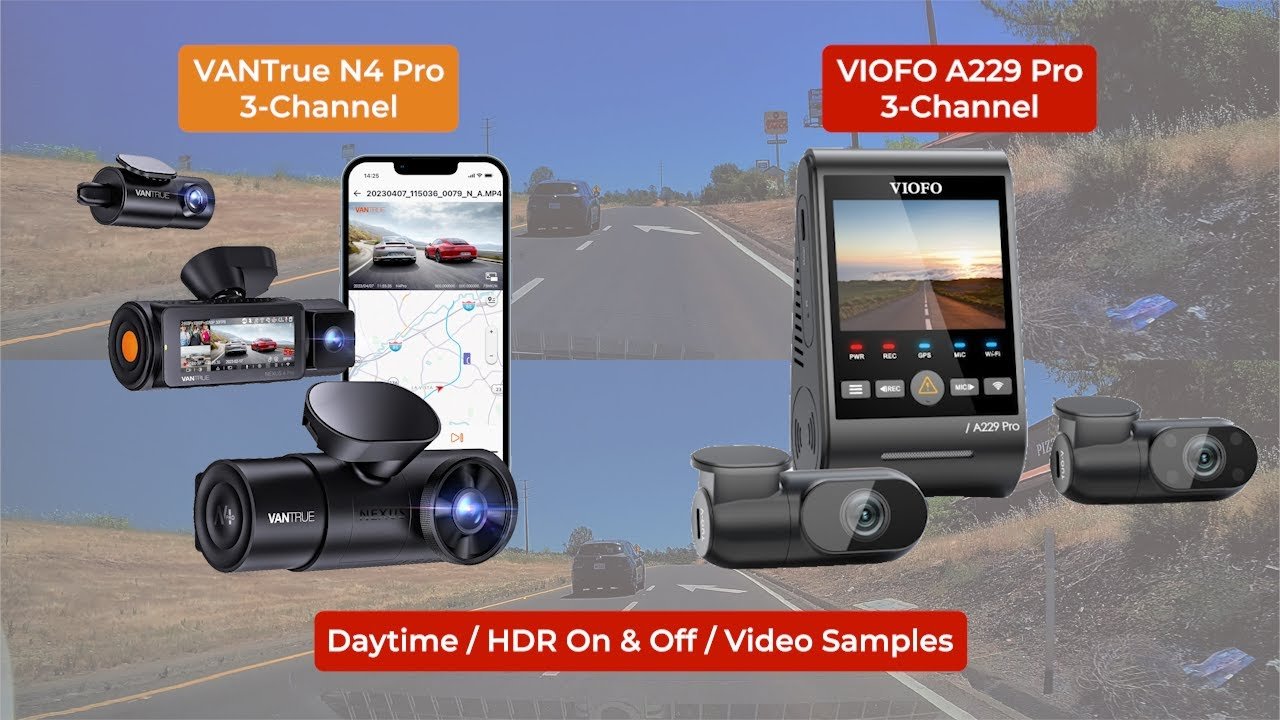
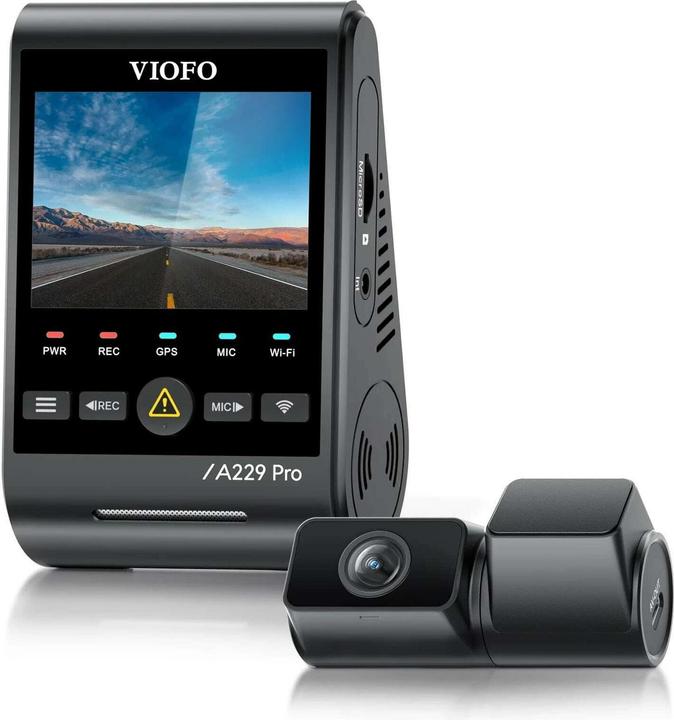
The Viofo A229 Pro focuses on high image quality and flexible camera choices. It is available as a two-channel or three-channel system. The Vantrue N4 Pro is built mainly as a three-channel dash cam for drivers who want front, rear, and cabin video in one package.
| Feature | Viofo A229 Pro | Vantrue N4 Pro |
|---|---|---|
| Front video | Up to 4K at 30 fps | Up to 4K at 30 fps |
| Rear video | Up to 2K at 30 fps | 1080p at 30 fps |
| Cabin video | 1080p on 3CH model | 1080p |
| Image sensor | Sony STARVIS 2 | Sony STARVIS 2 |
| GPS | Built in | Built in |
| Wi-Fi | 2.4 GHz and 5 GHz | Dual-band Wi-Fi on supported versions |
| HDR | Front and rear support | Front support, with model-dependent features |
| Parking mode | Buffered parking mode with hardwire kit | Parking mode with hardwire kit |
| Best for | Maximum detail and flexible setup | Complete three-view coverage |
| Main weakness | More complex setup on the 3CH version | Lower rear resolution |
The Viofo A229 Pro vs Vantrue N4 Pro comparison becomes clearer when you look beyond the shared 4K label. A 4K front camera does not mean every camera in the system records at 4K. Rear and cabin resolution can matter just as much after a crash.
Video Quality and Image Detail
Video quality is the most important part of any dash cam. A camera can have many smart features, but blurry plates or dark footage will limit its value when you need evidence.
Front camera performance
The Viofo A229 Pro and Vantrue N4 Pro both use a Sony STARVIS 2 IMX678 sensor in the front camera. This sensor is known for strong low-light performance and good detail in daytime scenes. Both cameras can record front video at 4K resolution, usually at 30 frames per second.
In clear daylight, both models can capture useful details such as road signs, lane markings, and nearby license plates. The Viofo A229 Pro often has a slight edge in overall tuning, especially when its HDR mode is enabled. HDR helps balance bright skies and dark roads, much like how your eyes adjust when you leave a dim garage and enter sunlight.
The Vantrue N4 Pro also produces sharp front footage. Its image can look bright and detailed, but exposure may vary based on the scene, firmware, and windshield conditions. A clean windshield and a well-placed camera matter more than many buyers expect.
Rear camera performance
This is where the Viofo A229 Pro vs Vantrue N4 Pro difference is easy to see.
The A229 Pro rear camera can record at up to 2K resolution. The N4 Pro rear camera records at 1080p. Full HD is still useful, but 2K gives the Viofo more pixels to work with. That extra detail may help when a vehicle follows too closely or when an incident happens behind you.
The rear camera should sit near the center of the rear glass. Avoid placing it behind a dark tint band, defroster line, or built-in antenna. These can reduce clarity and create glare.
Cabin camera performance
Both systems offer an interior camera for rideshare drivers, families, and anyone who wants a record of the cabin. The Vantrue N4 Pro has a strong cabin-focused design, with infrared lights that help record passengers at night.
The three-channel Viofo A229 Pro also records the cabin in 1080p. Its interior camera is practical, but the exact viewing angle and placement depend on the version and installation. If you regularly carry passengers, check that the lens covers both the front seats and the second row.
For pure image quality, the Viofo A229 Pro leads at the rear. For a ready-made three-camera layout, the Vantrue N4 Pro remains very convenient.
Night Recording and HDR
Night recording is where cheap dash cams often fail. Headlights can wash out plates, streetlights can create glare, and dark roads can hide important details.
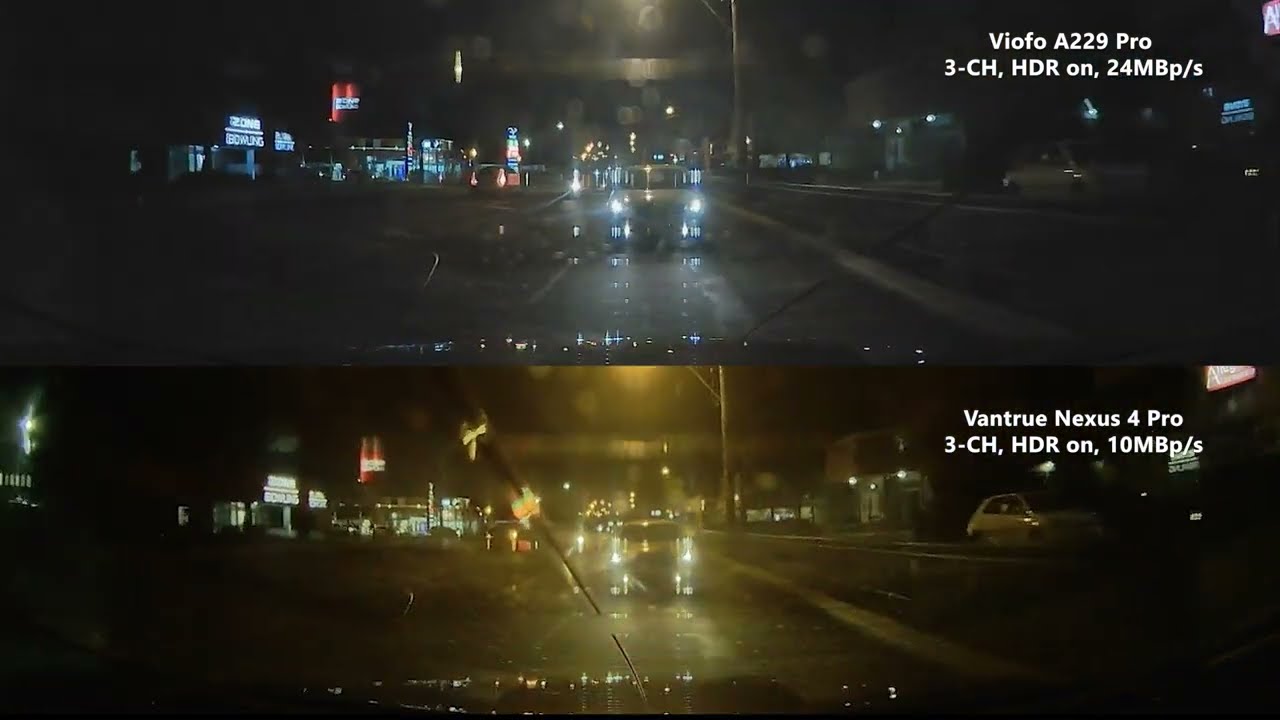
The Sony STARVIS 2 sensors in both cameras help them record better night footage than older STARVIS models. The front cameras are especially capable on streets with some lighting. They can preserve more shadow detail without making the whole image look muddy.
HDR can improve footage when a bright headlight sits beside a dark background. However, HDR is not magic. A plate moving quickly through a dark scene may still blur. Driving speed, lens focus, glass tint, and exposure settings all affect the result.
The Viofo A229 Pro usually gives users more control over image settings. That can help experienced owners fine-tune exposure and sharpness. The Vantrue N4 Pro is simpler for users who want to install it and let it record.
A circular polarizing lens can reduce dashboard reflections and windshield glare. It may improve daytime footage, but it can also make the image darker at night. If you use one, adjust it in daylight and test night footage before leaving it installed.
The Viofo A229 Pro vs Vantrue N4 Pro night comparison is close in the front view. The Viofo has an advantage in rear detail, while the Vantrue offers strong cabin visibility in dark conditions.
Three-Channel Coverage and Camera Layout
Three-channel recording means the dash cam records three areas at once:
• The road ahead
• The road behind
• The vehicle interior
The Vantrue N4 Pro is designed around this layout. It suits rideshare drivers, taxi operators, delivery workers, and families who want a full record of the vehicle.
The Viofo A229 Pro is more flexible because buyers can choose a two-channel model or a three-channel model. The two-channel version records the front and rear, while the three-channel version adds the cabin camera.
This flexibility is helpful if you do not need interior recording. A two-channel setup uses fewer cables and creates less clutter. It also reduces the time needed to install the system.
The Vantrue N4 Pro can be the better choice when interior video is a daily need. Its cabin camera is easy to understand and useful for recording conversations, passenger behavior, and events inside the car.
One practical issue is cable routing. A three-channel system requires more wire management. Run cables behind the headliner and door seals, but do not place them near airbags. Curtain airbags can deploy along the roof edge, so poor cable placement can create a safety risk.

Parking Mode and Security Features
A dash cam protects more than your drive. Parking mode can record when your car is parked and unattended, which is useful after a hit in a parking lot or driveway.
Both the Viofo A229 Pro and Vantrue N4 Pro support parking surveillance. To use low-voltage protection and buffered recording correctly, you normally need a compatible hardwire kit. The kit connects to the vehicle fuse box and lets the camera switch between driving and parking modes.
Buffered parking mode can save a short period before and after an impact or motion event. That matters because an impact may happen before the sensor triggers. Without buffered recording, you might only see the vehicle leaving the scene.
Common parking modes include:
• Auto event detection, which records when motion or impact is detected
• Time-lapse recording, which captures the scene at set intervals
• Low-bitrate recording, which records continuously while using less storage
The Viofo A229 Pro generally gives users detailed parking mode choices. The Vantrue N4 Pro also offers useful parking tools, but the exact behavior can depend on the hardwire kit and firmware.
Neither camera should be treated as a complete security system. A dash cam may miss activity outside its viewing angle. Extreme heat, a weak battery, poor wiring, or a full memory card can also reduce protection.
App, Wi-Fi, GPS, and Daily Use
A good phone app can save time when you need to find a clip. Both cameras use Wi-Fi to transfer videos to a smartphone without removing the memory card.
The Viofo A229 Pro supports 2.4 GHz and 5 GHz Wi-Fi. The 5 GHz band can transfer large 4K files faster at close range. The Viofo app also gives users access to settings, live view, downloads, and firmware updates.
The Vantrue N4 Pro also supports wireless file access on compatible versions. Its app is useful for reviewing and saving footage, although the experience can vary with phone type, app updates, and network conditions.
Wi-Fi on a dash cam is not the same as internet access. Your phone connects directly to the camera. You may need to disconnect from mobile data or another Wi-Fi network during the transfer.
Built-in GPS records speed and location data. GPS can help confirm where an event happened, but it can also reveal your speed. If you share footage online, check for personal information before uploading it.
Voice control is another Vantrue feature that may appeal to drivers. It can help with simple commands without reaching toward the camera. Still, voice control is not essential. A well-placed physical button remains useful when the road is loud or the microphone misses a command.

Installation, Storage, and Reliability
Both dash cams use microSD cards, and 4K video creates large files. Use a high-endurance card designed for continuous recording. Standard low-cost cards may fail sooner under constant heat and repeated writing.
For the best results:
• Choose a high-endurance microSD card from a trusted brand
• Format the card in the camera on a regular schedule
• Replace the card when errors or missing clips appear
• Keep the camera firmware current
• Use the correct power cable and hardwire kit
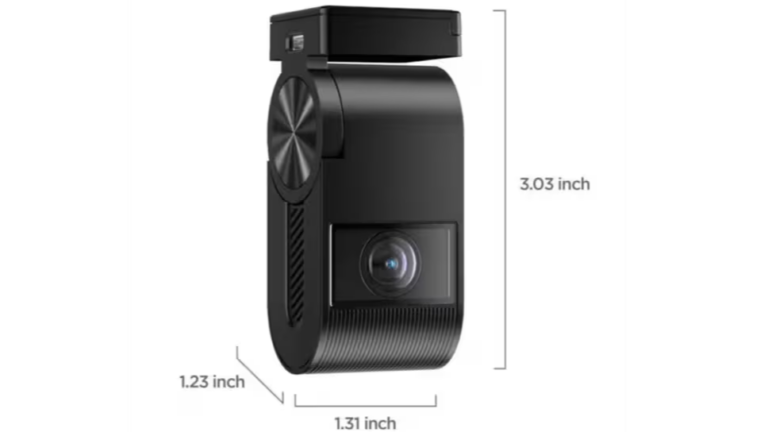
The Viofo A229 Pro uses a compact main camera with a separate rear camera. The Vantrue N4 Pro has a larger body because it includes the cabin lens in the main unit. Measure the space around your rearview mirror before buying either model.
A supercapacitor helps the camera shut down safely during heat or cold. It does not provide long-term power after the vehicle turns off. Parking recording still depends on the car battery or a dedicated external power source.
Heat is a common cause of dash cam trouble. Do not leave a loose memory card, power bank, or camera mount in direct sunlight. Install the camera where it has a clear view but does not block the driver’s sightline.
In my comparison workflow, the most common setup mistake is not the camera itself. It is poor cable routing, an incorrect memory card, or skipping the first test drive. Record a short trip, review front and rear footage, and confirm that the date, time, GPS, and audio settings work before relying on the camera.
Viofo A229 Pro vs Vantrue N4 Pro: Which One Should You Buy?
The right choice depends on what you value most.
Choose the Viofo A229 Pro if:
• You want higher rear resolution
• You prefer more control over video settings
• You want a two-channel or three-channel option
• You care about strong HDR performance
• You plan to use the camera for frequent road trips
• You want dual-band Wi-Fi and a detailed settings menu
Choose the Vantrue N4 Pro if:
• You want front, rear, and cabin recording as the main setup
• You drive for rideshare or delivery work
• You want a strong infrared cabin view at night
• You prefer a simple all-in-one three-channel design
• You value voice control for basic commands
The Viofo A229 Pro vs Vantrue N4 Pro decision is less about which camera is universally best. It is about which weakness you can accept. The Viofo asks for a little more planning but gives stronger rear footage and flexible configurations. The Vantrue is a natural fit for drivers who need cabin recording every day.
Before ordering, confirm the exact package. Some bundles include a polarizing filter, memory card, or hardwire kit, while others sell these accessories separately. Package names and included items can change by retailer and region.

Important Limitations to Consider
No dash cam can guarantee that a license plate will be readable in every crash. Fast motion, rain, glare, low light, and dirty glass can defeat even a high-end sensor.
The 4K label also needs context. The front camera may record in 4K, while the rear and interior cameras use lower resolutions. This is normal for multi-camera systems, but buyers should compare each lens instead of focusing only on the front camera.
Cloud access is another possible misunderstanding. These cameras mainly use local memory and direct Wi-Fi. They are not the same as a camera with a built-in cellular connection and remote live viewing from anywhere.
Privacy laws can also matter. Audio recording and cabin video rules vary by state and situation. If you drive passengers for work, inform them when required and check local regulations before using interior audio.
These limits do not make either model a poor choice. They simply show why proper installation, regular testing, and realistic expectations matter as much as the camera specifications.
Frequently Asked Questions About Viofo A229 Pro vs Vantrue N4 Pro
Is the Viofo A229 Pro better than the Vantrue N4 Pro?
The Viofo A229 Pro is better for higher rear resolution, flexible camera options, and detailed image control. The Vantrue N4 Pro is better for drivers who want a simple three-channel system with strong cabin coverage.
Does the Viofo A229 Pro record in 4K?
Yes, the front camera can record in 4K at 30 frames per second. The rear and interior cameras use lower resolutions, depending on whether you select the two-channel or three-channel version.
Does the Vantrue N4 Pro have a cabin camera?
Yes, the Vantrue N4 Pro includes a cabin camera as part of its three-channel design. Its infrared lighting helps record the interior when the vehicle is dark.
Which dash cam has better rear video?
The Viofo A229 Pro has the stronger rear camera because it can record at up to 2K resolution. The Vantrue N4 Pro rear camera records at 1080p, which remains useful but captures less detail.
Do both cameras support parking mode?
Yes, both support parking recording when paired with a compatible hardwire kit. The kit provides power after the ignition is off and helps protect the vehicle battery with low-voltage monitoring.
Do these dash cams include GPS?
Yes, both the Viofo A229 Pro and Vantrue N4 Pro include GPS. GPS can record location and speed data in the video file, depending on the selected settings.
Can I use any microSD card with these cameras?
You should use a high-endurance microSD card that is rated for continuous video recording. A low-quality card may cause dropped clips, recording errors, or premature failure.
Conclusion
The Viofo A229 Pro vs Vantrue N4 Pro comparison comes down to priorities. The Viofo A229 Pro offers sharper rear video, strong front footage, flexible two-channel and three-channel options, and more control for careful users. The Vantrue N4 Pro offers an easy three-channel setup with useful cabin coverage and strong night visibility inside the car.
For most private drivers, the Viofo A229 Pro is the better choice when rear detail and image quality matter most. For rideshare drivers and anyone who needs constant cabin recording, the Vantrue N4 Pro may be the more practical fit.
Whichever model you choose, install it safely, use a high-endurance memory card, test every camera, and add a proper hardwire kit for parking mode. Compare current bundles, check local recording laws, and share your experience after choosing your dash cam.