Schumacher Vs CTEK: Which Battery Charger Wins?
Schumacher offers strong value and power, while CTEK delivers refined charging, smart safety, and premium battery care.
Choosing between Schumacher vs CTEK is not as simple as picking the cheapest charger. Both brands make battery chargers, maintainers, and jump starters for cars, trucks, motorcycles, boats, and other vehicles. Yet they serve different needs.
Schumacher often stands out for power, broad model choice, and lower prices. CTEK focuses on smooth charging, long-term battery maintenance, compact design, and advanced protection. This guide compares Schumacher vs CTEK by charging speed, battery type, safety, ease of use, price, durability, and real-world value.
Schumacher vs CTEK: Quick Comparison
Schumacher and CTEK both make reliable battery chargers, but their design goals differ.
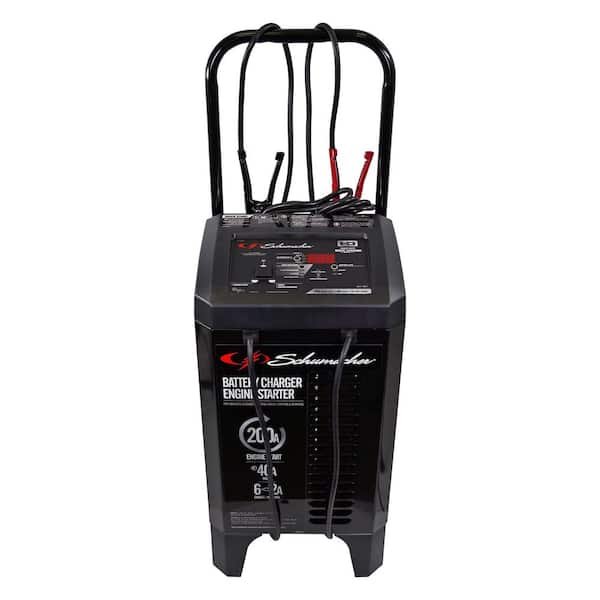
Schumacher tends to offer more high-output chargers. Many models include engine-start assistance, manual charging modes, and support for larger batteries. This makes Schumacher attractive to drivers who want one tool for charging and emergency help.
CTEK focuses more on automatic battery care. Its chargers often use multi-step programs that charge, test, condition, and maintain a battery. CTEK products are popular with owners of classic cars, motorcycles, performance vehicles, and seasonal vehicles.
| Feature | Schumacher | CTEK |
|---|---|---|
| Main strength | Power and value | Battery care and refinement |
| Typical price | Low to mid-range | Mid to high-range |
| Best use | Cars, trucks, SUVs, and emergency charging | Long-term maintenance and careful charging |
| Engine start support | Available on many models | Less common |
| Motorcycle use | Available, depending on model | Excellent on many compact models |
| Lithium support | Model-specific | Model-specific |
| User experience | More features and settings | Simple automatic operation |
| Warranty and support | Varies by model | Varies by region and model |
The most important lesson in Schumacher vs CTEK is this: compare individual models, not only brand names. A basic Schumacher charger may differ greatly from a professional Schumacher unit. The same is true for a small CTEK maintainer compared with a larger CTEK charger.
Schumacher Battery Chargers: Strengths and Weaknesses
Schumacher has a long history in automotive battery equipment. Its product line includes trickle chargers, automatic chargers, jump starters, portable power units, and shop-style charging systems.
One major Schumacher advantage is output. Some chargers provide enough current for larger automotive batteries and light trucks. Certain models also include engine-start assistance, which can help when a vehicle battery is too weak to crank the engine.
Key Schumacher benefits
• Strong value for the price
• Many charging amperage options
• Models for cars, trucks, SUVs, boats, and recreational vehicles
• Engine-start support on selected units
• Manual and automatic charging choices
• Wide availability at auto parts stores and online retailers
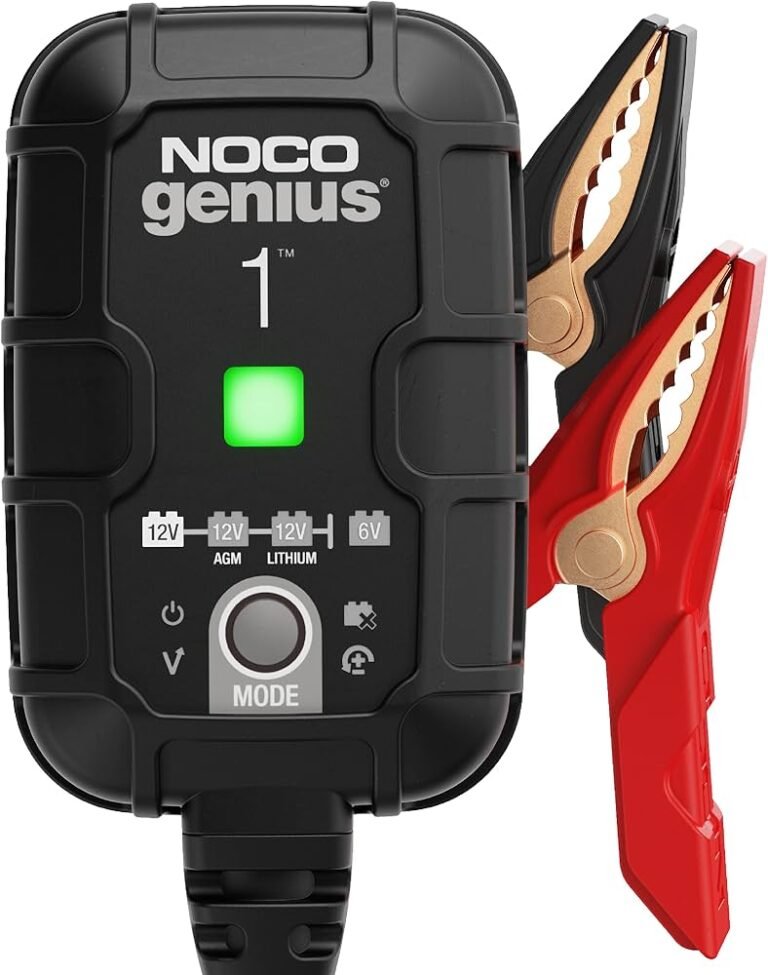
Schumacher can be a good choice for a home garage. If you work on more than one vehicle, its broad product range gives you flexibility. A 6-amp or 10-amp automatic charger may suit normal cars, while a higher-output unit may better fit trucks or workshop use.
However, Schumacher models can feel less consistent across the range. Some products are compact and simple, while others have many buttons, modes, and display settings. Buyers should read the exact manual before purchase.
A common mistake is assuming that every Schumacher charger supports AGM, gel, or lithium batteries. Battery chemistry support depends on the specific model. Using the wrong mode can reduce battery life or create a safety risk.
CTEK Battery Chargers: Strengths and Weaknesses
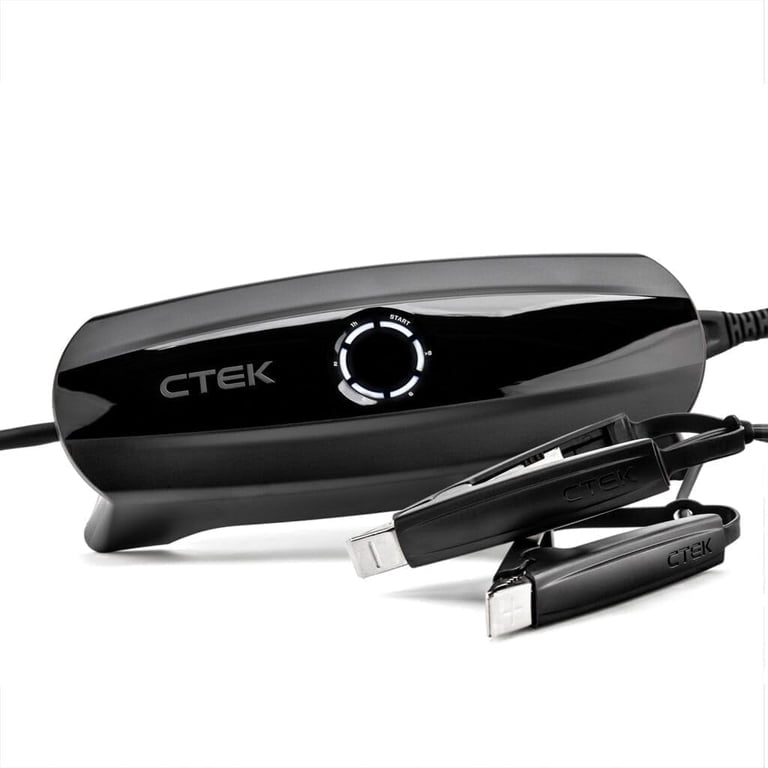
CTEK built its reputation around smart battery charging and maintenance. Its automatic chargers commonly use several stages. These stages may include battery testing, bulk charging, absorption, maintenance, and reconditioning, depending on the model.
The purpose is to avoid overcharging while keeping the battery near full capacity. This matters for vehicles that sit for weeks or months, such as collector cars, motorcycles, boats, and seasonal equipment.
Key CTEK benefits
• Smooth automatic charging
• Strong battery maintenance performance
• Compact and easy-to-store designs
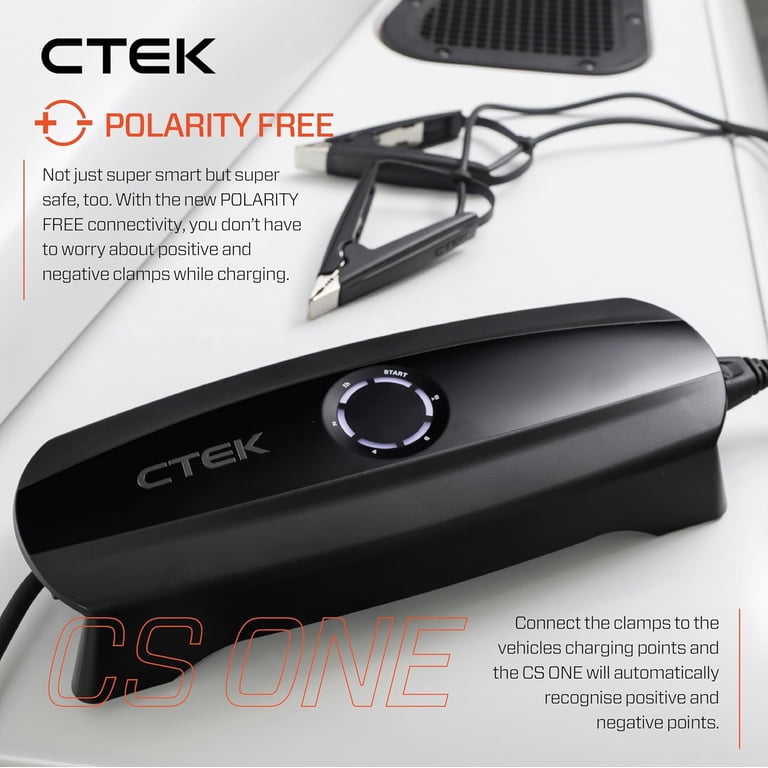
• Polarity and short-circuit protection on many models
• Useful accessories for permanent battery connections
• Good support for long-term vehicle storage
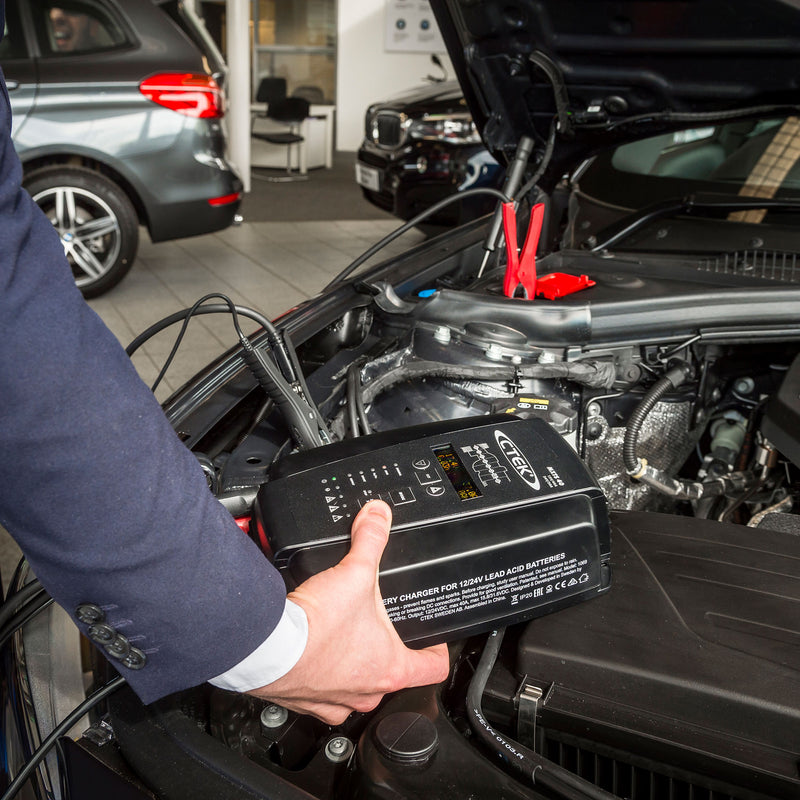
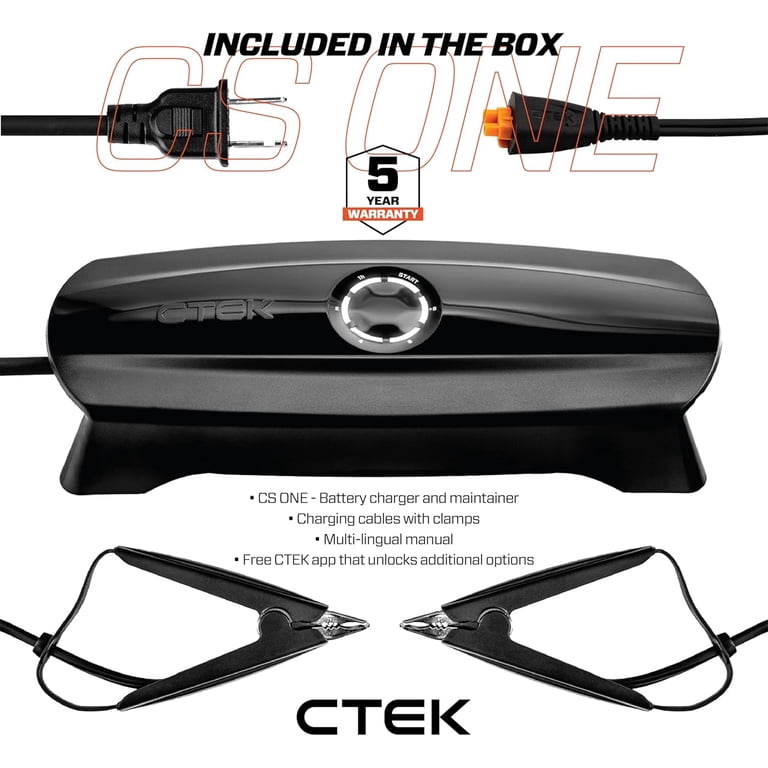
CTEK chargers often feel like a set-it-and-forget-it tool. You connect the clamps or eyelet lead, select the correct program, and let the charger work. This simple approach is one reason CTEK has a strong following among enthusiasts.
The main limitation is price. A CTEK charger may cost more than a Schumacher model with similar charging output. CTEK also does not always provide engine-start assistance, so it may not be the best emergency tool.
The Schumacher vs CTEK choice often comes down to how you use your vehicle. If you need a charger for regular battery recovery, Schumacher may offer more power for less money. If you need a safe maintainer for storage, CTEK may justify its higher cost.

Charging Speed and Performance
Charging speed depends on amperage, battery size, battery condition, temperature, and battery chemistry. A 10-amp charger can usually refill a battery faster than a 2-amp maintainer, but faster is not always better.
Schumacher usually has an advantage when high output matters. Some Schumacher chargers are designed to deliver strong current for automotive batteries and starting support. This can save time when a battery needs a practical boost before a trip.
CTEK chargers may charge more slowly, especially compact models. Their strength is controlled charging. The charger adjusts its output as the battery fills, which helps reduce stress during long charging periods.
A simple example makes the difference clear:
• A dead truck battery may benefit from a higher-output Schumacher charger.
• A motorcycle stored over winter may be better served by a small CTEK maintainer.
• A daily driver may work well with either brand.
• A deeply discharged battery may need testing before any charger can restore it.
Neither brand can repair a battery with damaged plates, a shorted cell, or severe sulfation. A charger can sometimes improve a weak battery, but it cannot turn an old battery into a new one.
Battery Compatibility: AGM, Gel, Flooded, and Lithium
Battery chemistry is one of the most important parts of the Schumacher vs CTEK decision. Lead-acid batteries include flooded, AGM, and gel types. These batteries have different charging needs.
Flooded lead-acid batteries are common in many older cars and trucks. AGM batteries are sealed and often appear in vehicles with start-stop systems or high electrical demand. Gel batteries need careful voltage control because excess charging voltage can damage the gel structure.
Lithium iron phosphate, or LiFePO4, batteries require a charger with a lithium-compatible program. A standard lead-acid mode may not be safe or effective for lithium batteries.
Before buying, check these points:
• Confirm the charger supports your battery chemistry.
• Match the charger voltage to the battery system.
• Check whether the charger supports AGM or gel mode.
• Use lithium mode only with a compatible lithium battery.
• Read the battery maker’s recommended charging voltage.
Some Schumacher and CTEK models support lithium batteries, but support is not universal. The model number matters more than the logo on the case.
For example, a charger labeled “12V” may work with a 12-volt lead-acid battery but still lack a suitable lithium program. Always verify the manual and product label.
Safety Features and Ease of Use
A good battery charger should protect both the battery and the person using it. Modern automatic chargers may include reverse-polarity protection, short-circuit protection, overcharge control, and spark reduction.
CTEK is known for making automatic operation simple. Many models check the battery before charging and stop or change modes when needed. This can help new users avoid common mistakes.
Schumacher also offers safety features on many automatic models. However, the controls vary more from product to product. Some units require you to select a battery type or charging mode. Others operate with fewer manual steps.
Use these safety habits with either brand:
-
Inspect the battery for cracks, leaks, or swelling.
-
Place the charger in a dry, ventilated area.
-
Connect the positive lead before the negative lead when the manual recommends it.
-
Keep sparks and flames away from the battery.
-
Select the correct voltage and battery type.
-
Disconnect power before removing the clamps.
-
Stop charging if the battery becomes hot, swollen, or damaged.
Never charge a frozen or visibly damaged battery. Lead-acid batteries can release hydrogen gas while charging, so ventilation matters.

Which Brand Is Better for Battery Maintenance?
For long-term maintenance, CTEK often has the edge. Its compact maintainers are designed to keep a battery ready without constant user input. This makes them useful for classic cars, motorcycles, boats, and vehicles that stay parked.
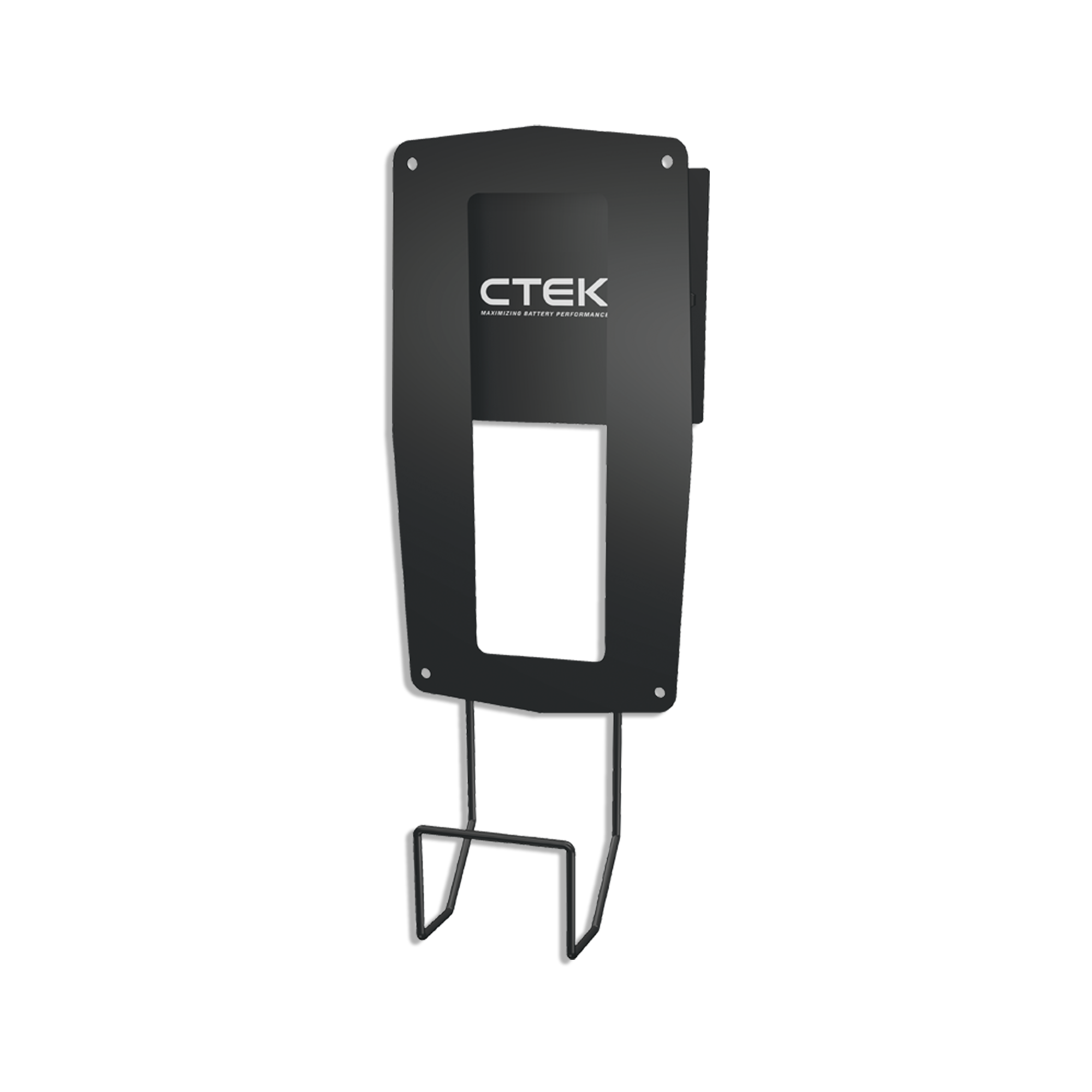
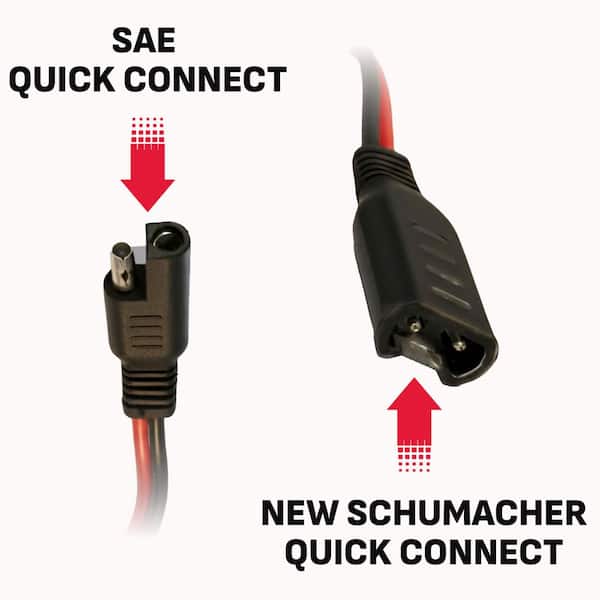
A CTEK maintainer can connect through ring terminals or a quick-connect lead. This is convenient when the battery is hard to reach. Once installed correctly, the connection is easy to use each time.
Schumacher also makes battery maintainers that can perform well. Its advantage is choice. You can find low-current maintainers for small batteries and stronger units for cars, trucks, and recreational vehicles.
In practical use, the best maintainer is the one that matches the battery and has a reliable connection. A premium charger cannot compensate for loose clamps, corroded terminals, or a battery that is already failing.
A useful habit is to test the battery before storage and again before driving. If the voltage drops quickly after a full charge, the battery may need replacement rather than more maintenance.

Which Brand Is Better for Emergency Starting?
Schumacher is usually the better choice for emergency starting because many of its larger chargers include engine-start assistance. These units can help deliver current when a vehicle battery is low.
Still, engine-start mode is not the same as a portable jump starter. Some chargers must be connected to household power. They may also require a waiting period before the engine-start function works.
CTEK focuses more on charging than on starting an engine. A CTEK charger can restore enough battery power for starting, but it may not provide immediate cranking support.
Choose Schumacher when you want:
• A charger for a home garage
• Higher charging output
• Support for trucks or larger batteries
• Engine-start assistance
• A lower purchase price
Choose a dedicated lithium jump starter when you need roadside portability. It can stay in the vehicle and work without access to a wall outlet.
Durability, Warranty, and Long-Term Value
Durability depends on the model, storage conditions, cable quality, and how often the charger is used. A charger kept dry and protected from heat will usually last longer than one left on a garage floor.
CTEK products often have a compact, polished design and strong accessory support. Their higher purchase price may make sense for owners who use a maintainer for many years.
Schumacher offers strong value, especially for occasional home use. Replacement cost is lower on many models, and parts or accessories may be easier to find through local retailers.
Warranty terms can change by product and location. Check the current warranty before buying, and keep the receipt. Also review whether the warranty covers commercial use, damaged cables, or misuse.
A practical buying rule is simple:
• Buy Schumacher for maximum function per dollar.
• Buy CTEK for refined maintenance and compact design.
• Buy the model with the correct battery support, even if the brand is not your first choice.
Schumacher vs CTEK: Best Choice for Different Users
The best Schumacher vs CTEK choice depends on your vehicle and routine.
Best for daily drivers
Either brand can work well. A medium-output automatic charger is useful if the car sits often or has a parasitic drain.
Best for motorcycles
CTEK is often a strong fit because its compact maintainers and quick-connect leads are easy to use. Schumacher also works well when the selected model supports small batteries and low charging current.
Best for trucks and SUVs
Schumacher may be the better value because it offers many higher-output options. Check the recommended battery capacity before choosing.
Best for classic cars
CTEK is attractive for long-term storage. Its maintenance programs can help keep a battery ready between drives.
Best for lithium batteries
Neither brand is automatically better. Select a model with a clear LiFePO4 charging program and follow the battery manufacturer’s instructions.
Best for tight budgets
Schumacher usually provides more features at a lower price. A basic automatic model may meet your needs without paying for premium accessories.
Common Buying Mistakes to Avoid
Many charger problems begin before the charger is connected. Buyers often choose based on brand reputation or advertised amps alone.
Avoid these mistakes:
• Buying a 12-volt charger for a 24-volt battery system
• Using a lead-acid charger on a lithium battery
• Choosing too much current for a small motorcycle battery
• Assuming engine-start mode works without wall power
• Leaving a manual charger connected overnight
• Ignoring a swollen or leaking battery
• Failing to check the warranty and return policy
• Comparing only peak amps instead of charging programs
The phrase Schumacher vs CTEK can make the decision sound like a brand battle. In reality, the correct charger depends on battery size, chemistry, vehicle use, storage time, and your budget.
When I compare chargers, I start with the battery label, not the charger box. That small habit prevents many poor purchases. I also prefer automatic operation for overnight charging and reserve manual chargers for situations where I can monitor the process.
How to Choose Between Schumacher vs CTEK
Use this simple process before buying:
-
Identify the battery voltage.
-
Identify the battery chemistry.
-
Check the battery’s amp-hour rating if listed.
-
Decide whether you need charging, maintenance, or engine starting.
-
Choose an output suitable for the battery size.
-
Confirm the charger has the required safety features.
-
Compare warranty coverage and accessories.
-
Read the exact model manual.
For most home garages, Schumacher provides excellent practical value. For careful storage and battery maintenance, CTEK is often worth considering. If you are unsure, select an automatic charger made for your exact battery type.
The smartest Schumacher vs CTEK purchase is not always the strongest or most expensive unit. It is the charger that fits your battery and your habits.
Frequently Asked Questions About Schumacher vs CTEK
Is Schumacher better than CTEK?
Schumacher is often better for power, price, and engine-start features. CTEK is often better for compact design, automatic maintenance, and long-term battery care.
Is CTEK worth the extra money?
CTEK can be worth the higher price if you maintain a motorcycle, classic car, boat, or seasonal vehicle. For occasional charging, a Schumacher model may offer better value.
Can I use a Schumacher or CTEK charger on an AGM battery?
Yes, but the specific charger must support AGM charging. Select the AGM mode when required, and always follow the battery manufacturer’s voltage guidance.
Can Schumacher and CTEK chargers charge lithium batteries?
Some models from both brands support lithium batteries, but not every model does. Check for a LiFePO4 or lithium charging program before connecting the charger.
Which is better for a motorcycle battery?
CTEK is often convenient for motorcycles because of its compact maintainers and quick-connect leads. A Schumacher charger can also work if it offers a low-current motorcycle or small-battery setting.
Can a battery charger fix a dead battery?
A charger may recover a deeply discharged battery if the battery is still healthy. It cannot reliably fix internal damage, a shorted cell, severe corrosion, or an old battery that no longer holds a charge.
Can I leave a CTEK or Schumacher charger connected overnight?
An automatic maintainer may be designed for extended connection, but the manual should confirm this. Do not leave a manual charger connected without monitoring it.
Conclusion
Schumacher vs CTEK is really a choice between strong utility and refined battery care. Schumacher usually wins on price, output, model variety, and engine-start support. CTEK often wins on compact design, automatic charging, and long-term maintenance.
Start by identifying your battery type, voltage, and main goal. Choose Schumacher for practical garage power, or choose CTEK for careful storage and simple maintenance. Review the exact model details before buying, then use the charger safely and consistently.
Have you used Schumacher or CTEK? Share your experience, compare your model, and explore more battery-care guides before making your next purchase.

One Comment