NOCO Genius1 Vs Genius2: Best Charger Comparison
The NOCO Genius2 charges faster, while the Genius1 costs less and suits smaller batteries.
The NOCO Genius1 vs Genius2 comparison comes down to charging speed, battery size, and value. Both are compact smart battery chargers with automatic monitoring, repair functions, and support for common 6V and 12V batteries. After reviewing their specifications and real-world use cases, I find the Genius1 best for light-duty maintenance, while the Genius2 is the better all-around choice for regular vehicle use.
NOCO Genius1 vs Genius2: Key Differences
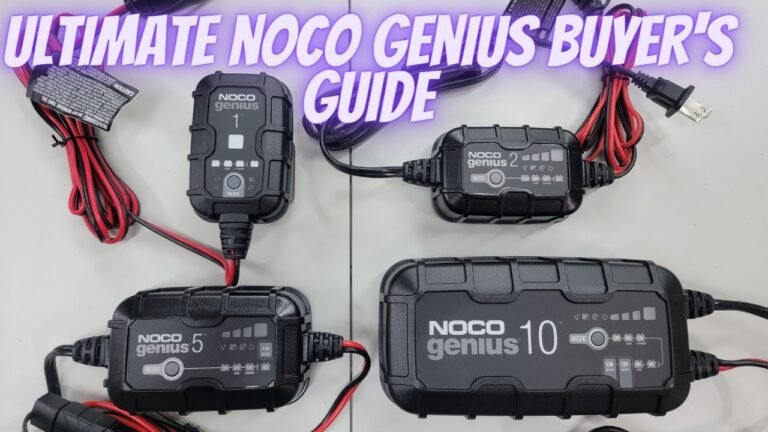
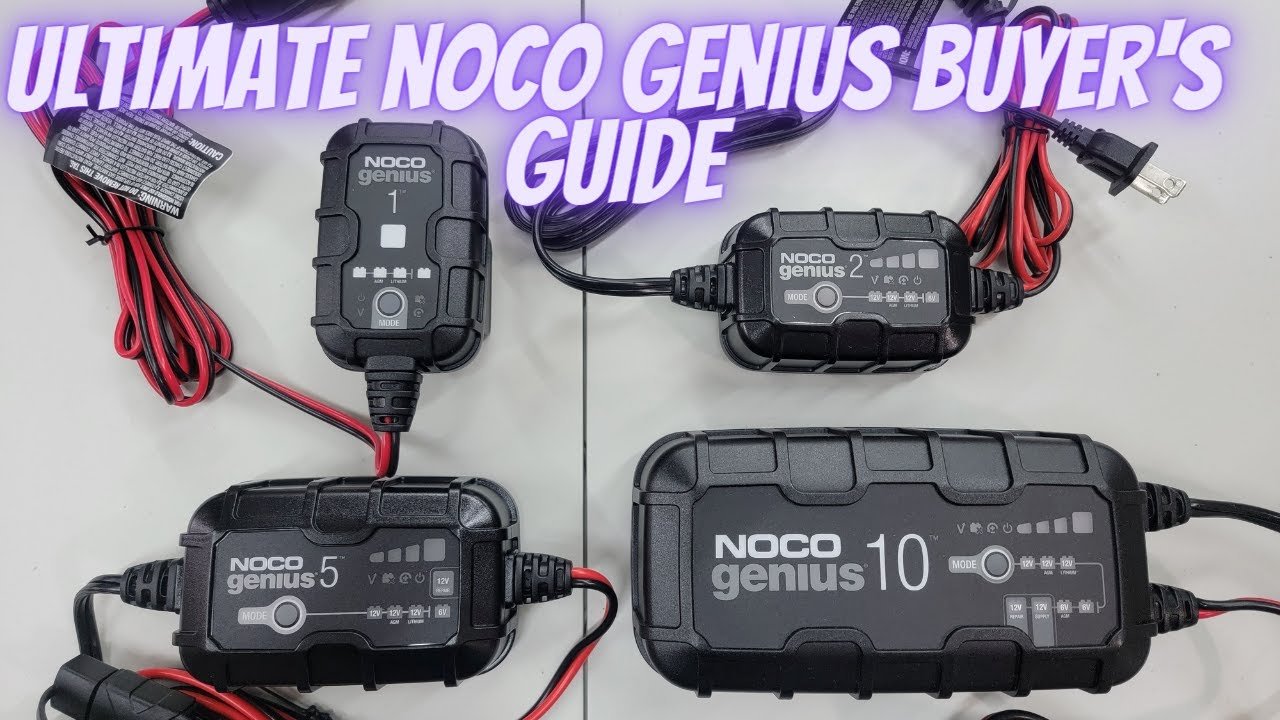
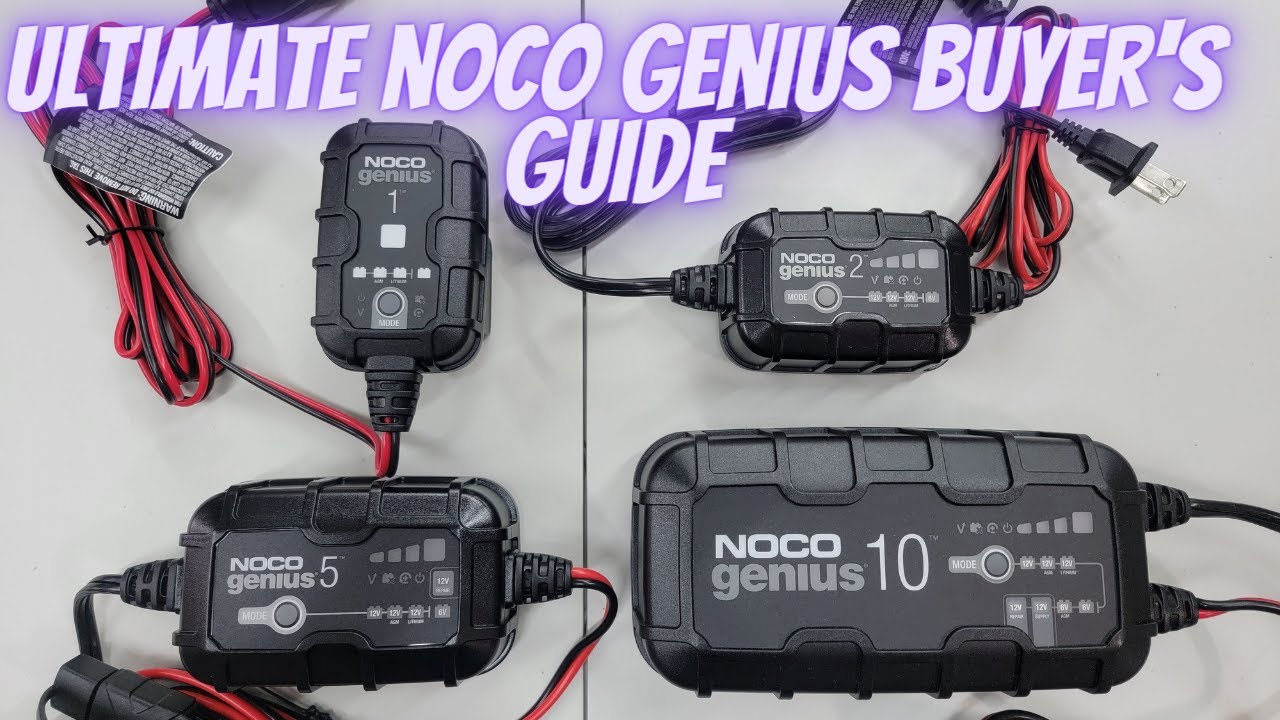
The NOCO Genius1 and Genius2 look very similar, but their main difference is output power. The Genius1 delivers 1 amp, while the Genius2 delivers 2 amps. That extra power allows the Genius2 to recharge compatible batteries in less time.
Both models are automatic battery chargers. They monitor voltage, adjust the charging process, and switch to maintenance mode when the battery is full. This makes them safer and easier to use than old-style trickle chargers.
| Feature | NOCO Genius1 | NOCO Genius2 |
|---|---|---|
| Charging output | 1 amp | 2 amps |
| Battery voltage | 6V and 12V | 6V and 12V |
| Lead-acid battery support | Yes | Yes |
| AGM battery support | Yes | Yes |
| Lithium battery support | Yes, with a battery management system | Yes, with a battery management system |
| Battery capacity rating | Up to about 30Ah for charging | Up to about 40Ah for charging |
| Maintenance use | Excellent | Excellent |
| Charging speed | Slower | Faster |
| Typical price | Lower | Higher |
The listed capacity ratings are useful guides, not strict limits. A charger can maintain a larger battery after it is full, but charging a deeply drained battery may take much longer.

Charging Speed and Battery Capacity
Charging speed is the clearest reason to choose the Genius2. A 2-amp charger can deliver twice the current of a 1-amp charger under suitable conditions. In simple terms, the Genius2 is like filling a bucket with a wider hose.
This does not mean every battery will charge twice as fast. Battery condition, temperature, battery chemistry, and the charger’s safety controls all affect charging time. A severely discharged battery may also spend time in testing, recovery, or repair modes.
The Genius1 works well for:
• Motorcycle batteries
• Lawn tractor batteries
• Small recreational vehicle batteries
• Seasonal car battery maintenance
• Batteries that are already mostly charged
The Genius2 is a stronger fit for:
• Full-size car batteries
• Pickup truck batteries
• Larger SUVs
• Boats and personal watercraft
• Batteries that need regular recharging
For example, a healthy motorcycle battery stored over winter may need only a small maintenance current. The Genius1 handles that task well. A car battery that repeatedly loses charge will benefit from the Genius2’s higher output.
Battery Compatibility
The NOCO Genius1 vs Genius2 models both support many common battery types. These include flooded lead-acid, sealed maintenance-free, AGM, gel, and certain lithium-ion batteries.
Lithium support requires care. The battery must have a suitable battery management system, often called a BMS. The charger is not designed to replace a missing or damaged BMS.
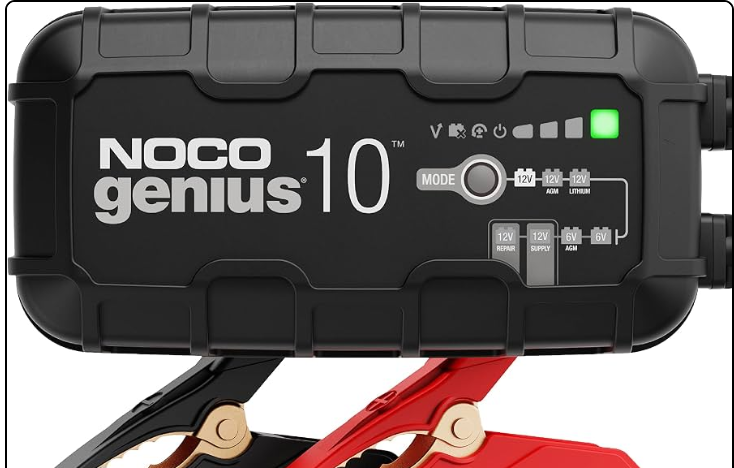
Both chargers can work with 6V and 12V batteries, but the selected mode must match the battery. Connecting a 12V charger setting to a 6V battery can cause damage. Always read the battery label before choosing a charging mode.
Common supported battery uses include:
• Cars and trucks
• Motorcycles and scooters
• ATVs
• Boats
• Lawnmowers
• Classic vehicles
• Backup batteries
The NOCO Genius1 vs Genius2 models are not meant for every battery on the market. They are not a substitute for a dedicated charger for high-voltage battery packs, electric vehicles, or industrial systems.
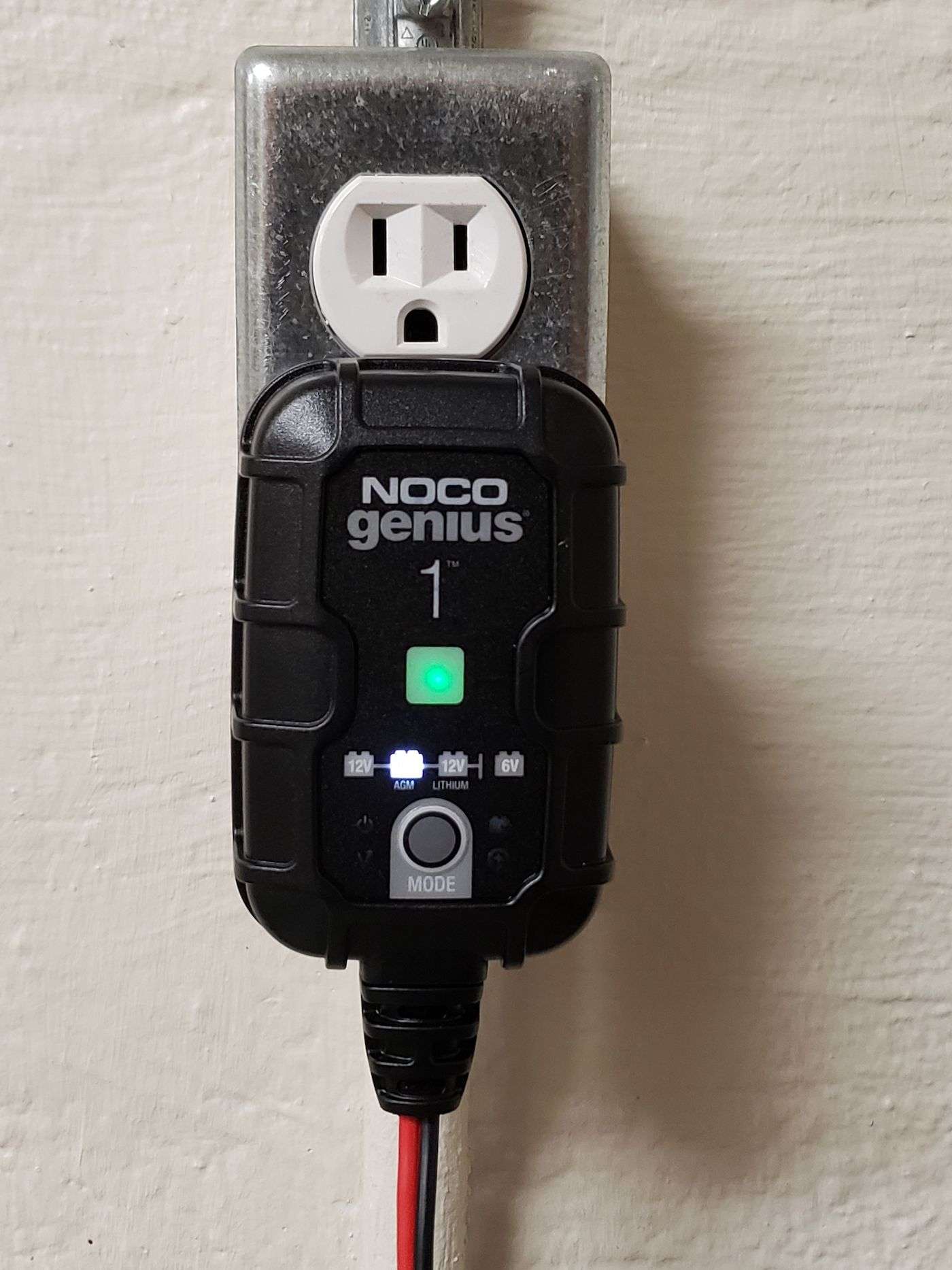
Safety Features and Smart Charging
Safety is one of the strongest benefits of both chargers. The Genius1 and Genius2 use automatic charging steps instead of sending a constant current into the battery.
Typical charging stages include:
-
Battery checking
-
Gentle recovery or soft start
-
Main charging
-
Absorption and voltage control
-
Float or maintenance charging
-
Periodic monitoring
This process helps reduce overcharging risk. Both chargers also include reverse-polarity protection, which can help prevent damage if the clamps are connected incorrectly. They are designed to be spark-proof during normal connection.
Still, no charger removes the need for basic safety. Charge batteries in a well-ventilated area. Keep sparks and flames away from lead-acid batteries, which can release flammable gas while charging.
A common mistake is placing the charger on top of a hot engine. I recommend putting it on a stable, dry surface near the battery instead. Heat, water, and poor ventilation can shorten charger life and create avoidable risks.
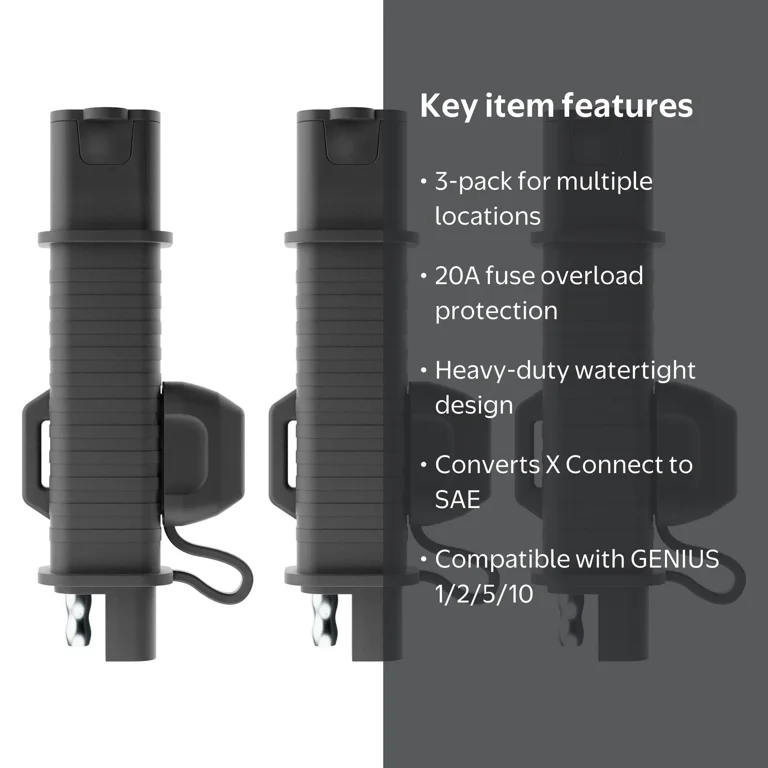
Maintenance Charging for Stored Vehicles
The Genius1 is especially useful for vehicles that sit for weeks or months. A motorcycle, classic car, or lawn tractor can slowly lose charge even when nothing appears to be wrong. Parasitic loads from clocks, alarms, and vehicle computers add up over time.
The charger can remain connected in maintenance mode when used according to the instructions. It checks the battery and adds power when needed. This helps prevent the deep discharge that often damages lead-acid batteries.
The Genius2 can perform the same job. Its extra output does not force more power into a full battery. The charger still reduces its current as the battery reaches the correct voltage.
For seasonal storage, follow these steps:
-
Clean dirt and corrosion from the battery terminals.
-
Confirm the battery voltage and chemistry.
-
Place the charger in a dry, ventilated location.
-
Connect the positive clamp to the positive terminal.
-
Connect the negative clamp to the negative terminal or approved ground point.
-
Select the correct 6V, 12V, or chemistry mode.
-
Check the indicator lights before leaving the charger connected.
The best charger is one you use correctly and consistently. A neglected battery can fail even when paired with an excellent charger.
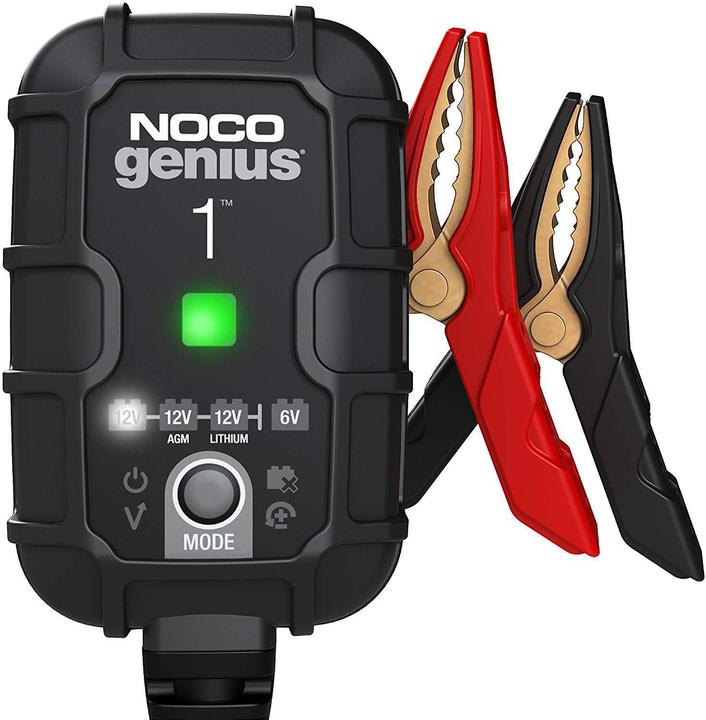
Repair and Recovery Modes
Both the Genius1 and Genius2 include a repair function for some 12V lead-acid batteries. This mode may help restore a battery with low voltage or reduced performance by using a controlled high-voltage recovery process.
Repair mode is not magic. It cannot restore a battery with a shorted cell, cracked case, severe sulfation, or worn-out internal plates. If a battery becomes hot, swells, leaks, or smells strongly of sulfur, stop charging it.
Use repair mode only when the battery maker allows it. It may not be suitable for every AGM battery, and it should not be used casually on lithium batteries.
A battery that repeatedly needs repair mode may be near the end of its life. In my experience comparing smart chargers, people often mistake temporary voltage recovery for a permanent fix. Test the battery again after it rests. If it quickly drops below its normal resting voltage, replacement may be the smarter choice.

Size, Portability, and Daily Use
Both chargers are small enough to keep in a glove box, toolbox, or garage cabinet. Their compact design is helpful when a full-size charger would be awkward to store.
The Genius1 has one major portability advantage: it is usually less expensive and provides enough output for many small batteries. It is a practical emergency charger for a motorcycle or lawn equipment owner.
The Genius2 remains compact but offers more charging power. It is a better choice if you want one charger for several vehicles. The additional capacity gives it more flexibility without making it feel like a bulky workshop unit.
Neither product is designed to jump-start a dead vehicle. They charge batteries; they do not provide the high burst current required by a starter motor. If you need jump-start power, look at a portable jump starter instead.

Price and Long-Term Value
The Genius1 usually costs less than the Genius2. That price gap makes the smaller model attractive for users with one small battery or a simple storage-maintenance need.
The Genius2 may offer better long-term value for families with multiple vehicles. Its 2-amp output can reduce waiting time, and it gives you more room if your needs change from a motorcycle to a car or boat.
Choose based on use, not just price:
• Choose the Genius1 if you mainly maintain small batteries.
• Choose the Genius1 if the lowest purchase price matters most.
• Choose the Genius2 if you charge car batteries often.
• Choose the Genius2 if you want one charger for several vehicle types.
• Choose the Genius2 if faster recovery is important.
Buying a charger that is too small can be frustrating. Buying more power than you need is not harmful in this product range, but it may not provide enough extra value to justify the cost.

NOCO Genius1 vs Genius2: Pros and Limitations
NOCO Genius1 advantages
• Lower cost
• Very compact design
• Good for motorcycles and small batteries
• Supports 6V and 12V batteries
• Suitable for long-term maintenance
• Includes automatic safety controls
NOCO Genius1 limitations
• Slower charging
• Less suitable for larger vehicle batteries
• Limited output for repeated deep discharges
• Repair mode cannot fix a physically damaged battery
NOCO Genius2 advantages
• Twice the rated current of the Genius1
• Faster charging for compatible batteries
• Better for cars, trucks, boats, and larger batteries
• Supports 6V and 12V batteries
• Useful as a multi-vehicle charger
• Still small and easy to store
NOCO Genius2 limitations
• Higher purchase price
• Still not a jump starter
• Not designed for high-voltage electric vehicle packs
• Charging speed remains limited compared with larger shop chargers
The NOCO Genius1 vs Genius2 decision is simple when you match the charger to the battery. The Genius1 favors efficiency and low cost. The Genius2 favors flexibility and speed.
Which Model Should You Buy?
Buy the NOCO Genius1 if you need a dependable maintainer for a motorcycle, ATV, lawn tractor, or small car battery. It is also a good choice for someone who only charges a battery once or twice each year.
Buy the NOCO Genius2 if you own a standard car, SUV, truck, boat, or several different vehicles. Its extra current gives you a wider safety margin for normal charging tasks and reduces downtime.
Here is a practical decision guide:
-
Check your largest battery.
-
Check whether it is 6V or 12V.
-
Confirm its chemistry, such as AGM, flooded lead-acid, or lithium.
-
Decide whether you need maintenance or faster charging.
-
Compare the price difference with your expected use.
-
Select the Genius1 for small, occasional tasks or the Genius2 for broader use.
If you are unsure, the Genius2 is the safer all-around recommendation. If your needs are clearly small, the Genius1 avoids paying for power you may never use.
How to Use Either Charger Correctly
Before charging, inspect the battery case and terminals. Do not charge a battery that is cracked, leaking, frozen, or visibly swollen.
Use this basic process:
-
Turn off the vehicle and remove unnecessary electrical loads.
-
Connect the red clamp to the positive terminal.
-
Connect the black clamp to the negative terminal or a safe chassis ground.
-
Plug in the charger.
-
Select the correct battery mode.
-
Watch the indicator lights during the first few minutes.
-
Disconnect power before removing the clamps.
For a battery installed in a vehicle, follow the vehicle maker’s grounding guidance. Some modern vehicles have battery monitoring sensors that affect the recommended connection point.
Do not use a charger as a substitute for diagnosing the cause of battery drain. If a battery is dead again after a short drive, test the alternator, parasitic draw, battery age, and cable connections.
NOCO Genius1 vs Genius2 Frequently Asked Questions
Is the NOCO Genius2 better than the Genius1?
The Genius2 is better for faster charging and larger vehicle batteries because it provides 2 amps instead of 1 amp. The Genius1 is better if you mainly maintain small batteries and want to spend less.
Can both chargers charge 6V and 12V batteries?
Yes, both models support 6V and 12V charging modes. You must select the correct voltage before charging to avoid damaging the battery.
Can the NOCO Genius1 or Genius2 charge a lithium battery?
Yes, both can support compatible lithium-ion batteries with an appropriate battery management system. Always confirm that the battery maker approves the charger and mode.
Can either model jump-start a car?
No. The Genius1 and Genius2 are battery chargers and maintainers, not jump starters. A separate jump starter is needed to provide the high burst current required to crank an engine.
Which NOCO charger is best for a motorcycle?
The Genius1 is usually enough for most motorcycle batteries, especially for winter storage and routine maintenance. The Genius2 is worthwhile if you also want to charge car, truck, or boat batteries.
Can I leave the Genius1 or Genius2 connected overnight?
Both are designed for automatic maintenance charging when used correctly. Keep the charger dry and ventilated, inspect the battery first, and follow the product instructions for unattended charging.
Will repair mode restore a dead battery?
Repair mode may help some worn or sulfated 12V lead-acid batteries. It cannot repair a battery with internal damage, a shorted cell, a cracked case, or severe age-related wear.
Conclusion
The NOCO Genius1 vs Genius2 comparison has one clear dividing line: output power. The Genius1 provides affordable, gentle charging for small batteries and long-term maintenance. The Genius2 delivers twice the current, making it more useful for cars, trucks, boats, and households with several vehicles.
Choose the Genius1 for simple battery care and the Genius2 for faster, more flexible charging. Check your battery voltage, chemistry, and capacity before buying, then use the charger with proper ventilation and safe connections. Explore your vehicle maker’s battery guidance, and share your experience with the Genius1 or Genius2 in the comments.