What Type of Oil Does a Jeep Engine Use?
Figuring out the exact type of oil your Jeep engine needs can feel like decoding a secret message. Getting it wrong can lead to serious problems down the road, from decreased performance to expensive engine damage. We've dug into manufacturer specifications and expert recommendations to make this clear for you.
The right engine oil is crucial for keeping your Jeep running smoothly. It lubricates moving parts, helps with cooling, and keeps the engine clean. For instance, many modern Jeep engines, like the 2.0L Hurricane inline-4, require specific formulations that meet the API SP classification.
What Type of Oil Does a Jeep Engine Use?
Your Jeep engine requires a specific type of motor oil that depends on its model, year, and engine configuration. The most critical information comes directly from the Jeep owner's manual, which specifies the correct viscosity grade (like 5W-30 or 0W-20) and the required API Service Classification or Chrysler/FCA/Stellantis approval numbers. Using the wrong oil can lead to premature wear and void your warranty.
Key Factors to Determine Your Jeep's Oil
Several factors play a role in deciding which oil is right for your Jeep. It's not a one-size-fits-all situation, and overlooking these details can cost you in the long run. Manufacturer specifications are your primary guide, but understanding the "why" behind them helps make informed choices.
Understanding Viscosity Grades: The "W" and the Number
Viscosity refers to how thick or thin an oil is, and it's a key characteristic for engine protection. You'll see numbers like 5W-30 or 0W-20 printed on oil bottles. The "W" stands for winter, indicating how well the oil flows at cold temperatures.
A lower number before the "W" means the oil is thinner and flows better in the cold, which is vital for quick lubrication when you start your engine. The second number (e.g., 30) represents the oil's viscosity at normal engine operating temperatures. Jeep engines are designed for specific viscosity grades to ensure proper lubrication across a range of conditions.
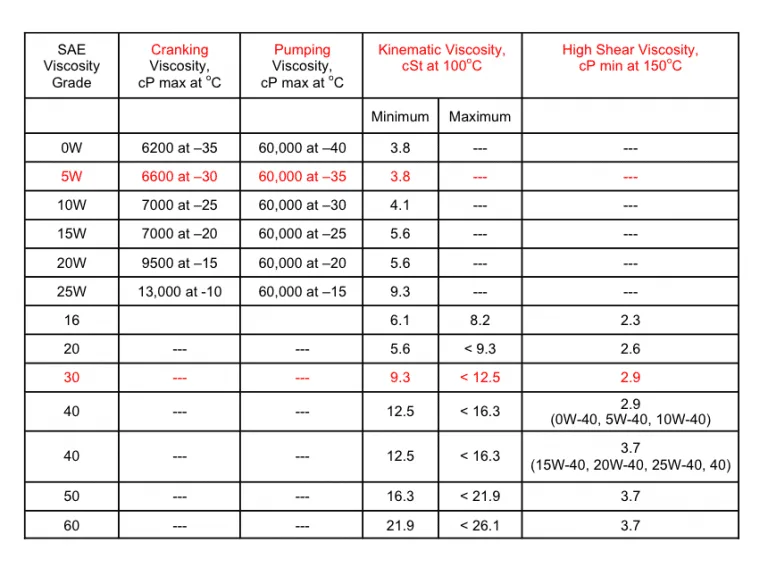
Image source: Web (Bing) / oilandenergy.com.au (Web image (fair-use with source credit))
Decoding Oil Specifications: API, ILSAC, and Chrysler/FCA/Stellantis Numbers
Beyond viscosity, engine oils must meet certain performance standards. These are usually indicated by acronyms like API (American Petroleum Institute) and ILSAC (International Lubricant Standardization and Approval Committee). For Jeep vehicles, you'll often see specifications like API SP or ILSAC GF-6A.
These certifications mean the oil has passed rigorous tests for engine protection, fuel economy, and emissions. Additionally, Jeep, as part of Stellantis, may require oils to meet specific in-house standards, often denoted by numbers like MS-6395. Always check your owner's manual to match these specifications precisely.
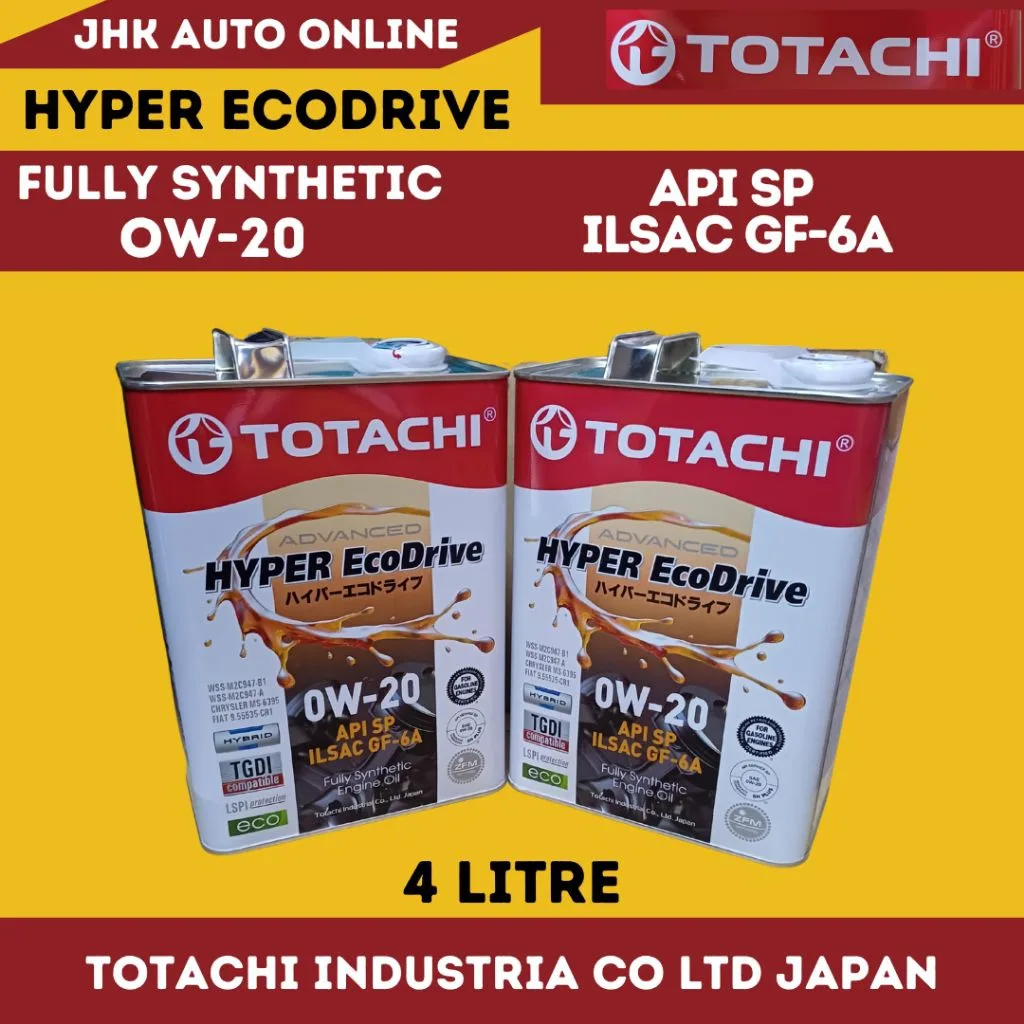
Image source: Web (Bing) / shopee.com.my (Web image (fair-use with source credit))
How Engine Model Dictates Oil Choice
Jeep offers a variety of engines, and each has unique lubrication requirements. For instance, a Jeep Wrangler with a Pentastar 3.6L V6 will have different oil needs than a Jeep Grand Cherokee equipped with the EcoDiesel engine or the newer Hurricane inline-4 or inline-6. Manufacturer specifications are tailored to the internal design, tolerances, and operating characteristics of each specific engine.
Using the oil recommended for your engine model ensures optimal performance and longevity, as it's formulated to handle that engine's unique demands for flow, protection, and cleaning.
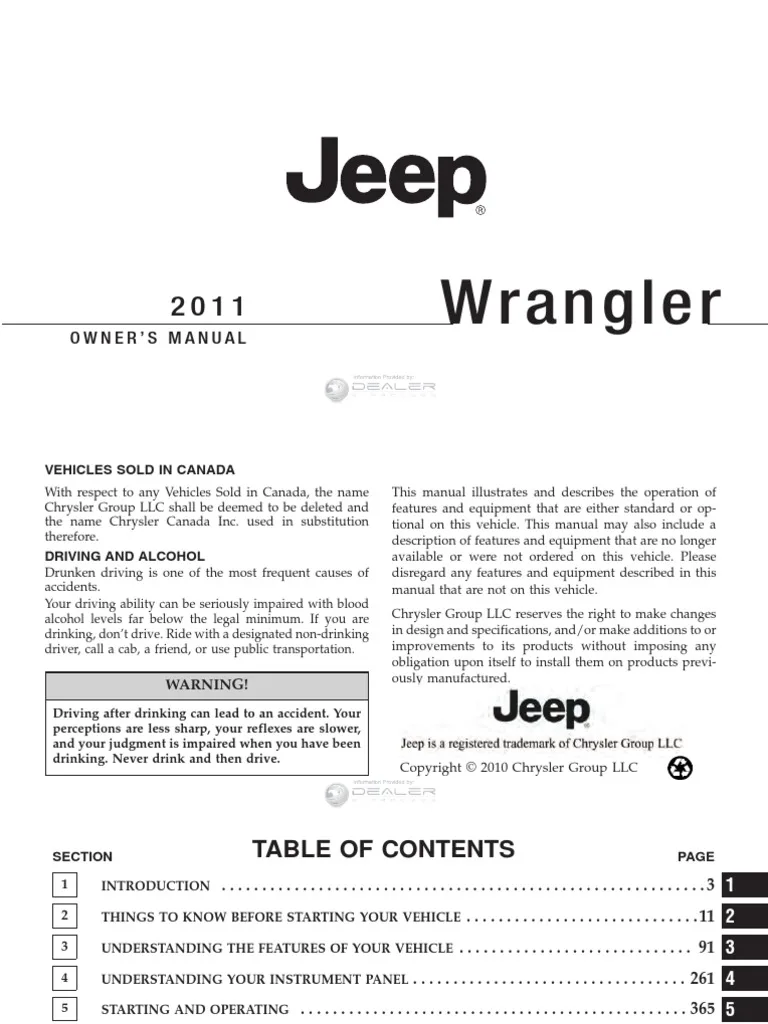
Image source: Web (Bing) / scribd.com (Web image (fair-use with source credit))
Common Oil Mistakes Jeep Owners Make
Even with the best intentions, Jeep owners can make common mistakes when it comes to engine oil. These errors might seem minor but can lead to significant mechanical issues over time. Understanding these pitfalls can help you steer clear of costly repairs and keep your Jeep running reliably.
Skipping the Manual: Guessing Oil Type
The most frequent mistake is assuming you know the right oil without consulting the owner's manual. Jeep vehicles come with a detailed manual for a reason. It contains the definitive oil type, viscosity grade, and specifications required for your specific model and year.
Guessing can lead to using oil that's too thick or too thin, or one that lacks the necessary protective additives. This can result in poor lubrication, increased wear, and potential engine damage.
Overlooking Specs: Using the Wrong Classification
It's not just about picking the right viscosity; the oil's performance specifications are equally critical. Many oils might have the correct 5W-30 viscosity, but if they don't meet the API SP classification or the specific Chrysler/FCA/Stellantis standard your Jeep requires, they won't provide the necessary protection. These standards ensure the oil can handle specific stresses, prevent sludge, and maintain engine cleanliness.
Using an oil that fails to meet these approved classifications is a gamble with your engine's health.
Ignoring Engine-Specific Needs
Jeep's diverse engine lineup means a one-size-fits-all approach to oil is a bad idea. For example, turbocharged engines or diesel engines have different thermal and pressure demands than a naturally aspirated gasoline engine. They might require oils with higher temperature resistance or different additive packages to handle combustion byproducts.
Failing to match the oil to the specific engine design and its operating conditions is a direct path to accelerated wear and potential component failure. Always cross-reference your engine model with the manual's oil recommendations.
Choosing the Right Oil: A Decision Guide
Now that we’ve covered the factors, let’s get to the practical side: picking the oil that’s right for your specific Jeep. Remember, your owner's manual is the ultimate authority, but this guide can help you understand the choices presented there. We'll break it down by common scenarios.
For Everyday Driving and Fuel Economy
If your Jeep is primarily used for commuting, light errands, or general road use, your focus will likely be on maintaining excellent fuel efficiency and ensuring smooth operation. Many modern Jeep models, especially those with smaller, more efficient engines like the 2.0L Turbo or the 3.6L Pentastar V6, often recommend lighter viscosity oils. For instance, many of these engines specify a 0W-20 synthetic oil.
This lighter weight oil flows more easily, reducing internal friction and helping your engine consume less fuel. Always ensure the oil meets the current API SP and ILSAC GF-6A specifications, as these are designed to enhance fuel economy and protect modern emissions systems.
For Extreme Weather or Heavy-Duty Use
If you live in an area with extreme temperatures (very hot summers or frigid winters) or frequently use your Jeep for heavy-duty tasks like towing, off-roading, or hauling, you might need to pay closer attention to oil robustness. In very hot climates, a slightly higher second number in the viscosity grade, like a 5W-30 (as opposed to a 0W-20), can offer better protection against thinning and thermal breakdown. For diesel engines, like the EcoDiesel, specific diesel engine oils with appropriate API CK-4 or similar classifications are essential to handle the unique stresses and soot produced by diesel combustion.
Using a full synthetic oil is generally recommended for these conditions, as it offers superior protection against wear and maintains its properties longer under demanding circumstances.
For Older Jeep Models
Jeeps from earlier generations, especially those from the 1990s or early 2000s, might have different oil recommendations than their modern counterparts. These older engines often ran with conventional oils and thicker viscosity grades, such as 10W-30 or 10W-40, depending on the specific engine and climate. While modern full synthetics can often be used safely in older engines and may even offer benefits, it's crucial to verify compatibility.
Some older seals and gaskets might not be designed for the advanced additive packages found in newer synthetic oils, potentially leading to minor leaks if a drastic change is made without due diligence. Always consult your owner’s manual for the recommended specifications for your particular classic or vintage Jeep.
Maintaining Your Jeep's Engine Health: Beyond Just Oil Type
Choosing the correct oil is the most critical step, but proper engine maintenance involves more. Regular oil changes are paramount to ensuring the oil can continue to perform its essential functions. Over time, engine oil breaks down, loses its viscosity, and accumulates contaminants like dirt and metal particles.
Following the manufacturer's recommended oil change intervals, often found in your Jeep's owner's manual, is crucial for preventing excessive wear and sludge buildup.
How Often Should You Change Your Jeep's Oil?
The frequency of oil changes for your Jeep depends on several factors. The simplest guideline is to follow the interval specified by Jeep for your particular model and year. For many newer Jeeps, this might be around 10,000 miles or annually, whichever comes first, especially when using synthetic oil.
However, if you frequently drive in dusty conditions, tow heavy loads, or engage in aggressive off-roading, you might need to shorten these intervals. Modern Jeeps also have oil life monitoring systems that can provide a more real-time estimate based on actual driving conditions.
What Else Affects Engine Oil Longevity?
Several driving habits and conditions can shorten your engine oil's lifespan. Short trips where the engine doesn't reach full operating temperature can lead to moisture accumulation and increased sludge formation. Extreme temperatures, both hot and cold, put additional stress on the oil.
Frequent short-distance driving is a primary reason some manufacturers suggest more frequent oil changes than the maximum mileage listed. Also, ensure you're using a quality oil filter that can effectively remove contaminants without restricting oil flow.
The Importance of Regular Inspections
Beyond scheduled maintenance, regularly inspecting your engine oil can offer valuable insights. Check the oil level periodically to ensure it's within the recommended range. Low oil levels can lead to catastrophic engine failure.
Also, examine the oil's condition when you check the level. If it appears unusually dark, gritty, or has a milky appearance, these can be signs of serious internal engine issues that need immediate attention. A milky look, for example, often indicates coolant contamination.
Frequently Asked Questions About Jeep Engine Oil
What is the difference between synthetic and conventional oil for my Jeep?
Full synthetic oil is a man-made lubricant engineered with a more uniform molecular structure and fewer impurities than conventional oil, which is refined from crude oil. Synthetics generally offer superior protection against wear, better performance in extreme temperatures, and longer intervals between changes, though they are typically more expensive. Synthetic blends offer a middle ground, combining some benefits of synthetics with the affordability of conventional oil.
Can I mix different brands or types of oil in my Jeep?
It's generally not recommended to mix different brands or types of oil, especially if they have different viscosity grades or specifications. While mixing oils of the same viscosity and specification might not cause immediate catastrophic failure, it can dilute the performance additives of the higher-quality oil and compromise overall protection. It’s best to stick with one type and brand that meets your Jeep’s requirements.
Does the type of driving (towing, off-roading) affect oil choice?
Yes, absolutely. Heavy-duty use like towing or demanding off-roading puts more stress on your engine and oil. In these scenarios, a high-quality full synthetic oil with a robust viscosity grade (e.g., 5W-30 or higher, if recommended) is often a better choice than a conventional oil or a lighter synthetic.
These conditions generate more heat and require enhanced lubrication to prevent wear.
How do I know if my Jeep has a specific oil requirement beyond API and ILSAC?
Your Jeep owner's manual is the definitive source. Look for specific Chrysler, FCA, or Stellantis approval numbers or oil standards listed. For example, some engines might require an oil that meets the MS-6395 specification.
If your manual lists such a requirement, ensure the oil you choose explicitly states it meets that particular standard on its packaging.
Your Final Decision: Getting the Oil Right for Your Jeep
Choosing the correct oil for your Jeep isn't just about following a number on a bottle. It's about understanding your vehicle's specific needs and ensuring the lubricant provides optimal protection and performance. Always start with your owner's manual as your primary reference.
It details the exact viscosity grades, API classifications, and any manufacturer-specific standards your engine demands.
By carefully considering your Jeep's engine model, year, and your typical driving conditions, whether it's daily commuting, towing, or off-roading, you can confidently select the right oil. Opting for full synthetic oils often provides the best long-term protection and performance, especially for modern, high-performance Jeep engines. Remember that consistent maintenance, including timely oil and filter changes, is just as vital as selecting the correct oil in the first place.