What Causes Rough Idling in a Jeep?
That shaky, uneven idle in your Jeep can be super annoying and honestly, a little concerning. Don't sweat it, though. It’s a pretty common issue across many vehicles, and usually, it comes down to a few key culprits disrupting the engine’s precise air, fuel, and spark rhythm.
We're going to walk through the most likely reasons this happens so you can understand the possibilities.
Think of your engine like a well-orchestrated band; if one instrument is out of tune, the whole sound gets off. Your engine’s idle needs a precise mix to run smoothly. When that balance is off, you feel it.
For instance, manufacturer specifications often dictate idle RPMs should remain within a tight range, typically between 600-850 RPM for many Jeep models, depending on the engine and transmission. We'll cover the usual suspects and how to start troubleshooting.
What Causes Rough Idling in a Jeep?
Rough idling in a Jeep typically stems from an imbalance in the air-fuel mixture or inconsistent ignition. Common culprits include worn spark plugs, dirty fuel injectors, vacuum leaks, a clogged air filter, or faulty sensors like the Mass Airflow (MAF) sensor or Oxygen (O2) sensors. Issues with the EGR valve can also contribute significantly.
The Usual Suspects for a Rough Idle
When an engine idles roughly, it usually means something is disrupting that perfect air-fuel-spark rhythm. Here are the most common areas to look at.
Spark Plugs and Ignition System Faults
Your Jeep’s spark plugs are responsible for igniting the air-fuel mixture in each cylinder. If they're worn out, fouled with carbon, or damaged, they won't produce a strong, consistent spark. This leads to incomplete combustion, often felt as a misfire or hesitation during idle.
The spark plug wires, if your Jeep has them, can also degrade over time, crack, or become loose, preventing proper electrical conductivity to the spark plug.
For modern Jeeps, ignition coils are often used instead of traditional spark plug wires. Each cylinder typically has its own coil-on-plug system. If one of these ignition coils begins to fail, it directly impacts the spark for that cylinder, causing a noticeable rough idle and a potential check engine light.
Our research indicates that ignition coil failure is a frequent cause of misfires in many Jeep models, particularly those with higher mileage.
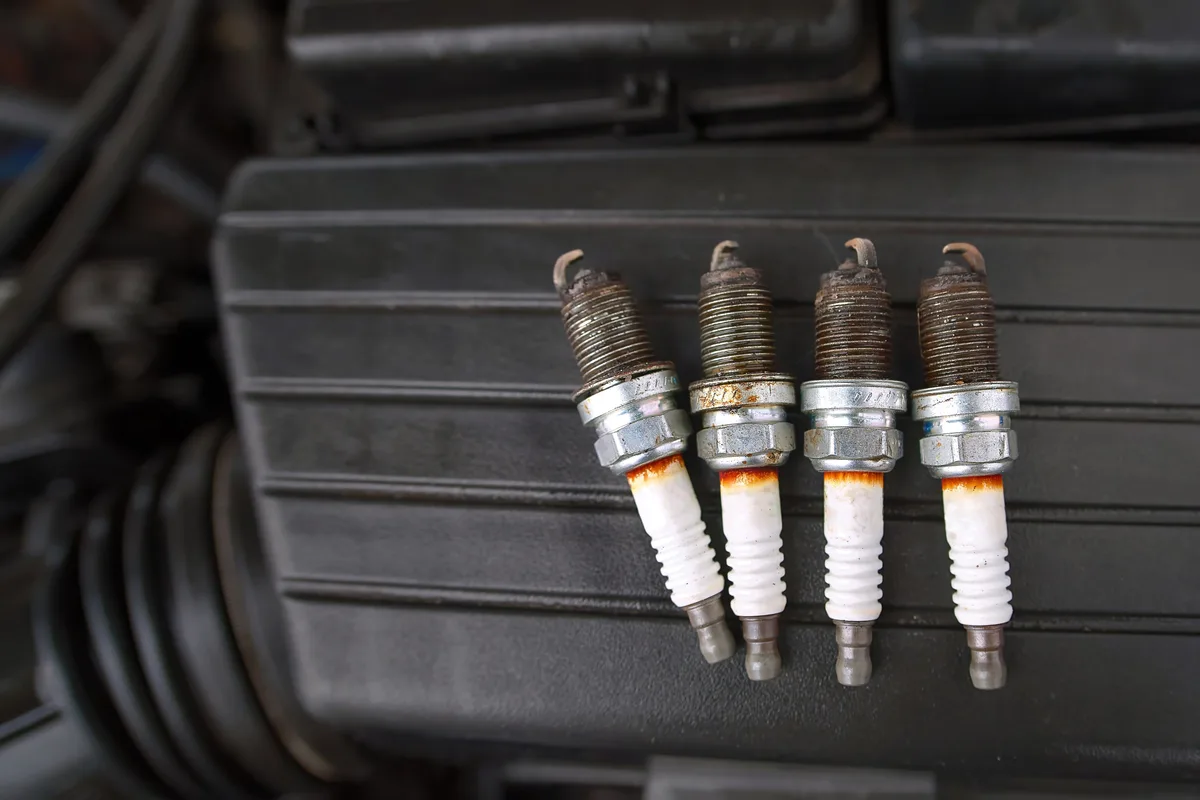
Image source: Web (Bing) / innova.com
Fuel Delivery Problems
The fuel system delivers the precise amount of gasoline your engine needs to run smoothly. If your fuel injectors are dirty or clogged, they can't spray fuel efficiently and evenly into the combustion chambers. This inconsistent fuel delivery means some cylinders might get too little fuel, while others get too much, leading to a rough idle and poor combustion.
Running high-quality fuel injector cleaner through a tank of gas can sometimes help clear minor clogs.
Other issues in the fuel system can also cause problems. A failing fuel pump might not deliver adequate fuel pressure, starving the engine at idle. Similarly, a dirty fuel filter can restrict fuel flow.
The Engine Control Module (ECM) relies on accurate data from sensors to manage fuel delivery, so any disruption here can manifest as an uneven idle.
Air Intake and Vacuum Leaks
Your Jeep's engine needs a controlled amount of air to mix with fuel for optimal combustion. The Mass Airflow (MAF) sensor plays a crucial role by measuring the incoming air and sending that data to the ECM. If the MAF sensor becomes dirty or contaminated, it can send inaccurate readings, causing the ECM to miscalculate the correct fuel-air mixture, leading to a rough idle.
Regular cleaning with a specialized MAF sensor cleaner can often resolve this.
Beyond sensor issues, the air intake system itself needs to be clear. A severely clogged air filter will restrict airflow, making it harder for the engine to breathe and resulting in a noticeable drop in performance, especially at idle. More critically, vacuum leaks are a very common and frustrating cause of rough idling.
These leaks occur when there's a breach in the system of hoses, gaskets, and seals that create vacuum pressure within the engine. Unmetered air entering the engine bypasses the MAF sensor, throwing off the carefully calibrated air-fuel ratio.
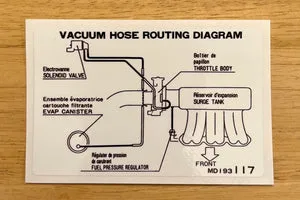
Image source: Web (Bing) / 3000gtstealthsolutions.com
Emissions System Hiccups
The Exhaust Gas Recirculation (EGR) valve is part of your Jeep's emissions control system. Its job is to recirculate a small amount of exhaust gas back into the combustion chambers, which helps lower combustion temperatures and reduce nitrogen oxide (NOx) emissions. However, over time, the EGR valve can become clogged with carbon deposits.
If it gets stuck partially open, it can allow exhaust gases into the intake manifold when they shouldn't be there, disrupting the air-fuel mixture and causing a rough, inconsistent idle. If it gets stuck closed, it might not cause immediate rough idling but can lead to other performance issues.
Check Engine Light and Sensor Glitches
When your Jeep's check engine light illuminates, it's a strong signal that the onboard diagnostic system has detected a problem. This light can be triggered by a variety of issues, many of which directly impact idle quality. For instance, faulty Oxygen (O2) sensors can send incorrect information about the exhaust gases back to the ECM.
The ECM uses this data to fine-tune the air-fuel mixture for optimal efficiency and emissions. If the O2 sensor is giving bad readings, the ECM will adjust the mixture incorrectly, leading to poor running conditions, including a rough idle. Modern diagnostics rely heavily on systems like OBD-II (On-Board Diagnostics II), a standardized system for vehicle self-diagnosis and reporting.
You can learn more about how an OBD2 scanner can help diagnose ABS problems, and similar diagnostic tools are invaluable for pinpointing rough idle issues.
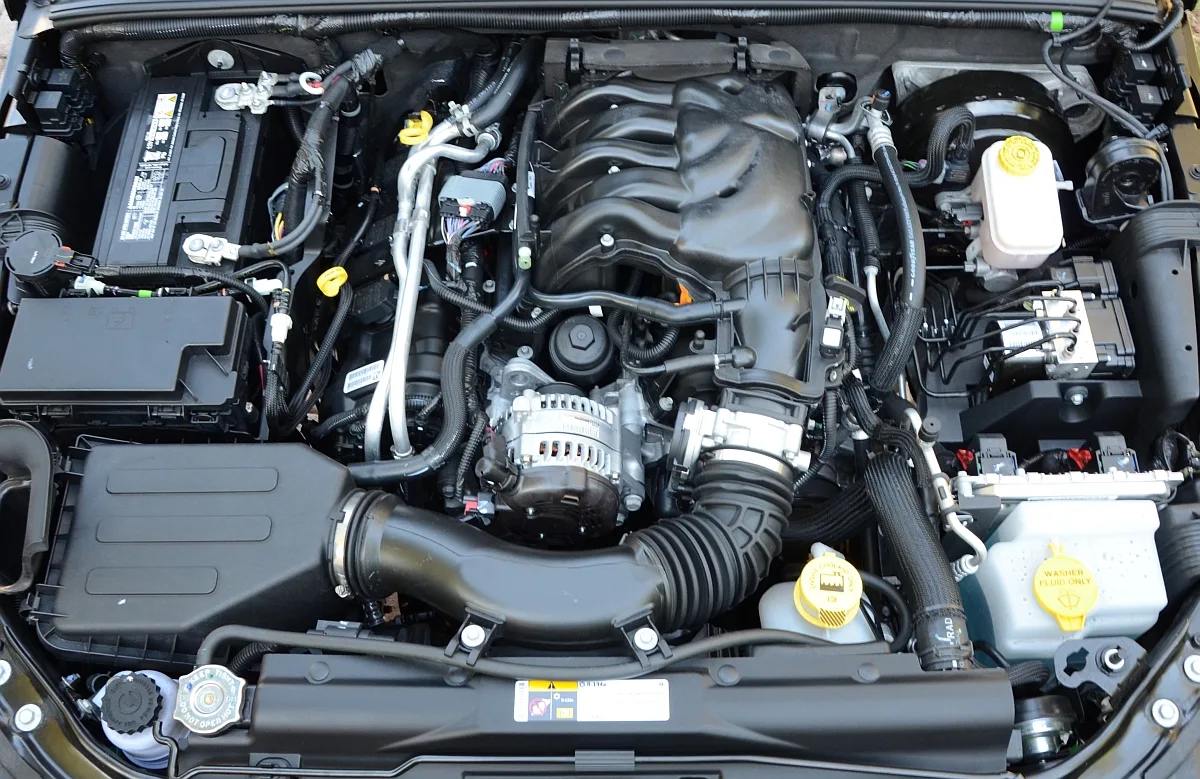
Image source: Web (Bing) / storage.googleapis.com
Let's Start Troubleshooting: A Step-by-Step Diagnostic Approach
This section is designed to guide you through the process of identifying the cause of your Jeep's rough idle. We'll start with simple visual checks and move towards more involved diagnostics.
Step 1: The Visual and Auditory Check
Before you touch a tool, just take a good listen and look around your Jeep while the engine is running. Can you hear any strange hissing sounds? That's often the tell-tale sign of a vacuum leak somewhere in the engine bay.
Also, keep an eye out for anything obviously out of place: a hose that's come loose, a cracked rubber component, or fluid leaks. Sometimes, the problem is as simple as a disconnected sensor connector or a visibly damaged piece of rubber.
Step 2: Inspecting Air Filters and MAF Sensors
A dirty air filter is one of the easiest culprits to check. Locate your Jeep's air filter housing, usually a large black box connected to the engine's intake. Open it up and pull out the filter.
If it's dark, clogged with debris, or you can't easily see light through it, it's definitely time for a replacement. Swapping it out is typically a straightforward process of unclipping the old one and sliding in a new one.
Next, consider the Mass Airflow (MAF) sensor, often found between the air filter box and the throttle body. Over time, the delicate wires within the MAF sensor can get coated with dirt and oil, leading to inaccurate air-volume readings for the ECM. If you suspect this is an issue, you'll need a specialized MAF sensor cleaner.
Carefully remove the sensor, spray the sensor wires according to the cleaner's instructions, and allow it to air dry completely before reinstalling. Using the wrong cleaner can permanently damage the sensor.
Step 3: Checking Spark Plugs and Wires (or Coils)
If your Jeep is older and uses traditional spark plug wires, this is a crucial step. Make sure the engine is cool before you begin. Gently pull each spark plug wire off its corresponding spark plug.
Inspect the wire boot and the wire itself for any signs of cracking, burning, or corrosion. Loose connections here can disrupt the spark.
To check the spark plugs themselves, you'll need a spark plug socket and ratchet. Carefully remove each plug. Examine the electrode for wear, damage, or heavy fouling (a black, oily, or sooty coating).
The condition of the spark plugs can tell you a lot about how the engine is burning fuel. If they appear worn or heavily fouled, it's often best to replace them, along with the spark plug wires if they show signs of degradation.
For Jeeps with coil-on-plug ignition systems, the process is slightly different. You'll be checking individual ignition coils. If your diagnostic trouble codes point to a specific cylinder misfire, you can sometimes swap the ignition coil from that cylinder with one from a known good cylinder.
If the misfire code follows the coil to the new cylinder, you've likely found a faulty coil that needs replacement.
Step 4: Hunting for Vacuum Leaks
Vacuum leaks are incredibly common causes of rough idling. These leaks occur when unmetered air enters the engine's intake manifold, bypassing the MAF sensor and disrupting the air-fuel ratio. With the engine running, listen carefully for any hissing sounds coming from the engine bay.
Pay close attention to all the rubber hoses connected to the intake manifold, as these are frequent points of failure due to age and heat. Inspect them for cracks, splits, or loose connections.
You should also check the gasket where the throttle body mounts to the intake manifold, as this can also develop leaks. A common DIY method for locating small leaks involves carefully spraying a small amount of unlit propane or carburetor cleaner around suspected areas while the engine is idling. If the engine's idle speed changes when you spray a particular spot, you've likely found a leak.
Always exercise extreme caution when using flammable sprays around a running engine.
Step 5: Reading Engine Codes (OBD-II)
If your Jeep's check engine light is on, this is your most direct path to diagnosis. A modern Jeep is equipped with an On-Board Diagnostics II (OBD-II) system. You can use an OBD-II scanner, which can be purchased online or at most auto parts stores.
Plug the scanner into the OBD-II port, usually located under the dashboard on the driver's side.
The scanner will read and display diagnostic trouble codes (DTCs) that the ECM has stored. Codes like "P0300" (Random/Multiple Cylinder Misfire) or codes specifying a particular cylinder (e.g., "P0301" for cylinder 1 misfire) are extremely helpful. Many auto parts stores offer free OBD-II code reading services, which can give you a starting point for your troubleshooting.
As of 2026, these systems remain a critical component of vehicle self-diagnosis. You can learn more about how an OBD2 scanner can help diagnose ABS problems, and similar diagnostic tools are invaluable for pinpointing rough idle issues.
Common Mistakes to Avoid During Diagnosis
When troubleshooting a rough idle in your Jeep, it's easy to fall into a few common traps that can waste time and money. One frequent mistake is replacing parts unnecessarily without proper diagnosis. For example, just because a check engine light is on doesn't automatically mean the part associated with the code is faulty; the code could indicate a symptom of a larger issue, like a vacuum leak affecting multiple sensors.
Another pitfall is neglecting simple maintenance items. A clogged air filter or old spark plugs are cheap to replace and are very common causes of poor engine performance, including rough idling.
Failing to address vacuum leaks properly is also a major issue. People might try to patch hoses with tape or sealant that isn't fuel or heat resistant, leading to the leak returning quickly. It's crucial to use the correct, engine-grade materials.
Additionally, when cleaning components like the MAF sensor, using the wrong cleaning agent (anything other than specialized MAF cleaner) can cause irreversible damage to the sensor, leading to more costly repairs. Lastly, jumping straight to complex solutions without ruling out the obvious, like ensuring all connections are secure and filters are clean, is an inefficient approach.
When to Call a Professional Jeep Mechanic
While many rough idling issues can be tackled with basic DIY skills and tools, there are times when bringing in a professional Jeep mechanic is the smarter choice. If you've gone through the initial diagnostic steps, checking air filters, cleaning the MAF sensor, looking for obvious vacuum leaks, and reading any diagnostic trouble codes, and you're still experiencing a rough idle, it might be time for expert help. Complex electrical system problems, persistent fuel injector issues that don't resolve with cleaning, or internal engine problems often require specialized diagnostic equipment and expertise that most DIYers don't have.
For instance, diagnosing intermittent issues can be particularly challenging and may require advanced scan tools that can log data while the problem is occurring. If your Jeep is relatively new or under warranty, attempting complex repairs yourself could void that warranty. Mechanics also have access to manufacturer-specific service information, which can be invaluable for troubleshooting unique Jeep systems.
If you're not comfortable working around fuel systems or intricate engine components, or if the problem seems to be beyond basic maintenance, entrusting it to a qualified technician will save you time, frustration, and potentially prevent further damage.
Frequently Asked Questions About Rough Idling
Why does my Jeep idle rough only when it's cold?
A rough idle when the engine is cold is often due to the engine management system trying to compensate for a richer fuel mixture needed for cold starts. Components like the idle air control valve or temperature sensors play a bigger role here. As the engine warms up, these systems adjust, and the idle should smooth out.
If it doesn't, it points to a problem with those specific cold-start components or a vacuum leak that's more pronounced when the engine is cold.
Can a bad battery cause a rough idle?
While a weak or failing battery is primarily associated with starting problems, it can indirectly affect engine performance, including idle quality. The battery supplies power to the entire electrical system, including the ECM and various sensors. If the battery isn't holding a sufficient charge, it can cause voltage fluctuations, which might confuse the ECM and lead to erratic engine behavior, potentially including a rough idle.
It's always a good idea to check battery health as part of a broader electrical system inspection.
How often should I replace my Jeep's spark plugs?
Spark plug replacement intervals vary significantly by Jeep model and the type of spark plug installed. Platinum or iridium spark plugs, often found in newer Jeeps, can last anywhere from 60,000 to 100,000 miles or more. Older copper spark plugs typically need replacement much sooner, often around every 30,000 miles.
Always consult your Jeep's owner's manual or a reliable service guide for the manufacturer's recommended maintenance schedule for your specific vehicle.
What's the difference between rough idle and engine misfire?
A rough idle is the symptom, the feeling of unevenness or shaking when the engine is running at a low RPM. An engine misfire is one of the most common causes of a rough idle. A misfire occurs when one or more cylinders fail to fire properly, meaning combustion doesn't happen in that cylinder for a given cycle.
You might feel a misfire as a distinct "skip" or "jerk" from the engine. While a rough idle is the sensation, a misfire is the mechanical or electrical fault causing it.