Why Does My Jeep Lose Power While Driving?
When your Jeep suddenly loses power while you're driving, it's a jarring experience that can leave you stranded and stressed. This common issue can stem from a variety of mechanical and electrical problems, making it crucial to understand the potential causes to get back on the road safely. Often, a vehicle's performance issues aren't catastrophic failures but rather symptoms of component wear or a system imbalance that needs addressing.
Our research indicates that issues ranging from a simple clogged fuel filter to more complex ignition system failures can cause a Jeep to lose power, especially under load. For instance, manufacturer specifications often recommend fuel filter replacement every 30,000 miles to prevent fuel delivery disruptions, a key factor in maintaining engine performance as of 2026. Understanding the interplay of these systems is the first step toward effective troubleshooting.
Quick Checks: Is It Something Simple?
Before diving into more complex diagnostics, it's always wise to rule out the easiest potential culprits. These initial checks can save you time and money if the problem turns out to be a simple oversight.
Fuel Level and Engine Temperature
It sounds almost too basic to mention, but confirming you have enough fuel is the absolute first step. A modern fuel gauge can sometimes be inaccurate, or it's possible to misjudge your remaining range, especially if you've been driving in demanding conditions. Running close to empty can cause the fuel pump to suck in air, leading to sputtering and a noticeable drop in power.
Equally important is monitoring your engine temperature. If your Jeep's temperature gauge is creeping into the red zone, the engine is overheating. To protect itself from damage, the engine's computer will often deliberately reduce power output, or the engine may even shut down completely.
Dashboard Warning Lights
Your dashboard is your Jeep's communication hub, and the Check Engine Light is its most direct way of telling you something's wrong. This light, often shaped like an engine outline, illuminates when the onboard diagnostic system (OBD-II) detects a fault in any of the vehicle's many sensors or systems. Even if the Jeep seems to be running acceptably otherwise, a lit Check Engine Light is a critical clue that points towards an underlying issue affecting engine performance.
Ignoring it could lead to more significant problems down the line.
Decoding the Symptoms: What's Your Jeep Telling You?
The way your Jeep loses power can offer significant clues about the root cause. Paying close attention to the specific nature of the problem is key to narrowing down the possibilities.
Sudden Stalling vs. Gradual Hesitation
If your Jeep completely cuts out without warning, as if you've turned the key off, this often suggests an abrupt interruption to either the fuel supply or the ignition system. This can be caused by a faulty fuel pump that suddenly fails, a loose electrical connection that disconnects the ignition system, or a critical sensor failure. On the other hand, if the power loss is more of a "bogging down" or hesitation when you press the accelerator, it typically indicates a less sudden issue, such as restricted fuel flow or an inadequate air supply to the engine.
This type of symptom means the engine is struggling to get what it needs to produce its usual power.
Jerking, Surging, or Complete Loss
Sometimes, the power loss isn't a smooth decline but rather an intermittent problem. If your Jeep feels like it's lurching forward and then losing power, or if it surges and then dies, this can point to an inconsistent issue. This might be an intermittent electrical fault, a sensor that's giving faulty readings intermittently, or even a problem within the transmission itself that's causing it to slip or engage improperly.
A complete loss of power means the engine is no longer producing any motive force, leaving you unable to drive.
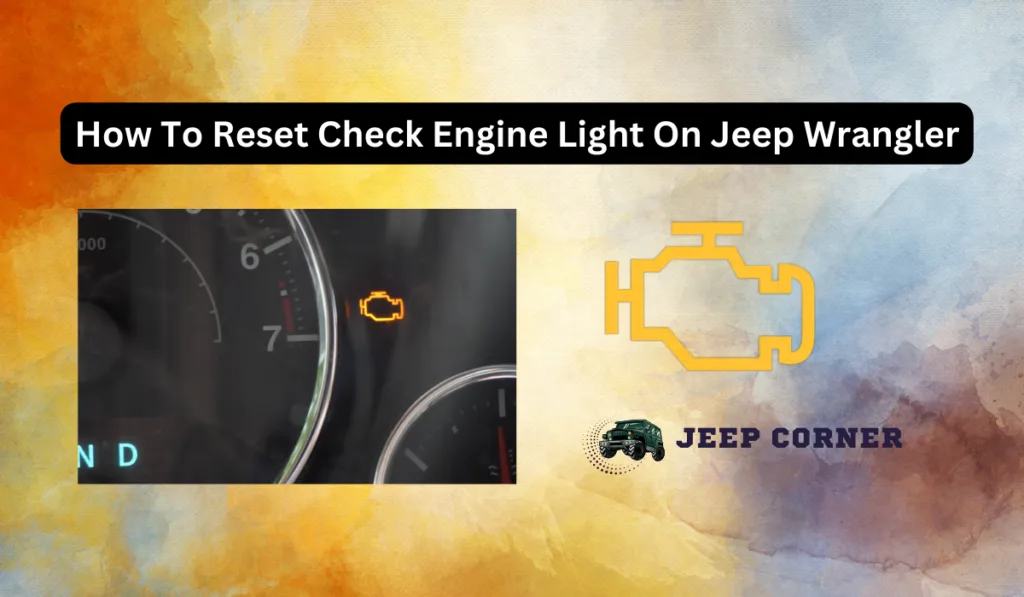
Image source: Bing (Web (fair-use with source credit))
The Top Suspects: Common Causes of Power Loss
Let's dig into the most frequent reasons a Jeep might start losing power. These are the areas that mechanics typically check first because they're the most common culprits.
Fuel System Issues: The Engine's Thirst
Your engine needs a consistent, pressurized supply of fuel to operate. When this system is compromised, even slightly, performance suffers.
Clogged Fuel Filter
Over time, tiny particles of dirt, rust, and debris from your fuel tank can make their way into the fuel filter. This filter's job is to catch that gunk before it reaches the sensitive fuel injectors. As the filter becomes clogged, it restricts the flow of fuel to the engine, much like trying to sip a thick milkshake through a straw that's half blocked.
This restriction becomes more noticeable when the engine demands more fuel, such as during acceleration or when going uphill.
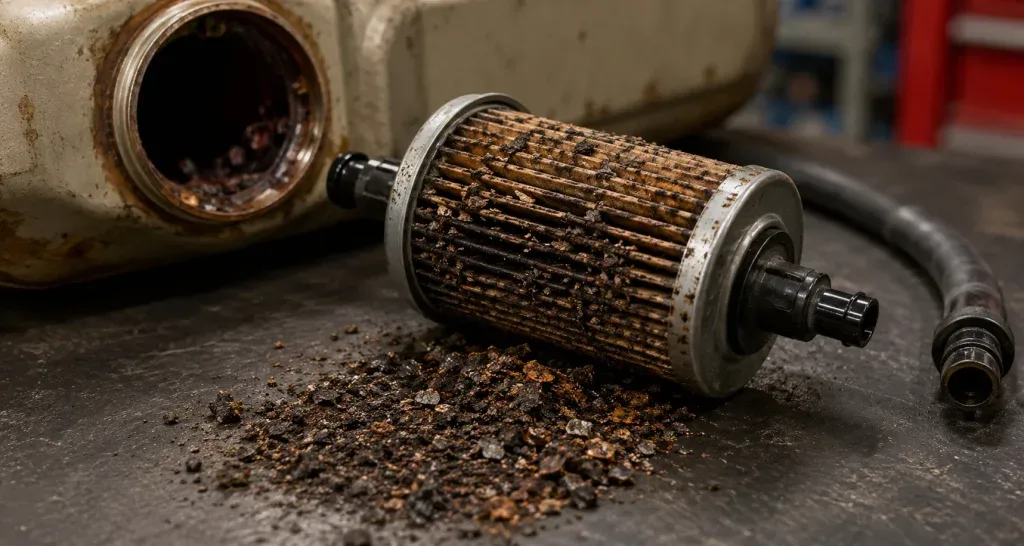
Image source: Web (Bing) / kwikkarautodallas.com (Web image (fair-use with source credit))
- Symptoms: Gradual power loss, hesitation when accelerating, rough idling, and sometimes the engine may stall after prolonged driving.
- When to consider: If your Jeep hasn't had its fuel filter replaced in a while (typically recommended every 30,000 miles, though this can vary by model and driving conditions), this is a prime suspect.
Weak Fuel Pump
The fuel pump is the heart of your fuel system, responsible for pushing gasoline from the tank to the engine under pressure. If the fuel pump is aging or failing, it might not be able to deliver the required volume or pressure of fuel, especially when the engine is working hard. This is why power loss might be more pronounced when accelerating aggressively or at higher speeds, as the engine's fuel demand increases significantly.
A failing pump can lead to a complete loss of fuel delivery.
- Symptoms: Similar to a clogged filter but can be more severe. You might also experience difficulty starting the engine, or the engine may sound like it's struggling for fuel.
- When to consider: If you've ruled out a simple clog and still experience power loss, the fuel pump is the next logical component to investigate.
Dirty Fuel Injectors
Fuel injectors are precision-engineered nozzles that spray fuel into the engine's cylinders in a fine mist. Over time, deposits can build up on the injector tips, disrupting the spray pattern and the amount of fuel delivered. This leads to inefficient combustion, rough idling, and a general lack of power.
Think of it like a showerhead with clogged nozzles, the water spray is uneven and weak. Clean fuel injectors are critical for optimal engine performance and fuel economy.
- Symptoms: Rough idle, hesitation, a noticeable decrease in acceleration, and potentially poor fuel economy.
- When to consider: This is often addressed through fuel system cleaning services or, in more severe cases, replacement of the injectors.
Spark and Ignition Problems: No Spark, No Go
Even with a perfect fuel supply, your engine needs a strong, consistent spark to ignite that fuel. If the ignition system falters, power output will plummet.
Worn Spark Plugs
Spark plugs are critical components that create the spark igniting the air-fuel mixture in each cylinder. Over time, their electrodes erode, and they can become fouled with carbon deposits. Worn-out or fouled spark plugs can lead to misfires, meaning they fail to ignite the mixture properly or at all.
This directly translates to a loss of power and can make your engine run rough.
- Symptoms: Rough idle, noticeable engine misfires (you might feel a distinct "chug" or "hiccup"), reduced acceleration, and decreased fuel efficiency.
- When to consider: Spark plugs are maintenance items and typically need replacement every 30,000 to 100,000 miles, depending on the type and manufacturer recommendations.
Faulty Coils or Wires
In modern vehicles, individual ignition coils often sit directly on top of each spark plug (coil-on-plug systems), while older systems might use spark plug wires to deliver the electrical current. If an ignition coil fails or a spark plug wire is damaged or corroded, the spark won't reach the plug effectively, or at all. This leads to a cylinder not firing, significantly impacting the engine's power and smoothness.
- Symptoms: Similar to worn spark plugs, but can sometimes be more pronounced, leading to a complete misfire in one or more cylinders. You might notice a rougher idle and a distinct lack of power, especially when trying to accelerate.
- When to consider: These components can fail due to age or heat exposure. A thorough diagnostic scan, similar to what an OBD2 scanner can diagnose ABS problems, can often pinpoint which coil or wire is causing the issue.
Air Intake Restrictions: The Engine's Breath
Engines need a precise mixture of air and fuel to combust efficiently. If the air supply is restricted, the engine can't perform at its best.
Clogged Air Filter
The air filter is like the lungs of your Jeep. It cleans the air entering the engine, preventing dirt and debris from causing internal damage. A dirty, clogged air filter significantly restricts airflow.
Imagine trying to run a marathon while breathing through a thick wool scarf, it's incredibly difficult. When airflow is restricted, the engine can't get enough oxygen to burn fuel efficiently, leading to a noticeable drop in power and sluggish acceleration.
- Symptoms: Reduced overall engine power, sluggishness, and sometimes a slight increase in fuel consumption as the engine struggles.
- When to consider: This is one of the simplest maintenance items. Checking and replacing the air filter is a routine task that can often resolve power loss issues. Manufacturer recommendations often suggest checking it every oil change and replacing it annually or as needed.
Mass Airflow Sensor (MAF) Problems
The Mass Airflow (MAF) sensor is a vital component that measures the amount of air entering the engine. This information is sent to the engine control module (ECM), which then calculates the correct amount of fuel to inject. If the MAF sensor is dirty, contaminated, or failing, it sends incorrect air volume data to the ECM.
This leads to an improper air-fuel mixture, causing a wide range of performance issues.
- Symptoms: Hesitation during acceleration, rough idling, stalling, reduced engine power, and often the illumination of the Check Engine Light.
- When to consider: MAF sensors can become contaminated over time. They can sometimes be cleaned with a specialized MAF sensor cleaner, or they may need to be replaced if cleaning doesn't resolve the issue.
Exhaust Blockages: The Escape Route
A problem with the exhaust system, especially a blockage, can severely hinder engine performance because it prevents exhaust gases from escaping efficiently.
Clogged Catalytic Converter
The catalytic converter's job is to reduce harmful emissions by converting toxic gases into less harmful ones. However, over time, it can become clogged with carbon deposits, internal material breakdown, or even from engine issues like burning oil. When this happens, it creates a significant restriction in the exhaust system, essentially acting like a cork in a bottle.
Exhaust gases can't escape freely, building up back pressure and choking the engine, leading to a dramatic loss of power, particularly under load.
- Symptoms: A significant and often sudden drop in engine power, especially when accelerating or going uphill. The engine might feel like it's struggling to "breathe." You might also notice a rotten egg smell coming from the exhaust, or the vehicle may lose power after being driven for a short period.
- When to consider: This is a more serious issue and often requires professional diagnosis. If other, simpler causes have been ruled out, a clogged catalytic converter becomes a strong possibility.
Transmission Worries: Power to the Wheels
Sometimes, the engine is working fine, but the power isn't getting to the wheels as it should. Transmission issues can mimic engine power loss, causing significant performance problems.
Low Transmission Fluid
Automatic transmissions rely on fluid for hydraulic pressure to engage gears and transfer power. If the transmission fluid level is low, or if the fluid itself is burnt and degraded, the transmission may not be able to shift properly or hold gears. This can result in slipping, where the engine revs but the vehicle doesn't accelerate accordingly, or a delayed, harsh engagement of gears.
This feeling of lost acceleration is often mistaken for an engine problem.
- Symptoms: Slipping gears, rough or delayed shifts, a noticeable lack of acceleration when you press the gas pedal, and sometimes a burning smell from the transmission.
- When to consider: Checking your transmission fluid level and condition is crucial. Ensure you do this with the engine warm and running, as per your Jeep's service manual instructions. This is similar to checking the correct fluid level before each season on other types of equipment.
Torque Converter Issues
The torque converter acts as a fluid coupling between the engine and the transmission in most automatic vehicles. It allows the engine to keep running when the vehicle is stopped. If the torque converter is failing internally, it can lead to issues with power transfer.
This can manifest as shuddering at certain speeds or a significant loss of power when you try to accelerate from a stop or at lower RPMs.
- Symptoms: Shuddering or vibration, especially at lower speeds or during acceleration; a feeling of slipping or sluggishness; and a general reduction in the vehicle's responsiveness.
- When to consider: Torque converter problems are typically diagnosed by a transmission specialist and usually require a professional repair.
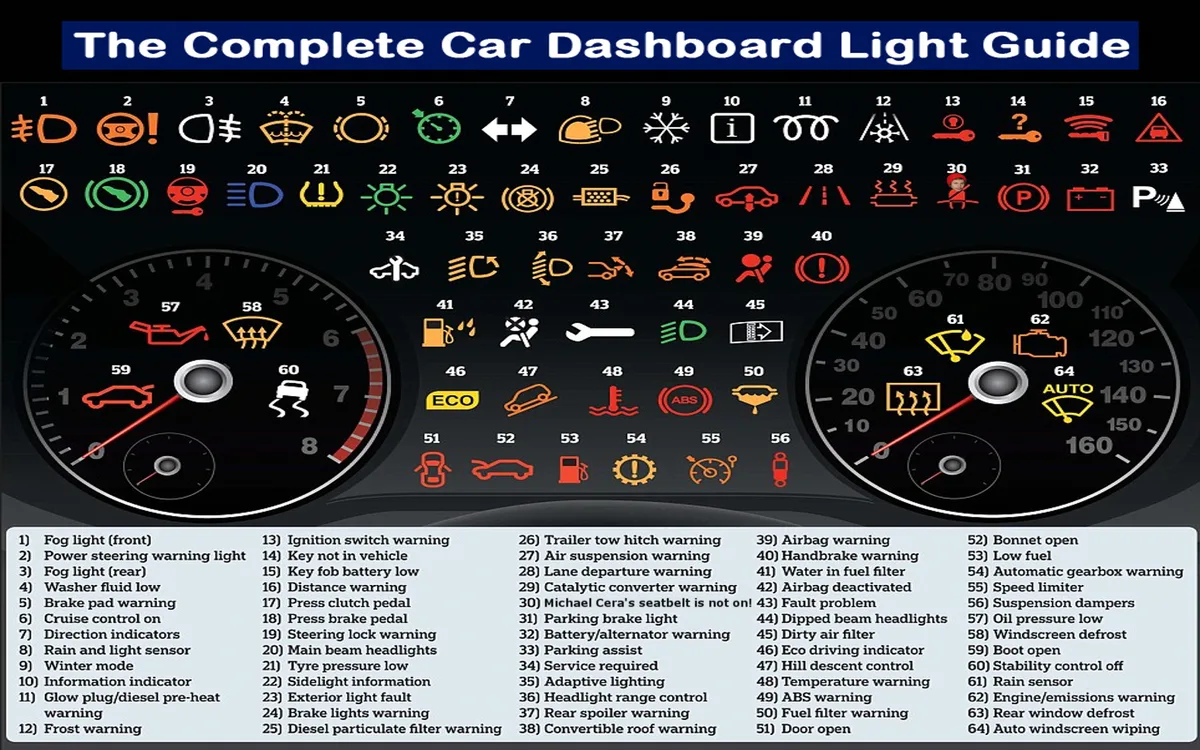
Image source: Bing (Web (fair-use with source credit))
Troubleshooting Your Jeep's Power Loss
Once you have an idea of what might be going wrong, the next step is to systematically investigate. This process involves careful observation and, sometimes, a bit of hands-on checking.
Step 1: Visual Inspection and Simple Checks
Start with what you can see and easily access. Look for obvious damage or disconnections in visible hoses, wires, and belts. Check that your air filter housing is secure and that there are no obvious obstructions in the intake tract.
Make sure battery terminals are clean and tight, as a weak electrical connection can cause all sorts of strange issues.
Step 2: Listening and Feeling for Clues
Pay close attention to sounds your Jeep is making. Are there any unusual knocking, hissing, or clicking noises? Does the engine sound rough or uneven?
Feel for vibrations or surges in power delivery. These sensory clues can often point you in the right direction, even before you start using diagnostic tools.
Step 3: When to Call in the Pros
If you've gone through the basic checks and the problem persists, or if you're dealing with an issue that requires specialized tools or knowledge, it's time to consult a qualified mechanic. For instance, diagnosing a failing fuel pump or a clogged catalytic converter often requires pressure gauges and specialized exhaust backpressure testers that most home mechanics don't have. While you can do some preliminary checks, complex automotive repairs are best left to professionals to ensure safety and proper resolution.
Common Mistakes to Avoid When Diagnosing
When troubleshooting any vehicle issue, it’s easy to fall into common traps that can lead to wasted time and money. Being aware of these pitfalls can help you make better diagnostic decisions.
Ignoring the Check Engine Light
This is perhaps the most common and costly mistake. The Check Engine Light is your Jeep's built-in diagnostic system signaling a problem. Ignoring it, or simply hoping it will go away, can allow a minor issue to escalate into a major, expensive repair.
Modern vehicles have complex computer systems, and even a seemingly small fault can trigger a cascade of problems if left unaddressed.
Assuming the Worst (or the Simplest)
It’s tempting to either jump to the most dramatic conclusion or dismiss the problem as something trivial. For example, immediately assuming you need a new engine when it could be a simple clogged fuel filter. Conversely, if your Jeep is sputtering, don't just assume it's a loose gas cap; while possible, it's often a more complex issue.
A methodical approach, ruling out the simple things first before moving to the more complex, is always best.
DIY Repairs Without Proper Knowledge
While many Jeep owners enjoy performing their own maintenance, attempting repairs beyond your skill level can create more problems. Certain systems, like the fuel injection or ignition systems, require specific tools and a deep understanding of how they work. Incorrectly diagnosing or repairing these components can lead to further damage, safety hazards, or incorrect reassembly, ultimately costing more in the long run.
Frequently Asked Questions About Jeep Power Loss
What does it mean if my Jeep loses power when accelerating uphill?
Losing power specifically when accelerating uphill often indicates that the engine isn't receiving enough fuel or air to meet the increased demand. Common causes include a clogged fuel filter, a weak fuel pump, a dirty air filter, or a restricted exhaust system like a clogged catalytic converter.
Can a bad battery cause my Jeep to lose power?
While a weak or failing battery is more likely to cause starting issues or electrical system malfunctions, it can indirectly contribute to power loss if it's not supplying enough stable voltage to critical engine management systems, like the fuel pump or ignition coils. However, it's not usually the primary cause of power loss while driving.
How much does it typically cost to fix a Jeep losing power?
The cost can vary dramatically. Simple fixes like replacing an air filter or fuel filter might range from $20 to $100 for parts. More complex issues, such as replacing a fuel pump, ignition coils, or a catalytic converter, can range from a few hundred dollars to over $1,000, depending on the specific part and labor rates.
A diagnostic scan by a mechanic usually costs between $100 and $200.
Is it safe to drive my Jeep if it's losing power?
It's generally not advisable to drive your Jeep if it's losing power, especially if the issue causes sudden stalling or significant hesitation. Continuing to drive could lead to further damage to the engine or other components, and it poses a safety risk, particularly if the power loss occurs in traffic or on a highway. It's best to get it diagnosed and repaired promptly.
Getting Your Jeep Back on the Road
Addressing a Jeep that's losing power requires a systematic approach, starting with simple checks and moving toward more complex diagnostics. By understanding the common causes, from fuel and ignition system issues to air intake and exhaust restrictions, you can work with your mechanic to accurately pinpoint the problem. Don't ignore warning signs like the Check Engine Light, and always prioritize safety by seeking professional help when needed.
Getting your Jeep running smoothly again ensures reliability and peace of mind on all your adventures.