Why Does My Treadmill Smell Like Burning
If your treadmill suddenly smells like something's burning, stop the workout and unplug it now. If you're asking why does my treadmill smell like burning, the cause is usually one of two things: a friction problem with the walking belt or an electrical fault in the motor area. Both need attention, but they are very different fixes.
In our research, most burning smells trace back to a dry walking belt dragging against the deck. That friction creates heat and a rubbery odor. Electrical smells are less common but far more dangerous.
As of 2026, treadmill safety standards like UL 1647 focus heavily on motor and wiring failure prevention for exactly this reason.
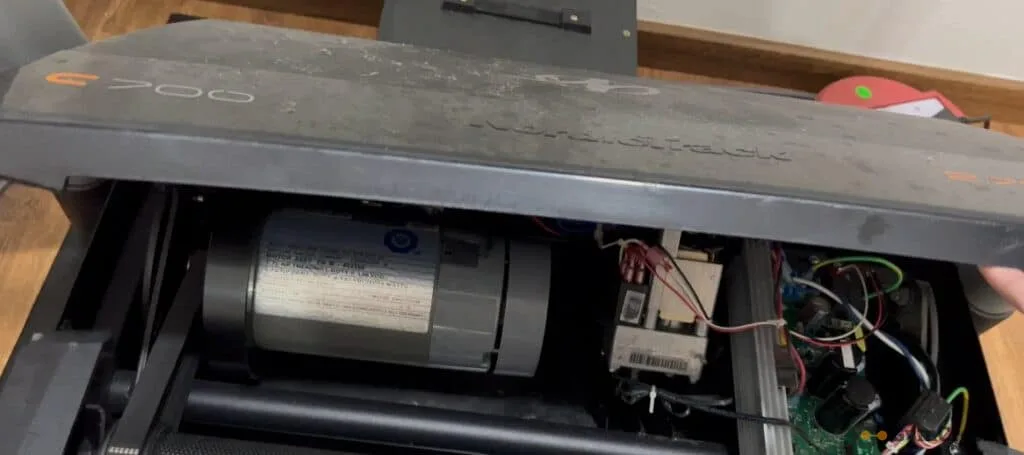
Image source: Bing (Web (fair-use with source credit))
Why Your Treadmill Smells Like Burning: Before You Do Anything, Read This
The short answer is that a treadmill burn smell comes from one of two sources: a dry walking belt rubbing the deck, or an overheated electrical component like the motor controller. The belt issue is fixable at home. The electrical issue is not.
- Rubbery or friction smell → walking belt or drive belt problem. This is the more common cause.
- Acrid, plastic-like, or ozone smell → electrical component problem. This is the dangerous one.
Ozone smells like burnt metal or copy machine air. If that's what you notice, unplug the treadmill from the wall outlet right away. Do not just press stop.
The console can still send power to the controller in standby mode.
If the smell is more like scorched rubber and the machine ran fine until today, check the belt tension and lubrication. We'll cover both below. In the meantime, remember that no repair is worth a fire risk.
If you see smoke, move the machine away from anything flammable and call a technician. For perspective on when repair makes sense, consider the overall value of home cardio equipment before you spend money on a complex fix.
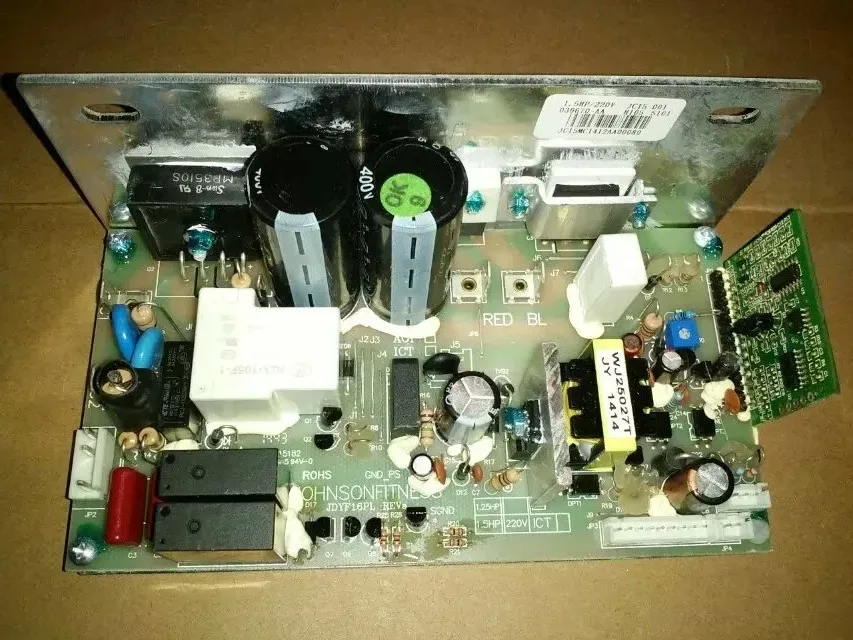
Image source: Bing (Web (fair-use with source credit))
Belt Problems vs Electrical Problems: How to Tell the Difference Fast
Your nose is the best diagnostic tool. But you need to know what each smell means. The difference comes down to location, timing, and odor quality.
| Symptom | Belt / Friction Problem | Electrical Problem |
|---|---|---|
| Smell type | Rubbery, hot rubber, or burnt tire | Acrid, chemical, plastic, or burning dust |
| Where it comes from | Under the belt, near the deck | Motor hood, console, or power cord |
| When it happens | During or after running at higher speeds | Anytime, even at startup |
| Smoke | Not typical, maybe a wisp of rubber vapor | Visible, near the motor or wiring |
| Sound | Squealing, squeaking, or belt slipping | Humming, buzzing, or popping |
| Danger level | Low to moderate | High. Fire or shock risk |
A dry walking belt heats up because the friction has nowhere to go. The deck and belt rely on a silicone-based lubricant between them. When that wears off, the contact point gets hot.
That's the rubbery smell.
An electrical problem produces a harsher, sharper odor. The motor controller has capacitors and circuit boards that can overheat. The motor itself has carbon brushes that wear down and start arcing.
Sparking brushes smell like ozone.
If you need to open the motor cover, do it safely. Unplug first. Wait ten minutes for the capacitors to discharge.
Use a flashlight and look for discolored wires, blackened plastic, or melted connectors. Any of those means a professional repair, not a home fix. Skipping this safety step can lead to shock or an electrical fire.
The Step-by-Step Treadmill Smell Diagnosis (Safe, Ordered, Unplugged)
Treat this like a checklist. Slow down. Don't skip steps.
You're doing a safety inspection, not a quick glance.
- Stop and unplug the treadmill immediately. Pull the power cord from the wall outlet. Not the switch. Not the console. The plug.
- Let the machine cool completely. Give it at least 20 to 30 minutes. A hot belt or motor can burn you.
- Sniff around. Move around the treadmill. Where is the strongest smell? Under the belt, near the motor hood, or at the power cord?
- Lift the walking belt. Check the underside for glazing, cracks, or an overly shiny surface. A glazed belt looks polished and hard. That means it's worn out.
- Check belt tension. Press down on the center of the walking belt. It should lift about 2 to 3 inches off the deck. If it's tighter than that, the extra strain heats up the motor.
- Inspect the drive belt. Look at the small belt connected to the drive motor. If it looks frayed, worn, or uneven, that's a source of burning rubber.
- Open the motor hood if needed. Look for dust build-up, blackened wires, or a blown fuse. Any signs of burning in there mean you stop and call a tech.
Here's the visual you should hold in your head: a belt that's too tight is like over-bending a wire. It stresses and cracks. A belt that's dry is like dragging a heavy box across carpet.
It heats up fast.
If you find obvious wear, the fix is usually lubrication or a belt replacement. If you find anything electrical, you're done diagnosing. This type of condition check is similar to the routine maintenance on an elliptical machine that keeps its moving parts quiet and safe.
How to Fix the Most Common Causes Yourself (With Exact Lube and Tension Tips)
Let's assume you've confirmed the problem is friction. That's the fixable one. The two main issues are dry belts and too-tight belts.
Here's how to handle both.
Lubrication, the right way.
The only lubricant you should use is 100% silicone-based treadmill lubricant. Not WD-40. Not household oil.
Not anything that isn't labeled for treadmill decks. The wrong lubricant can degrade the belt material or leave a sticky residue that traps dust.
- Unplug the treadmill.
- Loosen the walking belt with the rear roller bolts. Turn both bolts a quarter turn counterclockwise.
- Lift the belt on one side. Apply the silicone lubricant along the center line of the deck. One thin strip, not a flood.
- Flip to the other side and repeat.
- Run the treadmill at 3 to 4 mph for about 3 to 5 minutes. That spreads the lubricant evenly.
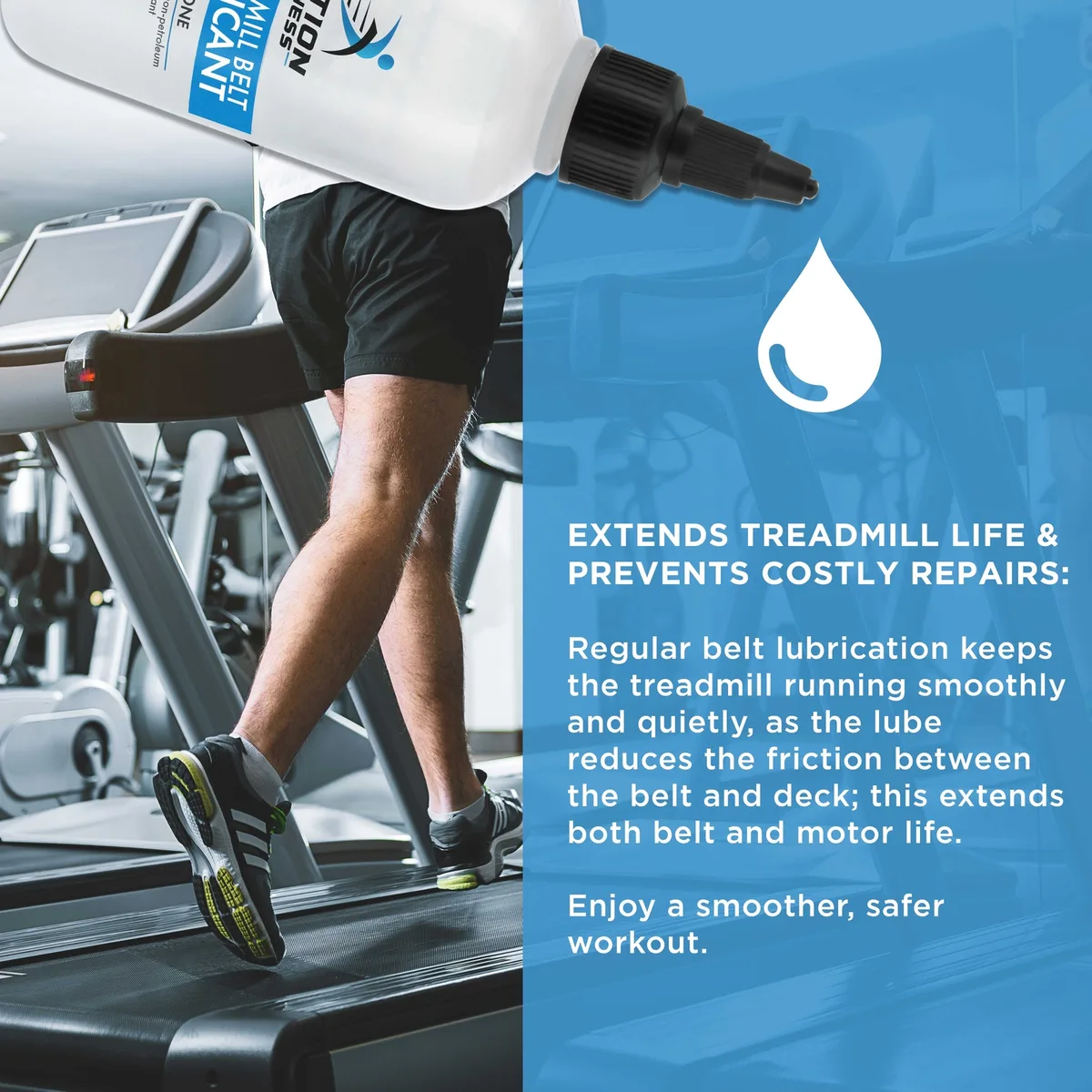
Image source: Bing (Web (fair-use with source credit))
Most manufacturers recommend re-lubricating every 3 to 6 months depending on usage. If you work out daily, lean toward the 3-month end. Check your owner's manual for the exact interval and the recommended product.
Belt tension, the right way.
A belt that's too tight puts stress on the motor and makes it run hot. A belt that's too loose slips and creates friction.
- Find the rear roller bolts on the back end of the frame.
- Turn both bolts a half turn clockwise to tighten, or counterclockwise to loosen. Always make equal turns on both sides.
- Check the lift. The belt should lift 2 to 3 inches in the center.
- Run the treadmill at a low speed and watch the belt track. It should stay centered, not drift left or right.
If the belt is glazed, cracked, or worn unevenly, lubrication won't save it. You'll need a new walking belt. That's a bigger job, but still doable if you're handy.
A replacement belt usually costs between $100 and $250 in parts, depending on your treadmill brand.
When to Stop and Call a Treadmill Technician
Some problems are not home repairs. Don't let stubbornness turn a small issue into a fire hazard. Call a professional if you see any of these signs:
- The smell is clearly electrical. Acrid, sharp, or like burnt plastic. Friction smell doesn't act like this.
- You see smoke. Even a wisp means you're dangerously close to an electrical fire.
- The treadmill trips your breaker or blows a fuse. That suggests a short circuit or failing motor controller.
- The motor hood is hot to the touch just minutes into a workout.
- You notice charred wires or melted plastic when you remove the motor cover.
- The motor makes buzzing, grinding, or arcing sounds along with the smell.
Motor controllers are sensitive electronic components. They handle high voltage and high current. Opening them up without proper training risks electrical shock.
A trained technician has the tools to test the controller, the motor brushes, and the wiring harness safely.
If your treadmill is less than a year old, don't open the motor cover. Most warranties require a certified technician to perform repairs. Doing it yourself could void the coverage entirely.
Also, don't rush into an expensive repair. A major repair can cost $200 to $400. That's sometimes half the cost of a new treadmill.
The same math applies when you're deciding whether to fix an older elliptical machine. Compare those numbers before you commit. If you're exploring other options, the difference between a rowing machine and an elliptical may help you decide whether a replacement makes more sense.
The Daily and Monthly Habits That Keep Burn Smells Away for Good
Once you've solved the immediate problem, prevention becomes your main job. Most treadmill smells come back because of neglected routine care. Here's the schedule we recommend based on how people actually use these machines.
| How Often | What To Do | Why It Matters |
|---|---|---|
| After every workout | Wipe sweat off the deck edges and console | Prevents corrosion and keeps debris out |
| Weekly | Vacuum around the motor hood and belt | Dust traps heat and reduces airflow |
| Monthly | Check belt tension and tracking | Prevents slipping and uneven wear |
| Every 3 to 6 months | Apply silicone lubricant per your manual | Keeps friction low and the motor cool |
Dust is the enemy of your motor controller. It traps heat inside the casing and makes electrical components run hotter than they should. A quick vacuum every few weeks can prevent the exact acrid smell we covered earlier.
For the latest safety recommendations and recall information, check the Consumer Product Safety Commission website.
Your treadmill will tell you what it needs if you listen. The same goes for the rest of your home gym. When you compare an elliptical and an exercise bike, look at the maintenance requirements as part of the decision.
Machines that are easy to clean stay out of the repair shop longer.
Treadmill Burning Smell FAQs
Is a burning smell normal on a new treadmill?
A faint rubbery smell during the first few workouts is common. That's the belt and deck seating together. It should fade and mostly disappear within a week.
If the smell stays strong, keeps coming back, or turns acrid, you have a real problem.
Can I use WD-40 to lubricate my treadmill belt?
No. WD-40 is a solvent, not a lubricant. It will dry out the belt and leave a sticky residue that attracts dust.
Use 100% silicone treadmill lubricant instead. That's what manufacturers specify in their owner's manuals.
Why does my treadmill smell like burning after sitting unused for months?
The silicone lubricant dries out or hardens while the machine sits idle. The belt gets stiff and starts dragging against the deck. Apply fresh silicone following the steps above, then run it at low speed for a few minutes.
The smell usually clears quickly if that's the cause.
What should I do if my treadmill starts smoking?
Unplug it immediately. Do not run it again, even to test it. Smoke is a serious sign of an electrical fire hazard.
Call a qualified treadmill technician and leave the machine unplugged until it's inspected and repaired.