How to Do Interval Training on a Treadmill
Treadmill intervals look simple on the surface: run fast, walk slow, repeat. But the difference between a great workout and a trip to urgent care comes down to how you structure those bursts. Knowing how to do interval training on a treadmill properly matters more than how hard you push on any single interval.
As of 2026, the American College of Sports Medicine still recommends medical clearance before high-intensity exercise if you have heart risk factors. Your heart rate spikes fast during intervals, and the treadmill forces you to keep pace or jump off. The details matter.
Quick Answer
Start with a 5 minute easy jog to warm up. Alternate 30 seconds of hard running with 60 seconds of easy walking. Repeat that cycle 8 to 10 times.
Finish with a 5 minute cool-down. Keep your hard effort around a 7 or 8 on a 10-point scale. Adjust speed and incline based on your fitness level.

Image source: Bing (Web (fair-use with source credit))
How Interval Training on a Treadmill Actually Works
Interval training alternates high-effort work periods with lower-effort recovery periods. This pattern pushes your cardiovascular system harder than steady-state cardio. The result is improved VO₂ max, faster running economy, and better endurance in less time.
Your body responds to intervals because of EPOC, or excess post-exercise oxygen consumption. After hard bursts, your metabolism stays elevated while your body restores oxygen levels and clears metabolic byproducts. You burn more calories after the workout ends, not just during it.
The treadmill is uniquely suited for this because it controls the variables. You set the speed, the incline, and the exact moment each interval starts and ends. There's no GPS lag or terrain surprises like you'd get running outdoors.
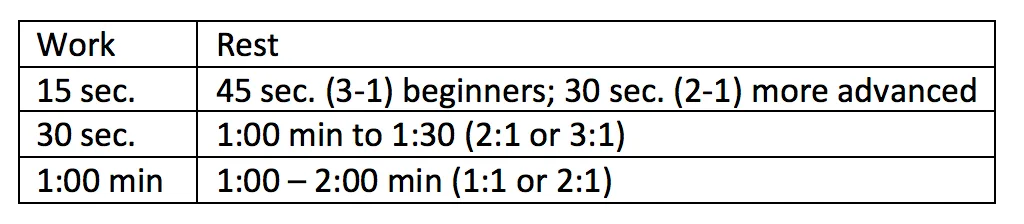
Image source: Bing (Web (fair-use with source credit))
Who Treadmill Intervals Are Right For (and Who Should Skip Them)
Beginners can do intervals, but start conservative
If you're new to exercise, begin with incline walking intervals rather than running. Walk at a brisk pace for 2 minutes, then increase the incline for 1 minute. The intensity comes from the hill, not the speed.
That's gentler on your joints while still building cardiovascular fitness.
Experienced runners can push harder
If you already run regularly, you can handle speed intervals. A typical session might include 4 to 6 repeats of 800 meters at a fast pace with 3 minutes of recovery jogging between each. Your body knows how to run, so you just need to manage the effort carefully.
People with health conditions should talk to a doctor first
If you have high blood pressure, heart disease, joint problems, or you're pregnant, get medical clearance before starting. High-intensity work spikes blood pressure and heart rate rapidly. The treadmill adds fall risk if you become dizzy or lightheaded.
Complete beginners with zero recent exercise history
If you haven't exercised meaningfully in months, don't start with intervals. Build a base of 3 to 4 weeks of steady walking and light jogging first. Your tendons and ligaments need time to adapt before handling explosive effort.
Your First Treadmill Interval Workout: Step-by-Step Setup
This is a 20 minute beginner-friendly session. It assumes you're healthy enough to exercise and have done some walking or jogging recently.
| Phase | Duration | Speed (mph) | Incline (%) | Effort (RPE) |
|---|---|---|---|---|
| Warm-up | 5 min | 2.5 to 3.0 | 0 to 1 | 2 to 3 |
| Interval | 1 min | 4.0 to 4.5 | 0 to 1 | 6 to 7 |
| Recovery | 2 min | 2.5 to 3.0 | 0 | 3 |
| Interval | 1 min | 4.0 to 4.5 | 0 to 1 | 6 to 7 |
| Recovery | 2 min | 2.5 to 3.0 | 0 | 3 |
| Interval | 1 min | 4.0 to 4.5 | 0 to 1 | 6 to 7 |
| Recovery | 2 min | 2.5 to 3.0 | 0 | 3 |
| Cool-down | 5 min | 2.0 to 2.5 | 0 | 2 |
Clip the safety key first
Attach the emergency stop clip to your shirt before stepping on the belt. If you stumble or feel unwell, the treadmill stops instantly. That small habit fills the gap between a manageable stumble and a serious fall.
Set your starting speed while standing on the rails
Step onto the treadmill side rails. Set your starting speed to 2.0 mph. Step onto the belt and hold the rails briefly until you find your rhythm.
Release them once you're comfortable.
Run the intervals at controlled effort
During your 1 minute work interval, you should feel like you're working but still able to say a few words. If you're gasping, slow down. If you feel like you could sing, speed up.
Effort matters more than hitting a specific number on the display.
Use recovery walks purposefully
Keep walking during recovery periods. Dropping to a standstill while the belt moves creates a hazard. Your recovery walk should feel easy but active, letting your heart rate come down before the next work burst.
Progress gradually each week
Add one more interval per session or increase speed by 0.2 mph. Don't change both at once. Gradual progression prevents overuse injuries like shin splints and Achilles irritation.
For more guidance on exercise frequency, our breakdown on how often you should use cardio equipment covers recovery principles that apply across machines.
Speed vs Incline: How to Pick the Right Interval Variables
Speed and incline create two different training effects. Speed intervals build leg turnover and running economy. Incline intervals build strength and power in your glutes and hamstrings while raising your heart rate without the impact of running faster.
When to adjust speed first
If your goal is running faster in races, prioritize speed. Increase pace by 0.3 to 0.5 mph per session until your work interval feels genuinely challenging. Watch that you're not grabbing the handrails or leaning forward to keep up.
When to adjust incline instead
If you want to build lower body strength or your form breaks down at higher speeds, stay at a moderate speed and raise the incline instead. A 6.0 mph run at 4% incline is brutally hard even though the speed looks modest on paper.
Combining both for advanced workouts
Advanced runners can layer speed and incline together. Try a 0.5 mph speed increase plus a 1% incline bump in the same interval. This compound stress maximizes adaptation but demands solid recovery between sessions.
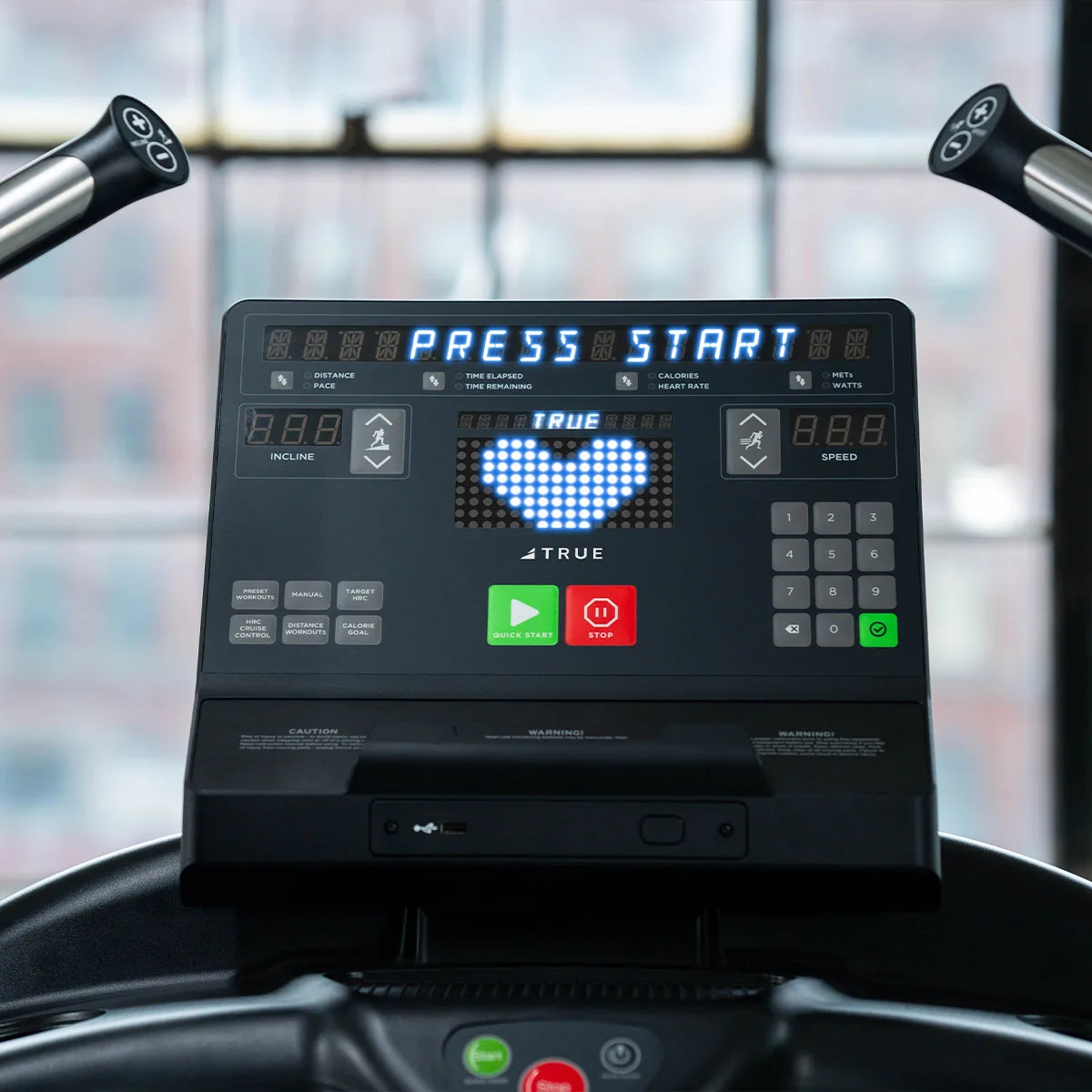
Image source: Bing (Web (fair-use with source credit))
Interval variable cheat sheet for common goals
| Goal | Primary variable | Starting setting | Progression |
|---|---|---|---|
| General fitness | Incline | 2% at brisk walk | Add 0.5% per week |
| Race speed | Speed | 5.0 mph for 1 min | Add 0.2 mph per week |
| Lower body strength | Incline | 4% at 4.5 mph | Add 0.5% per week |
| Fat loss | Both | 3% plus moderate speed | Alternate which one you raise |
| Joint-friendly cardio | Incline | 6% at brisk walk | Add 1% per week |
When joints complain, incline wins. Running at high speeds forces the treadmill to do most of the work. You're barely generating your own forward momentum above 7 mph.
A controlled 4.5 mph run at 6% incline fires up your muscles more effectively. If you're curious about how treadmill training compares to other cardio machines, our guide on elliptical vs rowing machines walks through the trade-offs.
Common Treadmill Interval Mistakes and How to Fix Them
Holding the handrails
Gripping the rails cuts your workload by up to 20% and trains you in a posture that doesn't transfer to outdoor running. Let go once you find your balance. If you must hold on, the speed is too high.
Picking an unsustainable speed
Most people start intervals too fast and throttle down to survive. That defeats the purpose. Choose a speed you can hold for all your work intervals, even if the last one feels brutal.
Aim for consistency, not a hero moment on the first repeat.
Skipping the warm-up
Cold muscles and tendons don't handle rapid speed changes well. A proper 5 minute warm-up raises your core temperature and preps your cardiovascular system. Skipping it multiplies your injury risk without saving meaningful time.
Making every session maximal
Two hard interval sessions per week is enough for most people. Anything beyond that leads to central nervous system fatigue and diminishing returns. On other cardio days, stick to steady-state work at a conversational pace.
Looking for the right session length can help you plan realistic workouts.
Watching the console instead of your body
Staring at the timer makes the workout feel longer and encourages bad form. Keep your gaze forward, your shoulders relaxed, and your arms swinging naturally. Let your effort guide you, not the numbers on the screen.
Red Flags: When to Stop or See a Doctor
Interval training stresses your cardiovascular system in ways steady-state cardio doesn't. The CDC's physical activity guidelines advise stopping exercise immediately if you experience chest pain, unusual shortness of breath, dizziness, or an irregular heartbeat. Pushing through these symptoms is never worth it.
Stop your workout right away if you feel faint or lightheaded. Step off the treadmill carefully and sit down. Hydrate and monitor how you feel before attempting any more exercise that day.
See a doctor before starting intervals if you have any of these conditions:
- High blood pressure or a history of heart disease
- Asthma or other respiratory conditions
- Joint problems, especially in your knees, hips, or ankles
- Diabetes or a family history of early heart disease
- Any recent surgery or prolonged illness
Schedule a check-up if you notice exercise-induced pain that lingers after your session. That includes joint pain that worsens over days, persistent chest tightness, or a resting heart rate that stays elevated for 48 hours or more. Persistent symptoms deserve professional evaluation, not internet advice.
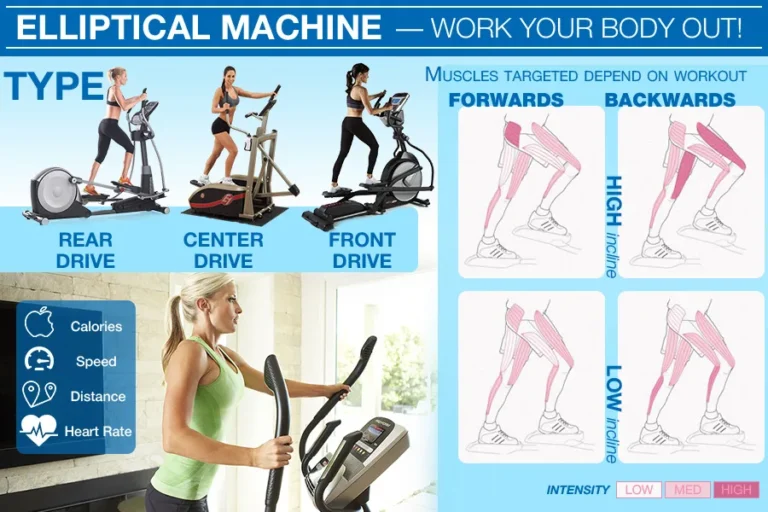
When you're building a routine that combines strength work with cardio, knowing which muscles your equipment targets helps you avoid overloading the same areas every session.
FAQ: Quick Answers to Common Treadmill Interval Questions
How often should I do treadmill intervals?
Two to three times per week works best for most people. Your body needs 48 to 72 hours between high-intensity sessions to recover fully. Use other days for easy walking or low-intensity steady cardio.
How long should each interval be?
For beginners, 30 to 60 seconds works well. Advanced trainees can extend intervals to 2 to 4 minutes, especially for longer-distance race preparation. Match the interval length to your fitness level and your specific goal.
Is it OK to do intervals on a treadmill every day?
No. Daily high-intensity intervals lead to overtraining syndrome and injury. Your muscles, joints, and nervous system need recovery days.
Alternate hard interval days with easy walking or complete rest.
What's better for intervals: speed or incline?
Both work. Speed builds leg turnover and running economy. Incline builds lower body strength with less joint impact.
Choose based on your goals and your body's tolerance. Many runners alternate them across sessions for balanced development.
Can beginners do interval training on a treadmill?
Yes, but start gentle. Use incline walking intervals instead of running to reduce joint stress. Keep the work phase short and the recovery period generous.
Build up gradually over several weeks before adding speed.
How do I know my effort is right?
Use the talk test. On hard intervals, you should be able to speak a short sentence but not hold a conversation. During recovery, you should feel comfortable enough to chat freely.
This keeps your intensity in the right zone without needing a heart rate monitor.