What Is an Exercise Bike
Joint pain, tight schedules, and zero motivation to drive to the gym. That's the exact problem an exercise bike solves. So, what is an exercise bike, exactly?
It's a stationary machine that lets you pedal in place, delivering low-impact cardio without the road, the traffic, or the weather.
Per the ISO 20957 safety standard for stationary training equipment, even home-use bikes must pass durability and stability tests before reaching the market. That means budget models are more solid than you'd expect. As of 2026, you'll find everything from a basic magnetic-resistance upright to a smart bike that auto-adjusts resistance.
They all share one goal: they make you pedal. But not all pedaling feels the same, and that's the part most buyers overlook.
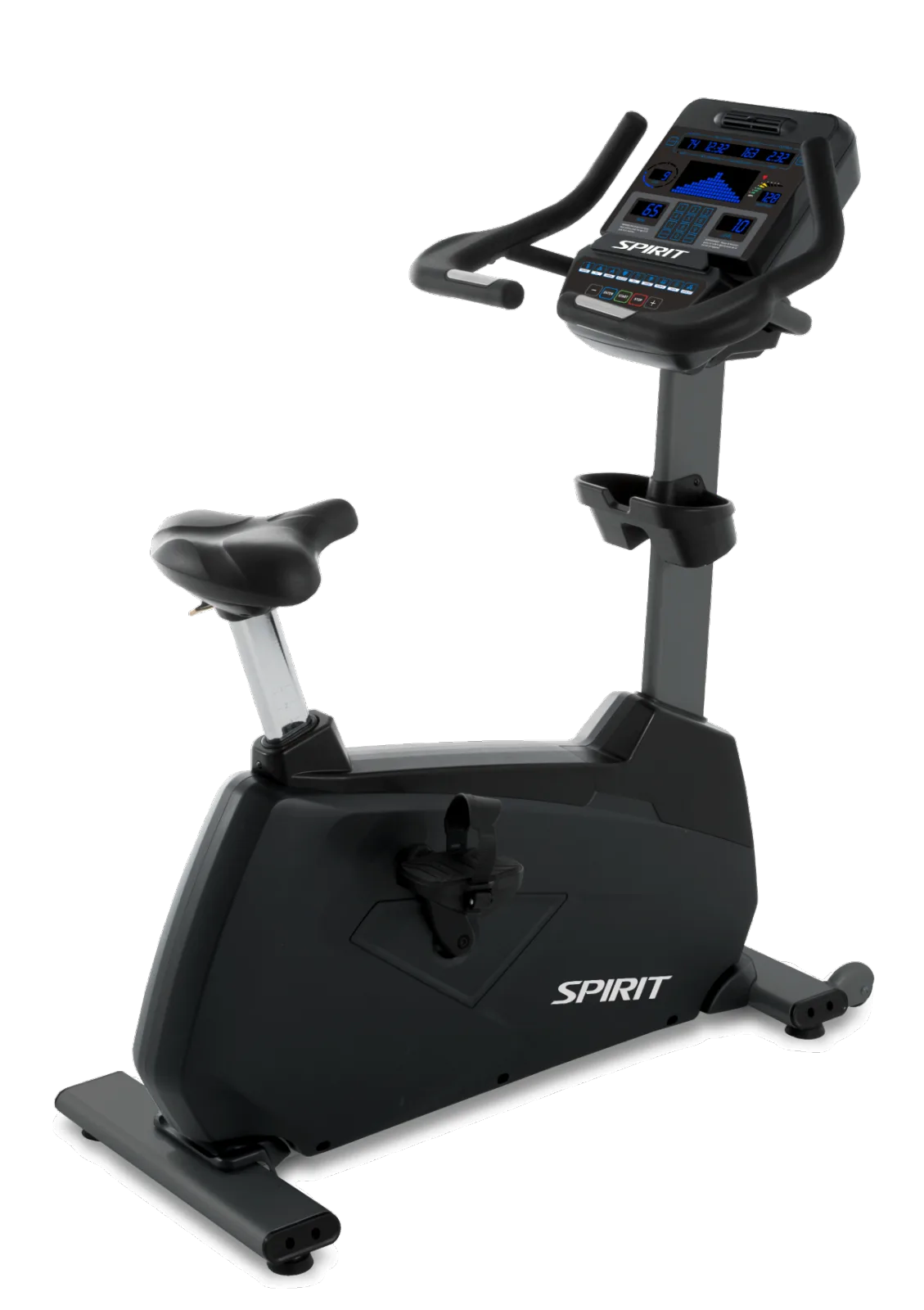
Image source: Bing (Web (fair-use with source credit))
So What Exactly Is an Exercise Bike? (Quick Answer + Key Types)
An exercise bike is a stationary machine with pedals, a saddle, and handlebars. You sit and pedal to get cardiovascular exercise. It's low-impact, so it's easier on your knees than running.
Most models fall into four main types, and the best one depends on your goals.
Every exercise bike has four core parts: a frame, a saddle, handlebars, and a drivetrain connected to resistance. The frame dictates your riding position. The drivetrain and resistance dictate how hard you work.
Flywheel weight matters more than most people expect. Heavier flywheels, typically 15 to 50 pounds, feel more like riding outdoors and help you maintain momentum between pedal strokes.
The four main categories are upright, recumbent, spin, and air bikes. They all offer cardio, but they differ in riding position, resistance, and intensity. The type you choose will change how your body feels during and after the ride.
If you're not sure where to start, the next section walks you through each type.
The Four Main Types of Exercise Bikes: Upright, Recumbent, Spin, and Air
Here's how the four major types compare at a glance.
| Type | Riding Position | Best For | Watch Out For |
|---|---|---|---|
| Upright | Upright, similar to a regular bike | General home cardio | Saddle can be uncomfortable on long rides |
| Recumbent | Reclined, wide seat with back support | Knee, hip, and back sensitivity | Takes up more floor space |
| Spin / Indoor Cycling | Aggressive, aerodynamic | High-intensity intervals and road bike training | No coasting, can be intense for beginners |
| Air / Fan | Sitting tall, moving handlebars | Full-body workouts and HIIT | Noisy, effort scales with speed |
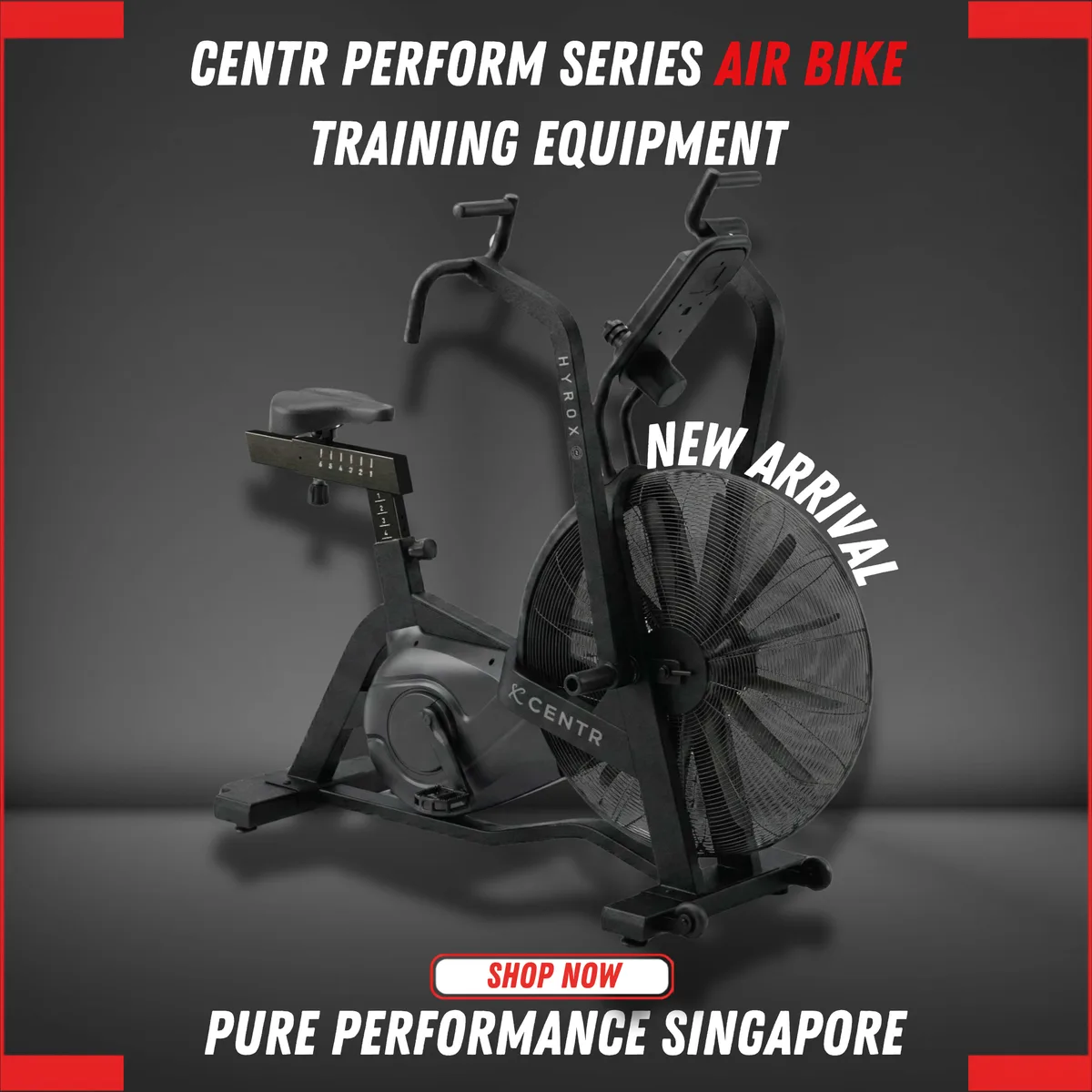
Image source: Bing (Web (fair-use with source credit))
Resistance type often matters more than brand. Magnetic resistance is the quietest and smoothest. Felt-pad friction is cheaper but wears out after hundreds of miles.
Air resistance uses a fan and gets harder the faster you pedal. Smart bikes use electronic resistance that syncs with on-screen workouts and automatically increases difficulty during climbs or sprints.
If you're new to exercise bikes, an upright model is the easiest starting point. If you have a back problem, a recumbent design keeps your spine supported. Spin bikes remain popular because of app-based classes, and air bikes earn the nickname "the devil's tricycle" in gym circles for a reason.
They get punishing fast.
Exercise Bike vs. Treadmill, Elliptical, and Rower: Honest Comparison
Before you buy, it's worth seeing how an exercise bike stacks up against the other home cardio staples.
| Machine | Best For | Main Downside |
|---|---|---|
| Exercise Bike | Low-impact leg cardio | Upper body gets minimal work |
| Treadmill | Walking and running workouts | High impact, noisy, heavy |
| Elliptical | Full-body, no-impact movement | Large footprint, some knee irritation |
| Rowing Machine | Full-body cardio and strength | Technique curve, tougher for beginners |
The exercise bike is the most forgiving of the group. You can sit, read, or watch TV while you pedal. Treadmills and rowers demand more attention.
If you want upper-body involvement, an elliptical or a rowing machine does that job better. We've covered the practical case for rowers in detail, and the short answer is yes, for people who don't mind learning a rhythm.
Ellipticals sit somewhere in the middle. They give you arm handles plus pedaling, but some riders find the motion feels unnatural. If space is a concern, our guide to compact ellipticals for small spaces has solid options.
For pure joint comfort and sheer ease of use, an exercise bike is hard to beat.
Floor footprint often decides the winner. Treadmills need the most room, followed by rowers and recumbent bikes. Upright and spin bikes fit best in tight corners.
If you share walls with neighbors, a magnetic bike beats an air bike or treadmill for noise control.
How to Choose the Right Exercise Bike: A Simple Decision Workflow
Ask yourself these four questions. Your answers will point you to the right type almost immediately.
Are You Rehabbing an Injury or Sensitive in the Knees, Hips, or Back?
Then choose a recumbent bike. The reclined position spreads your weight across a wide chair-like seat and keeps your hips open. That takes strain off your lower back and knees.
Rehabilitation guidance often points to recumbent models for gentle, low-impact movement. Still, get medical clearance before starting if you're recovering from surgery or a major injury. Begin with ten minutes at light resistance, then build up gradually.
Are You Training for Outdoor Cycling or Crave High-Intensity Intervals?
Look for a spin bike with a heavy flywheel, usually 30 pounds or more. The heavy wheel creates a smooth, road-like feel, and you can stand up to sprint or climb. Fixed-wheel spin bikes don't let you coast, which forces you to keep pedaling at all times.
That makes them ideal for interval training and for cyclists stuck indoors during winter. Just remember that some smart spin bikes require a subscription to access live and on-demand classes.
Are You Working with Tight Space or Want Light Movement During the Day?
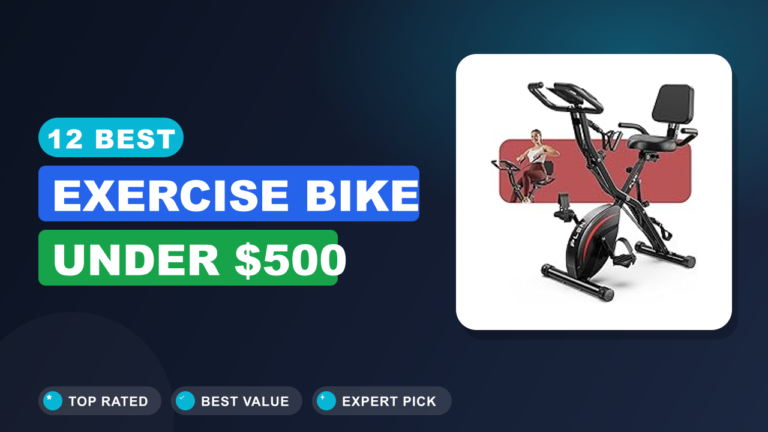
Consider a compact upright bike or even an under-desk pedal exerciser. Upright bikes have a smaller footprint than recumbent models, and some fold flat for storage. Under-desk pedalers don't give you a true cardio workout, but they help with circulation during long stretches at a computer.
Measure the floor space where you plan to ride before ordering. If the bike folds, check the hinge mechanisms for wear after each move.
Do You Just Want Quiet, Dependable Home Cardio Without the Fuss?
Then pick a magnetic-resistance upright bike. Magnetic resistance runs silent, never needs brake pads, and adjusts with a simple dial or console. This type of bike also tends to be the most affordable reliable option.
If you share a wall with someone, skip air bikes because the fan noise gets loud fast. Look for a wider, padded saddle if you plan to ride longer than 30 minutes.
If you're torn between a bike and a rower for weight loss, know this: both burn calories, but rowers often win for weight loss because they recruit more muscle groups. The bike wins on comfort and simplicity. Some riders also enjoy the low-impact feel of an elliptical.
Our roundup of home ellipticals is worth reading if you want arm involvement without a rower's learning curve.
User Setup and Fit: Getting the Bike Adjusted for Your Body
Most exercise bikes arrive only about 80 percent assembled. That means you're responsible for the final fit adjustments, and those adjustments matter more than the price you paid. A poorly set bike can cause knee, hip, or back pain within a few rides.
Here's a simple four-step guide.
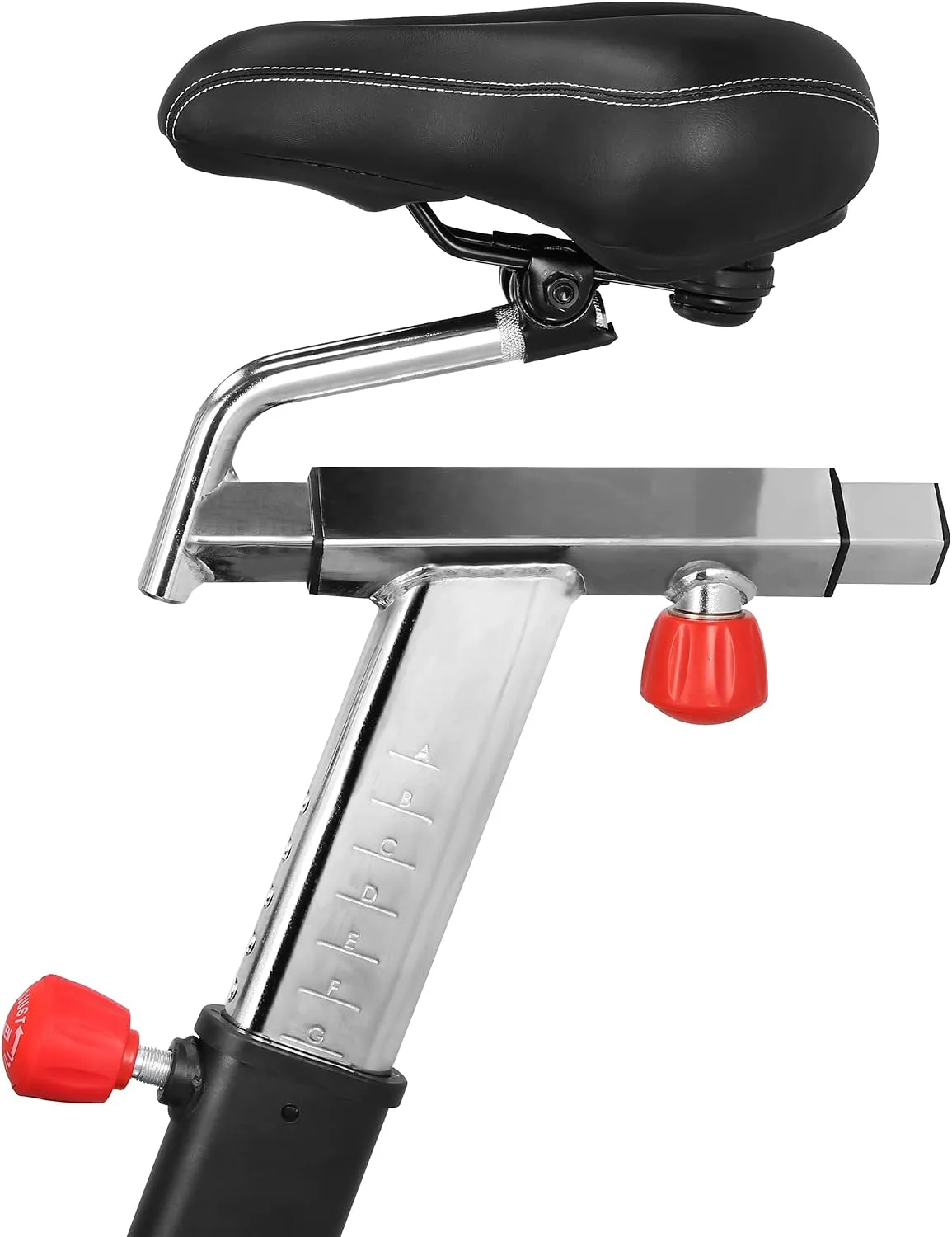
Image source: Bing (Web (fair-use with source credit))
Set the saddle height. Sit on the bike and place a pedal at the lowest point. Your knee should have a slight bend of about 20 to 30 degrees when your foot is flat on the pedal. If your hips rock side to side, the seat is too high.
Position the saddle fore and aft. Slide the seat forward or backward until your forward knee sits directly over the pedal axle when the cranks are horizontal. This keeps the force on your quads and glutes instead of your kneecaps.
Adjust handlebar height. Handlebars roughly level with the saddle work well for most people. If you have back pain, set them higher. If you're flexible or on a spin bike, you can go lower for a more aggressive position.
Align the pedals and straps. Center your foot on the pedal with the ball of your foot over the spindle. Tighten toe cages or straps so your foot doesn't slide, but don't crank them so hard you feel pressure.
Fit turns a decent bike into a great one. If you still feel discomfort after a few sessions, retrace these steps. Make sure the resistance knob or console works smoothly before you ride.
A jumpy or gritty dial is a sign of a bad unit. Tighten any loose bolts on the stem, seat post, and stabilizers. If you're short on room, you'll face the same floor-plan challenge as with a rowing machine.
Our guide to rowing machine space requirements shows how much area these machines really need to feel safe.
Common Mistakes New Exercise Bike Owners Make (and How to Avoid Them)
The biggest mistake is setting the saddle too low. That forces your knees to bend too sharply, which often causes front-of-knee pain within a week. Another common one is choosing an aggressive resistance too fast.
Ease into every workout. Your knees and joints need time to adapt, even if your lungs feel fine.
Skipping the warm-up hurts too. A five-minute spin with light resistance primes your muscles. Add a cooldown afterward.
Sudden stops can leave you dizzy and cramped. Also, buy padded cycling shorts if your saddle feels like a brick. The discomfort fades as you build time in the seat, but cushioned shorts help you get there.
Ignoring maintenance is another classic. Sweat corrodes chrome and paint. Wipe the frame, saddle, and handlebars after every ride.
Check the bolts on the seat post and stabilizers monthly. Lubricate the chain if your bike has one. If the resistance feels choppy, look for worn felt pads or a loose belt.
Finally, monitor your intensity. Most new riders go too hard in the first few sessions. Use the talk test.
If you can't say a short sentence without gasping, lower the resistance. Keep your shoulders relaxed and avoid death-gripping the handlebars. Poor habits are the only thing that makes a bike uncomfortable.
Realistic Budgets, Specs, and Long-Term Maintenance Costs
Exercise bikes are priced broadly. Budget upright models run from $150 to $400, and they're fine for light use. Mid-range bikes cost $400 to $900 and give you smoother magnetic resistance plus a sturdier frame.
Premium bikes, including smart models, start around $900 and can exceed $3,000.
| Price Tier | Price Range | Typical Specs |
|---|---|---|
| Budget | $150–$400 | Felt-pad resistance, basic handlebars, shorter warranty |
| Mid-range | $400–$900 | Magnetic resistance, heart-rate grips, better saddle |
| Premium | $900–$3,000+ | Touchscreens, power meters, app integration, heavier flywheels |
Long-term costs go beyond the purchase price. Felt-pad units need new pads every couple of years, and parts cost about $20 to $40. Belt drives usually outlast chains, but belts can slip and cost roughly $30 to $50 to replace.
Magnetic bikes need almost no drivetrain upkeep, which makes them the cheapest to own over time.
Smart bikes can sneak up on you. Many require a monthly subscription, often $40 to $50. As of 2026, that adds up to around $500 a year.
If you only want steady cardio, skip the subscription and buy a solid magnetic bike instead. The same resistance logic applies to rowers if you're torn between machines. Understanding how those two rower types differ explains why magnetic wins on quiet operation in both cases.
FAQs and Your Final Decision Guide
How long should you ride an exercise bike?
Start with 15 to 20 minutes per session. For general health, aim for at least 150 minutes of moderate cardio per week, according to the American Heart Association. You can split that into shorter rides.
Build up gradually to 30 to 45 minutes.
Is an exercise bike good for weight loss?
Yes, but only if you stay consistent. A 155-pound person burns roughly 260 to 400 calories in 30 minutes on a bike, depending on speed and resistance. Pair it with a calorie deficit and light strength training to see real results.
How much space do you need for an exercise bike?
Upright and spin bikes need roughly 4 by 2 feet of floor space. Recumbent models are longer, often 5 by 2.5 feet. Add a few inches on each side for stability.
Measure the clearance before ordering, especially near doors and low ceilings.
Do you need a smart bike with a screen?
Only if live classes keep you motivated. Without them, a simple magnetic bike is quieter and cheaper to maintain. You can always add a tablet holder and stream workouts on your own screen.
Final Decision Guide
If you want the easiest ride for sore joints, choose a recumbent bike. If you want intense training, pick a spin bike with a heavy flywheel. If you want a quiet, simple home workout, go for a magnetic upright.
The best exercise bike is the one you'll actually use.