Why Is My Spin Bike Making Noise
Nothing ruins a workout faster than a strange click or squeal from your spin bike. If you're standing on the pedals and wondering why your spin bike is making noise, take a breath. You don't need a professional mechanic.
You need a plan.
That plan starts with your ears and ends with a few simple tools. Most noise problems come down to loose bolts, dry bearings, or a worn felt resistance pad. Manufacturer maintenance schedules typically recommend the first drivetrain check after about 20 hours of riding.
As of 2026, the ISO 20957 standard still covers safety testing for this type of stationary equipment.
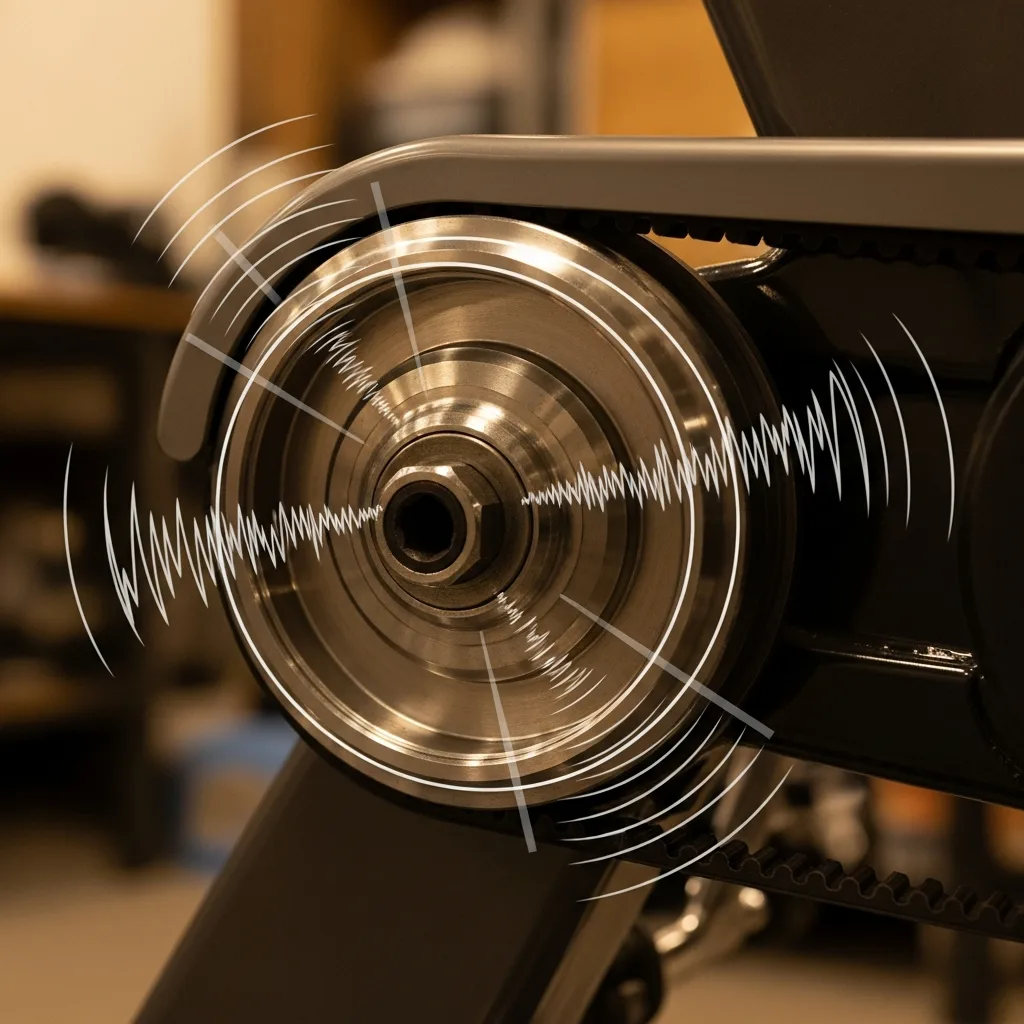
Image source: Bing (Web (fair-use with source credit))
First, Listen: What Kind of Noise Is It? (And When Does It Happen?)
Your ears are the best diagnostic tool you own. Before you touch a single bolt, stop and listen. The kind of noise tells you more than any visual inspection.
So does the moment it shows up.
Here's what to listen for:
- Clicking or ticking: sharp, quiet, and often once per pedal revolution. That's usually a pedal, crank arm, or bottom bracket.
- Squeaking or squealing: high-pitched and rhythmic. Think dry belt, unlubricated chain, or a hot friction pad.
- Grinding or scraping: continuous and harsh. That's a flywheel rubbing the frame or a pad worn down to its backing plate.
- Knocking or rattling: loose seatpost or handlebar clamp, a frame bolt, or an unlevel floor.
Now line up the timing. Noise only when you stand up out of the saddle? That points to the bottom bracket or frame joints.
Noise only under resistance? Check the brake surface and belt tension. Noise only while pedaling, never when the flywheel coasts?
The drivetrain is the issue.
Here's a quick reference table:
| Noise Type | Sound Character | Most Likely Culprit |
|---|---|---|
| Click | Sharp, once per revolution | Pedal, crank, bottom bracket |
| Squeak | High-pitched, rhythmic | Belt, chain, felt pad |
| Grind | Low, continuous | Flywheel bearing, brake pad |
| Rattle | Loose, buzzy | Clamps, bolts, floor stability |
Keep this table handy. It's your roadmap for the next sections.
Quick Answer: The Most Common Spin Bike Noises and Their Causes
Why is my spin bike making noise? In most cases, it's loose hardware, a dry drivetrain, or a worn brake pad. These three causes cover the vast majority of complaints.
Start there and you'll usually find the problem fast.
Here's the breakdown:
- Loose hardware: Pedals, crank arms, handlebar clamps, and seatpost bolts all work loose from vibration.
- Dry drivetrain: Chain-driven bikes squeak when the chain runs dry. Belt-driven bikes squeak when the belt slips or collects dust.
- Worn felt pad: The friction pad wears thin, then the metal backing plate grinds on the flywheel.
- Dirty bearings: Sweat and fine dust dry into a gritty paste that makes every rotation harsh.
The fix is rarely dramatic. Most noisy spin bikes just need a torque wrench, a little lubricant, and a clean rag. If the noise is a slow, rhythmic click, it's almost never a structural failure.
It's a fastener backing out or a bearing drying up.
How a Spin Bike Drivetrain Works: Belt vs. Chain, Magnetic vs. Friction
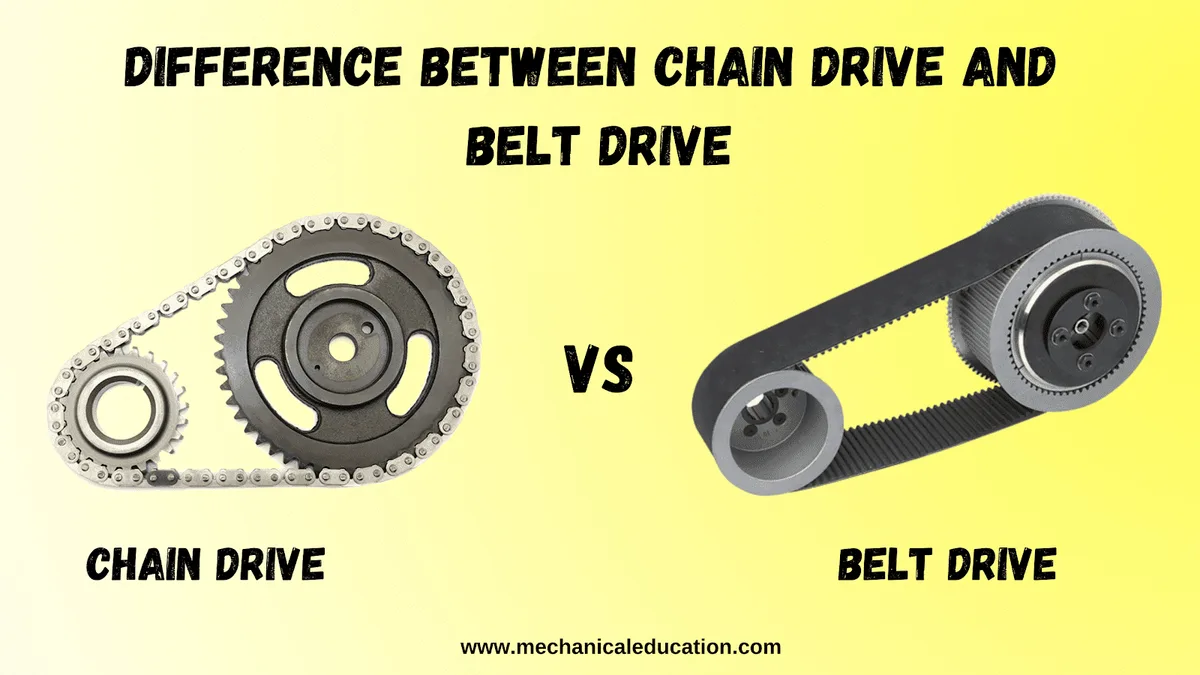
Image source: Bing (Web (fair-use with source credit))
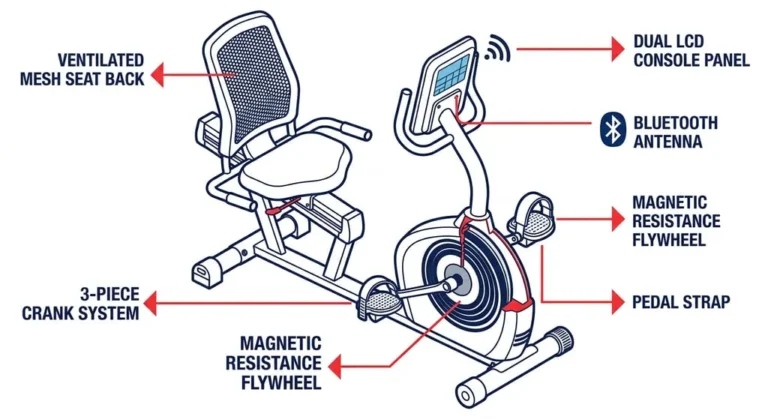
Most spin bikes use one of two drive systems: belt or chain. They also use one of two resistance systems: magnetic or friction. The combination changes what you should check first.
Belt drive uses a reinforced rubber belt to connect the pedals to the flywheel. It runs quiet and needs little upkeep, but the tension can slip over time. A loose belt squeaks or whirrs under load.
Chain drive looks like a bicycle chain. It needs regular lubrication. A dry chain clicks or grinds with every rotation.
It also stretches, so the tensioner needs periodic adjustment.
Magnetic resistance uses magnets to create drag with no physical contact. It's nearly silent. If it makes noise, look for a bad flywheel bearing or a magnet housing rubbing.
Friction resistance uses a felt pad pressed against the flywheel. It's simple and affordable, but the pad wears out. A hard or glazed pad squeals.
A worn pad grinds.
| System | Noise Level | Main Noise Source |
|---|---|---|
| Belt + Magnetic | Very quiet | Bearings, loose mounts |
| Belt + Friction | Quiet-to-medium | Felt pad, belt tension |
| Chain + Magnetic | Medium | Chain lubrication, bearings |
| Chain + Friction | Medium-to-loud | Chain, felt pad, tensioner |
This distinction matters. Don't lubricate a belt like a chain. And if you have magnetic resistance, stop hunting for pad problems and check the bearings instead.
Step-by-Step Troubleshooting: Walk Through the Bike From Pedals to Flywheel
Follow these steps in order. Stop when the source reveals itself. You'll need hex wrenches, a torque wrench, and maybe a screwdriver.
Step 1: Check the pedals and crank arms
Grab each pedal and rock it side to side. Any play means a loose pedal or a worn crank. A click once per revolution usually lives right here.
Step 2: Spin the cranks with resistance off
Turn the cranks by hand and listen. A gritty or rough sound points to the bottom bracket. A smooth spin means it's fine.
Step 3: Inspect the belt or chain
For a belt, run your fingers along it and look for cracks. For a chain, pull it away from the sprocket. If you see daylight under the chain, it's too loose.
Step 4: Look at the felt resistance pad
Check the pad where it presses against the flywheel. A dark groove in the center is normal. A hard, shiny, or thin surface means it needs replacing.
Step 5: Spin the flywheel freely
Release all resistance and spin the flywheel by hand. Grinding or wobble points to a flywheel bearing. That's one of the few repairs that may need a shop.
Step 6: Tighten clamps and frame bolts
Check the seatpost and handlebar clamps. Then sit on the bike and rock side to side. If you hear a creak, a frame bolt is loose.
Step 7: Check the floor
If the bike rocks, every pedal stroke creates a low rattle. An exercise mat or leveling shims fix this in seconds. The same floor-noise headache shows up when a rowing machine sits unevenly, so it's worth planning your home workout space before you set anything up.
How to Fix the Noisy Parts: Tightening, Lubricating, and Replacing
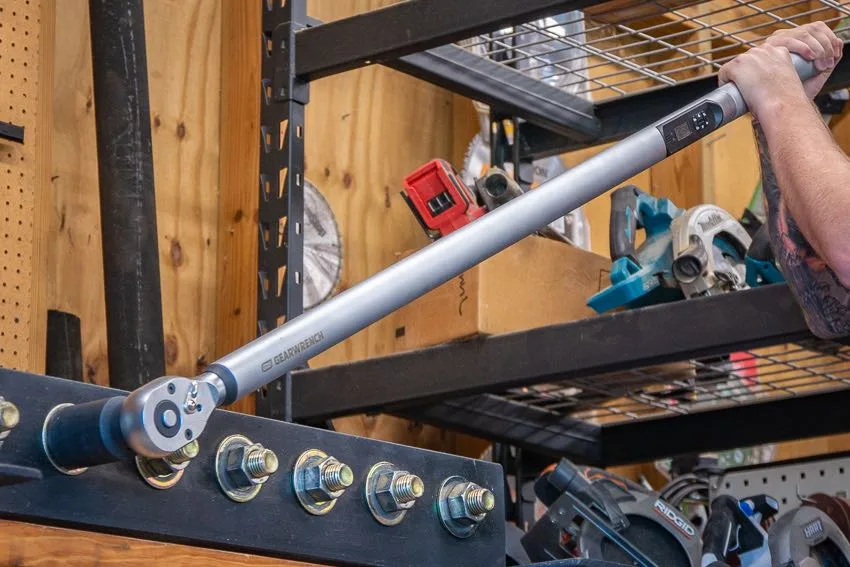
Image source: Bing (Web (fair-use with source credit))
Once you've found the noise, the repair is usually simple. Start with the right tools. You'll need a torque wrench, hex wrenches, a clean rag, and a suitable lubricant.
Torque matters. A torque wrench stops you from over-tightening. Overtightened bolts stress the frame and can crack brackets. Use the numbers from your owner's manual.
If you don't have your manual, follow the ISO 20957 framework for safety guidance on stationary training equipment.
Here's a typical torque reference:
| Part | Typical Torque | Tool |
|---|---|---|
| Pedals | 35 to 40 ft-lb | 15mm wrench |
| Crank arm bolt | 12 to 15 Nm | Hex wrench |
| Seatpost clamp | 5 to 6 Nm | Hex wrench |
| Handlebar clamp | 5 to 6 Nm | Hex wrench |
Tightening pedals. On most spin bikes, the left pedal is reverse-threaded. Turn it counterclockwise to tighten. The right pedal is normal, so turn it clockwise.
Rock the pedals after tightening to confirm the click is gone.
Lubricating a chain. Wipe the chain clean first. Then apply chain lube to each link. Let it sit for a few minutes and wipe away the excess.
A dry chain clicks, so this is often the fastest fix.
Adjusting a belt. Find the tensioner near the flywheel. Loosen the lock nut, pull the flywheel back, and retighten. The belt should flex about a quarter inch.
Too tight makes a whirring noise and wears down the bearings.
Replacing the felt pad. Unscrew the friction brake assembly, slide out the old pad, and install a new one. Most pads cost less than $20. Make sure the pad presses flat against the flywheel.
When to call a mechanic. If the noise survives all these fixes, suspect internal bearings. That's not a DIY job for most people. Take the bike to a certified repair shop before you cause more damage.
Spin Bike Maintenance That Keeps It Quiet Long-Term
A quiet spin bike is a maintained spin bike. Set aside ten minutes every few weeks and you'll skip most noise issues entirely.
Here's a simple schedule:
- After every ride: Wipe sweat off the frame, flywheel, and handlebars.
- Monthly: Check bolt torque, inspect the belt or chain, and clean the flywheel.
- Every 3 months: Lubricate the chain or adjust belt tension. Check the felt pad for wear.
- Every 6 months: Look for play in the bearings. Replace the felt pad if it's thin.
This routine isn't unique to spin bikes. If you also own a rowing machine, keeping the rail clean and the chain waxed prevents most of its common noises too. Small fixes are cheaper than big repairs, whether you're caring for a spin bike or thinking about the long-term value of any cardio equipment you rely on.
Common Mistakes to Avoid When Fixing a Noisy Spin Bike
Over-tightening bolts. More torque is not better. It strips threads and cracks brackets. Use a torque wrench and stick to the numbers.
Using WD-40 as a lubricant. WD-40 is a solvent, not a chain lube. It washes away grease and leaves parts dry. Use a proper bike lubricant instead.
Ignoring the felt pad. A worn pad won't fix itself. If you wait, the backing plate can scratch the flywheel and turn a $20 fix into a $100 repair.
Lubricating the belt. Belts need tension, not lube. Oil on a rubber belt causes slipping and attracts dust.
Skipping the floor check. Before you tear into the bike, make sure it's level. Most rattling complaints end with a simple exercise mat.
Putting off repairs. A small click can become a worn bearing. If you notice a new sound, spend the ten minutes to diagnose it now. This is the same mistake that makes rowing machines noisy too, and regular maintenance is the cure.
Home ellipticals share the same story with loose pedals and dirty rails.
Frequently Asked Questions About Spin Bike Noise
Why does my spin bike click when I pedal?
A click that repeats once per pedal revolution usually means a loose pedal, a loose crank arm, or a dry bottom bracket. Tighten the pedals and crank bolts first. If the noise stays, the bottom bracket bearings likely need attention.
Why does my spin bike squeak when I stand up out of the saddle?
Standing puts extra load on the frame, seatpost, and bottom bracket. Check the seatpost clamp and handlebar bolts first. Then check the bottom bracket.
A squeak under heavy load is often a dry bearing or a bolt that has worked loose.
Can I use WD-40 to stop the noise?
No. WD-40 is a solvent, not a lubricant for bike drivetrains. It dries out bearings and leaves chains worse off.
Use a dedicated chain lubricant or a light machine oil on moving parts.
How often should I lubricate the chain on a spin bike?
Every three months for a home bike used a few times a week. If you ride more often, do it monthly. A dry chain clicks and wears faster, so keep it clean and lightly oiled.
When should I replace the felt resistance pad?
Replace it when the surface becomes hard, shiny, or thin. A dark groove in the center is normal wear. If you hear grinding, replace the pad immediately to protect the flywheel from metal-on-metal damage.
Why does my spin bike make noise when I'm not pedaling?
If the flywheel keeps spinning and makes noise, check the flywheel bearing. You should also check the felt pad if it stays in contact with the flywheel. A lack of resistance should let the flywheel coast silently.