Is a Spin Bike Good for Beginners
So you're wondering if a spin bike is good for beginners. Short answer: yes, very good for most people, but not automatically right for everyone.
The real question is whether it fits your body, your goals, and your living situation. As of 2026, the American College of Sports Medicine still recommends 150 minutes of moderate cardio weekly, and a spin bike is one of the most efficient ways to hit that without leaving home. Let's walk through the decision together.
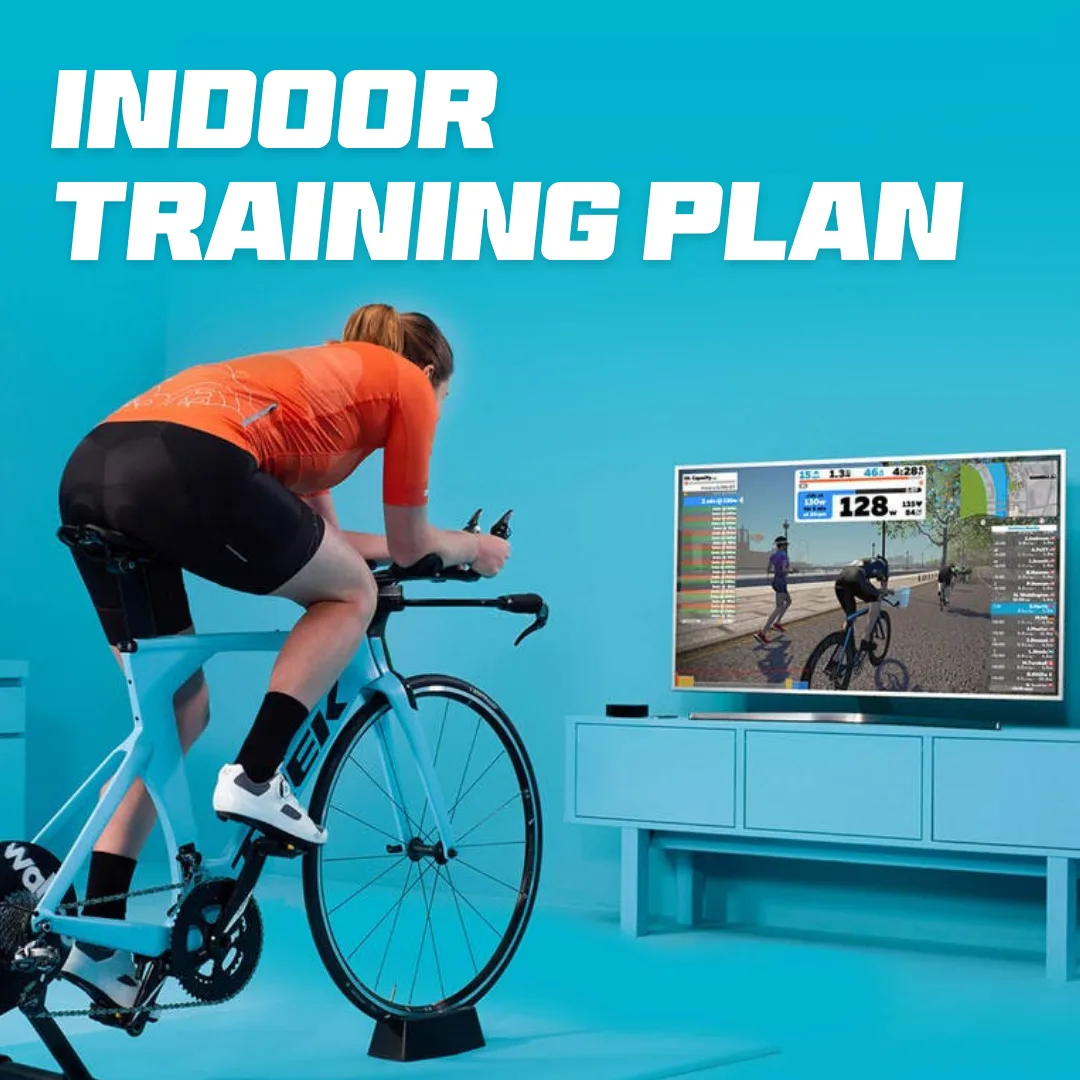
Image source: Bing (Web (fair-use with source credit))
Quick Answer
Yes, a spin bike is good for beginners if you set it up properly. It's low-impact, easy to control, and forgiving on joints. The learning curve is short and the workout is effective.
The key is starting slow and adjusting the bike to your body.
How to Know If a Spin Bike Is Right for You
A spin bike isn't a one-size-fits-all answer. It's a decision tree with branches based on your situation. Let's go through the main branches.
What's your current fitness level and history?
If you're completely inactive, a spin bike is a gentle entry point. You control the resistance, so the effort is fully in your hands. If you're an athlete recovering from injury, the low-impact nature works well.
The only real red flag is a recent knee or hip surgery, which needs medical clearance first.
Do you have any joint, knee, or back concerns?
Spin bikes are easier on knees than running, but they're not magic. The key is fit and form. Proper seat height and low resistance at the start protect your knees.
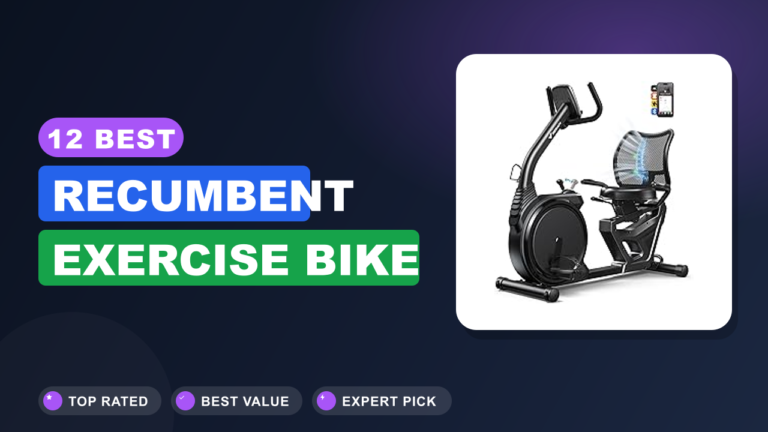
If you have a herniated disc or severe lower-back issues, the forward-leaning position can be uncomfortable. In that case, a recumbent bike might be better, giving you a taller backrest and a more open hip angle.
What kind of workouts do you actually enjoy?
Be honest here. If you like guided classes with music and motivation, a spin bike works perfectly. Apps like Peloton and Zwift turn it into a social activity.
If you prefer quiet, self-directed exercise, you can use the bike without any subscription. If you hate sitting in one position and need variety, a rowing machine or elliptical might hold your attention longer.
How much space, budget, and tolerance for noise do you have?
Spin bikes typically need a footprint of about 4 feet long and 2 feet wide. They weigh 70 to 130 pounds, depending on the flywheel. Budget-wise, a decent beginner bike costs $200 to $600.
A premium one runs $1,000 or more. Noise matters too: belt-driven bikes are quieter than chain-driven models. If you live in an apartment, a magnetic resistance bike with a belt drive is your best bet.
Spin Bike vs. Other Beginner-Friendly Cardio Options
The spin bike has tough competition from other home cardio machines. Here's how to think about them side by side.
Spin bike vs. upright exercise bike
Upright bikes keep you in a more vertical posture. So, a spin bike's more aggressive geometry. The seat is bigger and the pedals sit more directly under you.
Good if you want to watch TV or read. Spin bikes offer more resistance range and a more athletic feel. They also tend to be harder to pedal at the start.
Spin bike vs. recumbent bike
Recumbent bikes have a chair-like seat and pedals positioned in front of you. They're significantly more comfortable for people with back pain or balance issues. Spin bikes burn more calories per minute, though.
If your back is fine and you want efficiency, spin wins. If your back aches or you have mobility limitations, recumbent wins.
Spin bike vs. elliptical
Ellipticals work both arms and legs together. They're excellent for full-body conditioning without hammering your feet. Spin bikes focus purely on your lower body.
If you want a complete workout without learning anything, an elliptical is easier. If you want to build leg strength and cardio, the spin bike does it with less machine motion.
Spin bike vs. treadmill or rowing machine
Treadmills give you impact on joints, so they're not the first choice for beginners with sensitive knees. Rowing machines work your whole body and are easier on your spine, but they have a steeper learning curve. We have a whole article on whether rowing machines are worth it, and the same logic applies here: it depends on your body and your goals.
When a spin bike is not the right call
If you have significant balance issues, a spin bike can be risky because you're clipped in. If your knees ache when they bend past 90 degrees, the spin position may hurt. If you live with someone who's sensitive to noise, a chain-driven bike can be annoying.
And if you hate sitting still, you'll probably find spin boring within a month.
How to Start Safely: Your First Two Weeks
Starting right matters. Most beginners give up because the first week hurts too much. That's not because the bike is bad.
It's because they didn't ramp up properly.
Getting the bike fit right before you pedal
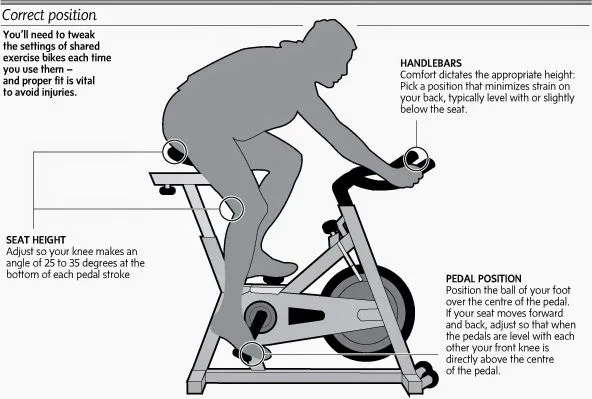
First, set the seat height. Stand next to the bike and adjust the seat so it's at hip height. When you sit and place your foot at the bottom of the pedal stroke, your leg should have a slight bend, about 25 to 30 degrees, not fully straight.
Second, set the handlebars slightly higher than the saddle. This takes pressure off your lower back and wrists while you build your cycling posture. You can lower them after a few weeks.
Third, check your foot position. The ball of your foot should be over the pedal's center. If you're using toe cages, snug them but don't crush your foot.
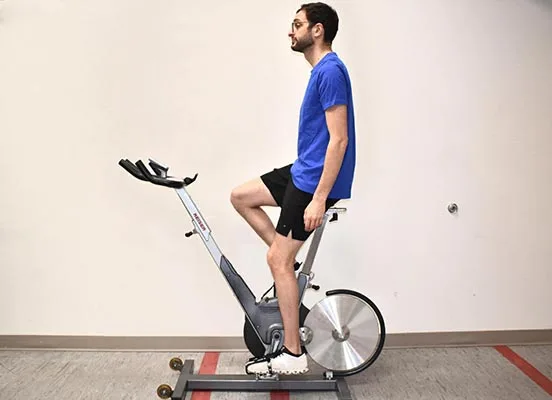
Image source: Bing (Web (fair-use with source credit))
Starting with 20-minute easy rides
Your first week, do three sessions of 20 minutes each. Keep the resistance low, and keep your pedal speed, called cadence, at 60 to 80 RPM, which is a casual, even spin. You should be able to hold a conversation.
If you feel pain in your knees, stop immediately. That usually means the seat is too low. If your back aches, raise the handlebars.
If your feet go numb, loosen the straps or adjust your foot pressure.
Finding the right cadence and resistance
Cadence is the number of pedal revolutions per minute. For beginners, 70 RPM feels comfortable. Resistance, on the other hand, controls how hard each pedal stroke pushes back.
You want enough resistance so you're working, but not so much that you're grinding. A simple rule: if you can't say a full sentence without gasping, back off the resistance.
Progressing slowly: frequency, duration, and intensity
In week two, bump your sessions to 25 minutes. Add five minutes to one of them. Keep resistance steady.
After two weeks, you can try one 30-second interval at a faster pace, maybe 90 RPM. Then take a 90-second easy spin. That's all the intensity you need at this stage.
The progression table below shows a simple path.
| Week | Frequency | Duration | Cadence | Intensity |
|---|---|---|---|---|
| 1 | 3 days | 20 min | 60–80 RPM | Low, conversational |
| 2 | 3 days | 25 min | 60–80 RPM | Low, conversational |
| 3 | 3–4 days | 25–30 min | 70–90 RPM | Moderate, one short interval |
| 4 | 3–4 days | 30 min | 70–90 RPM | Moderate, two short intervals |
Common Beginner Mistakes That Cause Pain, Burnout, or Injury
Let's talk about what goes wrong. Every one of these is preventable, and knowing them in advance saves you from quitting.
Setting the seat way too low or too high
The most common mistake is the seat too low. It forces your knees to work far harder and leads to front-of-knee pain within a week or two. Too high, and you'll rock your hips, causing lower-back strain.
Fix it before you ride by checking the leg extension rule.
Cranking the resistance before you're ready
New riders think more resistance means a better workout. It doesn't. It just makes you pedal slower, putting massive strain on your knees and hip flexors.
The right resistance lets you maintain a steady cadence while breathing harder than normal. If your cadence drops below 60 RPM, you're grinding. Ease off.
Forgetting to hydrate or cool down
Spin bikes make you sweat a lot, even at an easy pace. You can lose 1 to 2 pounds of fluid during a 30-minute ride. Drink water during the session, and take a 3 to 5 minute easy-spin cooldown at the end.
Skipping the cooldown leaves blood pooled in your legs, making you feel dizzy and sore the next day.
Ignoring saddle soreness until it becomes a real problem
Your butt will hurt in the first few sessions. That's normal for up to the first week. This pain should decrease with each ride as you get used to the seat.
If it stays the same, never improves, or gets worse, your seat may not be right. A wider seat can help, but the design of the bike matters too. Consider padded cycling shorts, which help more than a padded seat cover.
Any numb feeling in your lower body is a warning sign to stop and check your setup.
Buying too much bike before you know you'll stick with it
Beginner riders often buy a $1,500 bike with a built-in screen, then quit after two weeks. That's not a workout decision, it's a spending decision.
Start with a mid-range bike in the $200 to $600 range. Apply that money to quality and adjustability. You can always upgrade later.
Our review of the best elliptical machines for beginners follows the same logic, and it applies to cardio machines generally.
How to Choose a Beginner-Worthy Spin Bike Without Overspending
Picking your first spin bike is about avoiding two traps: buying junk that wobbles, and buying luxury features you'll never use. Here's what actually matters.
What to look for in an entry-level bike
The flywheel is the most important part. For a beginner, 12 to 20 pounds is plenty. Anything heavier feels smoother but also costs more.
Magnetic resistance is preferred over felt pad resistance. It's quieter, requires no maintenance, and doesn't wear out.
Also, check the bike's weight limit. Most beginner bikes support 250 to 350 pounds. The machine's own weight matters too.
A 70-pound bike can feel shaky during out-of-saddle work. A 100-pound frame is much more stable.
What you can safely skim on: screens, apps, and extras
Touchscreen consoles, bluetooth speakers, and branded content subscriptions add $300 to $700 to the price. You don't need them. Your phone or tablet can show any workout video, and a $30 tablet mount does the same job as a $500 screen.
Pedals matter more. Stock pedals with toe cages work fine for the first few months. You can upgrade to clipless pedals and cycling shoes later if you want more efficiency.
Many riders never do, and that's okay.
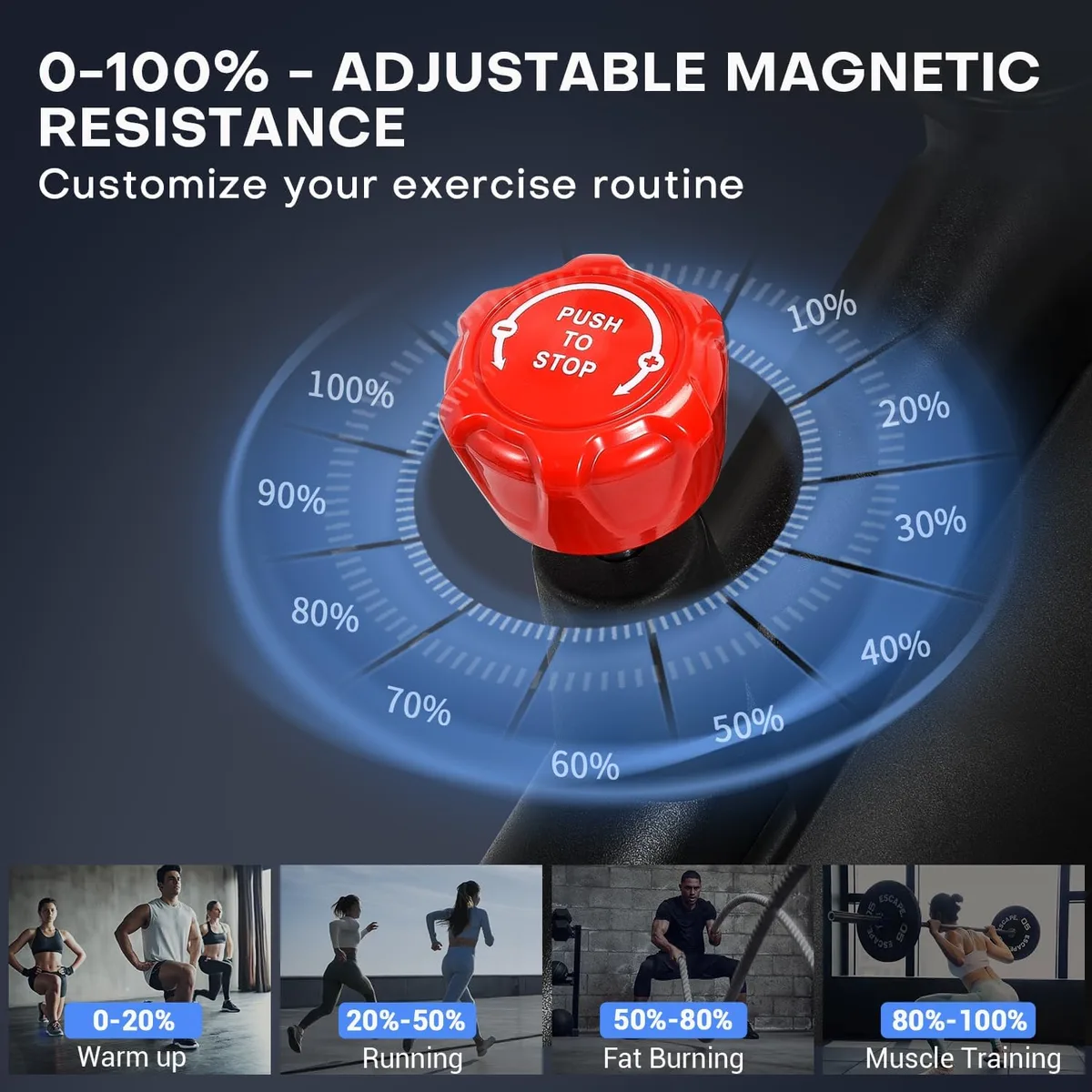
Image source: Bing (Web (fair-use with source credit))
Realistic pricing: what costs what
| Price Range | What You Get | Who It's For |
|---|---|---|
| $150–$300 | Basic chain-driven bike, felt resistance, no console | Casual riders, tight budget, short sessions |
| $300–$600 | Magnetic resistance, belt drive, better frame | Most beginners seriously committing to home cardio |
| $600–$1,200 | Smooth flywheel, sturdy frame, compatibility with apps | Riders who want studio feel without subscription fees |
| $1,200+ | Integrated screens, auto-resistance, premium build | Enthusiasts, not beginners |
New vs. used: what's worth it and what to avoid
Used bikes are a good value if you inspect them. Bring a wrench and check for wobble in the frame, rust on the flywheel, and any slippage in the resistance. Replacing a resistance pad costs $20 to $40 and takes 10 minutes.
Replacing a worn chain costs more.
Avoid buying a used bike with a broken magnetic brake unit. It's not a cheap fix. Also, skip bikes that no longer have manufacturer support.
Replacement parts become hard to find. If you can't find the brand on the manufacturer's website, walk away.
Beginner Spin Bike FAQs
How often should a beginner ride a spin bike?
Start with three sessions per week. This gives your muscles and joints time to adapt. After a month, you can add a fourth session if you feel recovered.
More than five sessions per week early on raises your risk of knee strain and burnout. Rest days are part of the plan, not a sign of weakness.
Will a spin bike hurt your knees if you're a beginner?
Only if the bike is set up wrong or the resistance is too high. With the seat at the correct height and your cadence above 60 RPM, spin biking is easier on knees than running or jumping. If you feel sharp knee pain, stop and recheck your fit.
Most pain comes from the seat too low or pushing too heavy a gear.
Do you need special shoes and pedals from day one?
No. Toe cages or flat pedals are fine for the first few months. Clipless shoes improve efficiency by letting you pull up as well as push down, but they add cost and a learning curve.
If you get them, practice unclipping while holding the bike. Keep the tension setting light until you're confident.
How long should a beginner spin session last?
Twenty minutes is the right starting point. That's enough to raise your heart rate meaningfully without wrecking you. Build up to 30 minutes over two weeks, then 45 minutes after a month.
If you're using a spin bike, you're not doing the marathon-style steady rides, you're doing short sweat sessions.
Is a $200 spin bike fine to start with?
It's acceptable, with a few caveats. Cheaper bikes often have noisier chain drives, wobbly frames, and less comfortable seats. If $200 is the budget, look for a bike with adjustable seat height and fore-aft adjustment, and a weighted flywheel over 10 pounds.
Just know that the price reflects the build quality. You may need to replace it within a year or two.