How to Prevent Pulp From Clogging a Juicer
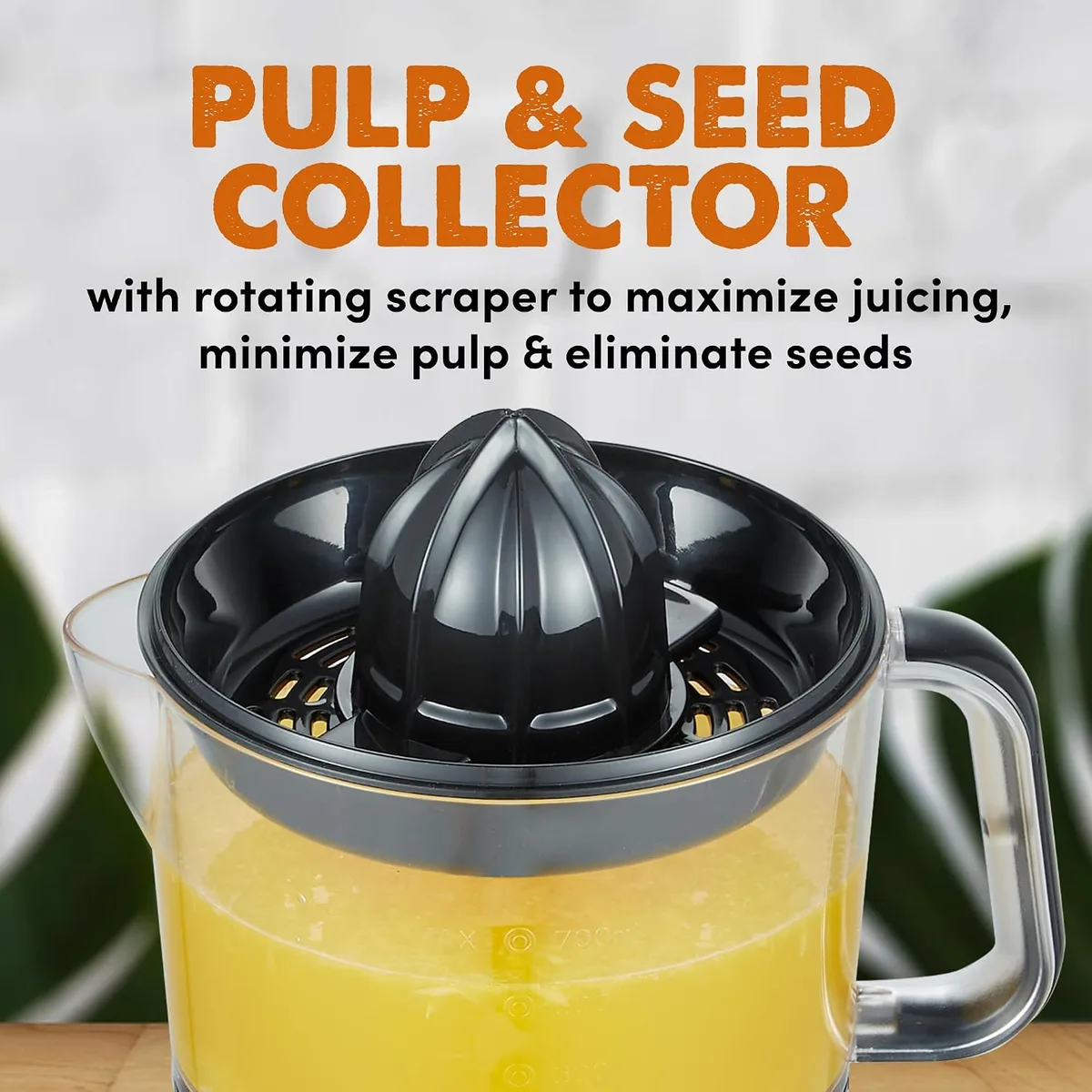
Image source: Bing (Web (fair-use with source credit))
Dealing with a jammed juicer is frustrating, especially when you're trying to get your daily dose of fresh juice. Understanding how to prevent pulp from clogging your juicer is key to smooth operation and consistent results. With a few smart techniques and a bit of prep, you can avoid those sticky backups.
Our research indicates that pulp clogs are a common pain point, often leading to reduced juice yield and increased cleaning time. Adhering to best practices, like proper produce preparation and mindful feeding, can significantly mitigate these issues. Per manufacturer specifications, juicer screens are designed to separate pulp, but overloading or improper use can overwhelm the system, sometimes by as much as 20% faster than expected.
Quick Answer
To prevent pulp from clogging a juicer, prepare produce by chopping it into smaller pieces. Feed ingredients slowly and steadily, alternating between hard and soft items. Regularly clean the juicer's screen and pulp chute.
Avoid overfilling the feed chute. Proper maintenance is crucial.
Is Your Juicer Pulp a Sticky Mess? Spotting the Clues
You know the feeling, you're mid-juicing session, and suddenly, things grind to a halt. The pulp isn't being ejected cleanly, and the juice flow slows to a drip. This is your juicer signaling a pulp clog, and it's more than just an annoyance; it can affect your juice yield and even strain the motor.
Image source: Bing (Web (fair-use with source credit))
There are a few tell-tale signs to watch for:
- The "Wet and Gummy" Pulp Test: When you stop the juicer and examine the ejected pulp, it should be relatively dry and crumbly. If it's coming out as a wet, slimy mass, that's a direct indicator that the pulp screen isn't effectively separating the liquid. This means pulp is accumulating inside.
- The "Slow Drip" Juice Yield Indicator: You're expecting a steady stream of juice, but it's slowing down considerably, perhaps just a few drops at a time. This often happens when the pulp screen is so packed with material that the juice can't pass through freely. Your machine is working harder, but you're getting less for your effort.
- The "Overheating Motor" Warning Sign: Some juicers have built-in thermal protection that shuts them off if the motor gets too hot. If your juicer is suddenly stopping mid-operation, especially after juicing tougher items, it could be due to the motor struggling to push through a dense, clogged pulp chamber. This is a more serious sign that the juicer is under too much strain.
Manufacturer specifications often highlight motor wattage and screen design as key to efficient pulp separation. For instance, many high-end masticating juicers boast motors around 150 watts, designed for sustained operation, while centrifugal models might have lower wattages but higher RPMs. Understanding these components helps explain why and how clogs happen.
Troubleshooting Pulp Clogs: A Decision Tree Approach
When pulp clogs your juicer, it's rarely a one-size-fits-all problem. The best way to tackle it is by thinking through a few key factors. By asking yourself a couple of questions, you can usually pinpoint the cause and fix it on the fly.
Image source: Bing (Web (fair-use with source credit))
Let's walk through it like this:
What Kind of Produce Are You Juicing?
The type of fruit or vegetable is often the biggest clue. Some items are naturally more fibrous or mushy, which can challenge even the best juicers.
- Leafy Greens & Soft Fruits: Think spinach, kale, berries, or ripe peaches. These can create a lot of fine pulp. If you juice too much of these at once, or without alternating, they can quickly pack the pulp chute and screen. A common issue here is juicing large quantities of spinach without pairing it with something firmer.
- Hard Vegetables & Root Veggies: Carrots, beets, apples, and celery are generally easier to juice. However, if they're cut too large, they can create large chunks that might not be processed efficiently by the auger or spinning basket, leading to blockages. Also, very fibrous celery can sometimes be tricky.
- Fibrous Produce (Celery, Ginger): These items can be particularly problematic. The long, stringy fibers can wrap around the auger in masticating juicers or get caught in the screen of centrifugal models, creating a stubborn clog. For items like ginger, it's often recommended to cut them into smaller, manageable pieces.
Is It the Juicer Model or the Technique?
Sometimes, the problem isn't just the produce but how you're using your machine.
- Centrifugal vs. Masticating Clog Differences: Centrifugal juicers use a fast-spinning basket to separate juice, while masticating (or cold press) juicers use a slow-turning auger. Centrifugal models can sometimes struggle with leafy greens, and their finer mesh screens can clog faster with very soft produce. Masticating juicers can get clogged if fibrous materials wrap around the auger.
- Signs Your Juicer Might Be Underpowered: If your juicer consistently struggles, even with proper technique and easier produce, it might not have enough motor power for your needs. For example, a juicer with less than 100 watts might have trouble with hard vegetables. Manufacturer specifications typically list motor power, which is a good indicator of its intended use.
By answering these questions, you can start narrowing down why your juicer is getting clogged.
Your Step-by-Step Guide to Preventing Pulp Clogs
Tackling pulp clogs before they happen is way easier than dealing with them mid-juicing. It boils down to a few simple, yet crucial, steps in how you prepare and feed your juicer. Think of it as an organized flow for maximum efficiency and minimal hassle.
Prep Like a Pro: Chopping and Pre-Soaking
This is where you set yourself up for success. Proper preparation of your fruits and vegetables is the first line of defense against pulp clogs.
- Chop Produce into Manageable Sizes: Don't just toss whole apples or large chunks of carrot into the feed chute. Cut everything into pieces that your specific juicer model can handle easily. For most centrifugal juicers, this means pieces that fit comfortably within the feed chute. For masticating juicers, smaller pieces ensure the auger can grab and process them effectively without jamming. If you're juicing fibrous items like celery or ginger, cutting them into 1-2 inch lengths can prevent the fibers from becoming a tangled mess inside.
- Consider Pre-Soaking (for some produce): While not always necessary, for certain very dry or tough items, a brief soak can help. For example, pre-soaking dried fruits (if your juicer can handle them) or some very tough roots can make them easier to process. However, for most fresh fruits and vegetables, this step isn't required and could dilute flavor.
Feeding Techniques: Slow and Steady Wins the Race
How you introduce ingredients to the juicer matters immensely. Rushing the process is a prime cause of clogs.
- Feed Ingredients Gradually: Resist the urge to stuff the feed chute. Let the juicer’s mechanism pull the ingredients in at its own pace. If you're using a tamper, use gentle, consistent pressure. Overloading the chute forces ingredients against the screen or auger too quickly, creating a buildup.
- Alternate Produce Types: This is a golden rule for smooth operation. Don't juice a whole pound of carrots at once, then a whole bag of spinach. Instead, alternate between something hard and something soft. For example, follow a piece of carrot with a handful of spinach, then a piece of apple. This helps keep the pulp chamber clear. The harder items can help push through some of the softer pulp, and vice-versa.
Alternating Produce for Smoother Flow
This technique builds directly on the feeding method. It’s about creating a balanced flow of material that your juicer can process efficiently without getting overwhelmed.
- Hard then Soft, Soft then Hard: The general idea is to mix the textures. If you're juicing a lot of leafy greens, which can be pulpy, follow them with a firmer item like an apple or cucumber. This helps clear the screen. If you're juicing a lot of hard items, like carrots, interspersing them with something like an orange or pear can help prevent the harder fibers from creating a dense plug.
- Manage Fibrous Items: For things like celery or ginger, which have long, stringy fibers, cut them into shorter segments and alternate them with softer fruits or vegetables. This prevents the fibers from creating long, tangled ropes that can jam the juicer’s components.
By incorporating these preparation and feeding strategies, you'll find your juicer runs more smoothly, ejects pulp more effectively, and yields more juice.
Juicer Maintenance for Uninterrupted Juicing
Keeping your juicer in top shape is about more than just a quick rinse after each use. Regular, thorough maintenance is what truly prevents those frustrating pulp clogs and ensures your juicer lasts. It's about understanding the specific parts that deal with pulp.
Cleaning Your Juicer Screen Effectively
The juicer screen, or pulp filter, is the heart of the separation process. If this gets clogged, everything else suffers.
- Immediate Rinse: After each juicing session, rinse the screen immediately. Dried pulp is much harder to remove than wet pulp. A quick pass under running water is usually enough to get most of it off.
- Scrubbing Power: For a more thorough clean, use the small brush that often comes with your juicer. Scrub both sides of the screen. You might need a bit of mild dish soap. For really stubborn residue, a paste made of baking soda and water can work wonders. Rinse thoroughly afterward to remove all soap.
- Check for Clogging Indicators: Manufacturer specifications often mention the mesh size of the screen, impacting how fine the pulp is. If you notice pulp consistently seeping through the screen, it might be damaged or worn out and need replacement. A properly functioning screen should eject relatively dry pulp.
Understanding Pulp Ejection System Maintenance
Both centrifugal and masticating juicers have systems designed to move pulp out of the juicing chamber. Keeping these clear is just as vital as cleaning the screen.
- Centrifugal Juicers: These usually have a dedicated pulp bin. Ensure this bin isn't overfilled, as it can back up into the juicing chamber. Wipe down the inside of the pulp chute and the bin itself after each use.
- Masticating Juicers: The auger and surrounding mechanism need to be free of fibrous buildup. After disassembling, check the auger and the juicing chamber for any wrapped fibers or packed pulp. Sometimes, running water through the reassembled (but unplugged) juicer can help dislodge small bits.
Consistent cleaning, especially of the pulp screen and ejection path, directly correlates with preventing jams and maximizing juice extraction. It's a core part of how to prevent pulp from clogging a juicer effectively.
Common Juicing Mistakes That Cause Clogs
Even with the best intentions, a few common habits can easily lead to a clogged juicer. Recognizing these pitfalls is half the battle in mastering smooth juicing. Many of these mistakes stem from trying to speed up the process or not fully understanding how the juicer works.
- Overpacking the Feed Chute: This is a classic mistake. When you cram too much produce into the feed chute at once, you're forcing it onto the juicer's blades or auger faster than it can process. This creates immediate pressure buildup and leads to clogs, especially with softer fruits and vegetables. It's tempting to fit more in, but it backfires.
- Forcing Produce Through: Similar to overpacking, if you're using excessive force with the tamper or pushing ingredients down aggressively, you're essentially fighting against the juicer's mechanics. This can jam the pulp, damage the motor, or even break parts. Your juicer is designed to pull ingredients in; you just need to guide them.
- Neglecting Regular Cleaning: While we covered maintenance, it's worth re-emphasizing. Jams don't just happen during juicing; they happen because of what's left behind. Dried pulp, sticky residue, or even small fibrous bits left from a previous session can become the starting point for a new clog. As per many manufacturer guides, a quick rinse is crucial, but a deeper clean after every few uses is vital for long-term performance. This is a key aspect of understanding how to prevent pulp from clogging a juicer for good.
When to Call It Quits (or Consider an Upgrade)
Sometimes, no matter how well you prep or clean, your juicer just can't keep up. If you're constantly battling clogs and getting significantly less juice than you expect, it might be time to re-evaluate your equipment. It’s not about giving up; it’s about recognizing when your current juicer isn't the right tool for the job.
Signs Your Juicer Isn't Up to the Task
Several indicators suggest your juicer might be undersized or outdated for your juicing habits. A juicer with a motor under 100 watts, for example, might struggle with dense, hard vegetables consistently. You'll notice it straining, overheating frequently, or producing excessive wet pulp even with careful feeding.
If you're juicing for more than one person daily, a smaller, less powerful juicer might simply be overwhelmed.
Aggregate user feedback often points out that smaller centrifugal models, typically priced under $100, are great for occasional use but can be prone to clogging with continuous, heavy use. If your juicer requires frequent stops to clear pulp, or if the juice yield is noticeably declining over time despite proper cleaning, these are strong signals. As of 2026, many home juicing enthusiasts are finding that juicers with higher wattage motors (150W+) and more robust augers are better equipped for preventing clogs.
FAQs: Your Juicer Pulp Questions Answered
### Why is my juicer pulp so wet?
Your juicer pulp is wet because the screen or filter isn't efficiently separating the liquid from the solids. This can happen if you're juicing too quickly, using a dull blade, or if the juicer's motor is struggling. For centrifugal juicers, a finer mesh screen might be needed if you're juicing soft fruits.
### Can I reuse my juicer pulp?
Yes, juicer pulp is versatile and can be used in many recipes. It's great for adding fiber to baked goods like muffins or pancakes, or you can dehydrate it to make veggie powders. Some people even use it in veggie burgers or as compost.
### How often should I deep clean my juicer?
A quick rinse after every use is essential. However, a thorough deep clean, involving disassembly and scrubbing of all parts, should ideally happen after every 3-4 uses, or at least once a week if you juice daily. This prevents dried pulp buildup which can cause clogs and affect performance.
### Do some fruits and vegetables cause more pulp clogs?
Absolutely. Leafy greens like spinach and kale, soft fruits like berries, and very fibrous items like celery and ginger are more prone to causing pulp clogs. They tend to create a fine or stringy pulp that can quickly pack the juicer's screen if not handled correctly.
### What's the difference between pulp from centrifugal and masticating juicers?
Centrifugal juicers typically produce a drier pulp because their high-speed spinning action forces more liquid out. Masticating juicers, which operate at a slower speed, sometimes produce slightly moister pulp because they gently crush and squeeze, but they are generally better at handling leafy greens and producing higher-quality juice with less oxidation.