How to Stop an Air Fryer From Smoking
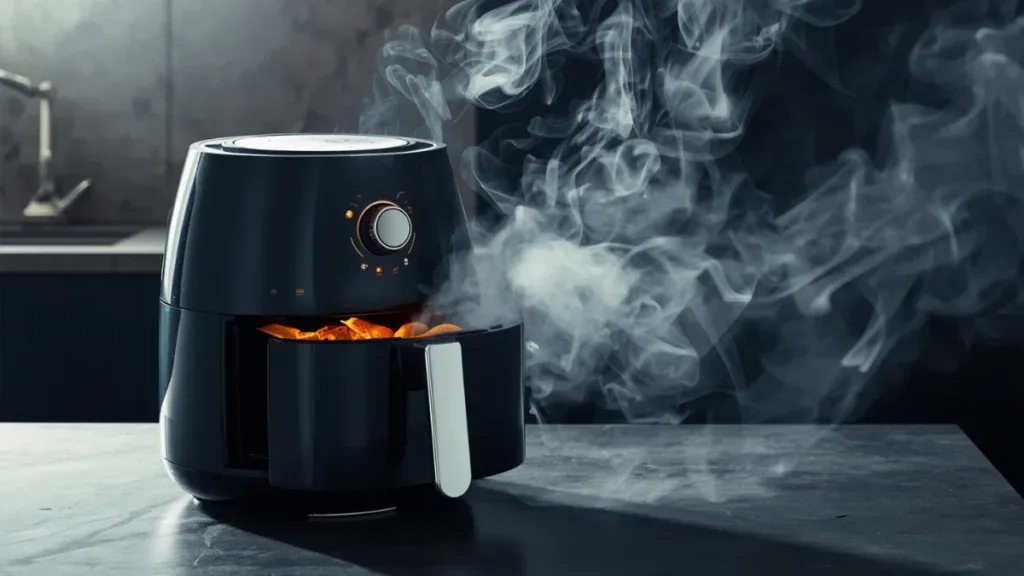
Image source: Bing (Web (fair-use with source credit))
Why's Your Air Fryer Smoking Up a Storm? Let's Figure It Out.
Hey there! So, your air fryer has decided to audition for a smoke machine role? Yeah, that's not exactly the gourmet experience we're going for.
It can be a bit alarming, but usually, it's something totally fixable. Think of me as your kitchen detective, here to help us sniff out why this is happening and get your air fryer back to its quiet, crispy-making self.
Most of the time, when an air fryer starts smoking, it's not because the appliance itself is broken. It's usually something pretty simple going on inside. For example, manufacturer specifications often note that excessive oil residue can lead to smoking at temperatures above 350°F (175°C).
Let's break this down and figure out what's going on.
Quick Answer
Stop an air fryer from smoking by cleaning out food debris and grease, using oil sparingly, and avoiding overcrowding the basket. If it's new, run it empty for a few minutes. If smoke persists, check the heating element area for buildup.
Usual Suspects: What Causes Air Fryer Smoke?
Most of the time, when an air fryer starts smoking, it's not because the appliance itself is broken. It's usually something pretty simple going on inside.
Here are the usual suspects:
- Food Debris: Little bits of food or grease that have splattered from previous cooks and are now baking onto the heating element or the basket. When you heat it up again, these bits burn.
- Oils and Fats Dripping: If you're cooking something fatty, like bacon or chicken wings, the fat can drip down onto the bottom of the air fryer where the heating element is. This fat then heats up and smokes.
- Overfilling the Basket: Packing your air fryer too full can block airflow, causing food to cook unevenly and potentially drip more grease onto the heating element.
- New Appliance Smell/Smoke: If your air fryer is brand new, there might be some manufacturing residue on the heating element that burns off during the first few uses. It usually goes away after a couple of cycles.
Step-by-Step: Troubleshooting Your Smoking Air Fryer
Alright, let's break this down and figure out what's going on. Think of this as a quick diagnostic flow.
Condition 1: Is the air fryer brand new?
- Yes: If you just unboxed it, that's probably the culprit. Run it empty at a moderately high temperature (like 350-375°F or 175-190°C) for about 10-15 minutes. Make sure the room is well-ventilated. The smell and light smoke should dissipate. Do this once or twice before cooking food.
- No: Okay, we're moving on to other possibilities.
Condition 2: Did you just cook something fatty or greasy?
- Yes: This is a common one! The smoking might be residual grease from your last cook. Let the air fryer cool down completely, then carefully remove the basket and tray. Check the bottom for any visible grease splatters or build-up.
- No: Let's keep digging.
Condition 3: When does the smoke appear?
- Right away, before adding food: This points to debris or a new appliance issue. Proceed to cleaning steps.
- During cooking: This is usually a sign of grease dripping or overfilling. If it's a lot, pause and check for dripping grease. If it's wispy and you're cooking fatty food, it might be normal for that specific food item.
- After cooking, when removing food: This could still be burned-on residue. Proceed to cleaning steps.
Cleaning the Removable Parts and Interior
This is often the magic bullet. A dirty air fryer is a smoking air fryer. Keeping your appliance clean is part of its routine upkeep, much like cleaning the intake on your lawn mower to keep it running smoothly.
Here's how to give it a good clean:
- Unplug and Cool Down: This is crucial for safety. Make sure it's completely cool before you start.
- Remove the Basket and Tray: Most air fryers have a removable basket and sometimes a separate tray or crisper plate.
- Wash the Removable Parts:
- Use warm, soapy water and a non-abrasive sponge or cloth.
- For stubborn grease, you can soak them in hot, soapy water for a bit.
- Many baskets are dishwasher safe (check your manual!), but handwashing is often better for longevity.
- Clean the Interior:
- Look for the heating element, usually at the top. Never immerse the main unit in water.
- Gently wipe down the inside surfaces with a damp cloth.
- For burned-on bits around the heating element (be very gentle here!), you can use a soft brush or a slightly damp cloth. Avoid anything that could dislodge or damage the element. Some people use a toothbrush for tight spots.
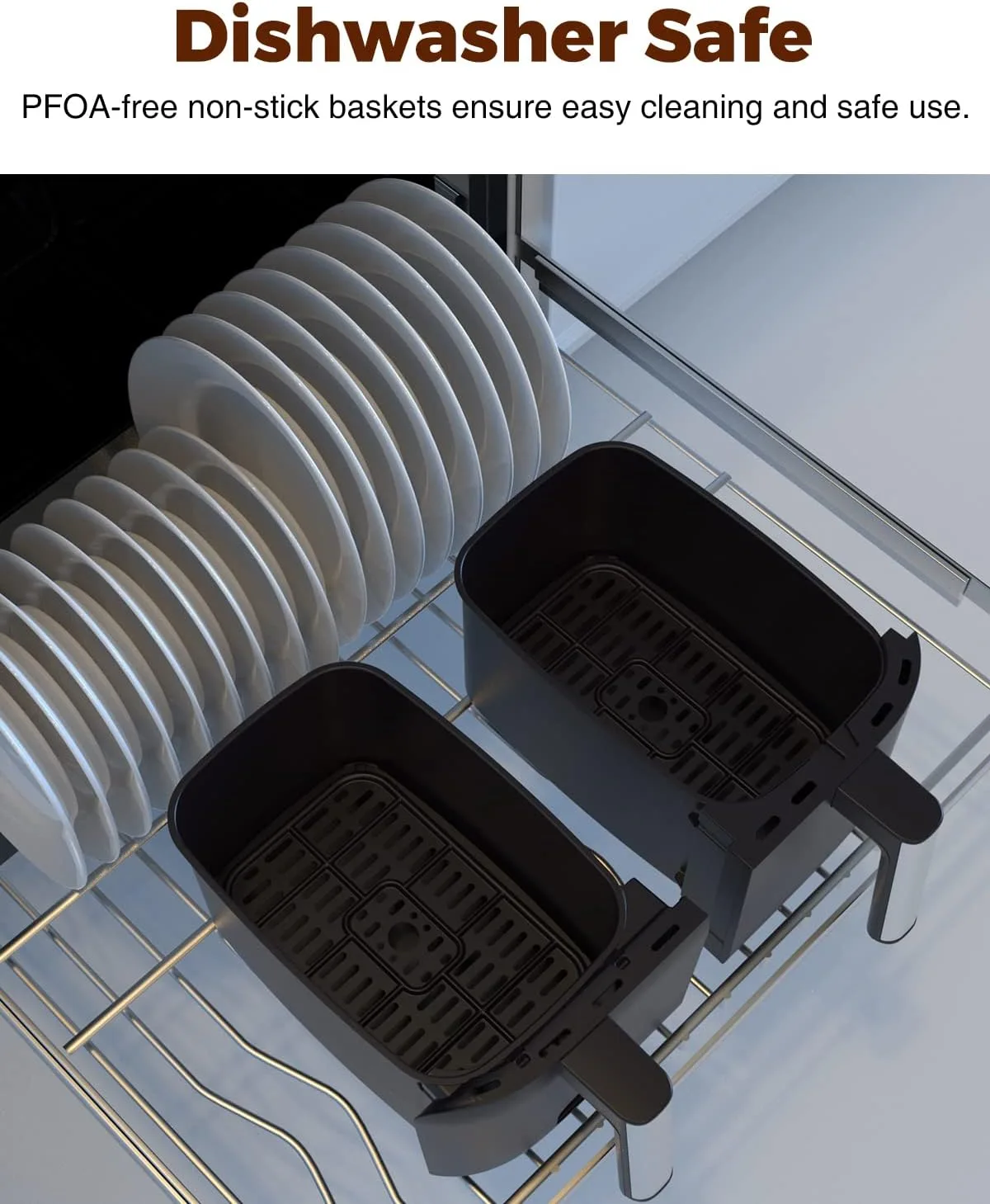
Image source: Bing (Web (fair-use with source credit))
Addressing Grease Dripping and Splatter
When you cook foods high in fat, like bacon, sausages, or certain cuts of chicken, the rendered fat can drip down. If it hits the hot heating element at the bottom of the air fryer's chamber, it will vaporize and produce smoke. This is a common reason for an air fryer to smoke during cooking.
If you notice a lot of smoke during a cooking cycle, especially with fatty foods:
- Pause and Inspect: Carefully pause the air fryer. Let it cool slightly, then see if there's excessive grease pooled at the bottom or dripping onto the heating element.
- Absorb Excess Grease: If there's a lot of grease, you might be able to carefully use a paper towel to dab some of it up (once it's cooled enough to be safe).
- Consider a "Drip Pan": Some users place a small piece of foil (ensure it doesn't block airflow) or a specialized air fryer liner at the very bottom of the unit, beneath the basket, to catch drips. However, always ensure this doesn't interfere with the heating element or airflow, as this could create a fire hazard or uneven cooking. Always consult your manual for manufacturer recommendations on liners or foil use.
New Appliance Smoke vs. Persistent Smoke
It's important to distinguish between the smoke from a brand-new air fryer and smoke that appears after you've used it several times.
New Appliance Smoke: As of 2026, many air fryer manufacturers, including those whose models are reviewed on sites like 7 Best Dishwasher, indicate that a light smoke or odor during the first one or two uses is normal. This is due to residual oils or protective coatings from the manufacturing process burning off the heating element.
- Action: Run the air fryer empty at around 375°F (190°C) for 10-15 minutes with good ventilation. Repeat once or twice. This should resolve the issue.
Persistent Smoke: If your air fryer smokes heavily during cooking cycles after the initial few uses, it's almost certainly due to accumulated food debris or grease buildup. This indicates it's time for a thorough cleaning. This is also true for other kitchen appliances that require regular maintenance to function optimally, such as ensuring a clean intake on a refrigerator for proper air circulation.
When to Use Oil (and How Much) in Your Air Fryer
Air fryers are designed to cook food with very little or no added oil. This is a key feature for those looking for healthier cooking options. However, whether you need to use oil, and how much, depends on the food you're cooking.
- For Fatty Foods: If you're cooking foods that already contain a significant amount of fat (like bacon, pork belly, or some sausages), you likely don't need to add any extra oil. The fat will render out during cooking and can cause smoking if it drips onto the heating element.
- For Lean Foods: For leaner items (like plain chicken breasts, fish fillets, or vegetables that don't have much natural moisture), a light coating of oil can help them crisp up, prevent sticking, and improve texture.
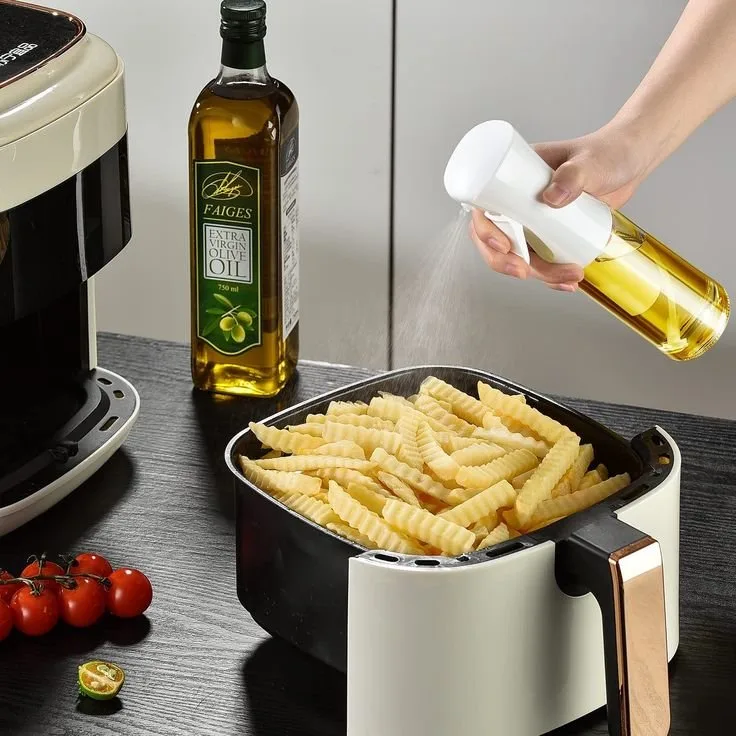
Image source: Bing (Web (fair-use with source credit))
How Much Oil is "Little"?
If you do choose to add oil, think in terms of a light spray or a teaspoon or two, maximum, for a standard batch. Too much oil can pool, drip, and then smoke. It's often best to use an oil sprayer for an even, light coating rather than pouring oil directly onto the food.
Using an oil sprayer is similar to ensuring you have the correct fluid level in other appliances for optimal performance.
The Air Fryer Workflow: Avoiding Overcrowding and Smoke
The way you arrange food in your air fryer basket is critical not just for cooking performance, but also for preventing smoke. Air fryers work by circulating hot air rapidly around the food. If you pack the basket too full, this airflow is restricted.
- Restricted Airflow: When air can't move freely, food cooks unevenly. Parts of the food might steam rather than crisp, and grease may not drain away effectively. Instead of crisping, fatty juices can get trapped and eventually burn.
- The Single-Layer Rule: For best results and to minimize smoke, aim to arrange food in a single layer with some space between pieces. This allows the hot air to reach all surfaces.
- Batch Cooking is Key: If you have a large amount of food, it's always better to cook it in multiple batches rather than trying to cram it all in at once. While this might take a little longer overall, you'll avoid smoke, ensure even cooking, and get much crispier results. This principle applies to many kitchen tasks; for instance, managing your refrigerator's capacity effectively means not overstuffing it.
Safety First: What Not to Do When Your Air Fryer Smokes
When smoke starts billowing from your air fryer, it's easy to panic. However, knowing what to avoid is just as important as knowing what to do.
- Don't Ignore It: If the smoke is excessive, especially if it has a strong burning smell, don't just keep cooking. Pause the appliance and investigate. Continuing to cook with a smoking appliance can be a fire hazard.
- Don't Spray Water: Never spray water directly onto a smoking or hot appliance. This can cause electrical shorts, damage the appliance, and create steam explosions.
- Don't Disassemble While Hot: If you need to check the heating element or remove debris, always unplug the air fryer and allow it to cool down completely first. Manufacturer guidelines, like those from NIST, emphasize unplugging appliances before performing maintenance.
- Don't Use Harsh Chemicals: For cleaning, stick to mild dish soap and warm water. Harsh chemicals or abrasive scrubbers can damage the non-stick coatings on baskets and trays.
FAQs: Quick Answers to Your Air Fryer Smoke Questions
What if my air fryer is smoking but it's not new?
If your air fryer is smoking and it's not new, it’s almost certainly due to food residue or grease buildup. The first step is always a thorough cleaning of the basket, tray, and the interior, especially around the heating element. If the smoke continues after a deep clean, there might be a more serious internal issue, but this is rare.
Is it normal for a new air fryer to smoke?
Yes, it's generally normal for a new air fryer to produce a bit of smoke or odor during its first one or two uses. This is typically residual manufacturing oils burning off the heating element. Manufacturer specifications often recommend running the appliance empty for about 10-15 minutes at a moderate temperature to clear this residue.
Can I use aluminum foil in my air fryer?
You can use aluminum foil in your air fryer, but with caution. Place it at the bottom of the basket or tray to catch grease, but ensure it doesn't block the air vents or come into contact with the heating element. Improper use of foil can hinder airflow, cause uneven cooking, and in some cases, pose a fire risk.
Always check your air fryer's manual for specific guidance on using foil or liners.
How often should I clean my air fryer to prevent smoking?
To prevent smoke, it's best to clean the removable parts (basket and tray) after every use. A more thorough cleaning of the interior, including the heating element area, should be done weekly or bi-weekly, depending on how often you use it and what types of food you cook. Consistent maintenance is key, much like ensuring your dishwasher is free of debris for optimal performance.
What types of food are most likely to cause air fryer smoke?
Foods with high fat content are the most likely culprits for causing an air fryer to smoke. This includes items like bacon, fatty cuts of pork or beef, sausages, and some fried snacks where oil may have been used. Foods that are breaded and fried might also produce smoke if crumbs or excess coating fall into the unit and burn.