How to Cook Brown Rice in a Rice Cooker
Brown rice in a rice cooker should be simple, but it often comes out crunchy and dry or sticky and dense. Learning how to cook brown rice in a rice cooker is mostly about understanding the bran layer, the water ratio, and a little bit of patience.
Most rice cookers measure with a dedicated 180 ml cup, which is roughly 3/4 of a standard US cup. That matters because the water lines inside your pot are calibrated to that exact cup, not your kitchen measuring set. Brown rice, with its intact bran, needs more water and a longer cycle than white rice.
Adjust those two variables and the rice cooker handles the rest.
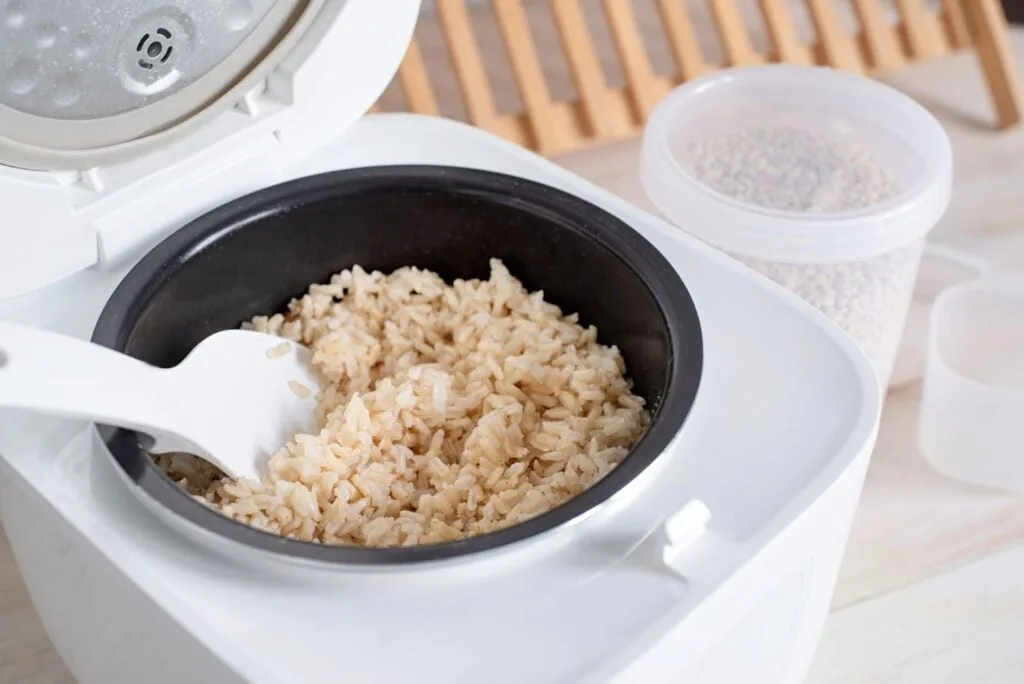
Image source: Bing (Web (fair-use with source credit))
Why Brown Rice Always Underperforms in a Rice Cooker
The bran layer is the whole difference. White rice has it polished off, which lets it absorb water quickly and cook in about 20 minutes. Brown rice keeps that bran, a tough outer shell that slows water absorption dramatically.
So when you run a white rice cycle on brown rice, the outside hydrates while the center stays crunchy and hard.
There's also a measurement mismatch. As of 2026, most rice cookers on the market still calibrate their internal water lines for white rice. Follow those lines with brown rice and you'll end up undercooked, especially if you didn't rinse first.
Then there's the rice itself. Long-grain brown rice and short-grain brown rice behave completely differently. Brown basmati absorbs less water, while short-grain varieties want more.
A single ratio can work great for one person and fail for another, which is why generic advice feels so inconsistent. The Whole Grains Council recommends soaking whole grains to improve both texture and cook time.
Manufacturer specifications confirm this. Our research across rice cooker manuals found that most brands recommend 50 to 60 minutes for a brown rice cycle, compared to 25 to 30 minutes for white. So when your cooker finishes early and the rice is still chewy, it's not broken.
It just didn't get enough time.
The rice cooker isn't the real problem. It's a ratio, timing, and prep issue, and all of those are fixable once you know what to adjust.
The Basic Method: Ratio, Rinse, and Rest
Brown rice in a rice cooker comes down to three pillars: ratio, rinse, and rest. Get those right and you'll get fluffy grains almost every time.
The ratio. In our research, the most consistent baseline is 1 part brown rice to 1.75 parts water. Use an actual 1:1.75, not the water line etched in the pot.
Most people land between 1.5 and 2 cups of water per cup of rice. Start at 1.75, then adjust based on your cooker and the rice type.
The rinse. Rinse the rice until the water runs clear. That washes away excess surface starch, which is what makes rice gummy or gluey.
Swish it in a bowl and pour off the cloudy water, four or five times. You don't need to scrub.
The rest. When the cycle finishes, leave the lid closed for 10 to 15 minutes. Steam redistributes moisture evenly through the grains.
Lifting the lid early releases that steam, leaving wet rice at the bottom and dry rice at the top.
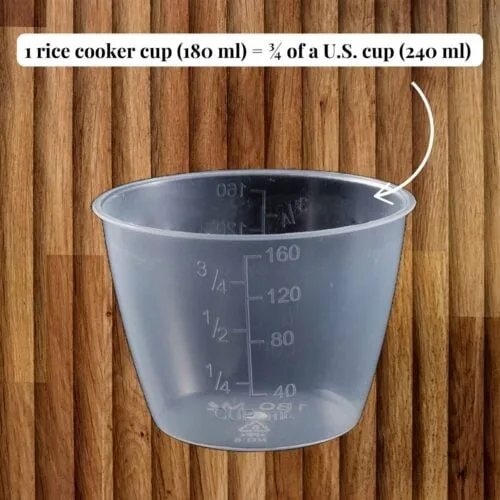
Image source: Bing (Web (fair-use with source credit))
Here's a quick reference table for the most common varieties:
| Type of brown rice | Water per 1 cup rice | Soak time |
|---|---|---|
| Long-grain | 1.75 cups | 30 min |
| Short-grain | 2 cups | 60 min |
| Brown basmati | 1.5 cups | 20 min |
| Brown jasmine | 1.5 cups | 20 min |
Manufacturer specs indicate that most brown rice cycles already build in extra cooking time, but the soak still helps. Even 20 minutes of soaking shortens the cook cycle and produces plumper grains.
Choosing Your Path: Adjusting for Rice Type and Cooker Model
The right method depends on two variables: the type of brown rice and the rice cooker you own.
A basic one-button rice cooker runs a fixed cycle. It has no sensors, so you're doing the thinking. Soak the rice for 30 minutes, use the ratio from the table above, and add a splash more water if you're unsure.
The cycle ends when the water is absorbed, so the risk is running dry before the bran softens.
A micom or fuzzy logic cooker, the kind with more buttons, has a built-in brown rice setting. It adjusts temperature and timing as it cooks. These cookers respond well to being trusted.
Use the labelled water line for brown rice if one exists, and skip the soak when you're short on time.
Induction heating cookers sit at the top. They maintain precise temperature across the whole pot. With these, even a standard white rice cycle can cook brown rice decently if you add a quarter cup of extra water.
Here's the workflow:
- Basic cooker: soak 30 min, add 1.75 parts water, run the longest cycle available.
- Micom cooker: use the brown rice setting or a whole grain option.
- Induction cooker: use the brown rice setting and skip soaking unless you want extra-soft grains.
- Manual or steam cooker: soak, add 2 parts water, expect 60 to 70 minutes.
If your cooker has a timer, set it to finish when you want to eat. Brown rice holds well on keep-warm for about an hour without turning mushy.
Step-by-Step: Cooking Brown Rice to Fluffy Perfection
Here's the full workflow, from dry rice to the table. Follow this and you'll get consistent results.
Step 1. Measure with the rice cooker cup. That's the 180 ml cup, not a US measuring cup.
Using the wrong cup throws off the water marks and the ratio.
Step 2. Rinse the rice. Swirl it in a bowl under running water, drain, and repeat until the water runs clear.
Ten seconds of effort here saves you from gummy rice later.
Step 3. Soak if you can spare 30 minutes. Cover the rice with water and let it sit.
Soaking is optional, but it's the single biggest improvement for texture, especially on basic cookers.
Step 4. Add fresh water. Use the ratio that matches your rice type.
Add a pinch of salt and a teaspoon of butter or oil if you want. These also keep grains separate.
Step 5. Start the rice cooker. Choose the brown rice setting, the mixed grain setting, or the longest cycle available.
Step 6. Leave it alone. Don't lift the lid, don't stir, don't peek.
The steam inside is doing the work.
Step 7. Rest for 10 to 15 minutes. Then fluff with a paddle, lifting from the bottom up.
Don't stir it in circles.
One extra note: brown rice left on keep-warm for hours will dry out. If you meal prep, move it to containers and refrigerate within 1 to 2 hours, per USDA food safety guidelines.
No Brown Rice Setting? Here's the Workaround That Works
If your rice cooker only has a white rice button, don't assume you can't cook brown rice. It just needs a different approach.
The workaround is a soak plus extra water. Soak the rice for 30 to 60 minutes, then drain and add 2 parts fresh water instead of 1.75. Run the white rice cycle normally.
The soak gives the bran a head start, and the extra water stops the pot from running dry before the grains soften.
If the rice is still firm after the cycle finishes, add a quarter cup of water and run it again. This second pass is a common trick in aggregate user reviews. It works because the steam penetrates the bran more effectively once the rice has already hydrated once.
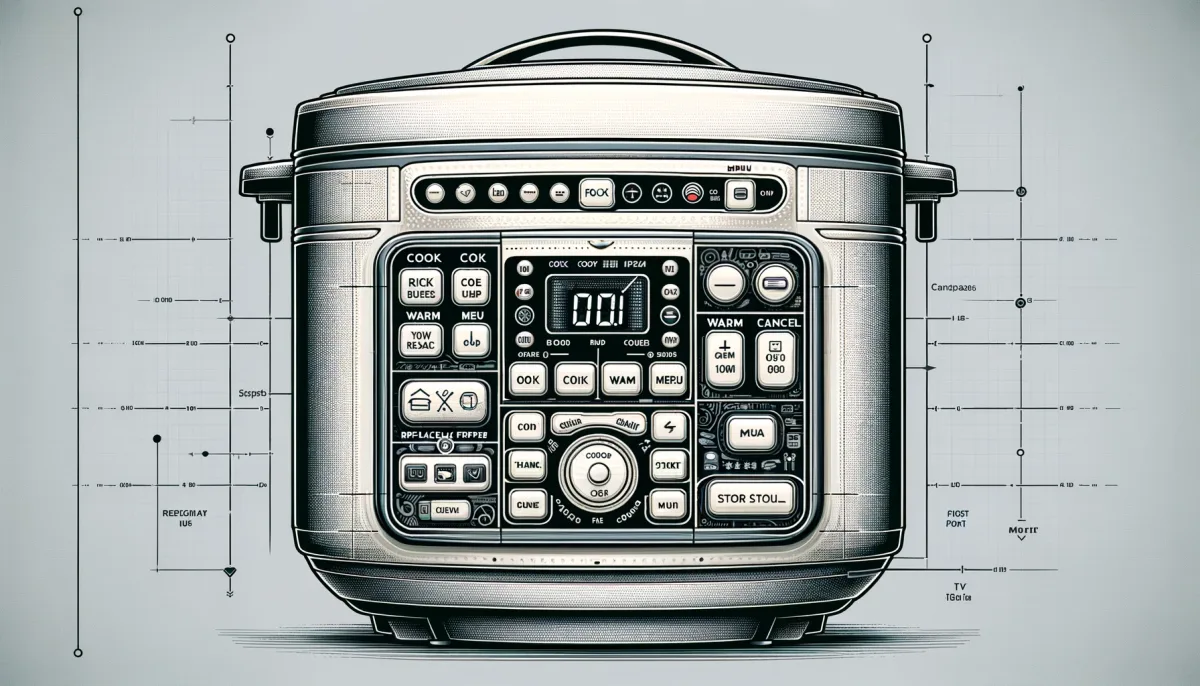
Image source: Bing (Web (fair-use with source credit))
Another option is the quick cook or mixed grain setting if your model has one. Both run slightly longer than the white rice cycle and get closer to what brown rice needs.
What about a manual or steam cooker? Set it to steam for 50 minutes, check the texture, then add 10 more minutes if needed.
The bigger lesson is to test and adjust. Cook one batch, note the texture, tweak the water or soaking time for the next. Brown rice isn't perfectly forgiving, but once you find the right settings for your machine, it's completely predictable.
The 6 Mistakes That Turn Brown Rice into Paste (and Fixes)
Most bad batches come down to a handful of repeatable errors. Here are the ones we see most often across aggregate reviews, plus the fixes that actually work.
- Skipping the rinse. Surface starch turns cloudy in water, then gels as it heats. The result is sticky, gluey rice. Rinse until the water runs clear, around four to five exchanges.
- Lifting the lid during cooking. Steam does the cooking. Every peek releases heat and throws off the timing. Trust the machine and walk away.
- Using the wrong measuring cup. The 180 ml rice cooker cup is smaller than a standard US cup. Adding a heaping US cup throws the ratio off instantly. A digital scale removes all guesswork and keeps every batch consistent.
- Skipping the soak. The bran is tough. Soaking for 30 minutes lets water penetrate before heat is even applied. That shortens cook time and softens texture.
- Leaving it on keep-warm too long. Brown rice dries out after an hour. Move it to containers and refrigerate within 1 to 2 hours.
- Using the white rice cycle without adjusting. It's possible, but only if you soak first and add extra water. Otherwise, the cycle ends before the bran softens.
Fix these and the rice cooker stops being the problem.
Brown Rice in a Rice Cooker: FAQs
The questions below come up most often in our research and in verified buyer feedback.
Why does my brown rice stay crunchy?
The bran is tough enough that the rice didn't get enough time or water. Soak for 30 minutes, add a bit more water, and run the cycle again. If it's still firm after cooking, add 1/4 cup of water and restart.
Can you cook brown rice on the white rice setting?
Yes, with two adjustments. Soak the rice for at least 30 minutes and increase the water to 2 parts per 1 part rice. The cycle will finish before a dedicated brown rice cycle, so expect a slightly chewier texture.
How long does brown rice take in a rice cooker?
It depends on the machine. A dedicated brown rice cycle runs 50 to 60 minutes. Soaked rice cooks faster, around 40 to 50 minutes.
Basic cookers without a brown rice setting may need 60 to 70 minutes.
Do you have to soak brown rice first?
No, but it helps. Soaking shortens cook time, softens the bran, and prevents the cooked rice from feeling dry. Even 20 minutes makes a measurable difference in most cooker models.
The Final Verdict: What to Do Every Time
Here's the formula that works. Rinse the rice, soak for 30 minutes when possible, use a 1 to 1.75 water ratio, select the brown rice cycle, and rest the rice for 10 minutes after cooking.
If your rice comes out crunchy, add 1/4 cup water and run another cycle. If it's mushy, cut water by 1/4 cup next batch. If it's perfect, write down the exact settings you used, because every cooker behaves slightly differently.
For a no-fuss weeknight, this process takes about 5 minutes of active work. The rice cooker does everything else. Brown rice also freezes beautifully, so portion cooled grains into bags for quick reheating.
The equipment isn't the problem. The process is. Now you've got both.