Obd Vs Obd2: Key Differences Explained
OBD is the first vehicle scan system; OBD2 is the newer, standardized version used today.
If you have ever seen a check engine light and wondered what the scan tool is actually reading, you are in the right place. The difference between OBD and OBD2 is not just a small tech upgrade. It is the shift from early, limited engine diagnostics to a much smarter, cleaner, and more universal system that helps drivers and mechanics find problems faster.
What OBD means and how it started
OBD stands for On Board Diagnostics. It was designed to let a car monitor its own engine and emissions systems. Early versions were basic, and they mainly helped technicians with emissions-related faults.
In simple terms, OBD was like a car learning to “speak up” when something was wrong. It was useful, but it was not very consistent from one car brand to another. That lack of consistency is one of the biggest reasons OBD2 became necessary.
What OBD2 is and why it replaced OBD
OBD2 means On Board Diagnostics II. It is the second generation of vehicle diagnostics, and it became the standard for most cars and light trucks sold in the United States starting in 1996.
OBD2 brought a common language for scan tools, trouble codes, and connectors. That means a scanner can usually read the same basic data from different car brands, which makes repairs much easier for both professionals and DIY owners. The difference between OBD and OBD2 is especially important here because OBD2 is not just newer; it is much more standardized and much more powerful.
The biggest difference between OBD and OBD2
The simplest way to understand the difference between OBD and OBD2 is this:
• OBD was the early version with limited functions and no universal standard across manufacturers.
• OBD2 is the improved version with standardized codes, connectors, and real-time data access.
• OBD2 checks more systems, including emissions, fuel control, ignition, and some transmission-related issues.
• OBD2 makes it easier to use one scanner across many vehicles.
From my own time around repair shops and diagnostic tools, this is the part that saves the most time. With OBD, you often needed brand-specific knowledge and tools. With OBD2, you can plug in a scanner and usually get a clear starting point fast.
OBD vs OBD2: side-by-side comparison
Here is a simple breakdown of the difference between OBD and OBD2.
| Feature | OBD | OBD2 |
|---|---|---|
| Full name | On Board Diagnostics | On Board Diagnostics II |
| Era | Early system | Standardized second generation |
| Common use | Older vehicles | Most 1996 and newer vehicles in the U.S. |
| Standardization | Limited | High |
| Connector | Varies by manufacturer | Standard 16-pin connector |
| Trouble codes | Manufacturer-specific in many cases | Standardized codes like P0xxx |
| Data access | Basic | Much broader and more detailed |
| Emissions monitoring | Limited | Strong focus on emissions control |
This is where the difference between OBD and OBD2 really becomes practical. OBD2 is not only easier to use, but it is also better for emissions testing, troubleshooting, and long-term vehicle care.
Why OBD2 became the industry standard
Automakers and regulators needed a better way to monitor vehicle emissions and catch faults early. That is where OBD2 came in. It gave everyone the same basic diagnostic structure, which made inspections, repairs, and compliance much simpler.
A major benefit of OBD2 is that it helps identify problems before they get worse. For example, a bad oxygen sensor or misfire can hurt fuel economy and increase emissions long before the car feels obviously broken. OBD2 helps catch those issues early.
What OBD2 can tell you that OBD often could not
OBD2 can show much more useful information than older OBD systems. It can provide trouble codes, live sensor data, freeze frame data, and readiness monitor status.
Some of the most helpful data includes:
• Engine fault codes
• Oxygen sensor readings
• Fuel trim values
• Misfire information
• Catalyst efficiency data
• Evaporative emissions system status
• Vehicle readiness for emissions testing
When I first started using scan tools, the biggest eye-opener was freeze frame data. It is like a snapshot of the moment the problem happened. That tiny bit of detail can save hours of guesswork.
Source: obdiicable.com
Common OBD2 trouble code types
OBD2 codes are one of the biggest differences between OBD and OBD2. Most OBD2 codes follow a standard format that makes them easier to understand.
Here are the main groups:
• P codes for powertrain issues
• B codes for body systems
• C codes for chassis issues
• U codes for network and communication faults
The most common ones for everyday drivers are P codes. For example, a P0300 code means random or multiple cylinder misfire. That kind of standardization is one reason the difference between OBD and OBD2 matters so much to drivers and shops.
Connector and scanner differences
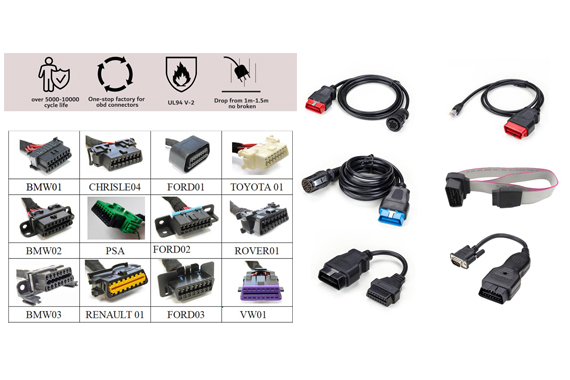
Another clear difference between OBD and OBD2 is the connector. OBD2 uses a standard 16 pin diagnostic port. In most vehicles, it is located under the dashboard near the steering wheel.
Older OBD systems did not have one universal port. That made scanners more complicated and less user friendly. Today, if your car is OBD2 compliant, a basic scanner usually plugs right in without extra adapters.
A practical tip from experience: do not assume every cheap scanner will read every module. Some only show engine codes, while better tools can access ABS, airbag, and transmission data too.
Which vehicles use OBD and which use OBD2
In the U.S., OBD2 is standard on:
• Gasoline cars and light trucks from model year 1996 onward
• Most diesel vehicles of the same era, depending on class and setup
OBD is found on older vehicles made before full OBD2 adoption. Exact cutoffs can vary by region and vehicle type, so it is always smart to check the manufacturer label or owner manual.
This matters because people often buy a scanner and wonder why it does not work. In many cases, the issue is not the tool. It is that the car is using an older OBD system or a non standard setup.
Benefits of OBD2 over OBD
OBD2 brought several real benefits that made vehicle diagnostics easier and more accurate.
• Faster troubleshooting because codes are standardized
• Better emissions control and testing support
• Easier scanner compatibility across brands
• More live data for repair decisions
• Better support for preventive maintenance
• More reliable communication between the car and scan tool
From a hands-on point of view, OBD2 is like having a clearer dashboard for the car’s health. OBD was useful, but OBD2 is far more practical for modern driving.
Limitations of OBD2
Even though OBD2 is much better, it is not perfect. It tells you where to start, but it does not always tell you exactly which part failed.
For example, a misfire code may point to a bad ignition coil, spark plug, injector, or even a vacuum leak. That is why good diagnostics still matter. A scan tool is a guide, not a magic wand.
Also, some inexpensive readers only access basic engine codes. If you need deeper system checks, you may need a more advanced scanner.
Real-life example of the difference between OBD and OBD2
A common situation goes like this: a driver sees the check engine light and borrows a basic scanner. On an OBD2 car, the tool pulls a code like P0420, which points to catalyst efficiency problems.
That is already helpful. On an older OBD vehicle, the same issue might be harder to trace because the system may not give a standard code or may require a brand-specific method. This is one reason the difference between OBD and OBD2 can feel dramatic in real life.
I have seen people replace parts blindly on older systems, hoping the light disappears. With OBD2, you still need good diagnosis, but at least you start with better information.
How to know if your car has OBD or OBD2
You can usually tell by the model year and the connector.
Check these signs:
• If your U.S. vehicle is 1996 or newer, it likely has OBD2
• If the diagnostic port is a 16-pin trapezoid shape, that is a strong sign of OBD2
• If the vehicle is older, it may have OBD or a manufacturer-specific early system
If you are unsure, the owner manual or a quick scan tool test can help confirm it. This small check can save you from buying the wrong reader.
Why the difference matters for drivers
Understanding the difference between OBD and OBD2 helps in everyday life more than many people expect. It can save money, reduce guesswork, and make it easier to keep your car healthy.
It also helps you talk with a mechanic more confidently. Instead of saying “the light is on,” you can say “I pulled an OBD2 code and want to know what it means.” That changes the whole conversation.
Source: obdgenie.com
Frequently Asked Questions
Is OBD the same as OBD2?
No, they are not the same. OBD is the older diagnostic system, while OBD2 is the newer standardized version used on most modern vehicles. The difference between OBD and OBD2 is mainly about compatibility, data access, and standardization.
Can an OBD scanner read OBD2 cars?
Sometimes, but not always. A scanner must support OBD2 protocols to read most 1996 and newer vehicles. If it only supports early OBD formats, it will not give you the full picture on an OBD2 car.
Why is OBD2 better than OBD?
OBD2 is better because it uses standard codes, a standard connector, and broader data monitoring. That makes it much easier to diagnose problems and pass emissions checks. It also works across many brands, which is a huge advantage.
Do all cars have OBD2?
No, not all cars have OBD2. In the U.S., most gas vehicles from 1996 onward do, but older cars usually use OBD or another early system. Some vehicles outside the U.S. may follow different rules.
What does an OBD2 code tell you?
An OBD2 code tells you which system may have a problem, such as the engine, transmission, or emissions system. It gives a starting point for diagnosis, but it does not always name the exact broken part. That is why further testing is often needed.
Is OBD2 used only for emissions?
No, it is not only for emissions. While emissions monitoring was a major reason for its creation, OBD2 also helps track misfires, sensor issues, fuel problems, and other engine-related faults. It is a much broader diagnostic system than many people think.
Conclusion
The difference between OBD and OBD2 comes down to age, standardization, and usefulness. OBD was the first step, but OBD2 became the smart, common language that modern vehicles use to report problems.
If you own a car, knowing which system it has can help you choose the right scanner, understand check engine lights, and avoid wasted repair money. Take a few minutes to check your vehicle’s setup, learn the basics of its codes, and use that knowledge to make better decisions. If this guide helped, explore more diagnostic tips, share it with another driver, or leave a comment with your own experience.