How to Choose a Stand Mixer
So, you're thinking about how to choose a stand mixer? It's a big step up from a hand mixer, giving you serious power and convenience for all your baking projects. But with so many models and features, it's easy to feel lost in the options.
We've dug into what makes a stand mixer truly great, from how much dough it can handle to what kind of motor hums inside. Let's break down what you need to know to find the one that’s just right for your kitchen and your baking style.
Quick Answer
To choose a stand mixer, consider its wattage for power, bowl capacity for batch size, and essential attachments for versatility. Look for durable build quality for longevity and stability. Match the mixer’s capabilities to your typical baking tasks, from delicate meringues to dense bread doughs, and ensure it fits your kitchen space.
Why a Stand Mixer is Your Kitchen's Best Friend
Stand mixers are designed to take the hard work out of baking, offering consistency and freeing up your hands. They’re more than just a convenience; they’re a tool that can elevate your culinary creations.
Hands-Free Power for Better Baking
When you’re tackling a recipe that requires a lot of mixing or kneading, a stand mixer does the heavy lifting. This means you can step away, gather other ingredients, or prep the next step of your meal while the mixer handles the repetitive tasks. It’s about efficiency and achieving professional-level results without the strain.
What Stand Mixers Tackle That Hand Mixers Can't
A hand mixer is great for quick jobs, but it struggles with dense batters and large quantities. Stand mixers, with their robust motors and stable bases, can effortlessly knead bread dough for hours, cream butter and sugar to perfect consistency for cakes, or whip egg whites to stiff peaks for meringues. Their power, generally ranging from 300 to over 500 watts, is crucial for these demanding tasks.
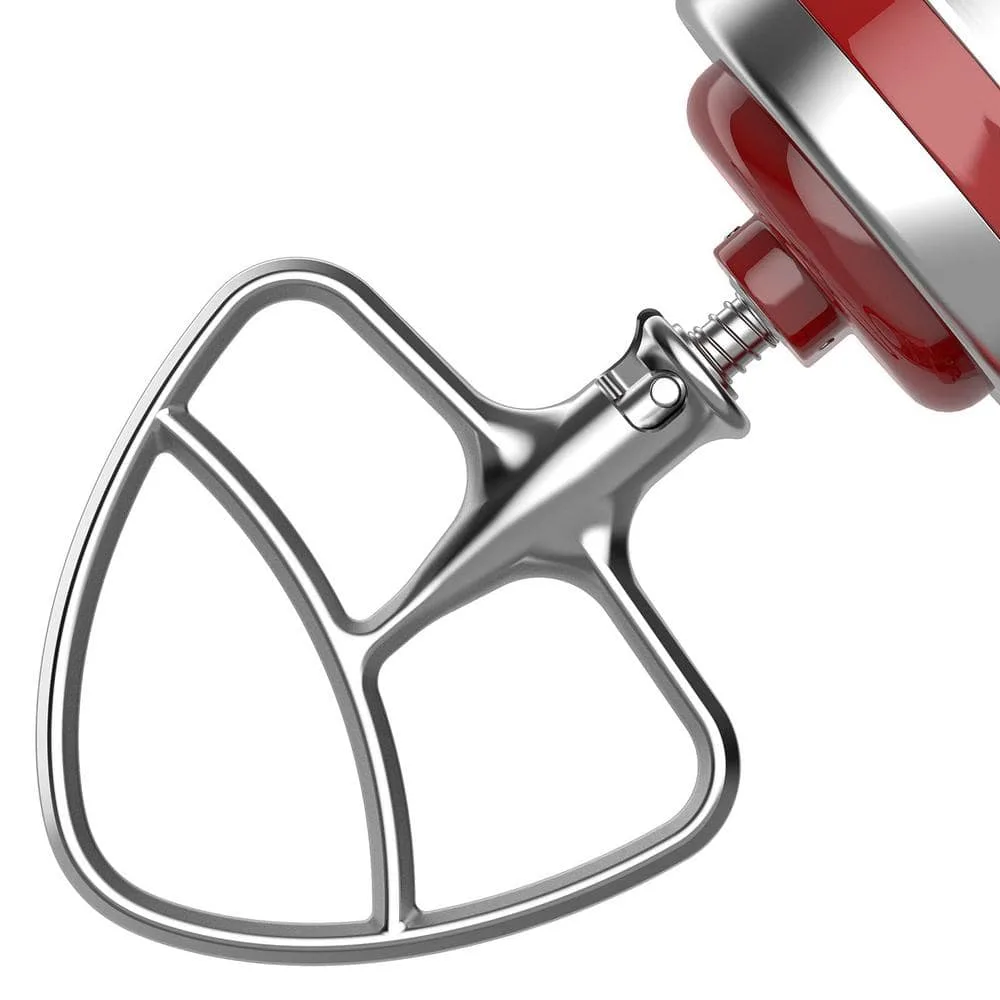
Image source: Bing (Web (fair-use with source credit))
Key Stand Mixer Features to Look For
When you start browsing, you'll see a lot of technical specs. Understanding these will help you pinpoint the right mixer for your needs.
Motor Power: Wattage vs. Real Performance
Wattage is often advertised as a measure of power, but it's not the whole story. While higher wattage (e.g., 500 watts or more) generally indicates more muscle for tough jobs, the motor's design and gearing also play a significant role. Some mixers with lower wattage might outperform those with higher numbers due to more efficient engineering.
For serious dough-making, you’ll want a motor that’s robust and designed for sustained use.
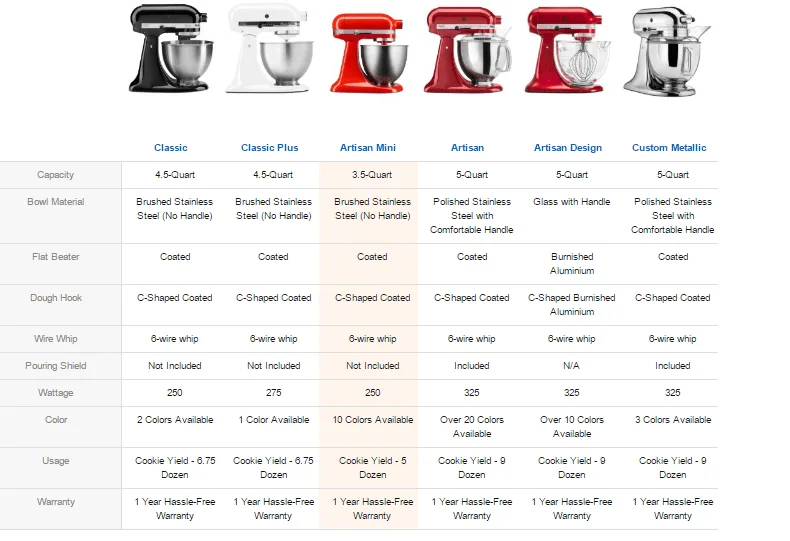
Image source: Bing (Web (fair-use with source credit))
Bowl Size: From Single Servings to Party Platters
Bowl capacity is measured in quarts and directly relates to how much you can mix at once. A standard 5-quart bowl is sufficient for most home bakers, handling recipes for up to about 10 dozen cookies or several loaves of bread. If you often bake for large gatherings or process large batches for canning, consider a larger 7-quart or even an 8-quart capacity.
Essential Attachments: Your Mixing Toolkit (Dough Hook, Beater, Whisk)
Nearly all stand mixers come with three core attachments. The dough hook is for kneading bread and pasta doughs. The flat beater, also called a paddle, is your workhorse for creaming butter and sugar, mixing cake batters, and cookie dough.
The wire whisk is for incorporating air, perfect for whipping cream and egg whites. Some models offer additional attachments, but these three are fundamental.
Design Differences: Tilt-Head vs. Bowl-Lift
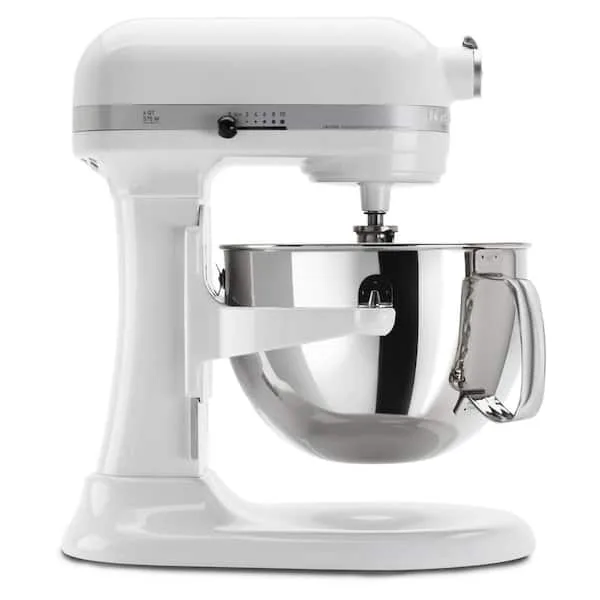
Stand mixers come in two main designs: tilt-head and bowl-lift.
- Tilt-Head: The mixer head pivots back, making it easy to access the bowl for adding ingredients or scraping down the sides. These are common in home models and convenient for general use.
- Bowl-Lift: The bowl itself raises up into mixing position via a lever. This design is typically found on larger, more powerful commercial or heavy-duty home models and offers superior stability for very heavy loads.

Image source: Bing (Web (fair-use with source credit))
How to Match a Mixer to Your Baking Needs
Choosing a stand mixer isn't just about specs; it's about finding the right tool for the job you do most often. Consider your typical baking habits to make the best choice.
The Everyday Baker: Perfect for Cakes and Cookies
If your baking primarily involves cakes, muffins, cookie dough, and frosting, a tilt-head model with a 5-quart or 6-quart bowl is usually ideal. A motor in the 300-500 watt range will handle these tasks with ease. You'll appreciate the convenience of the tilt-head for easy access and attachment changes.
These mixers often come in a variety of colors to match your kitchen decor.
The Sourdough Enthusiast: Tackling Tough Doughs
For those who regularly bake bread, pizza dough, or other heavy yeast doughs, power and stability are paramount. Look for models with higher wattage (500+ watts) or those known for their durable, geared motors. A bowl-lift design often offers better stability for extended kneading sessions.
A capacity of 6 quarts or more is recommended to comfortably handle larger dough balls without straining the motor.
The Busy Cook: Making Large Batches Effortlessly
If you frequently bake for parties, events, or meal prep, a mixer with a larger bowl capacity, like 7 or 8 quarts, will be a lifesaver. These high-capacity mixers are built for volume. They typically feature powerful motors designed to run for longer periods, ensuring consistent results even when making double or triple batches of your favorite recipes.
Stand Mixer Drawbacks and What to Watch Out For
While stand mixers offer fantastic benefits, there are a few things to be aware of that might influence your decision. Being informed helps you avoid common pitfalls.
Noise, Size, and Counter Space Realities
Stand mixers can be quite noisy, especially when tackling dense doughs at higher speeds. If you’re sensitive to noise or have thin walls, this is a factor to consider. They also take up a significant amount of counter space, and their weight can make them cumbersome to move.
Measure your available counter and storage space before you buy. Some manufacturers note decibel levels, which can be helpful for comparison.
Common Mistakes Home Bakers Make When Choosing
One common mistake is buying a mixer that’s too small for your needs; you'll end up struggling with large batches or overworking the motor. Conversely, an oversized mixer can be overkill and take up too much valuable counter space for simpler tasks. Another pitfall is focusing solely on wattage without considering motor quality or gearing, which can lead to a mixer that falters under load.
Always think about your most frequent baking tasks.
Stand Mixer vs. Hand Mixer: When to Use Which
Deciding if you need a stand mixer really boils down to comparing it to its smaller cousin, the hand mixer. A hand mixer is portable and great for small, quick tasks. It's what you'd grab for whipping up a single batch of frosting or quickly mixing pancake batter.
However, if your baking adventures involve anything more substantial, like kneading bread dough, making large batches of cookies, or whipping cream for an hour, a hand mixer simply won't cut it. It lacks the power and stability for those heavy-duty jobs, and holding it for extended periods becomes tiring. A stand mixer is designed for these more demanding, hands-free operations.
Expert Tips for Stand Mixer Success
Once you've chosen your stand mixer, a few practices can ensure you get the best performance and longevity from your investment. These tips focus on both daily use and long-term care.
Maintaining Your Mixer for Longevity
Regular cleaning is key. Most bowls, whisks, beaters, and dough hooks are dishwasher-safe, which makes cleanup a breeze. For the main unit, simply wipe down the exterior with a damp cloth.
Avoid submerging the motor housing or using harsh abrasives. Checking manufacturer specifications for recommended cleaning procedures can prevent damage. As of 2026, most manufacturers offer detailed care guides for their models.
Getting the Most Out of Your Attachments
Ensure you're using the right attachment for the job. For instance, the flat beater should be used for creaming butter and sugar, not for whipping egg whites, that’s the whisk’s job. When kneading dough, start on the lowest speed to avoid splashing and gradually increase as the dough forms.
If your mixer comes with optional attachments like a pasta roller or ice cream maker, familiarize yourself with their specific operating instructions for best results. These accessories can dramatically expand your mixer's utility.
Frequently Asked Questions About Stand Mixers
How long does setup take?
Setup typically takes just a few minutes. You'll primarily need to attach the bowl and select the appropriate mixing attachment. For most models, this involves a simple twist or lock mechanism.
Ensure the mixer is on a stable, level surface before starting.
What are the signs of an underpowered mixer?
An underpowered mixer will struggle with dense ingredients, often making a straining or whining sound. It might also slow down significantly or stop altogether when faced with thick cookie dough or heavy bread dough. You might also notice inconsistent mixing, with unmixed ingredients left at the bottom of the bowl.
Can I use my stand mixer for tasks other than baking?
Yes, many stand mixers are versatile. With optional attachments, they can function as pasta makers, ice cream makers, grinders, and more. However, always check the manufacturer's guidelines to ensure an attachment is compatible with your specific model and designed for the task.
How do I troubleshoot a stand mixer that won't turn on?
First, check that it's properly plugged into a functioning outlet. Ensure the bowl and mixer head are correctly locked into place, as many models have safety interlocks. If it still won't power on, consult your user manual for specific troubleshooting steps or contact the manufacturer’s support.
Issues with internal wiring or motor failure may require professional repair.
Your Stand Mixer Decision Guide
Choosing a stand mixer involves balancing power, capacity, and your personal baking habits. For lighter tasks and occasional baking, a 4.5-quart tilt-head model might suffice. If you're a serious baker tackling bread dough and large batches, opt for a 6-quart or larger bowl-lift model with a robust motor.
Consider the available attachments and any optional accessories you might want to add later. Always prioritize build quality and motor performance over just wattage. By carefully matching these features to your kitchen needs, you’ll find a stand mixer that becomes an invaluable, long-lasting kitchen companion.