How to Choose an Espresso Machine
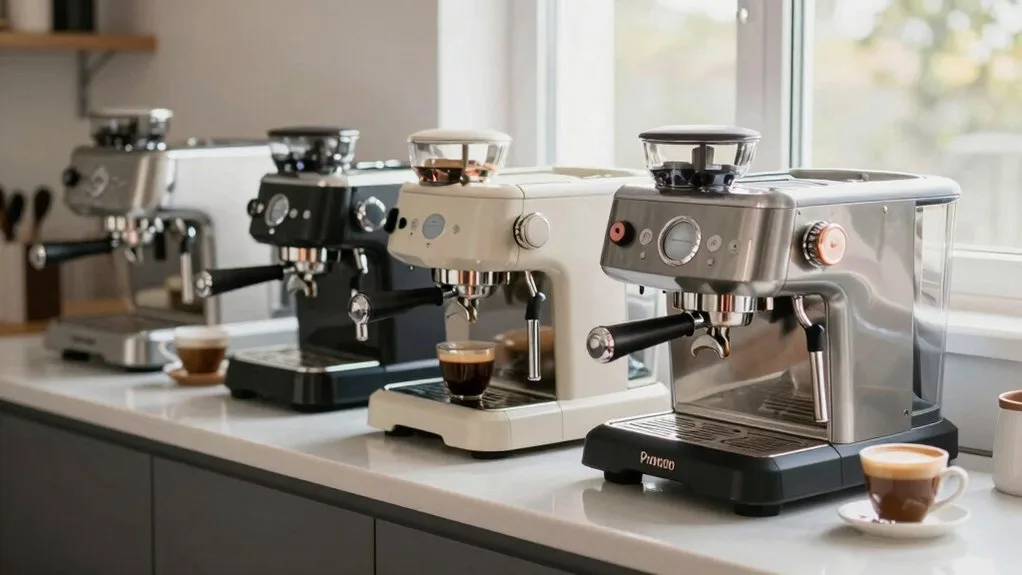
Image source: Bing (Web (fair-use with source credit))
How to Choose Your Perfect Espresso Machine
So, you're thinking about bringing the magic of espresso home. That's fantastic! Learning how to choose an espresso machine can seem a bit daunting with all the different types and features available, but it's really about finding the right fit for your morning routine and your taste preferences.
The goal is to get a machine that consistently brews delicious shots and lets you enjoy your favorite coffee drinks. Our research indicates that a machine’s pump system, for example, can operate at pressures as high as 9 bars or more to properly extract espresso. Let's break down what you need to know to make an informed decision.
Quick Answer: What Kind of Espresso Machine Is Right For You?
To choose an espresso machine, first identify your needs: convenience (super-automatic), hands-on control (semi-automatic), simplicity (pod), or a unique craft (manual). Consider your budget and whether you’ll mainly drink straight espresso or milk-based drinks, as milk steaming capabilities vary widely.
Understanding the Main Espresso Machine Types
When you're looking at espresso machines, you'll see a few main categories. Each one offers a different experience, from fully automated to completely manual. Understanding these types is the first big step in figuring out which one will best suit your kitchen and your coffee habits.
Super-Automatic Espresso Machines: Push-Button Perfection
These machines are designed for ultimate convenience. You literally press a button, and the machine handles everything from grinding the beans to brewing the espresso and often even frothing the milk. They're like having a mini barista built into your countertop.
- How they work: They typically feature integrated burr grinders, a brewing unit, and a milk frothing system that can often dispense steamed milk or foam directly into your cup. You just add whole beans and water.
- Who they're for: If you prioritize speed and ease of use above all else, and want consistent results without learning complex techniques, a super-automatic is a great choice. They’re ideal for busy mornings or households where multiple people want good coffee with minimal fuss.
- Key benefits: Unmatched convenience, consistent espresso quality, and often a wide range of drink options at the touch of a button.
- Potential drawbacks: Higher price point, less control over brewing variables, and cleaning the internal brewing unit can sometimes be more involved than with simpler machines.
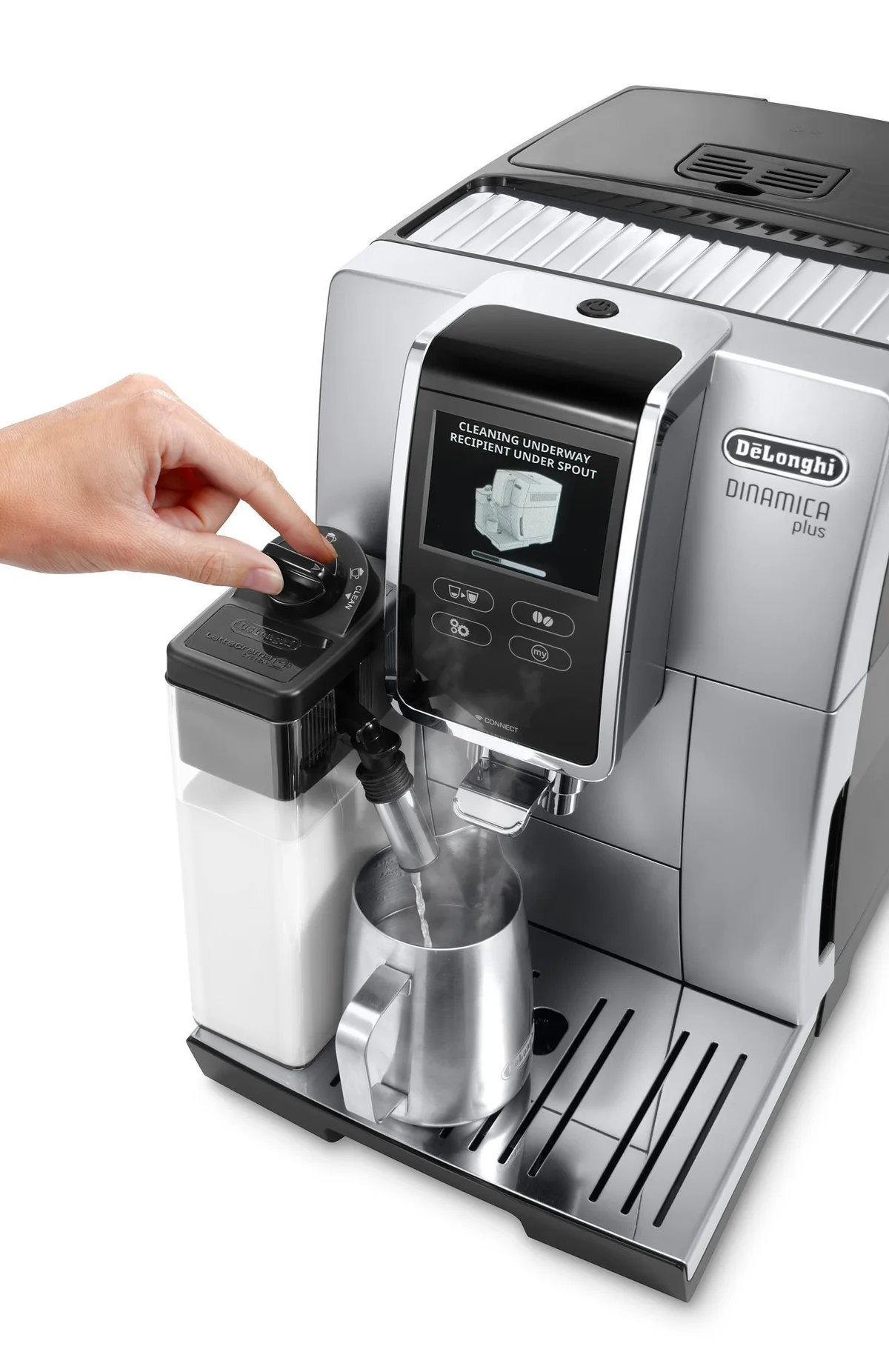
Image source: Bing (Web (fair-use with source credit))
Semi-Automatic Espresso Machines: The Home Barista's Balance
This is where many home espresso enthusiasts find their sweet spot. Semi-automatic machines offer a great blend of user control and machine assistance, allowing you to hone your barista skills. You'll be more involved in the brewing process, which many people find rewarding.
- How they work: You're responsible for grinding your coffee beans, dosing them into the portafilter, and tamping them down. The machine then takes over, controlling the water temperature and pressure to brew the espresso shot when you activate it. Most also have a manual steam wand for frothing milk.
- Who they're for: These machines are perfect for anyone who enjoys the ritual of making coffee, wants to experiment with different beans and grind settings, and is willing to learn the nuances of espresso extraction and milk steaming. You can achieve truly excellent results with practice.
- Key benefits: Significant control over the brewing process leads to higher quality potential, a more engaging coffee-making experience, and typically a lower cost than super-automatics.
- Potential drawbacks: There's a learning curve involved. Your first few shots might not be perfect as you dial in the grind and tamping pressure. Mastering milk steaming also takes practice.
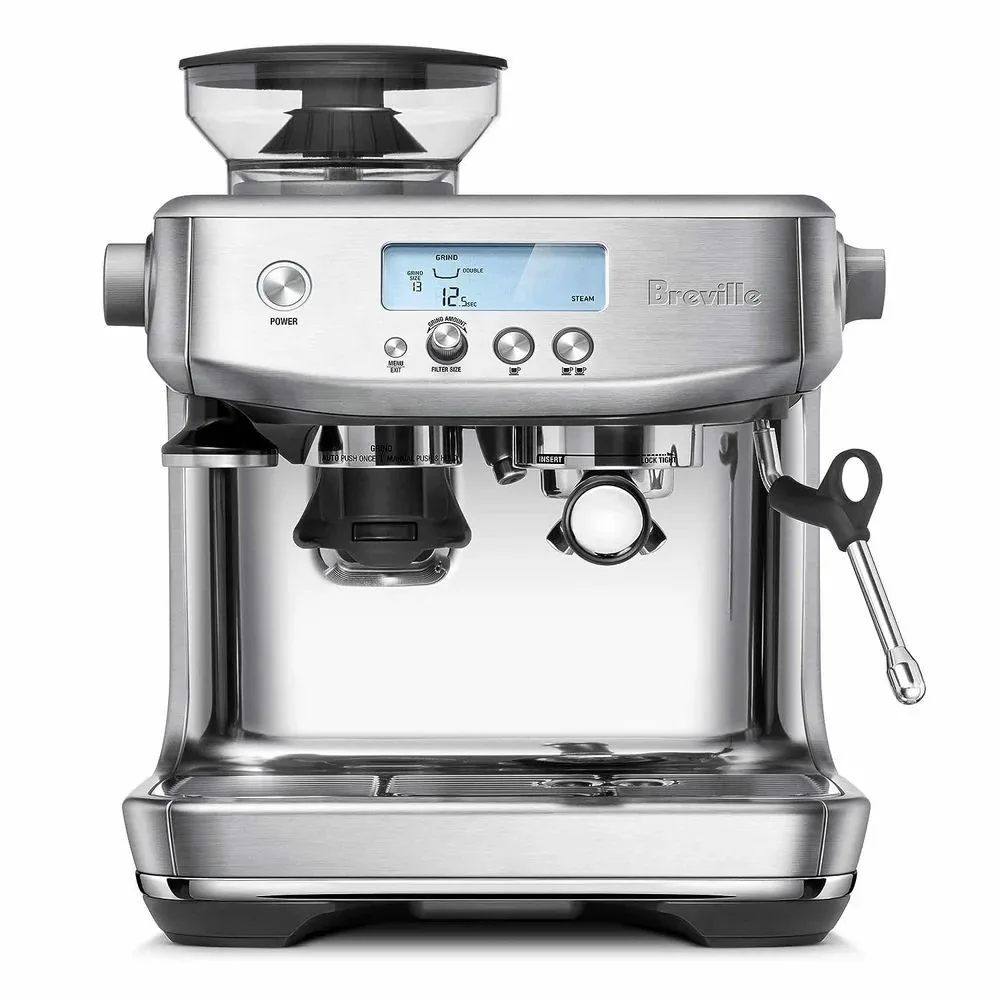
Image source: Bing (Web (fair-use with source credit))
Manual & Lever Espresso Machines: For the True Craftspeople
These are the purists' machines. Manual or lever espresso machines put you in complete control, relying on your physical input to generate the necessary pressure for brewing. They offer a hands-on experience unlike any other.
- How they work: Instead of an electric pump, you manually pull a lever. This action forces hot water through the coffee grounds. The quality of the shot is heavily dependent on your technique, including the grind, tamp, and the consistency of your lever pull.
- Who they're for: Ideal for the dedicated hobbyist who appreciates mechanical simplicity, loves the tactile aspect of coffee making, and is willing to invest significant time into mastering the craft. They often have a unique aesthetic appeal.
- Key benefits: Absolute control over every brewing variable, potentially leading to exceptional espresso once mastered. They are often built for longevity and require minimal electronic components that can fail.
- Potential drawbacks: The learning curve is the steepest here; achieving consistent, great results requires considerable skill and practice. Milk steaming is usually a separate process, often requiring an external steam wand or a different machine altogether.
Pod & Capsule Machines: Ultimate Convenience, Limited Choice
If you're looking for the absolute simplest way to get an espresso-like drink at home, pod or capsule machines are an option. They've gained popularity for their speed and minimal mess.
- How they work: You insert a pre-packaged coffee pod or capsule into the machine. With the press of a button, the machine pierces the pod and forces hot water through it to brew a shot.
- Who they're for: Best for individuals or households where speed, simplicity, and minimal cleanup are the top priorities. They are a good entry point for those who just want a quick coffee fix without any fuss.
- Key benefits: Extremely easy to use, very little mess to clean up, and consistent results with every pod.
- Potential drawbacks: The quality of espresso is generally considered lower than that from other machine types. You're also limited to the specific coffee blends offered by the pod manufacturer, and the environmental impact of single-use pods is a significant concern for many consumers.
Key Features & Attributes That Matter Most
Beyond the type of machine, several specific features can significantly impact your experience. Thinking about these will help you narrow down your choices within any given category.
Grind, Tamp, and Brew: What You Control (and What the Machine Does)
This is where the core difference lies, especially between automatic and semi-automatic machines.
- Grinding: Super-automatics have built-in grinders. For semi-automatics, you'll need a separate, high-quality burr grinder designed for espresso. The grind size is critical for proper extraction.
- Dosing: This refers to how much coffee grounds you put into the portafilter basket. Semi-automatics require you to do this manually, often by weighing the grounds for precision.
- Tamping: This is compressing the coffee grounds evenly in the portafilter. Again, a manual step for semi-automatics, crucial for even water flow.
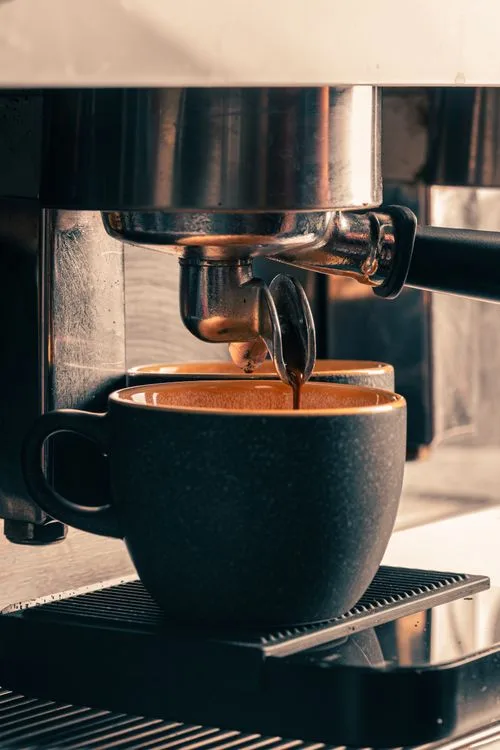
- Brewing: The machine controls the water temperature and pressure. Per manufacturer specifications, ideal espresso extraction typically occurs between 195°F and 205°F (90.5°C to 96°C) at 9 bars of pressure. The brewing time is also a key metric, usually around 25-30 seconds for a double shot.
Steam Wands: Your Key to Milk Drink Magic
If you're dreaming of lattes, cappuccinos, or flat whites, the steam wand is your best friend. There are a few types:
- Manual Steam Wand: Most common on semi-automatic machines. You control the steam wand by turning a valve. It requires practice to get silky microfoam, but offers the most control and best results when mastered.
- Automatic Steam Wand/Carafe: Found on many super-automatic machines. These systems automatically steam and dispense milk directly into your cup, often with adjustable foam levels. They offer incredible convenience but can sometimes produce a less refined texture than manual steaming.
Common Pitfalls When Choosing an Espresso Machine
Even with the best intentions, it's easy to make mistakes when picking out an espresso machine. Being aware of these common issues can save you frustration and money down the line.
- Underestimating the Grinder: Many people focus solely on the espresso machine itself and pair it with a subpar grinder. A good espresso grinder is non-negotiable for semi-automatic machines. If it can't produce a fine, consistent grind suitable for espresso, your shots will suffer, no matter how good the machine is.
- Ignoring the Learning Curve: Especially with semi-automatic machines, users sometimes expect perfect shots right out of the box. Espresso making is a craft that takes practice to dial in. If you're not prepared to experiment with grind size, dose, and tamp, you might get discouraged.
- Overlooking Milk Steaming Needs: If you love milk-based drinks, ensure the machine you choose has a capable steam wand. Some entry-level machines have weak steam wands that struggle to create good microfoam, leading to disappointing lattes.
- Buying Too Much Machine: It's tempting to get the most feature-packed model, but if you'll only ever make a single espresso shot a day, a complex, high-end machine might be overkill. Conversely, buying a basic machine that doesn't meet your milk drink ambitions can lead to buyer's remorse.
- Forgetting Maintenance: Espresso machines require regular cleaning and descaling to function optimally and last longer. Some machines are much easier to maintain than others. If cleaning seems like a chore, look for models with accessible parts or automated cleaning cycles.
Expert Tips for Buying Your First Espresso Machine
Based on our research and analysis of user feedback, here are a few key pieces of advice for anyone diving into espresso machine ownership for the first time.
- Start with Your Budget: Espresso machines vary wildly in price, from under $200 for basic pod machines to over $2,000 for high-end semi-automatics. Decide on a realistic budget, but also factor in the cost of a good grinder if needed.
- Consider Your Daily Routine: How much time are you willing to spend each morning? A super-automatic will save you precious minutes, while a semi-automatic offers a more engaging, albeit longer, experience.
- Prioritize Controls If You Want to Learn: If you’re excited about the process of making espresso, a semi-automatic gives you the most room to grow and experiment. You'll develop skills that let you pull truly exceptional shots.
- Read Reviews with a Critical Eye: Look for reviews that discuss consistency, ease of use, milk steaming performance, and build quality. User reviews can highlight real-world pros and cons that specs alone don't reveal.
- Don't Forget the Accessories: Beyond the machine and grinder, you might need a good tamper, a milk pitcher, and scale for precise dosing. These can add to the overall cost but are essential for good results with semi-automatic machines.
FAQ: Your Espresso Machine Questions Answered
How long does it typically take to brew an espresso shot?
Most machines can brew a standard double espresso shot in about 25 to 30 seconds after reaching optimal temperature and pressure. The total time from powering on the machine to pulling the shot can vary significantly based on the machine's warm-up time.
Can I use pre-ground coffee in a semi-automatic espresso machine?
While technically possible, it's strongly discouraged. Pre-ground coffee is usually too finely ground for espresso or too inconsistently ground, and it loses its freshness very quickly. Using freshly ground beans with a quality burr grinder is essential for achieving good espresso with semi-automatic machines.
What's the difference between a steam wand and a milk frother?
A steam wand is a metal tube that releases pressurized steam, which you use to heat and texture milk by hand. A milk frother can be a part of an automatic steam system (like on a super-automatic machine) or a standalone device that heats and creates foam, often with less control over the texture than a manual wand.
How often should I descale my espresso machine?
This depends on your water hardness and how frequently you use the machine. As a general guideline, descaling every 1-3 months is common. Manufacturer specifications often provide detailed recommendations for descaling frequency and procedures.
Is a built-in grinder always better?
Not necessarily. While convenient, the grinders in many super-automatic machines may not be as high-quality or offer as much adjustability as a dedicated, high-end burr grinder. For semi-automatic machines, a separate grinder is almost always recommended.