How to Clean an Espresso Machine
Keeping your espresso machine clean isn't just about looks; it's the secret to consistently delicious coffee and a longer-lasting machine. Neglecting regular cleaning allows mineral buildup and coffee oils to affect taste and performance. Our research indicates that most espresso machine issues, from weak shots to inconsistent steaming, stem from simple maintenance oversights.
Manufacturer specifications often recommend descaling every 2-3 months, depending on water hardness, and daily rinsing to prevent residue buildup. Following a clear cleaning workflow ensures all components receive the attention they need, making your daily espresso ritual a pleasure, not a chore.
Quick Answer
To clean an espresso machine, perform a daily rinse of the group head and steam wand. Weekly, clean the portafilter, drip tray, and water reservoir. Descale monthly to remove mineral buildup.
Use specialized espresso machine cleaner for backflushing the group head every few weeks.
Daily Espresso Machine Rinse: Your 60-Second Habit
Think of this as brushing your teeth for your espresso machine. It's quick, essential, and prevents bigger problems down the line. Skipping this daily rinse is like leaving dirty dishes in the sink overnight, it just gets worse.
- What to do: Immediately after your last shot or milk steaming, run hot water through the group head. Do the same for the steam wand.
- Why it matters: This flushes out fresh coffee grounds and milk residue before they can dry and harden. Dried coffee oils are tough to remove and can make your next shot taste stale or bitter. Milk residue can quickly become a breeding ground for bacteria.
This simple habit takes less than a minute but dramatically impacts the cleanliness and longevity of your machine.
Espresso Machine Cleaning Kit Essentials: What You Actually Need
You don't need a whole workshop of tools, but a few key items make cleaning far easier and more effective. Don't fall for fancy, overpriced kits if you can avoid it; most basic needs are covered by these essentials.
- Espresso Machine Cleaner: Look for powdered or tablet cleaners specifically designed for espresso machines. These are formulated to break down coffee oils and mineral deposits without damaging internal components. Avoid general-purpose dish soap for internal cleaning.
- Blind Filter Basket: This is a solid metal insert that fits into your portafilter, used for backflushing. It allows water and cleaner to be forced back through the group head.
- Microfiber Cloths: You'll want a few. Use separate cloths for wiping down the exterior, cleaning the steam wand, and drying parts to avoid cross-contamination.
- Small Brush: A stiff-bristled brush (like a dedicated group head brush or even a clean toothbrush) is useful for scrubbing away stubborn coffee grounds from the group head screen and portafilter.
- Drip Tray & Water Reservoir: These are usually removable and can be cleaned with warm, soapy water.
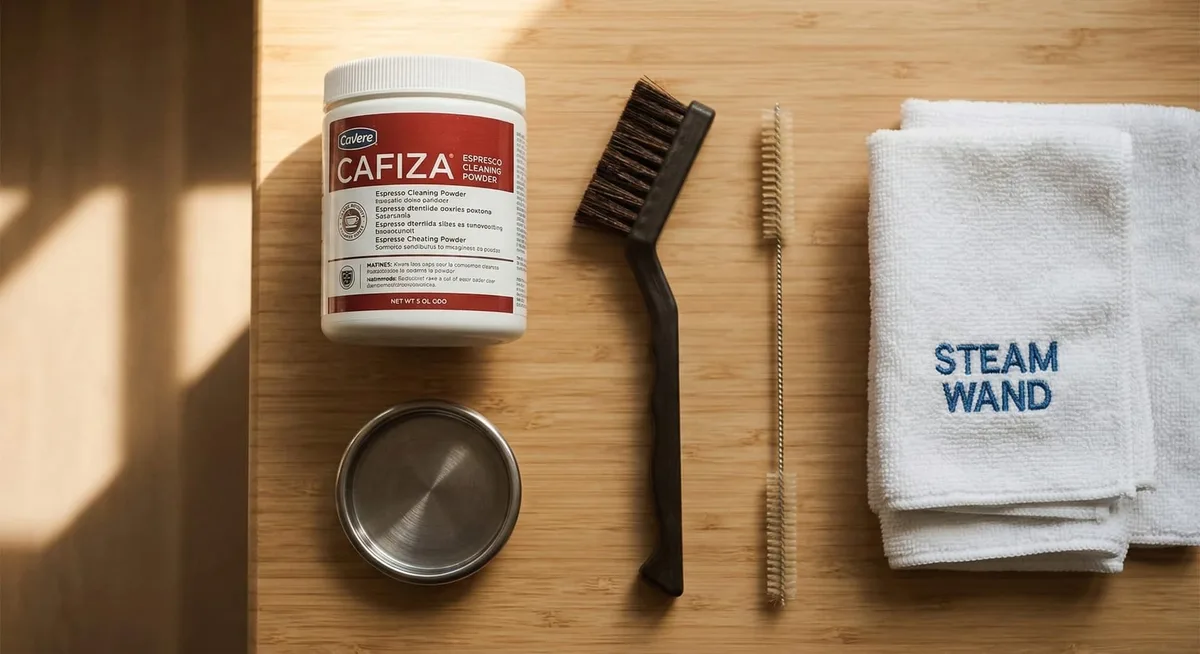
Image source: Bing (Web (fair-use with source credit))
Having these on hand means you're prepared for daily maintenance, weekly upkeep, and even those occasional deep cleans.
The Decision Tree: When to Clean What Part of Your Machine
Figuring out what needs cleaning and when can feel like a puzzle. The good news is, it follows a logical flow based on how and when you use your machine. Different parts require different attention at different frequencies.
Group Head Cleaning: Daily vs. Weekly
The group head is where the magic happens, it's where hot water meets coffee grounds. Because it directly interacts with coffee, it's prone to both oily residue and mineral buildup.
- Daily Rinse: As mentioned, a quick hot water flush immediately after use is crucial. This removes loose grounds and oils before they stick.
- Weekly Backflushing: This is where you use your blind filter and espresso machine cleaner.
- If you use your machine daily and make multiple shots: Backflush weekly.
- If you use your machine only a few times a week for single shots: You might get away with backflushing every other week, but inspect the shower screen for oily buildup.
- If you notice your espresso shots becoming weaker, more bitter, or inconsistent, even with fresh beans: It's time to backflush immediately, regardless of schedule.
This process forces water and cleaner up through the shower screen and out the group head, dislodging hardened oils and scale. Manufacturer specifications often suggest running a cleaning cycle with the blind filter for about 10-15 seconds, then repeating 3-5 times with fresh water rinses.
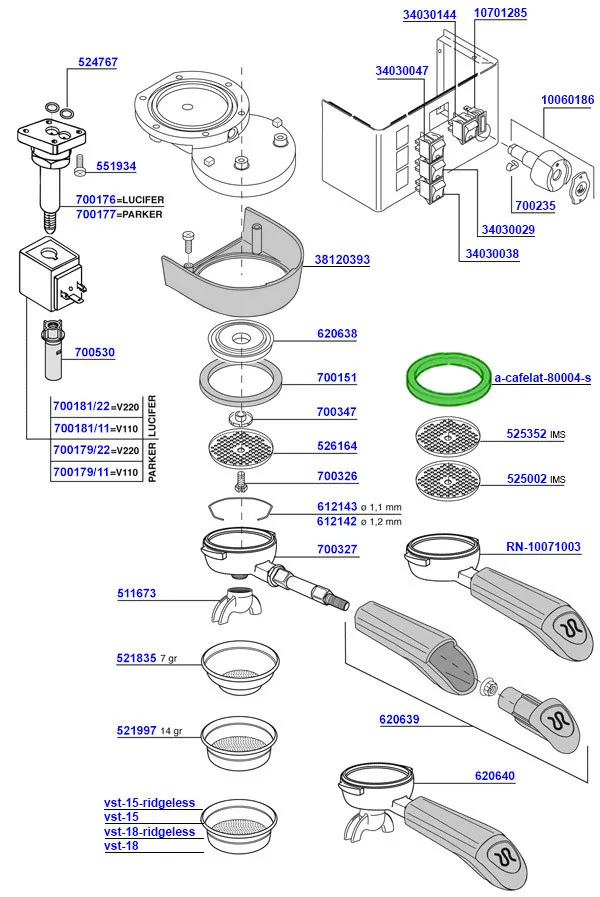
Image source: Bing (Web (fair-use with source credit))
Steam Wand Care: After Every Use
Milk residue left on a steam wand is a magnet for bacteria and can quickly turn rancid. It also clogs the small holes, reducing steaming power and quality.
- Immediately after steaming milk: Wipe the steam wand thoroughly with a dedicated damp microfiber cloth.
- If milk residue dries on: You might need to soak the wand tip in hot water briefly or use a specialized steam wand cleaner to loosen it.
- Periodically: Remove the steam wand tip (if your machine allows) and soak it in a solution of espresso machine cleaner and water. Check your machine's manual for instructions on how to safely remove and reattach the tip.
Proper steam wand hygiene ensures silky smooth microfoam for your lattes and cappuccinos, and prevents off-flavors from contaminating your milk.
Portafilter & Basket: Post-Shot Routine
Your portafilter and its basket are where the coffee grounds are tamped and brewed. They collect coffee oils and grounds, which can go stale and impact taste.
- After each shot: Knock out the used coffee puck. Rinse the portafilter and basket under hot running water.
- Weekly: While daily rinsing keeps them clear of fresh grounds, a weekly deeper clean is recommended. Remove the basket from the portafilter. Scrub both with a small brush and warm, soapy water or place them in a soak with espresso machine cleaner solution for about 15-30 minutes. Rinse thoroughly and dry completely before reassembling.
This prevents residual coffee oils from affecting the flavor of subsequent shots and keeps your equipment looking its best.
Drip Tray & Reservoir: Daily & Weekly
These are the catch-all components. The drip tray collects overflow and stray drips, while the water reservoir holds the water for brewing.
- Daily: Empty the drip tray if it's full. Rinse it with warm water. Don't let it overflow, as this can lead to leaks and create an unsanitary mess.
- Weekly: Remove the drip tray completely. Wash it thoroughly with warm, soapy water, paying attention to any nooks or crannies where residue might hide.
- Water Reservoir: Rinse the reservoir weekly with warm water. If you notice any slimy film or discoloration, use a mild soap and water solution, or a dilute vinegar solution (if your manufacturer permits it, though dedicated cleaners are safer), ensuring you rinse it extremely well afterward to remove any taste.
Keeping these parts clean prevents odors and ensures the water entering your machine is as pure as possible.
Descaling Your Espresso Machine: Tackling Mineral Buildup
If you have hard water in your area, mineral deposits, primarily calcium and magnesium, will build up inside your espresso machine over time. This limescale can clog pipes, reduce heating efficiency, and even damage crucial components like the pump and heating element. Descaling is the process of removing this buildup.
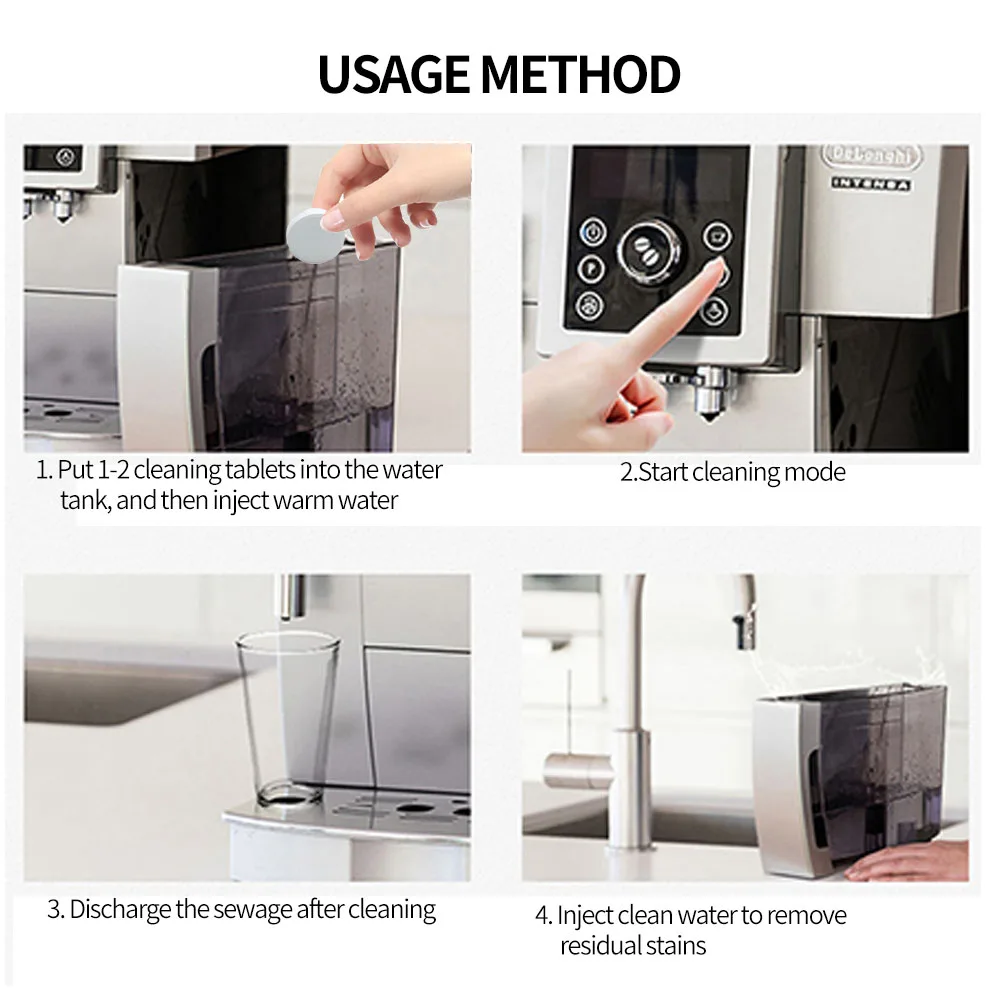
Image source: Bing (Web (fair-use with source credit))
Understanding When Descaling is Necessary
- Frequency: Manufacturer specifications, like those from Breville or De'Longhi, generally recommend descaling every 2-3 months for average water hardness. If your water is very hard, you might need to descale monthly. Conversely, if you use filtered or distilled water, you might go longer.
- Indicators: Many modern machines have a built-in indicator light that signals when descaling is recommended. Beyond that, watch for:
- Slower brewing times.
- Inconsistent water temperature.
- Weak or sputtering shots.
- Reduced steam pressure.
The Descaling Process: Step-by-Step
Always consult your espresso machine's manual first, as the exact process can vary.
- Prepare: Empty the drip tray and water reservoir. Fill the water reservoir with a mixture of fresh water and an espresso machine descaling solution. Use the ratio recommended by the cleaner manufacturer and your machine's manual. Never use plain vinegar, as it can damage certain machine components and leave a strong odor.
- Run the Descaling Cycle: Place a large container (at least 1-liter capacity) under the group head and steam wand.
- For machines with a dedicated descaling cycle: Activate it according to your manual's instructions. The machine will pump the solution through the internal components, group head, and steam wand.
- For machines without a dedicated cycle: Manually run about half the solution through the group head, letting it sit for a few minutes before running the rest. Then, run the remaining solution through the steam wand.
- Rinse Thoroughly: Once the descaling solution has been fully run through, discard the dirty water. Rinse the water reservoir thoroughly. Fill the reservoir with fresh, clean water.
- Flush: Run at least two full reservoirs of fresh water through the group head and steam wand. This is critical to remove any residual descaling solution, which can affect the taste of your coffee and potentially damage parts if left behind.
- Clean External Parts: While the machine is flushing, use the opportunity to clean the portafilter, baskets, drip tray, and water reservoir with warm, soapy water.
Descaling is a more involved process, typically taking 30-60 minutes, but it's vital for maintaining your machine's performance and flavor quality. For more in-depth troubleshooting on related issues, you might find our guide on how to troubleshoot a coffee maker helpful, though specific espresso machine repair may differ.
Common Espresso Machine Cleaning Mistakes to Avoid
Even with the best intentions, a few common slip-ups can lead to poor results or even damage your espresso machine. Being aware of these pitfalls can save you time, money, and a lot of frustration.
- Using the Wrong Cleaner: This is a big one. Many people reach for dish soap or general household cleaners. These can leave residues that affect coffee taste, or worse, they can damage sensitive internal components like seals and O-rings. Always use cleaners specifically formulated for espresso machines. Manufacturers like Saeco or Gaggia often have their own branded cleaning products.
- Skipping the Daily Rinse: We can't stress this enough. That quick 60-second rinse after every use is your first line of defense against dried coffee oils and milk. Letting these dry makes them much harder to remove later and impacts flavor.
- Not Rinsing Thoroughly After Descaling: If you don't flush your machine properly after descaling, the cleaning solution can remain in the system. This is not only bad for your coffee's taste but can also corrode metal parts over time. Run at least two full reservoirs of fresh water through the machine after any descaling cycle.
- Forgetting the Steam Wand: Milk residue on the steam wand is a breeding ground for bacteria. If left to dry, it can become incredibly difficult to clean and lead to unpleasant odors and tastes in your milk. Wipe it down immediately after each use.
- Using Abrasive Materials: While a good brush is helpful, avoid steel wool or harsh scouring pads on any part of your machine, especially the chrome or stainless steel finishes. These can scratch surfaces and make them more prone to future staining. Stick to soft microfiber cloths and dedicated cleaning brushes.
- Ignoring the Manual: Every espresso machine is a little different. Your owner's manual is the definitive guide for your specific model's cleaning and maintenance requirements. What works for one machine might not be ideal for another. For example, some machines have specific instructions for removing the brew group for cleaning. Our research shows that machines like those from Nuova Simonelli often have unique cleaning protocols.
Avoiding these common errors will help ensure your espresso machine functions beautifully and produces great-tasting coffee for years to come. If you're experiencing persistent problems, our guide on how to fix a coffee maker offers general troubleshooting advice, though specific espresso machine issues might require specialized attention.
Expert Tips for Keeping Your Machine in Top Shape
Beyond the basic cleaning routine, a few pro habits can elevate your espresso machine's performance and lifespan. These are the little things that experienced baristas and coffee enthusiasts swear by.
- Water Quality is Key: If your tap water is particularly hard, consider using filtered water or a water softener. While distilled water can prevent mineral buildup, it might not provide optimal brewing characteristics, as some dissolved minerals are needed for good extraction. Research water filter systems designed for coffee makers. You can often find detailed water quality reports from local utility providers or test kits.
- Grind Fresh for Every Shot: This isn't strictly cleaning, but it directly impacts how cleanly your machine operates. Using stale, pre-ground coffee means more fine particles and oils that are harder to clean from the group head. A quality burr grinder that allows for precise adjustments is your best friend.
- Don't Neglect the Shower Screen: The small metal screen over the group head can accumulate coffee grounds and oils. Use a group head brush to sweep it clean after every few shots, not just during your weekly clean. Some machines allow you to easily remove this screen for a deeper clean.
- Keep it Dry: After cleaning and rinsing, ensure all parts are thoroughly dried before reassembling or putting them back in the machine. Moisture can encourage mold growth and corrosion over time, especially in internal components. Microfiber cloths are excellent for this.
- Listen to Your Machine: Unusual noises, grinding, squealing, or excessive gurgling, can be early signs of mineral buildup or a component issue. Don't ignore them; they often indicate a need for cleaning or descaling, or a potential problem that requires a look at how to fix a coffee maker leaking water.
- Follow Manufacturer Maintenance Schedules: Your espresso machine's manual is a goldmine of information. Adhering to the recommended maintenance schedule for descaling and internal cleaning, as outlined by brands like Rancilio or Rocket Espresso, is the most reliable way to ensure longevity. Many manuals specify descaling intervals based on water hardness levels, often suggesting a solution application every 200-300 brew cycles.
Implementing these tips turns routine cleaning into proactive machine care, ensuring consistently excellent espresso and fewer unexpected service calls.
Espresso Machine Cleaning FAQs
How often should I clean my espresso machine?
You should perform a quick daily rinse of the group head and steam wand immediately after use. A more thorough weekly clean of the portafilter, basket, drip tray, and water reservoir is recommended. Deep cleaning, like backflushing with a specialized cleaner, should happen every few weeks to monthly, and descaling is generally needed every 2-3 months, depending on your water hardness.
Can I use vinegar to descale my espresso machine?
While vinegar is a common household cleaner, it's generally not recommended for espresso machines. Its acidity can potentially damage internal rubber seals and plastic components. Additionally, vinegar can leave behind a strong odor and taste that is difficult to remove, impacting your coffee's flavor.
Always opt for a descaling solution specifically designed for espresso machines.
What is backflushing and why is it important?
Backflushing is a cleaning process that forces water and cleaning solution back through the group head, using a blind filter basket. This action dislodges coffee oils and fine grounds that can accumulate inside the group head, brew screen, and valves. Regular backflushing prevents these residues from degrading your espresso's taste and from potentially clogging your machine's internal pathways.
How do I clean the steam wand effectively?
Immediately after steaming milk, wipe the steam wand thoroughly with a damp microfiber cloth to remove any milk residue. Afterward, purge the steam wand by running steam through it for a few seconds. If milk has dried on, you might need to soak the wand tip in hot water or a cleaning solution.
Periodically, remove the steam wand tip (if possible) and soak it for deeper cleaning.
How can I tell if my espresso machine needs descaling?
Signs your espresso machine needs descaling include slower brewing times, inconsistent water temperature, weaker or sputtering shots, and reduced steam pressure. Many machines also have an indicator light that signals when descaling is recommended. Hard water areas require more frequent descaling than softer water areas.
What kind of cleaner should I use for my espresso machine?
Always use a cleaning solution specifically formulated for espresso machines. These cleaners are designed to break down coffee oils and mineral deposits without harming the internal components, such as gaskets, valves, and heating elements. They typically come in powder, liquid, or tablet form.
Avoid using general dish soap, harsh detergents, or household cleaners, as they can damage your machine and leave an unpleasant taste in your coffee.
Are there any specific cleaning tools I need?
Yes, a few basic tools make cleaning much easier. You'll definitely want a blind filter basket for backflushing, which allows water to be forced back through the group head. A small, stiff-bristled brush (like a dedicated group head brush or even a clean toothbrush) is invaluable for scrubbing away coffee grounds and residue from the group head screen and portafilter.
Plenty of clean microfiber cloths are also essential for wiping down the exterior, steam wand, and drying parts to prevent scratches and streaks.
How often should I clean the water reservoir and drip tray?
The water reservoir and drip tray should be attended to weekly. Empty the drip tray daily if it fills up to prevent overflow and potential messes. Wash both components thoroughly with warm, soapy water each week.
This prevents stagnant water issues and the buildup of any residue or mold that could affect your coffee's taste and your machine's hygiene.
What's the difference between daily cleaning and descaling?
Daily cleaning involves quick rinses and wipes to remove fresh coffee grounds and milk residue immediately after use, preventing them from drying and hardening. Descaling, on the other hand, is a deeper cleaning process specifically targeting mineral buildup (limescale) that accumulates inside the machine's internal components over time, especially in areas with hard water. Descaling is typically done monthly or quarterly, while daily cleaning is a must after every use.
How long does it typically take to clean an espresso machine?
Daily cleaning tasks, like rinsing the group head and steam wand, should only take about 60 seconds. Weekly cleaning of removable parts like the drip tray and water reservoir might take 5-10 minutes. Deeper cleaning procedures, such as backflushing with a cleaning solution or descaling, can take anywhere from 20 minutes to over an hour, depending on the machine's type and the specific cleaning cycle.
What are the risks of not cleaning an espresso machine?
Not cleaning your espresso machine can lead to several issues. Coffee oils can become rancid, affecting the taste of your espresso, making it bitter or stale. Mineral buildup from hard water can clog internal parts, reducing water flow, heating efficiency, and eventually causing component failure.
Unclean steam wands can harbor bacteria, posing a health risk and leaving a sour taste in milk. Ultimately, neglecting cleaning can significantly shorten your machine's lifespan and lead to expensive repairs or the need for premature replacement.
Can I use my espresso machine for things other than espresso, like making hot water for tea?
Absolutely. Most espresso machines can dispense hot water for tea or Americanos, often by running hot water through the group head or using a dedicated hot water spout if your model has one. However, always remember to clean the machine thoroughly afterward, especially if you've steamed milk.
The process of making tea uses the same water pathways as brewing espresso, so any residue left behind can impact future coffee quality. For more on using coffee makers for different beverages, check out our guide on how to make iced coffee with a coffee maker.
What's the difference between cleaning tablets versus liquid espresso machine cleaner?
Both cleaning tablets and liquid espresso machine cleaners are effective for breaking down coffee oils. The main difference is often in convenience and dosage. Tablets are pre-measured, making them easy to use, you just drop one into the water reservoir or group head during a cleaning cycle.
Liquids might require measuring, but they can sometimes dissolve more quickly. Ultimately, both serve the same purpose; your choice often comes down to personal preference and what your machine's manual recommends.
Does the type of espresso machine (e.g., manual, semi-automatic, super-automatic) affect how it's cleaned?
Yes, the machine type definitely influences the cleaning process. Manual and semi-automatic machines usually require more hands-on cleaning, like regular backflushing and manual wiping of the portafilter and steam wand. Super-automatic machines often have automated cleaning cycles for descaling and brewing unit maintenance, which simplify the process, but you still need to regularly empty grounds bins, clean brew groups, and wipe down external surfaces.
Always refer to your specific model's manual for its unique cleaning requirements. If you’re curious about basic coffee maker usage, our piece on how to use a coffee maker offers some foundational insights.
What are the signs that my espresso machine needs a deep clean?
A deep clean is usually indicated when your regular daily and weekly routines aren't enough. You might notice a significant decline in espresso taste, like bitterness or staleness, even with fresh beans. If your steam wand is consistently clogged or produces weak steam, that's a sign of internal buildup.
Sputtering or inconsistent water flow from the group head, or if your machine starts making unusual noises, are also strong indicators that it's time for a more thorough cleaning beyond the routine wipes and rinses. Checking the brew group for visible coffee oil residue is also a good indicator.
How important is it to use filtered water in my espresso machine?
Using filtered water is highly important, especially if your tap water is hard. Minerals in hard water, like calcium and magnesium, are the primary cause of limescale buildup, which can clog internal components, reduce heating efficiency, and affect the taste of your coffee. Filtered water significantly reduces the mineral content, meaning you'll need to descale less frequently and your machine will run more smoothly.
While some machines might operate adequately with tap water, investing in a water filter or using good quality filtered water is one of the simplest ways to protect your investment and ensure consistent coffee quality. For further insights on coffee brewing, you can explore our guide on how to use a French press.
My espresso machine is leaking water; what could be the cause?
A leaking espresso machine can be caused by several issues. Most commonly, it's a full drip tray that hasn't been emptied, or a loose portafilter not seated correctly, causing water to bypass the puck and leak from the group head. Internal issues like a cracked water reservoir, a faulty pump seal, or a worn-out gasket can also cause leaks.
If the leak is significant or persists after checking the basics, it might be time to consult a repair guide like our article on how to fix a coffee maker leaking water, or consider professional service.
How do I clean coffee oil buildup from the brew group specifically?
To tackle stubborn coffee oil buildup in the brew group, you'll want to perform a backflushing procedure. This involves inserting a blind filter basket into your portafilter and adding a specialized espresso machine cleaning tablet or a small amount of cleaning powder. Run the machine's brew cycle for about 10-15 seconds, then stop and let it sit for a moment.
Repeat this process 3-5 times. Afterward, remove the portafilter and rinse thoroughly. Finally, run at least one full reservoir of clean water through the group head to flush out any residual cleaner.
This targeted cleaning is much more effective than just rinsing with plain water.