How to Clean an Espresso Machine Group Head
Keeping your espresso machine’s group head clean is crucial for taste and longevity. Neglecting this part can quickly lead to bitter shots and a machine that doesn't perform at its best. Regularly addressing this vital component ensures you get the most out of your coffee beans.
Our research indicates that a clean group head, along with proper descaling and general maintenance, can significantly extend the functional life of your espresso machine. Manufacturer specifications often recommend specific cleaning frequencies to prevent performance degradation and maintain optimal brewing conditions. Let's dive into why this cleaning is so important.
Quick Answer
To clean an espresso machine group head, you'll need to backflush it regularly with a blind basket and espresso machine cleaner. Daily, a quick scrub with a group head brush is essential. Weekly or bi-weekly, perform a more thorough backflush to remove coffee oils.
This process prevents bitter flavors and keeps your machine running smoothly.
Why Your Espresso Machine Group Head Needs Regular Love
The group head is where hot water meets coffee grounds to create your espresso. It’s essentially the engine room for your shot. Over time, microscopic coffee particles and oils inevitably cling to the shower screen and inside the group head’s nooks and crannies.
As these build up, they begin to oxidize, turning rancid and imparting a stale, bitter taste to your coffee. Think of it like leaving old food out; it just doesn't taste good after a while.
This buildup isn't just about flavor, either. It can clog the small holes in the shower screen, leading to uneven water distribution and channeling during brewing. This means inconsistent extraction, weak shots, and a lot of wasted coffee.
Per the recommendations of most major espresso machine manufacturers, regular cleaning is a key part of preventative maintenance.
Seeing is Believing: The Visual Guide to a Sparkling Group Head
Because the group head is where the actual brewing happens, the cleanliness of this area directly impacts your coffee's taste. Visual cues are often the best way to understand what needs attention and how clean is "clean enough." Without seeing it, you might miss critical spots or accidentally damage components.

Image source: Bing (Web (fair-use with source credit))
Identifying the Key Areas for Cleaning
When you look into your group head, there are a few main spots to focus on. The most obvious is the shower screen, which is the metal disc with tiny holes that disperses water over the coffee puck. Beneath that, you'll find the group head gasket, also known as the brewing seal.
This rubber or silicone ring creates a watertight seal between the group head and the portafilter. Inside the group head, beyond the screen, coffee oils and fines can accumulate.
What "Clean" Looks Like: Visual Cues
A clean shower screen should look bright and metallic, with all its holes clearly visible and free of dark, caked-on residue. The brewing seal should be pliable and free of deep cuts, tears, or significant discoloration from coffee oils. When you perform a backflush, a clean group head will allow water to flow through the blind basket smoothly, exiting the machine with little to no visible debris.
Common Visual Mistakes to Watch Out For
One common mistake is only cleaning the visible part of the shower screen. If you see dark streaks or build-up around the edges or where the gasket sits, that's a sign more cleaning is needed. Another is mistaking a slightly worn gasket for a clean one; a truly clean seal will be a consistent color and texture, not stained or brittle.
Your Daily Ritual: Quick Group Head Cleaning Hacks
A quick rinse and wipe down after each use is the easiest way to keep the worst of the buildup at bay. This isn't a deep clean, but it's a critical habit for maintaining good taste and preventing major issues down the line. Think of it as a simple wipe-down after dinner versus a full kitchen scrub.
After you pull your shot and knock the used coffee grounds out of the portafilter, immediately rinse the portafilter under hot water. Then, place the empty portafilter back into the group head and run a short burst of hot water through it. This helps flush out any loose grounds and oils that are still fresh and haven't had a chance to harden.
You can also use a group head brush to gently scrub the inside of the group head and around the shower screen. A quick swipe or two can dislodge any fresh coffee particles before they become a problem. This daily habit takes less than a minute but makes a significant difference in the long run for your espresso's flavor and your machine's health.
The Deeper Clean: A Step-by-Step Visual Process
While daily rinsing is great, you'll need to perform a more thorough cleaning on a regular basis. This typically involves backflushing, which is a process that uses water pressure to push cleaning solution backward through the group head. This is where having visual guidance becomes incredibly helpful.
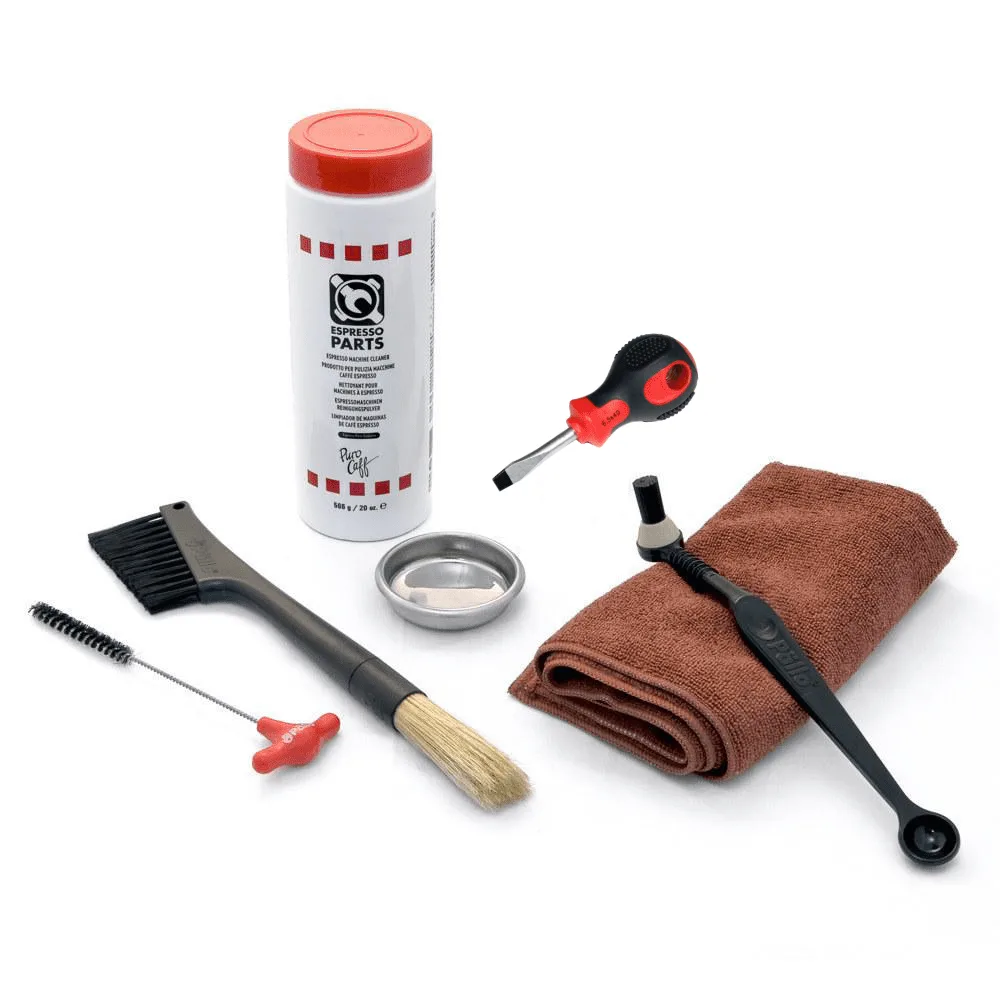
Image source: Bing (Web (fair-use with source credit))
What You'll Need: The Right Tools
- Group Head Brush: Essential for daily and deeper cleaning. Look for one with stiff, heat-resistant bristles.
- Blind Basket (or Cleaning Disc): This is a portafilter basket with no holes, used for backflushing.
- Espresso Machine Cleaning Solution: A specific powder or liquid designed for coffee machine cleaning. Always use products formulated for espresso machines, as harsh chemicals can damage internal components.
- Clean Cloths or Microfiber Towels: For wiping down the machine and drying parts.
Backflushing Basics: Getting it Right
Backflushing is the cornerstone of deep group head cleaning. It involves using a blind basket to create pressure and force water and cleaner through the group head's internal pathways. This action helps dislodge and flush out built-up coffee oils and residues that a simple flush can't reach.
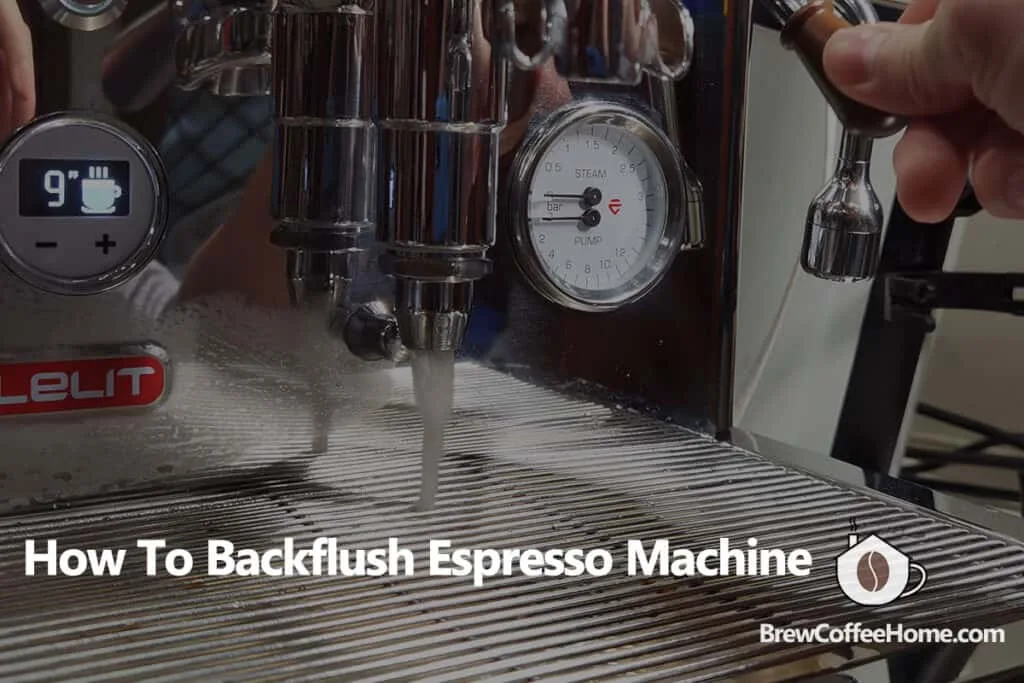
Image source: Bing (Web (fair-use with source credit))
Here’s how it generally works:
- Prepare the Machine: Turn on your machine and let it heat up to its normal brewing temperature.
- Insert the Blind Basket: Place the blind basket into your portafilter. If your machine came with a cleaning disc, use that.
- Add Cleaner: Add a small amount of espresso machine cleaning solution to the blind basket. Manufacturer specifications usually recommend a teaspoon of powder or a small amount of liquid.
- Lock in the Portafilter: Secure the portafilter in the group head as you normally would.
- Run Water: Start a brew cycle. Because there are no holes in the basket, the water will be forced back up into the group head. Let it run for about 10 seconds, then release the brew button.
- Repeat: Repeat this cycle of running and releasing water about 5-10 times. You’ll see water and cleaner sloshing around the group head.
- Rinse: Remove the portafilter and thoroughly rinse the blind basket and portafilter. Then, re-insert the portafilter (without cleaner) and run several cycles of plain hot water through the group head. This is critical to remove all traces of the cleaning solution, as any residue will affect your coffee's taste.
Tackling the Shower Screen and Gasket
Depending on your machine, you might need to remove the shower screen and gasket for a more thorough clean. Manufacturer instructions will detail how to do this safely for your specific model. Often, the shower screen can be unscrewed.
Once removed, you can soak these parts in a cleaning solution mixed with hot water. Use your group head brush to scrub away any stubborn buildup on the screen and around where the gasket sits. After soaking and scrubbing, rinse everything thoroughly with clean water and dry it completely before reassembling.
This level of cleaning is usually recommended weekly or bi-weekly, depending on your usage.
Espresso Machine Group Head Cleaning Mistakes to Avoid
Even with the best intentions, it's easy to make mistakes when cleaning your espresso machine's group head. These errors can range from minor taste issues to costly damage to your equipment. Being aware of these common pitfalls can save you a lot of headaches and ensure your machine stays in top shape.
- Using the Wrong Cleaning Agents: Never use dish soap, bleach, or abrasive household cleaners. These can damage the delicate metal components, leave toxic residues, or strip essential lubricants. Always stick to cleaners specifically formulated for espresso machines, which are designed to break down coffee oils without harming your equipment.
- Skipping the Rinse Cycle: After backflushing with a cleaner, it's crucial to run several cycles of plain hot water through the group head. Failing to rinse thoroughly will leave cleaning solution residue that will make your espresso taste soapy or chemical-like. As a rule of thumb, run at least five full portafilter-worths of plain water.
- Over-Tightening the Portafilter: When locking the portafilter into the group head, apply firm but not excessive force. Overtightening can warp the gasket or even damage the group head threads over time. It should feel snug and secure, not like you're trying to break it loose.
- Ignoring the Gasket: The group head gasket (brewing seal) is a wear-and-tear item. If it looks cracked, brittle, or significantly discolored even after cleaning, it's time to replace it. A damaged gasket won't create a proper seal, leading to leaks and poor shot extraction. Most machines require gasket replacement annually or as needed.
- Forcing Cleaning Tools: Never force a brush or portafilter into the group head if it feels like it's meeting excessive resistance. This could indicate a blockage or misalignment. Forcing it can cause damage. If you encounter significant resistance, consult your machine's manual or a service technician.
Keeping it Fresh: Maintenance for Lasting Flavor and Performance
Beyond regular cleaning, consistent maintenance of your group head contributes significantly to the overall health and longevity of your espresso machine. This includes checking for wear and tear, and ensuring components are functioning as they should. As of 2026, many manufacturers still recommend these basic checks to prevent more significant issues.
A key aspect of maintenance is the group head gasket, or brewing seal. This part creates the crucial seal between your portafilter and the group head. Over time, it can harden, crack, or become embedded with coffee oils, compromising the seal and affecting shot quality.
Visual inspection is your best friend here; if it looks damaged or feels overly stiff, it's likely time for a replacement. This isn't a complex repair, and doing it yourself can save a service call.
Regularly checking the shower screen is also important. While backflushing helps, sometimes mineral deposits or stubborn coffee oils can still accumulate. If you notice reduced water flow or an uneven spray pattern from the shower screen even after cleaning, it might need a deeper clean or replacement.
Many users find that replacing the shower screen and gasket annually, or even every six months for heavy users, is a proactive way to maintain peak performance and flavor. This simple upkeep ensures your machine is always ready to brew its best.
Is My Group Head Gasket Worn Out?
If you're seeing water leak from around the portafilter during brewing, that's a primary sign your group head gasket, or brewing seal, needs attention. It might also feel unusually hard or brittle when you touch it. A visual inspection can reveal cracks or deep grooves, which mean it's no longer creating a tight seal.
How Often Should I Replace the Shower Screen?
The frequency for replacing a shower screen varies greatly based on usage and water hardness. For home users, it's often not needed more than once every few years unless it becomes visibly damaged or clogged beyond cleaning. Commercial machines in high-volume cafes might see screens replaced annually.
Listen for changes in your machine’s brewing sound or observe any unevenness in the water spray pattern.
Espresso Machine Group Head Cleaning FAQs
How long does a deep clean take?
A thorough group head cleaning, including backflushing and cleaning the shower screen and gasket, typically takes about 15-30 minutes. This includes the time for soaking parts if you remove them.
Can I use vinegar to clean my group head?
It's strongly advised against using vinegar. While it's a common descaler, its acidity can damage rubber gaskets and metal components within the group head over time. Always use a dedicated espresso machine cleaning solution.
How often should I backflush?
Our research suggests backflushing with a cleaner should be done weekly for home users and daily for commercial machines. Daily rinsing and brushing at the group head are recommended for all users after each brew.
What if my machine doesn't have a blind basket?
Some machines come with a built-in backflushing feature or a specific cleaning disc. If yours doesn't, you can often purchase a compatible blind basket from the manufacturer or a third-party supplier. It's a small investment for better machine health.
Does cleaning affect my espresso's flavor immediately?
Yes, immediately. A clean group head removes old coffee oils and residues that cause bitterness. You'll notice your espresso tastes cleaner, brighter, and more like the actual beans you're using shortly after a thorough cleaning.