How to Use a French Press
So, you're looking to brew some seriously good coffee at home with a French press, huh? That's a fantastic choice! It’s one of my go-to methods because it’s pretty straightforward and gives you a rich, flavorful cup that really lets the coffee beans shine.
Think of a French press as a simple, elegant coffee maker. It’s basically a glass or metal cylinder with a plunger that has a fine mesh filter attached to it. You put your coffee grounds in, add hot water, let it steep, and then push the plunger down to separate the grounds from the liquid coffee.
Easy peasy.
Quick Answer
To use a French press, grind fresh coffee beans coarsely. Heat water to 195-205°F, saturating grounds for a 30-second bloom. Steep for 4 minutes, then press the plunger slowly.
Serve immediately for best flavor.
Why Visuals Unlock Better French Press Coffee
While you can definitely follow written instructions, seeing the process of brewing with a French press makes a huge difference. It’s all about those tactile moments, the way the grounds look, how the water is poured, and the feel of the plunger. Without visuals, you might miss crucial cues that separate a good cup from a truly great one.
Think about the grind size, for example. Text can describe it as "coarse," but seeing it next to something familiar, like sea salt, helps you nail it every time. The visual of the coffee "blooming", expanding and bubbling as hot water hits it, is a direct indicator of freshness that's hard to convey in words alone.
Understanding these visual indicators will help you avoid common pitfalls and consistently make delicious coffee.
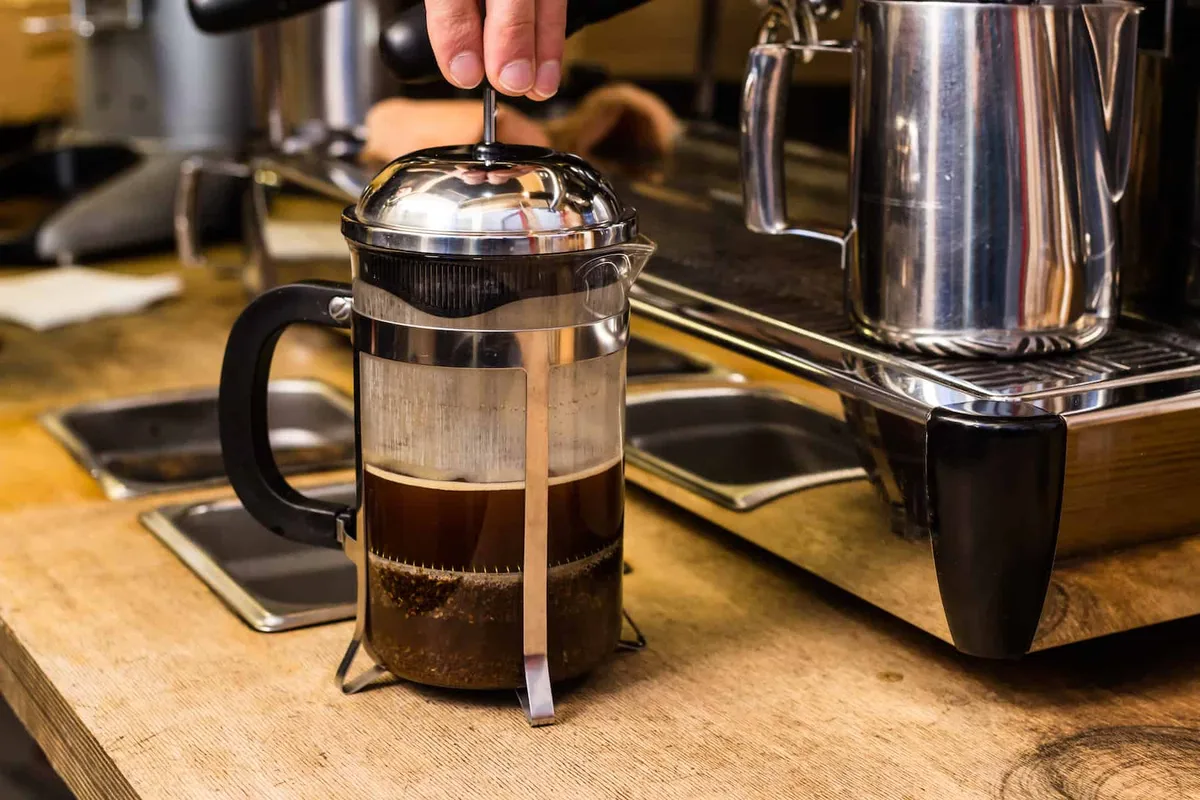
Image source: Bing (Web (fair-use with source credit))
Your French Press Toolkit: What You Need
To get started with your French press, you'll need a few essential items. Having everything ready before you begin makes the brewing process smooth and enjoyable.
- French Press: The main event! Whether it's glass, stainless steel, or ceramic, ensure it's clean and ready to go.
- Fresh Whole Bean Coffee: This is non-negotiable for the best flavor. Coffee starts losing its aromatic compounds shortly after grinding.
- Burr Coffee Grinder: A burr grinder provides a much more consistent grind size than a blade grinder, which is critical for French press.
- Hot Water Kettle: Preferably one with temperature control, or a standard kettle you can time after boiling.
- Timer: Your phone or a kitchen timer is perfect for tracking steep time.
- Stirring Utensil: A long spoon or chopstick works well for gently stirring the grounds.
- Scale (Optional but Recommended): For precise coffee-to-water ratios, a kitchen scale is invaluable.
- Mug: Your favorite vessel to enjoy the finished product.
Mastering the French Press: A Step-by-Step Visual Guide
Making coffee with a French press is a rewarding process, and understanding each step visually will set you up for success. Follow these steps, and you’ll be brewing like a pro in no time.
Step 1: Heat Your Water (The Right Way)
The temperature of your water significantly impacts the taste of your coffee. Water that's too hot can scorch the coffee grounds, leading to a bitter flavor. Conversely, water that’s not hot enough won't extract the coffee's full flavor potential.
Manufacturer specifications and coffee science research indicate the ideal water temperature for brewing coffee with a French press is between 195°F and 205°F (90°C to 96°C). If you don't have a temperature-controlled kettle, bring your water to a rolling boil, then let it sit for about 30 to 60 seconds. This brief cooling period usually brings it into the optimal range.
Step 2: Grind for Coarseness
The grind size is arguably the most critical factor in French press brewing. You need a coarse grind, which looks like coarse sea salt or breadcrumbs. If you use a grind that’s too fine, like you would for espresso, it will pass through the mesh filter, resulting in a muddy, over-extracted, and bitter cup of coffee.
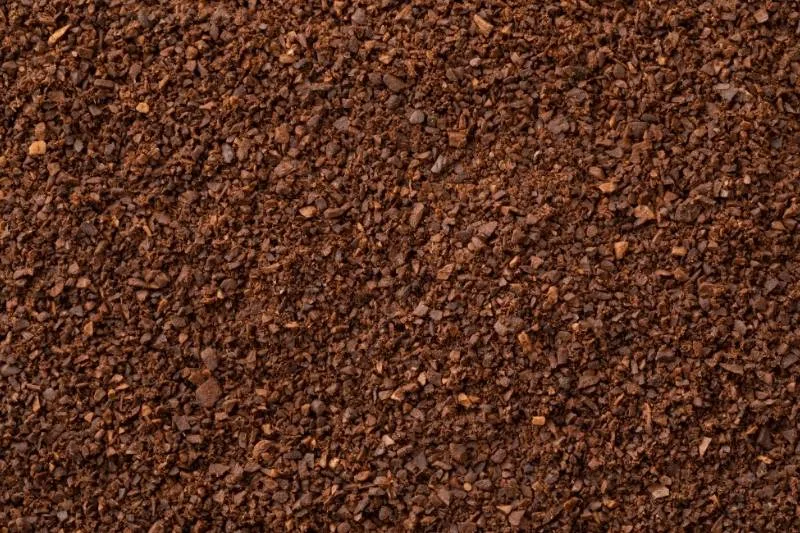
Image source: Bing (Web (fair-use with source credit))
A consistent, coarse grind ensures that the coffee grounds are easily separated from the water during the pressing stage, allowing for optimal flavor extraction without the unwanted sediment. Grinding your beans just before brewing is essential for freshness.
Step 3: Warm Your Press
Before adding your coffee and water, take a moment to warm up your French press. Pour a bit of your hot water into the carafe, swirl it around for about 10-15 seconds, and then discard the water. This simple step helps maintain a stable brewing temperature throughout the steeping process.
A cold French press can rapidly cool down your brewing water, leading to under-extraction and a weaker cup. By preheating, you ensure the coffee grounds are exposed to a consistent temperature, allowing for a more even and complete extraction of flavors. This is a small but important detail for achieving that rich, full-bodied taste.
Step 4: Add Coffee Grounds & Bloom
Now it’s time to add your coffee. Measure your coarsely ground coffee and place it into the bottom of the preheated French press. A good starting point for your coffee-to-water ratio is 1:15, that means for every gram of coffee, use 15 grams (or milliliters) of water.
As of 2026, this ratio remains a widely accepted standard for a balanced brew.
Next, gently pour just enough hot water (from Step 1) over the grounds to saturate them completely. You should see the coffee grounds start to expand and bubble up. This is called the "bloom," and it’s a sign that your coffee is fresh and releasing trapped carbon dioxide.
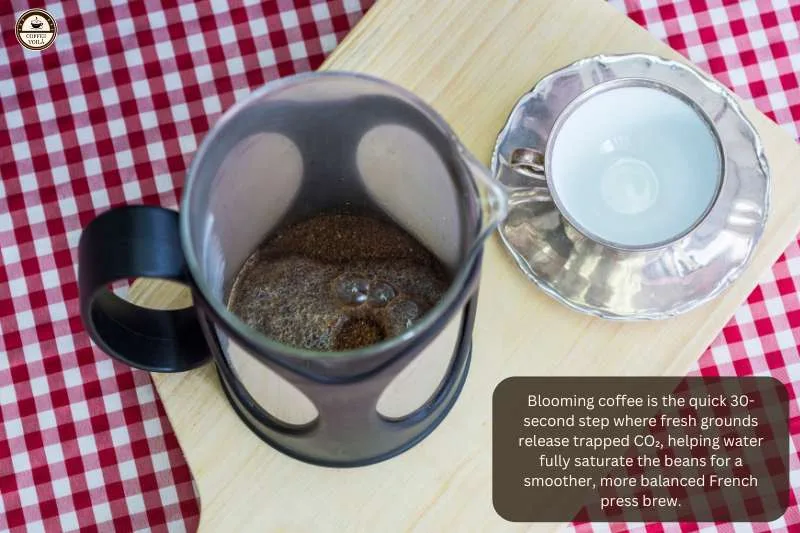
Image source: Bing (Web (fair-use with source credit))
Let this bloom stage last for about 30 seconds. This allows the gases to escape, which prevents a sour taste and helps the water interact more evenly with the coffee grounds in the next stage.
Step 5: Steep with Patience
Once the water is added, place the lid onto the French press, but do not press the plunger down yet. Set your timer for 4 minutes. This steeping time is crucial for extracting the full flavor profile of your coffee.
If you prefer a stronger brew, you might experiment with slightly longer steep times, perhaps up to 4.5 minutes, but 4 minutes is the widely recommended standard.
French Press Coffee: Common Mistakes and How to Fix Them
Even with clear instructions, it's easy to stumble when you're first learning how to use a French press. Many common issues stem from small but critical errors in the brewing process. Recognizing these mistakes is the first step to troubleshooting and perfecting your technique.
Bitter Coffee: This is often due to over-extraction. The most common causes are using a coffee grind that's too fine, steeping the coffee for too long (beyond 4-5 minutes), or using water that's too hot (above 205°F).
- Fix: Ensure you're using a coarse, consistent grind. Stick to the 4-minute steep time. Let your water cool slightly after boiling before pouring.
Weak or Sour Coffee: This typically indicates under-extraction. This can happen if your grind is too coarse, your steep time is too short, or your water isn't hot enough.
- Fix: Try a slightly finer (but still coarse!) grind. Extend your steep time to 4.5 minutes. Make sure your water is within the 195-205°F range. Using enough coffee is also key; check your coffee-to-water ratio.
Muddy or Gritty Coffee: This usually means fine coffee particles are getting through your filter.
- Fix: Your grind is almost certainly too fine. Double-check that you're using a coarse grind. Also, ensure the mesh filter on your plunger is clean and properly seated. Some sediment is normal, but excessive grit suggests a grind issue.
Difficult Plunger Press: If it feels like you're fighting to push the plunger down, it's a strong sign your grind is too fine, causing grounds to clog the filter.
- Fix: Immediately stop pressing and try to lift the plunger slightly. Re-evaluate your grind size; it needs to be coarse enough to allow easy passage. A gentle, consistent press is the goal.
Stale or Off Flavors: This can be caused by using stale beans, not cleaning your equipment thoroughly, or leaving brewed coffee sitting in the press.
- Fix: Always use fresh, quality beans and grind them just before brewing. Clean your French press thoroughly after every use, paying attention to the filter assembly. Never let brewed coffee sit in the press with the grounds; pour it into a carafe or your mug immediately.
Sweet Spot for French Press: Ratios, Temps, and Times
Getting the "sweet spot" for your French press coffee isn't about magic formulas, but understanding the interplay of a few key variables. These are the numbers and times that consistently produce a balanced, flavorful cup. As of 2026, these guidelines remain the bedrock of excellent French press brewing.
Water Temperature: As mentioned, aim for 195-205°F (90-96°C). Water this hot is hot enough to efficiently extract the oils and flavors from the coffee grounds without scorching them, which would introduce bitterness. If your water is too cool, you won't extract enough, leading to a weak, sour cup.
Coffee-to-Water Ratio: A good starting point for most people is a 1:15 ratio. This means for every gram of coffee, you use 15 grams of water. If you don't have a scale, a common kitchen measurement is about 2 heaping tablespoons of coarse grounds for every 6 ounces (about 180ml) of water. Using too little coffee will result in a weak brew, while too much can lead to over-extraction and a muddy taste.
Grind Size: Again, coarse is the key. Think of the texture of coarse sea salt or breadcrumbs. This size prevents the grounds from slipping through the fine mesh filter and also ensures a controlled extraction during the 4-minute steep. If your grind is too fine, your coffee will be silty and bitter.
Steep Time: The standard recommendation for French press brewing is 4 minutes. This allows ample time for the hot water to extract the desirable soluble compounds from the coffee grounds without extracting the undesirable ones that cause bitterness. You can adjust this slightly; going much over 5 minutes is usually too long and risks bitterness.
Getting these elements right, and consistent, is how you move from just making coffee to crafting a truly delicious cup with your French press.
French Press vs. Other Coffee Makers
When you're deciding how to brew your morning coffee, the French press stands out, but it's helpful to see how it stacks up against other popular methods. Each brings something different to the table.
| Feature | French Press | Drip Coffee Maker | Pour-Over Brewer (e.g., V60) |
|---|---|---|---|
| Brewing Method | Immersion (grounds steep in water) | Percolation (water drips through grounds) | Percolation (controlled water pour) |
| Body & Flavor | Rich, full-bodied, oils present, some sediment | Clean, bright, less body, filtered oils | Clean, bright, nuanced flavors, less body |
| Grind Size | Coarse | Medium | Medium-fine |
| Control | High (temp, time, ratio) | Low to Medium (depends on machine features) | Very High (temp, time, pour rate, pattern) |
| Ease of Use | Moderate (requires attention) | Very Easy (push a button) | Moderate to High (requires technique) |
| Cleanup | Moderate (grounds disposal, filter wash) | Easy (discard filter, rinse carafe) | Moderate (discard filter, rinse brewer) |
| Best For | Those who love rich, bold coffee and enjoy the ritual. | Busy mornings, convenience, consistent results. | Coffee enthusiasts seeking nuanced flavors and precise control. |
The French press is often chosen for its ability to produce a bolder, more robust cup of coffee. Unlike drip or pour-over methods that use paper filters, the metal mesh of the French press allows more of the coffee's natural oils to pass through into the final brew. This results in a mouthfeel and richness that many coffee lovers find unparalleled.
If you appreciate the full spectrum of flavor that coffee beans offer and enjoy a hands-on brewing experience, the French press is an excellent choice. For those prioritizing absolute clarity and a very clean cup with minimal sediment, a pour-over or a good drip machine might be preferred.
Frequently Asked Questions About French Press
How long does setup take for a French press?
Setup for a French press is very quick, usually taking less than a minute. It mainly involves gathering your grinder, coffee, kettle, and press. The actual brewing process, including heating water and steeping, takes longer.
How often should I clean my French press?
It's best to clean your French press thoroughly after each use to prevent coffee oils from building up and affecting the taste of future brews. A quick rinse is okay immediately after use, but a more complete wash with soap and water is recommended daily.
Can I use pre-ground coffee in a French press?
While you can use pre-ground coffee, it's not ideal for a French press. Pre-ground coffee is often too fine for this method and loses freshness quickly. For the best results, grind whole beans just before brewing to a coarse consistency.
What is the best type of coffee bean for a French press?
Any type of coffee bean can be used, but medium to dark roasts often shine in a French press due to its ability to produce a rich, full-bodied cup. Explore different origins and roast levels to discover your preference.
Is French press coffee healthier?
French press coffee contains more natural oils and sediments than filtered coffee, which some studies suggest may offer certain health benefits, such as increased HDL (good) cholesterol. However, paper filters in other methods remove more of these oils and compounds.
What if my French press breaks?
If your French press is made of glass and breaks, carefully sweep up all pieces, ensuring no small fragments are left. If the plunger mechanism or seal is damaged, you might be able to find replacement parts from the manufacturer or a specialty kitchen store.
Your Best Cup of French Press Coffee Awaits
Mastering the French press is about understanding the process, paying attention to detail, and tasting the results. While the basic steps are simple, small adjustments in grind size, water temperature, or steep time can significantly alter your final cup. Don't be afraid to experiment a little to find what suits your palate best.
By focusing on fresh, quality ingredients and following the guidelines for temperature, grind, and time, you're setting yourself up for a consistently delicious brew. The French press is a fantastic tool for exploring the nuanced flavors of different coffee beans. Enjoy the journey of brewing your perfect cup!





2 Comments