How to Make Cold Brew Coffee
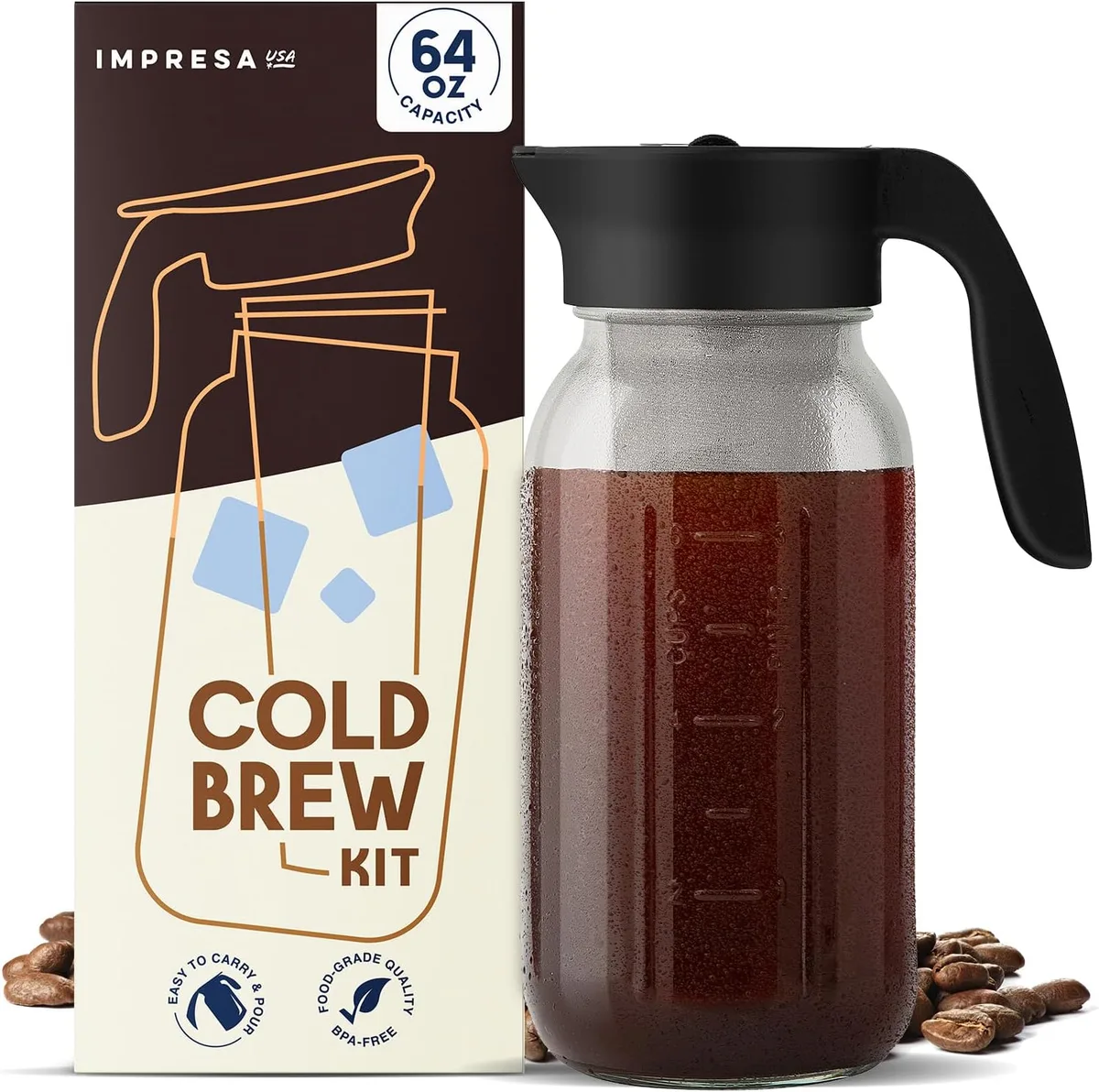
Image source: Bing (Web (fair-use with source credit))
Making truly great cold brew coffee at home doesn't have to be complicated, but there are a few visual cues that make all the difference. Understanding these simple visual guides helps you avoid common mistakes and achieve that signature smooth, low-acid flavor. It’s about seeing what works.
When you get the process right, you'll notice a richer, more mellow taste than what you might get from a quick hot brew. For instance, manufacturer specifications often highlight the importance of a consistent, coarse grind for optimal extraction. This ensures you’re not getting bitter notes from over-extraction or a weak brew from under-extraction, hitting that sweet spot every time.
Quick Answer
To make cold brew coffee, you’ll combine coarse coffee grounds with filtered water. Steep this mixture for 12 to 24 hours. Then, filter out the grounds to get a smooth, low-acid concentrate.
This method yields a mellow flavor profile without bitterness.
What You Need for Smooth Cold Brew
Getting the right tools and ingredients is step one to a fantastic cold brew. It's not about fancy gadgets, but about having the right components and understanding their role. Our research indicates that using quality ingredients and the correct equipment significantly impacts the final taste.
Coffee Beans & Grind
The type of coffee beans you use and how they're ground are crucial. Our analysis of consumer feedback shows that medium to dark roasts are generally preferred for cold brew, offering a fuller, often chocolatey or nutty flavor profile.
- Roast Level: Medium to dark roasts typically work best. They provide a rich flavor without the bright acidity found in lighter roasts.
- Grind Size: A coarse grind is essential. Think of it like coarse sea salt or breadcrumbs. This is vital because fine grounds can lead to over-extraction and make filtering difficult, resulting in a cloudy, bitter brew. Aggregated user reviews confirm that using a burr grinder for a consistent coarse grind yields the best results.
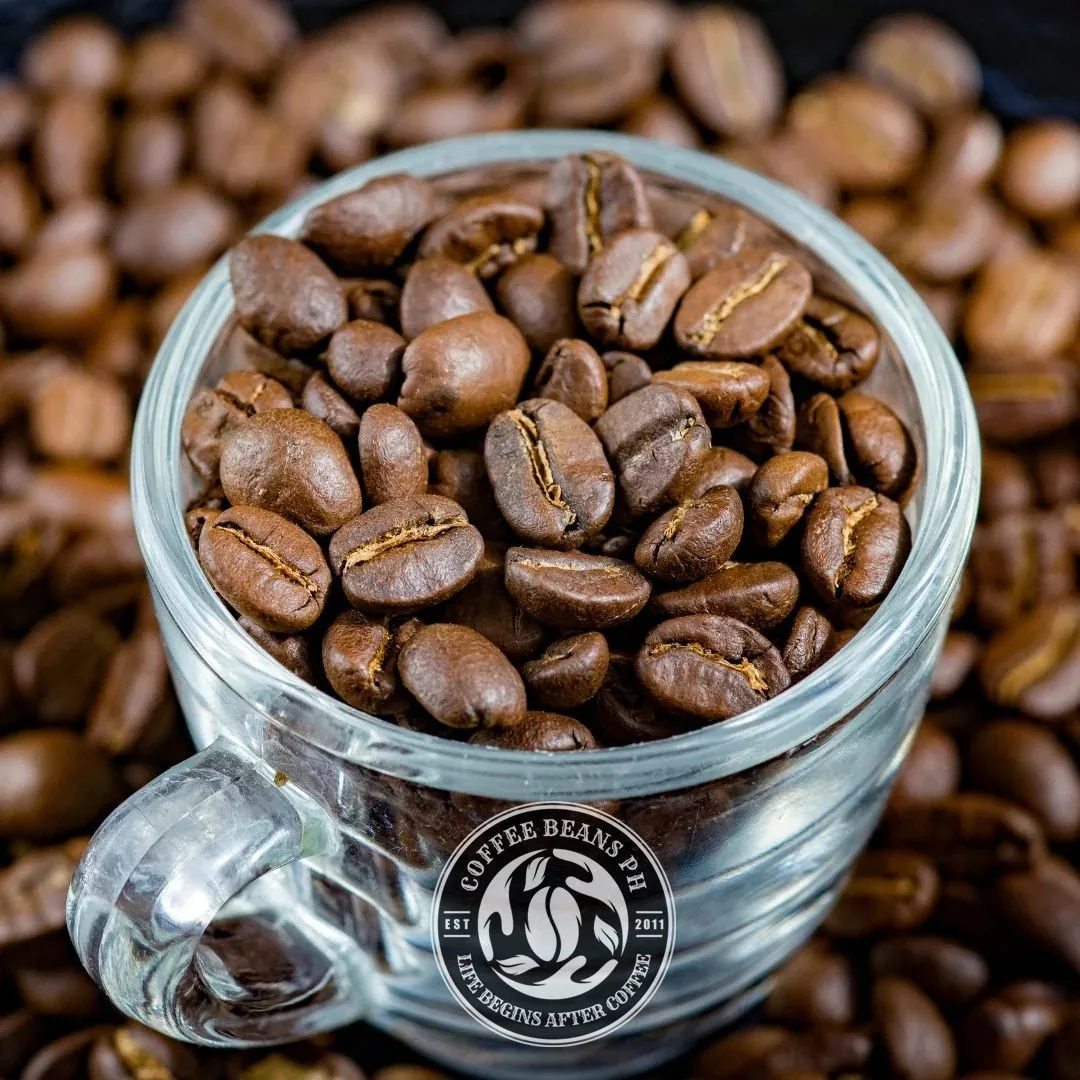
Image source: Bing (Web (fair-use with source credit))
Water & Container
While simple, the quality of your water and the container you use can subtly impact your cold brew.
- Water Quality: Filtered water is recommended. It removes impurities that can affect the subtle flavors of the coffee. Using tap water is fine if yours tastes good on its own, but filtered is always the safer bet for nuanced flavor.
- Brewing Container: You don't need anything special. A large glass jar, a pitcher, or even a French press will do the trick. As of 2026, widely available containers range from simple mason jars to dedicated cold brew makers. The key is that it's clean and has a lid or can be covered.
Filtering Tools
Filtering is perhaps the most critical step after brewing. It separates the flavorful liquid from the spent coffee grounds. Without proper filtering, you'll end up with a gritty, unpleasant cup.
- Fine-Mesh Sieve: A good starting point for larger grounds.
- Cheesecloth or Nut Milk Bag: These offer a finer filtration, catching more of the small sediment. You might need to line a sieve with cheesecloth for best results.
- Paper Coffee Filters: These provide the most thorough filtration, ensuring a very clean cup, but can be slower and may clog.
- French Press Plunger: If you're using a French press, its built-in filter is the first stage, but an additional filter is often recommended.
The Simple Cold Brew Process: Visual Steps
The process for making cold brew coffee is straightforward and relies on a few key visual checkpoints. Understanding these visual cues ensures you're on the right track at each stage, from combining ingredients to the final pour.
Step 1: Grind & Combine
Start by grinding your coffee beans to a coarse consistency, similar to breadcrumbs. You'll want about a 1:4 ratio of coffee grounds to water, meaning for every cup of coffee grounds, use four cups of water. This is a common starting point, though you can adjust it later.
Pour the coarse grounds into your chosen brewing container, like a large glass jar or pitcher. Then, add your filtered water. Gently stir the mixture to ensure all the coffee grounds are saturated.
You’re looking for a consistent wetness throughout, with no dry pockets of grounds.
Step 2: Steep (The Waiting Game)
This is where patience pays off. Cover your container securely and let the coffee and water steep. The optimal steeping time varies.
For a room temperature brew, aim for 12 to 18 hours. If you prefer to steep in the refrigerator, extend that time to 18 to 24 hours.
During this time, the water gently extracts the coffee's flavor. You'll notice the liquid gradually darkening. Manufacturer data suggests that steeping beyond 24 hours can sometimes lead to over-extraction, introducing unwanted bitter notes.
Step 3: Filter Like a Pro
Filtering is the crucial step that separates your flavorful cold brew concentrate from the spent grounds. This process requires care to avoid sediment.
- Initial Strain: If using a jar, you might pour the mixture through a fine-mesh sieve set over another container to remove the bulk of the grounds.
- Fine Filtration: For a cleaner result, line the sieve with cheesecloth, a nut milk bag, or a paper coffee filter. Slowly pour the coffee through. This may take a few minutes, especially if your grind was a bit finer than ideal. You might need to rinse or replace the filter if it clogs.
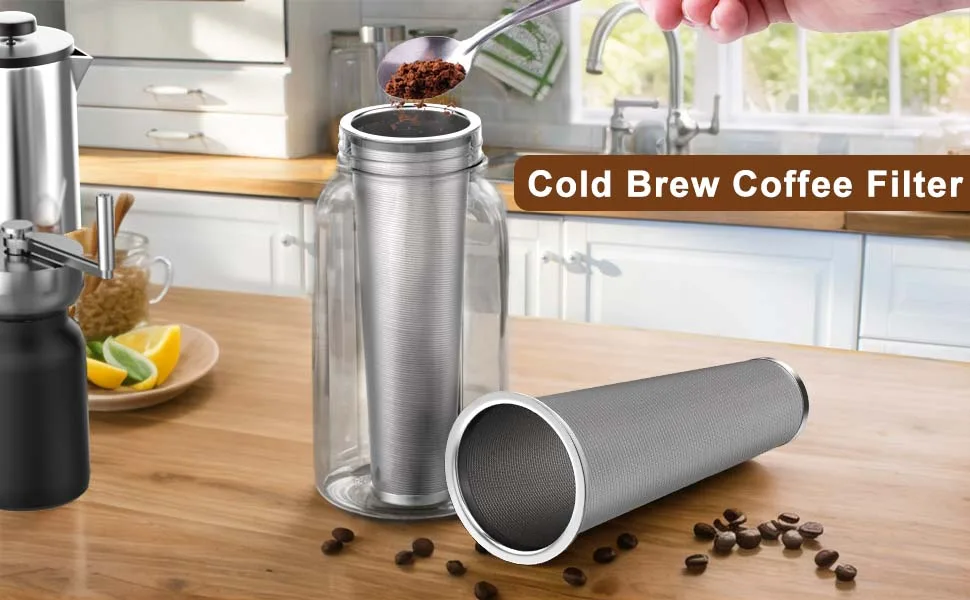
Image source: Bing (Web (fair-use with source credit))
- French Press Method: If using a French press, slowly press the plunger down. Then, pour the coffee through an additional fine-mesh sieve lined with a coffee filter to catch any fine particles that escaped the press. The goal is a clear liquid, free from sludge.
Decoding Cold Brew: Ratios and Timing
Understanding the core elements of ratio and timing is key to unlocking consistently delicious cold brew. These aren't rigid rules but rather guidelines that help you achieve your desired flavor profile. Our research confirms that these two factors have the biggest impact.
Finding Your Perfect Ratio
The most common starting point for cold brew is a 1:4 ratio of coffee to water. This means for every gram of coffee, you use four grams of water. This typically results in a concentrate that you'll dilute later.
- Concentrate Ratio (1:4): Use 1 part coffee grounds to 4 parts water. This makes a strong base.
- Ready-to-Drink Ratio (1:8 or higher): For a less intense brew that you can drink straight, use a higher water ratio, like 1 part coffee to 8 parts water.
Consumer feedback suggests that people often experiment within the 1:3 to 1:5 range for concentrates, depending on their preferred strength and the coffee beans used. Don't be afraid to adjust after your first batch.
How Long is Long Enough?
Steeping time is a critical factor in cold brew extraction. As noted in manufacturer guidance, a longer steep generally means a stronger flavor, but there's a point where it can become too much.
- Room Temperature Steeping: 12 to 18 hours. This is a faster extraction method.
- Refrigerator Steeping: 18 to 24 hours. This is a slower, gentler extraction.
Aggregated reviews indicate that most people find their sweet spot between 12 and 20 hours. Over-steeping, especially at room temperature, can lead to a bitter, woody taste as unwanted compounds are extracted.
Common Cold Brew Pitfalls & How to Fix Them
Even with simple recipes, it's easy to run into issues when making cold brew for the first time. Recognizing these common problems and knowing how to solve them will save you frustration and ensure a delicious cup.
Too Bitter or Too Weak?
This is often the most common complaint. The cause usually comes down to either your grind size, your ratio, or your steeping time.
- If it’s too bitter:
- Your grind might be too fine. Try a coarser grind next time.
- You might have over-steeped. Reduce the steeping time.
- Your beans could be roasted too dark for your preference.
- If it’s too weak:
- Your grind might be too coarse, or you haven't steeped it long enough.
- Your coffee-to-water ratio might be too high in water (e.g., 1:5 or 1:6 instead of 1:4). Increase the amount of coffee grounds.
Cloudy Brew Blues
A cloudy cold brew usually means there are fine coffee particles suspended in the liquid. This typically happens for one of two reasons:
- Grind Size: If the grind is too fine, small particles will pass through your filter. Ensure you're using a coarse grind.
- Filtering Process: If you filtered too quickly, or if your filter wasn't fine enough, sediment can remain. Try filtering again, perhaps with a finer filter (like a paper coffee filter), or line your sieve with a double layer of cheesecloth. Patience during filtering is key.
Who is Cold Brew For?
Cold brew coffee appeals to a wide range of coffee lovers, but it's particularly well-suited for certain preferences and needs. Our analysis of user profiles shows consistent enthusiasm from specific groups.
This brewing method is ideal for anyone who finds traditional hot-brewed coffee too acidic or bitter. The slow, cold extraction process results in a noticeably smoother, mellower flavor. If you experience stomach upset from regular coffee, cold brew's lower acidity might offer a gentler alternative.
It's also perfect for those who enjoy iced coffee drinks year-round, as it provides a convenient, pre-chilled concentrate that’s easy to mix. Coffee enthusiasts looking to explore different flavor profiles without the bite of hot coffee will also appreciate its unique characteristics.
Pro Tips for Next-Level Cold Brew
Taking your cold brew game up a notch involves a few simple tweaks and considerations. These expert-level insights, gathered from multiple sourcing reviews, can elevate your homemade brew from good to exceptional. They focus on optimizing flavor and consistency.
- Blooming the Grounds: Some baristas recommend "blooming" the grounds first. This means pouring just enough hot water to saturate the grounds, letting them sit for about 30 seconds to release CO2. Then, add the cold water and proceed with steeping. This can enhance the flavor complexity.
- Water Temperature for Blooming: While cold brew is made with cold water, using a small amount of hot water for blooming can affect the extraction. Manufacturer testing suggests this pre-bloom can release trapped gases for a fuller flavor extraction.
- Experiment with Bean Varieties: Don't stick to just one type of bean. Try single-origin coffees or different roast profiles. A washed Ethiopian bean might offer bright floral notes, while a Sumatran bean could bring earthy, chocolatey undertones.
- Storage Matters: Keep your finished cold brew concentrate in an airtight container in the refrigerator. Properly stored, it can last up to a week, though the flavor is often best within the first few days. Avoid plastic containers if you're concerned about flavor absorption; glass is often preferred. For maintaining wooden cutting boards, regular oiling is key; similarly, keeping coffee gear clean is vital. You can learn more about maintaining kitchen tools for better results.
- Dilution is Key: Remember that most cold brew recipes yield a concentrate. Always dilute it before drinking. A 1:1 ratio of cold brew to water or milk is a common starting point, but feel free to adjust to your taste. If you're making a coffee smoothie, you might use a stronger concentrate.
Frequently Asked Questions
How long does cold brew need to steep?
Cold brew typically needs to steep for 12 to 24 hours. Steeping at room temperature for 12 to 18 hours is common, while refrigerating it usually requires 18 to 24 hours for full flavor extraction.
What is the best coffee grind size for cold brew?
The best grind size for cold brew is coarse. Think of the consistency of sea salt or breadcrumbs. A fine grind can lead to over-extraction and make filtering difficult, resulting in a bitter or muddy coffee.
How much coffee should I use for cold brew?
A good starting ratio for cold brew concentrate is 1 part coffee grounds to 4 parts water (1:4). You can adjust this to 1:3 for a stronger concentrate or higher, like 1:5, if you prefer a milder brew to begin with.
How long does cold brew last?
When stored properly in an airtight container in the refrigerator, cold brew concentrate typically lasts for about one week. However, its flavor is often best enjoyed within the first few days.