How Does An Obd2 Scanner Work: Simple Guide To Basics
An OBD2 scanner reads your car’s data stream, spots fault codes, and helps you find problems fast.
If you’ve ever seen a check engine light pop on and felt that little jolt of stress, you’re exactly who this article is for. I’ve spent years around diagnostic tools, and I can tell you that understanding how an OBD2 scanner works takes a lot of the fear out of car repairs. Once you know what it’s reading, how it talks to your vehicle, and what the codes really mean, the whole process starts to feel much less mysterious.
What an OBD2 scanner is
An OBD2 scanner is a diagnostic tool that connects to your vehicle’s onboard computer system. It pulls data from the car’s control modules and shows trouble codes, live sensor readings, and readiness status.
OBD2 stands for On-Board Diagnostics, second generation. It became standard in the United States for most cars and light trucks starting in 1996. That standard made it much easier to check engine and emissions-related issues across different makes and models.
In simple terms, the scanner acts like a translator. Your car speaks in data and codes, and the scanner turns that into words you can understand.

How does an OBD2 scanner work?
An OBD2 scanner works by plugging into your vehicle’s OBD2 port and communicating with the car’s computer through a standard protocol. It asks the engine control unit, or ECU, for stored trouble codes, live sensor data, and system status, then displays that information on the screen.
When something goes wrong, sensors report unusual readings to the ECU. If the ECU sees a problem that crosses a certain threshold, it stores a diagnostic trouble code, often called a DTC. The scanner reads those codes and can also show freeze frame data, which is a snapshot of the engine conditions at the moment the fault happened.
Here is the basic flow:
- You plug the scanner into the OBD2 port.
- The scanner powers on, usually from the car itself.
- It sends a request to the vehicle’s computer.
- The ECU responds with codes or data.
- The scanner displays the results in a readable format.
I still remember the first time I used one on an older sedan with a rough idle. The owner assumed the worst, but the scanner pointed to a simple oxygen sensor issue. That one reading saved time, money, and a lot of guesswork.
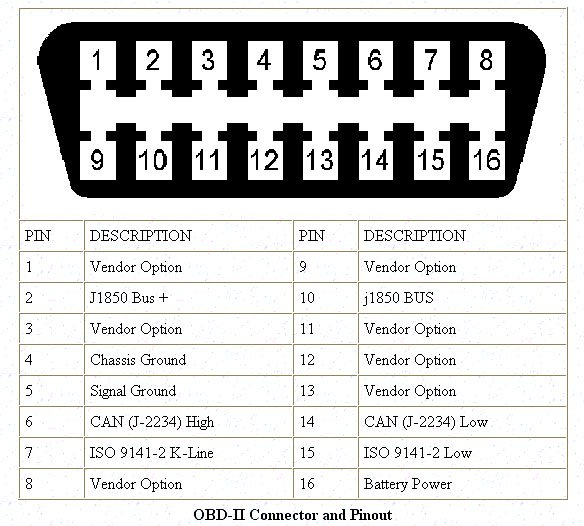
Where the OBD2 port is located
The OBD2 port is usually found under the dashboard on the driver’s side. In many vehicles, it sits near the steering column, beneath the fuse box cover, or close to the pedals.
The connector has 16 pins and a trapezoid shape, so it only fits one way. That design helps prevent connection errors and makes it easy to identify. If you can’t find it right away, check your owner’s manual, since some vehicles place it a little deeper under the dash.
What data an OBD2 scanner can read
An OBD2 scanner can read much more than just check engine light codes. Depending on the scanner type, it may show basic fault codes, live sensor data, readiness monitors, and even pending issues that have not yet turned on the warning light.
Common data includes:
- Diagnostic trouble codes, such as P0300 or P0420
- Freeze frame data, which records engine conditions when the fault happened
- Live data from sensors like oxygen sensors, mass airflow sensors, and coolant temperature sensors
- Readiness monitor status for emissions testing
- Pending codes that may become active later
- Vehicle identification data in some scanners
More advanced scanners can also access ABS, airbag, transmission, and body system information. Basic code readers usually focus only on engine and emissions-related systems.
The main parts of the system behind the scanner
The scanner itself is only one piece of the puzzle. It depends on the car’s sensors, modules, and communication network to work properly.
Here’s the simple version:
- Sensors measure things like air flow, fuel trim, temperature, and oxygen levels.
- The ECU processes those readings and decides whether they fall within normal limits.
- If the system detects a fault, it stores a code.
- The OBD2 scanner requests that information through the communication link.
Think of it like a doctor’s office. The sensors are the nurses taking measurements, the ECU is the doctor making a judgment, and the scanner is the clipboard that shows you the report.
Common OBD2 scanner protocols
Not every car communicates the same way. OBD2 scanners use different protocols depending on the vehicle’s age and manufacturer.
Some common protocols include:
- SAE J1850 PWM
- SAE J1850 VPW
- ISO 9141-2
- ISO 14230-4 KWP2000
- ISO 15765-4 CAN
Most modern vehicles use CAN, short for Controller Area Network. It is faster and more efficient, which helps the scanner pull data more quickly. A good scanner usually supports multiple protocols so it can work with a wider range of vehicles.
What OBD2 trouble codes mean
OBD2 trouble codes are standardized codes that help identify where a problem may be happening. They are not always a final diagnosis, but they are a strong starting point.
A code usually begins with a letter:
- P means powertrain
- B means body
- C means chassis
- U means network communication
The next digit tells you whether the code is generic or manufacturer-specific. The remaining digits narrow down the issue. For example, a code like P0171 often points to a lean fuel condition, but that does not automatically mean one exact part is bad.
This is where many people make a mistake. They replace a part just because the code name sounds familiar. In real life, the code is a clue, not the full story.
Types of OBD2 scanners
Not all scanners do the same job. If you only need basic info, a simple code reader may be enough. If you want deeper insight, a more advanced scan tool is worth it.
Common types include:
- Basic code readers: These read and clear engine codes
- Mid-level scanners: These show live data and some advanced functions
- Professional scan tools: These can access multiple systems, bidirectional controls, and special tests
- Bluetooth dongles: These connect to a phone app and are popular for casual users
If you work on cars often, live data matters a lot. It helps you see what the vehicle is doing in real time, which is often more useful than just reading a stored code.
How to use an OBD2 scanner step by step
Using an OBD2 scanner is usually straightforward. The exact buttons may vary, but the process stays very similar.
- Turn the vehicle off.
- Plug the scanner into the OBD2 port.
- Turn the ignition key to the ON position, or press the start button without starting the engine if needed.
- Let the scanner connect and identify the vehicle.
- Read the stored codes and review freeze frame data.
- Check live data if your scanner supports it.
- Clear codes only after you understand the problem and make repairs.
A tip from experience: do not clear codes too early. If you erase the fault before writing it down, you may lose helpful clues. I always tell people to take a photo of the code and freeze frame screen first.
Why an OBD2 scanner is useful
An OBD2 scanner saves time, money, and frustration. It helps you figure out whether a problem is minor, urgent, or something that needs professional attention.
Benefits include:
- Faster troubleshooting
- Fewer guesswork repairs
- Better understanding of warning lights
- Help with emissions testing
- Early detection of engine issues
- Useful information before visiting a mechanic
For DIY drivers, it can be a great confidence boost. For shop owners and technicians, it is one of the most basic and valuable tools in the toolbox.
Limitations of an OBD2 scanner
An OBD2 scanner is powerful, but it is not magic. It can tell you what the computer sees, but it cannot always tell you why the problem started.
Some limits include:
- It may not detect every mechanical issue
- It may not explain the root cause directly
- Basic scanners may not read ABS or airbag systems
- Some codes need deeper testing with a multimeter or smoke machine
- A cleared code can return if the real issue is still there
That is why good diagnosis takes more than code reading. The scanner gives direction, but you still need to think like a detective.
How live data helps with diagnosis
Live data is one of the most valuable features of an OBD2 scanner. It lets you watch sensor values while the engine is running, so you can compare what should happen with what is actually happening.
Helpful live data points often include:
- Engine coolant temperature
- Short-term fuel trim
- Long-term fuel trim
- O2 sensor readings
- Throttle position
- Mass airflow readings
- RPM and load
For example, if fuel trims are very high, the engine may be running lean. That could point to a vacuum leak, fuel delivery issue, or bad sensor reading. Seeing the numbers in real time often makes the problem much clearer.
OBD2 scanners and emissions testing
OBD2 scanners are closely tied to emissions checks. Many inspection stations use the vehicle’s onboard system to confirm that emissions monitors are ready and that no active fault codes are present.
If a readiness monitor is not complete, the car may fail an emissions test even if the check engine light is off. This often happens after code clearing or battery disconnects. That is why it is smart to drive the vehicle through a full drive cycle before testing.
Common mistakes to avoid
A scanner is easy to use, but it is also easy to misuse. A few simple mistakes can lead to bad repairs or confusion.
Avoid these common errors:
- Clearing codes before recording them
- Replacing parts based on one code alone
- Ignoring freeze frame data
- Using a scanner that does not support your vehicle
- Assuming a code always means the same cause on every car
- Forgetting that low battery voltage can trigger false trouble codes
I have seen people buy an oxygen sensor because of an oxygen sensor code, only to find the real issue was a small intake leak. That kind of mistake is expensive and frustrating, but it is preventable if you take your time.
How accurate are OBD2 scanners?
OBD2 scanners are accurate at reading what the vehicle computer has stored. The accuracy depends on the vehicle’s sensors, the scanner’s quality, and how well the person interprets the results.
A scanner is best at reporting data, not making the final diagnosis. If a sensor is lying to the ECU, the scanner will faithfully show that bad reading. So the tool is reliable, but the interpretation still matters.
Frequently Asked Questions of How does an OBD2 scanner work?
What does an OBD2 scanner actually do?
An OBD2 scanner connects to your vehicle’s computer and reads diagnostic trouble codes, live data, and other system information. It helps you understand why a warning light is on and what area needs attention.
Can an OBD2 scanner tell me exactly what part is bad?
Not always. It can point to the system or condition causing the problem, but you may still need testing to find the exact failed part.
Will an OBD2 scanner turn off the check engine light?
Yes, many scanners can clear codes and turn off the light. But if the problem is still there, the light will usually come back after the car runs its self-checks.
Do all OBD2 scanners work on every car?
Most work on 1996 and newer vehicles sold in the U.S., but features can vary by make and model. Some scanners only read engine codes, while others support ABS, airbag, and transmission systems too.
Is it safe to use an OBD2 scanner myself?
Yes, it is generally safe. Just plug it into the port, follow the instructions, and avoid forcing the connector or clearing codes too early.
Why does my scanner say “no communication”?
That usually means the scanner cannot talk to the vehicle. It could be a blown fuse, a weak battery, a bad connector, or a compatibility issue with the scanner.
Conclusion
An OBD2 scanner works by talking to your car’s onboard computer, reading stored fault codes, and showing real-time data that helps explain what is happening under the hood. It is one of the simplest tools for making modern car problems less confusing, and it can save you from a lot of guesswork if you use it the right way.
The big takeaway is this: read the codes, study the data, and treat the scanner as a guide, not the final answer. If you want to become a smarter car owner or a more confident DIY fixer, learning how an OBD2 scanner works is a great place to start.