What Is An OBD2 Scanner: Complete Guide For 2026
An OBD2 scanner reads your car’s fault codes and helps you find engine and system problems fast.
If you have ever seen a check engine light and felt that small wave of panic, you are not alone. An OBD2 scanner is one of the most useful tools I have ever used for car troubleshooting, because it turns confusing warning lights into real, readable information. In this guide, I’ll break down what an OBD2 scanner is, how it works, what it can and cannot do, and how to use one with confidence.

What is an OBD2 scanner?
An OBD2 scanner is a diagnostic tool that connects to your vehicle’s On Board Diagnostics II port and reads stored trouble codes, live data, and system info. In plain English, it helps your car “tell you” what is wrong, or at least where to start looking.
Most modern vehicles sold in the U.S. since 1996 use the OBD2 system. That means an OBD2 scanner can work on a huge number of cars, trucks, and SUVs, from basic code readers to more advanced professional scan tools. I have found it especially helpful for separating a minor issue, like a loose gas cap, from something that needs real repair attention.
How an OBD2 scanner works
Your car has a network of sensors and control modules that monitor how the engine and emissions systems are performing. When something falls outside normal limits, the vehicle stores a diagnostic trouble code, often called a DTC.
An OBD2 scanner plugs into the OBD2 port, usually under the dashboard near the driver’s side. Once connected, it communicates with the vehicle computer and pulls information such as:
- Stored trouble codes
- Pending codes
- Live sensor data
- Freeze frame data
- Emissions readiness status
Think of it like checking a thermometer before guessing the cause of a fever. The scanner does not magically fix the car, but it gives you the facts so you can make a smarter decision.

What does an OBD2 scanner read?
A good OBD2 scanner can read several kinds of data, and that is where the real value comes in. At the basic level, it reads trouble codes that point to systems like fuel, air, ignition, or emissions.
Common things an OBD2 scanner can read include:
- Check engine light codes
- Pending codes that have not fully triggered the light yet
- Live sensor readings such as coolant temperature or oxygen sensor data
- Fuel trim data
- Engine RPM
- Vehicle speed
- Battery voltage on some tools
- Emissions monitor status
More advanced OBD2 scanners may also access ABS, airbag, transmission, and body control modules. That depends on the vehicle and the tool’s features. I learned this the hard way years ago when I assumed one cheap reader could do everything; it could not, and that taught me to match the tool to the job.
Why an OBD2 scanner is useful
An OBD2 scanner saves time, money, and guesswork. Instead of replacing parts at random, you can start with the code and data and narrow the problem down.
Here are the biggest benefits:
- It helps you understand why the check engine light is on
- It can prevent unnecessary repairs
- It can help you clear codes after a repair
- It gives you live data for better troubleshooting
- It can help you pass an emissions inspection by checking readiness monitors
For drivers who like to stay ahead of problems, an OBD2 scanner is like having a small mechanic in your glove box. It is not a replacement for skill, but it is a very useful first step.
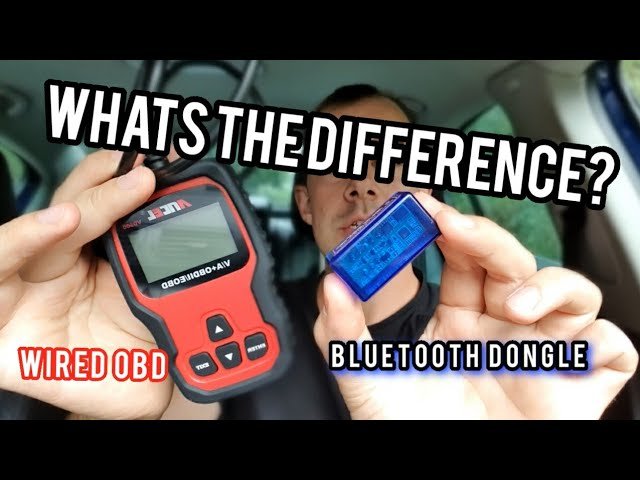
Types of OBD2 scanners
Not all OBD2 scanners are the same. The right one depends on how much detail you want and how often you plan to use it.
Basic code readers
These are the simplest and cheapest tools. They usually read and clear engine codes and may show a short code description.
Best for:
- Casual drivers
- Quick check engine light diagnosis
- Simple home use
Mid-level scan tools
These offer more data, like live sensor readings, freeze frame data, and emissions monitor checks. Some can also handle ABS or airbag codes on certain vehicles.
Best for:
- DIY car owners
- People who repair their own vehicles
- More detailed troubleshooting
Professional scan tools
These are the most advanced and expensive. They often include bi-directional control, module coding, key programming, and advanced diagnostics.
Best for:
- Technicians
- Repair shops
- Serious automotive enthusiasts
I usually tell people to buy the scanner they will actually use, not the one with the biggest feature list. Fancy tools are nice, but if the menu feels like a spaceship control panel, it may just sit in a drawer.

What an OBD2 scanner can and cannot do
This is where a lot of confusion happens. An OBD2 scanner is powerful, but it is not magic.
It can help you:
- Read and clear many fault codes
- View sensor data
- Check emissions readiness
- Identify likely trouble areas
It cannot always:
- Fix the problem
- Tell you the exact broken part every time
- Diagnose every system on every vehicle
- Replace proper testing with a multimeter, smoke test, or mechanical inspection
For example, a code saying “system too lean” does not always mean one exact part is bad. It could be a vacuum leak, bad sensor, fuel delivery issue, or even a wiring problem. The scanner gives direction, not the final verdict.
Common OBD2 trouble codes and what they mean
OBD2 trouble codes follow a standard pattern, and learning the basics makes the scanner much easier to use. The code usually starts with a letter:
- P means powertrain
- B means body
- C means chassis
- U means network or communication
Some common codes include:
- P0171: System too lean
- P0300: Random or multiple cylinder misfire
- P0420: Catalyst system efficiency below threshold
- P0455: Large evaporative emissions leak
- P0128: Coolant thermostat issue or engine running too cool
These codes point you toward a system, not always a single part. That is why I always recommend checking live data and doing a visual inspection before buying replacement parts.
How to use an OBD2 scanner
Using an OBD2 scanner is usually simple, even for beginners. The exact steps may vary by tool, but the process is similar.
- Find the OBD2 port under the dashboard.
- Plug in the scanner with the ignition off or as the manual directs.
- Turn the key to the on position or start the vehicle if needed.
- Let the scanner communicate with the car.
- Read the codes and note them down.
- Check freeze frame data and live data if available.
- Use the information to guide repair or testing.
- Clear codes only after the issue is repaired.
One mistake I see often is clearing the code too early. If you erase the code before writing it down, you lose useful clues. Freeze frame data can be very helpful because it shows what the car was doing when the fault happened.
OBD2 scanner vs. OBD1 scanner
OBD1 and OBD2 are not the same thing. OBD1 systems were older, less standardized, and often used different connectors and code methods depending on the manufacturer.
OBD2 became standard in the U.S. in 1996 for light-duty vehicles. That standardization is a big reason OBD2 scanners became so popular, because one tool can work across many brands and models.
The main differences are:
- OBD1 is older and less consistent
- OBD2 uses a standard connector and code format
- OBD2 offers more live data and better diagnostics
- OBD2 is much more user-friendly for most drivers
How accurate is an OBD2 scanner?
An OBD2 scanner is generally very reliable at reading the vehicle’s reported data. If the car has stored a code, the scanner will usually show it accurately.
What it does not guarantee is a perfect diagnosis. Accuracy depends on:
- The quality of the scanner
- The vehicle’s computer
- Whether the issue is electrical, mechanical, or intermittent
- The skill of the person interpreting the data
This is where experience matters. I have seen a scanner point to an oxygen sensor when the real issue was a cracked intake boot. The code was correct, but the root cause was somewhere else. That is normal in diagnostics.
Best practices when using an OBD2 scanner
A scanner is only as helpful as the way you use it. A few habits can make your results much better.
- Write down codes before clearing them
- Check for more than one code
- Look at freeze frame data
- Inspect simple things first, like loose caps or damaged hoses
- Compare live data between sensors when possible
- Use the scanner with basic mechanical checks, not by itself
If you are new to diagnostics, start with the simple stuff. Cars often fail in boring ways, like loose connections, weak batteries, bad grounds, or worn hoses. The scanner helps you avoid guessing in the dark.

Choosing the right OBD2 scanner
Picking the right OBD2 scanner depends on your needs, your budget, and how hands-on you want to be. If you only want to check engine lights at home, a basic code reader may be enough.
Look for these features when shopping:
- Vehicle compatibility
- Live data support
- Freeze frame data
- ABS and airbag support if needed
- Clear screen and simple menus
- Update support
- Bluetooth or app support if you want wireless use
If you work on cars often, I would lean toward a mid-level or professional tool. Spending a little more upfront can save a lot of frustration later.
Frequently Asked Questions of What is an OBD2 scanner?
What does an OBD2 scanner do?
An OBD2 scanner reads fault codes and data from your car’s onboard computer. It helps you find problems related to the engine, emissions, and sometimes other systems, depending on the tool.
Can an OBD2 scanner turn off the check engine light?
Yes, many OBD2 scanners can clear codes and turn off the check engine light after the issue is fixed. If the problem is still there, the light will usually come back on.
Will an OBD2 scanner work on any car?
Most cars, light trucks, and SUVs sold in the U.S. from 1996 onward use OBD2. Some older vehicles or certain heavy-duty models may not support standard OBD2 features.
Is a cheap OBD2 scanner worth it?
A cheap OBD2 scanner can be worth it if you only need basic code reading. If you want live data, ABS support, or deeper diagnostics, a better tool is usually the smarter buy.
Can I use an OBD2 scanner before buying a used car?
Yes, and that is one of the best uses for it. A scanner can help you spot hidden trouble codes, recent faults, or emissions issues before you buy.
Does an OBD2 scanner fix car problems?
No, it only diagnoses them. It gives you the information you need to decide what to repair, but you still need proper testing or a mechanic’s help to fix the issue.
Conclusion
An OBD2 scanner is one of the simplest and smartest tools a car owner can have. It helps you understand warning lights, read trouble codes, and make better repair decisions without wasting time or money. Used the right way, an OBD2 scanner can turn stressful car problems into manageable next steps.
If you drive regularly, it is worth learning how to use one before you need it in a panic. Start with the basics, take note of your codes, and build confidence one scan at a time. If you found this guide helpful, explore more car maintenance tips and leave a comment with your own OBD2 scanner experience.