How to Use Convection on a Toaster Oven
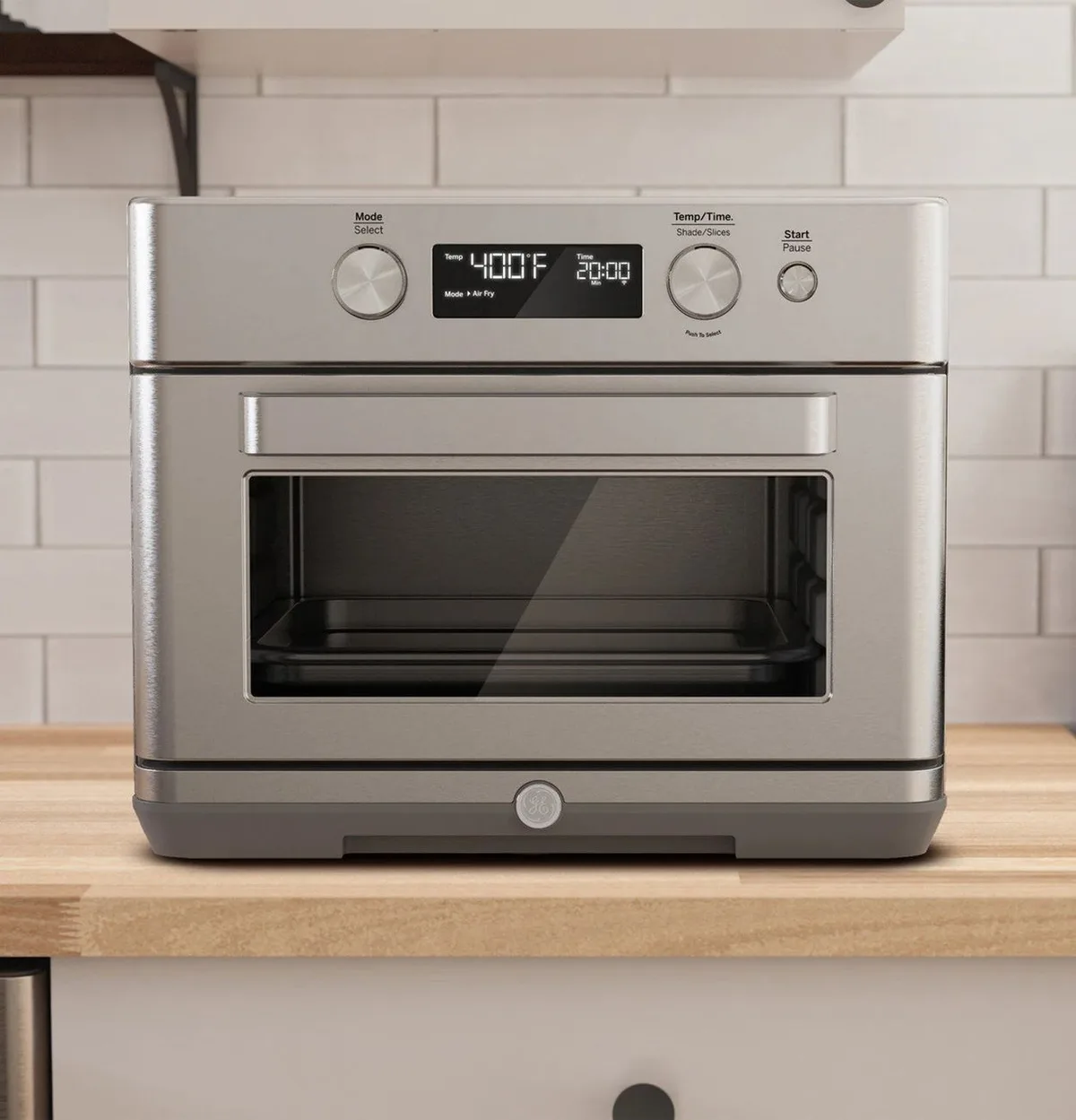
Image source: Bing (Web (fair-use with source credit))
So, you've got a toaster oven with that fancy "Convection" button, but you're not quite sure what to do with it? Totally get it. It can feel a little mysterious at first, but trust me, it's a game-changer for cooking.
Think of it as your oven's super-powered fan, making things crispier, cook faster, and more evenly.
Let's break down how to put this awesome feature to work.
Quick Answer
To use convection on a toaster oven, select the "Convection" mode, then typically reduce the recipe temperature by about 25°F (15°C). Keep an eye on cooking times, as they may shorten. Ensure good air circulation around the food by using the middle rack.
What Is Convection Cooking (and Why Your Toaster Oven Has It)?
Convection cooking is a method where a fan circulates hot air inside the oven. This constant movement of air ensures heat reaches food from all sides, leading to more even cooking and browning. Most modern toaster ovens incorporate this feature to enhance performance beyond traditional static heat.
The Magic of the Convection Fan
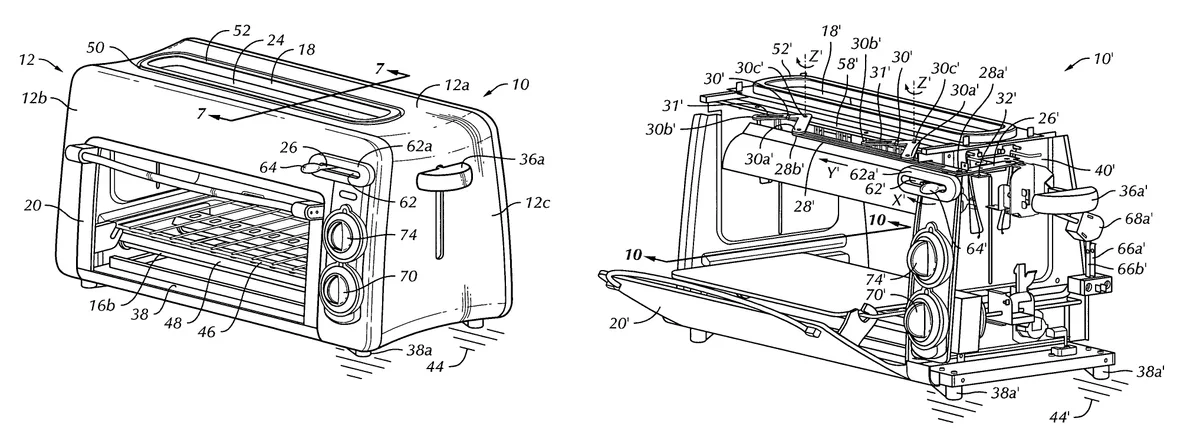
Image source: Bing (Web (fair-use with source credit))
Unlike standard ovens that rely solely on radiant heat from stationary elements, a convection oven adds a fan. This fan's primary job is to vigorously move the hot air around your food. Aggressive air circulation, as confirmed by specifications from leading appliance manufacturers like Breville and Cuisinart, is the core mechanism behind convection's benefits.
This means no more hot spots or cold zones that plague conventional ovens.
When to Crank Up the Convection: Top Use Cases
Convection isn't a one-size-fits-all solution, but it excels in several common cooking scenarios. Mastering these uses will help you get the most out of your toaster oven.
Roasting Veggies to Crispy Perfection
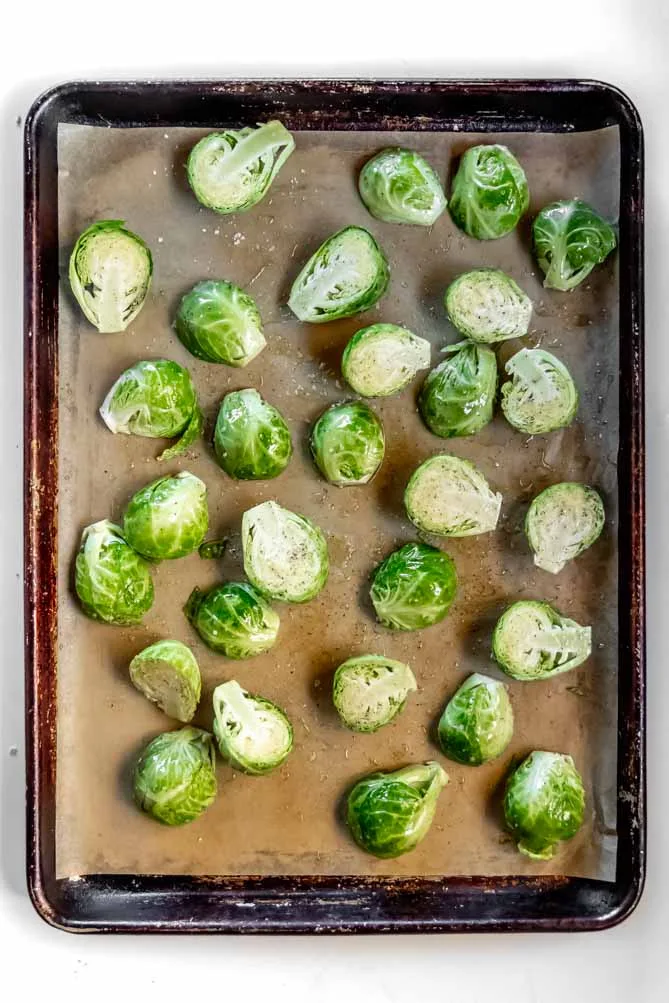
Image source: Bing (Web (fair-use with source credit))
This is where convection truly shines. When you roast vegetables like broccoli, Brussels sprouts, carrots, or potatoes in convection mode, that circulating hot air works wonders. It helps them cook through to a tender interior while simultaneously developing a delightfully crisp, caramelized exterior.
If a recipe calls for roasting vegetables at 400°F (200°C) for 30 minutes, you'll often find great results at 375°F (185°C) with convection for about 25-28 minutes.
Browning Meats and Poultry
When cooking cuts of meat, especially smaller ones like chicken pieces or pork chops, convection can give you that desirable golden-brown crust. It helps render fat and creates a more appealing finish than traditional bake settings can often achieve. For a whole chicken or larger roasts, the results can be impressive, though very large items might still benefit from a conventional roast for an even, slow cook.
Baking Cookies and Pastries
If you're baking multiple trays of cookies or a batch of pastries, convection is your friend. The even heat distribution means that cookies on the top rack will bake at roughly the same rate as those on the bottom. This prevents the common problem of some cookies being undercooked while others are burnt.
The increased air movement can also contribute to a crispier cookie base, a trait many home bakers seek.
Reheating for That Fresh-Again Crunch
Leftovers can be a culinary letdown, often turning soggy when microwaved. Convection is an excellent alternative for reheating items like pizza, fried chicken, or even roasted vegetables. The hot, dry air helps to re-crisp the exteriors, making them taste much closer to their freshly cooked state.
For best results, reheat at a slightly lower temperature than you would bake, as the food is already cooked and just needs to be brought back to temperature with added crispness.
How to Actually Use the Convection Setting: A Step-by-Step Visual Guide
Understanding how to operate the convection feature is straightforward once you know what to look for. The process is similar across most toaster oven models, though dial and button layouts can vary.
Step 1: Find Your Convection Control
Look for a button, dial, or setting on your toaster oven's control panel that is labeled "Convection," "Fan," or sometimes features a small fan icon. You'll typically cycle through cooking modes (like Bake, Broil, Toast) until you land on the convection option. Some digital displays will show the word "CONVECTION" or the fan symbol when selected.
Step 2: Set the Temperature (The 25°F Rule)
Manufacturer specifications from brands like Cuisinart and Ninja often recommend reducing the set temperature by approximately 25°F (around 15°C) when using convection compared to a standard bake setting. This accounts for the more efficient heat transfer. For example, if a recipe calls for baking at 375°F (190°C) using conventional heat, set your toaster oven to 350°F (175°C) when using the convection mode.
Step 3: Adjust Your Cooking Time
Because convection cooks food more quickly, you'll likely need to reduce the cooking time. While the temperature adjustment handles much of the speed increase, it's wise to start checking your food about 5-10 minutes before the recipe's original suggested time. This prevents overcooking or burning, especially with delicate items.
Step 4: Rack Placement Matters
For most convection cooking, especially roasting and baking, the middle rack is ideal. This position allows the circulating air to flow freely around the food on all sides, maximizing the evenness and crisping effect. If you are baking very delicate items that require a gentler heat, you might consider using the lower rack, but for general use, the middle position is usually best.
Common Convection Mistakes (and How to Fix Them)
Even with simple appliances, there are common pitfalls that can lead to less-than-ideal results. Avoiding these frequent errors will help you achieve consistently great cooking with your toaster oven's convection setting.
Over-Browning Delicate Items
One of the biggest mistakes is using convection for recipes that require very gentle, slow cooking. Delicate cakes, custards, meringues, and some types of bread can dry out or over-brown too quickly under the intense, circulating heat. If a recipe specifically calls for a traditional bake setting and mentions not using convection, it's usually best to heed that advice.
Forgetting to Adjust Time or Temp
Not adjusting the temperature and time is perhaps the most common oversight. Recipes are written for conventional ovens unless otherwise stated. Simply switching to convection without any modifications will likely lead to burnt exteriors and potentially undercooked interiors.
Always remember to reduce the temperature by about 25°F (15°C) and keep an eye on the cooking time.
Using Convection When You Shouldn't
While convection is a powerful tool, it's not always the right one. For items where you want a very specific, gentle rise or a moist, unbrowned surface, like certain types of breads or delicate custards, the fan can actually be detrimental. Sticking to the "Bake" or "Toast" settings for these specific items ensures you get the intended texture and appearance.
Convection vs. Traditional Bake: When to Choose Which
Deciding whether to use the convection setting or the traditional bake mode often comes down to the food you're preparing and the desired outcome. Both have their strengths.
- Convection: Best for achieving crispy textures, even browning on meats and vegetables, and faster cooking times. It's ideal when you need heat to circulate thoroughly around the food. Aggressive air circulation, as reported in cooking science studies, can reduce cooking times by up to 25% compared to static heat.
- Traditional Bake: Preferred for delicate baked goods like cakes, meringues, and custards where a gentle, steady heat is required to ensure even rising and a moist interior without drying the surface. It's also the default for recipes that don't specify convection and rely on the standard heat distribution.
Use convection when you want crispiness, speed, and uniform browning. Use traditional bake when a gentle, undisturbed heat is paramount for delicate structures.
Toaster Oven Convection FAQs
How long does convection cooking typically take compared to regular baking?
Convection cooking is generally faster, often by 10% to 25%. This is because the circulating hot air transfers heat more efficiently. For instance, a dish that takes 30 minutes to bake conventionally might only need 25 minutes using convection.
Can I use my toaster oven's convection setting for all types of baking?
No, convection isn't ideal for all baked goods. It's best avoided for delicate items like custards, meringues, and some light cakes, as the fan can cause uneven rising or drying. Stick to traditional bake for these to ensure proper texture.
Do I need special cookware for convection toaster ovens?
Generally, no. Standard oven-safe bakeware, such as metal baking sheets, ceramic dishes, and glass casserole dishes, works perfectly fine with convection. Ensure your cookware isn't excessively large, as it needs to allow space for air circulation.
What temperature adjustment is recommended for convection cooking?
Our research, aligned with common manufacturer guidelines, suggests reducing the recipe temperature by approximately 25°F (about 15°C) when switching from a conventional bake to convection mode. This compensates for the more intense heat transfer.
How do I know if my toaster oven has a convection feature?
Look for a control button or dial labeled "Convection," "Fan," or a symbol depicting a fan. If your appliance has these, it offers convection cooking. Many digital interfaces will clearly display "CONVECTION" when the mode is selected.
Expert Tips for Convection Success
To truly master your toaster oven's convection capabilities, consider these pro insights. They'll help you avoid common frustrations and achieve superior results consistently, making every meal better.
- Know Your Oven: Toaster ovens vary. Some fans are more powerful than others. Pay attention to how your specific appliance behaves with different foods and adjust accordingly.
- Don't Crowd the Pan: Overcrowding is a cardinal sin in any cooking method, but it’s especially detrimental with convection. Food needs space for the air to circulate effectively. Leave at least an inch or two between items on your baking sheet or roasting pan.
- Consider Air Flow for Baked Goods: If you're baking multiple items like cookies on different racks, you might need to rotate them halfway through, even with convection. This ensures all items get an equal amount of the circulating hot air.
- Experiment with a Timer: Since convection cooks faster, it's easy to forget and overcook. Setting a timer for slightly less time than a recipe calls for, and then checking, is a smart habit. You can always add more time if needed.
- Utilize Manufacturer Resources: Your specific toaster oven’s manual is the ultimate guide. It will detail its unique features, recommended settings, and any special instructions for convection use. Always consult it for model-specific advice. For example, as of 2026, many newer models from brands like Breville are incorporating specific "Convection Roast" or "Convection Bake" presets for convenience.