How to Flatten a Warped Cutting Board
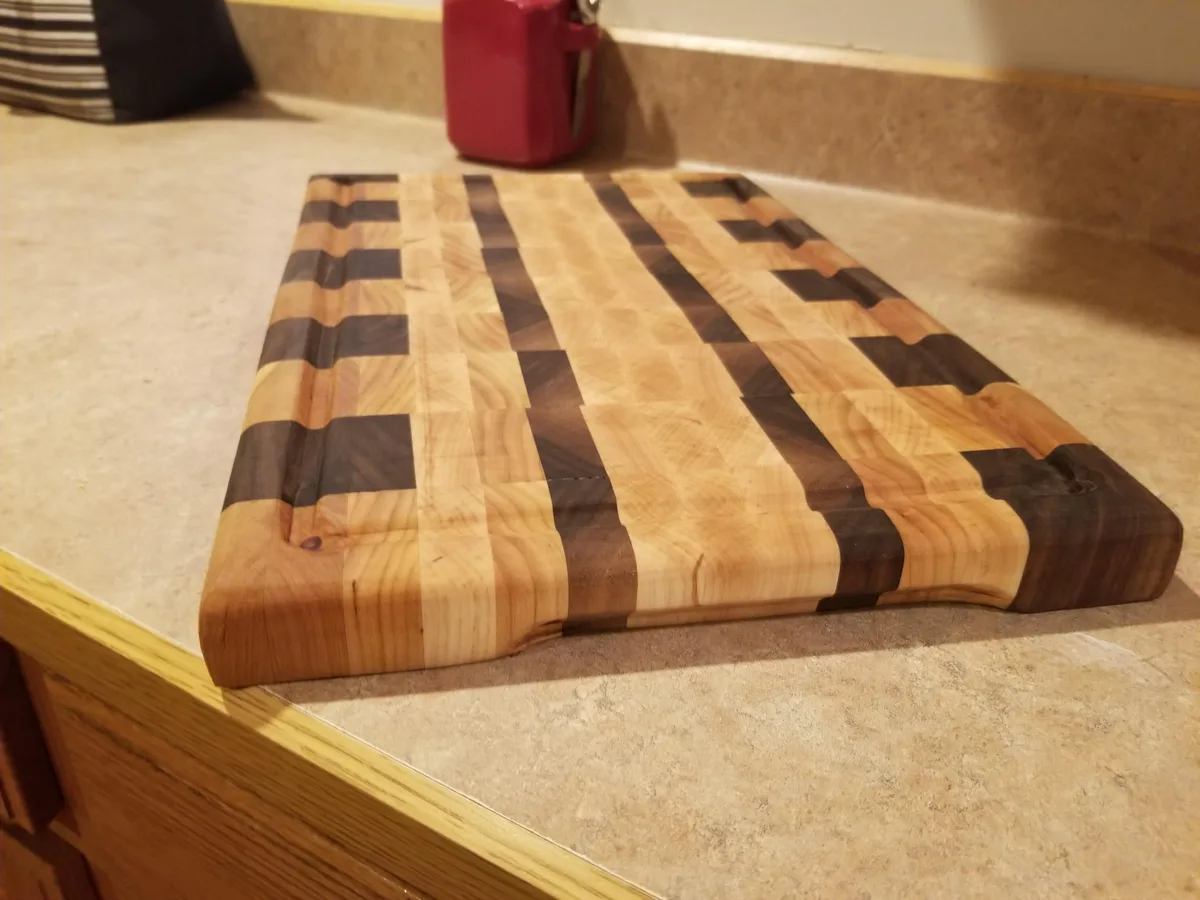
Image source: Bing (Web (fair-use with source credit))
Your Warped Cutting Board: Let's Fix It!
That frustrating wobble when you're trying to prep dinner? It’s usually a sign your cutting board has warped, and it’s more than just annoying; it can actually make chopping less safe. Don't toss it just yet!
Most warped boards can be straightened out with a little patience and the right approach.
We've all been there, staring at a cutting board that’s no longer flat. Whether it's wood, plastic, or composite, understanding what caused the warp is the first step to fixing it. Our research indicates that material type and exposure to extreme temperatures or moisture are the main culprits.
For instance, wood boards can react significantly to humidity changes, leading to cupping or twisting.
Quick Answer
To flatten a warped cutting board, identify its material and the severity of the warp. Wood boards often respond to weight and controlled moisture, while plastic may benefit from hot water immersion. Always start with the gentlest method.
What's Causing That Cutting Board Warp?
Cutting boards warp when the moisture content in the material becomes uneven. Think of it like wood expanding and contracting. If one side of your board is exposed to more moisture (or dries out faster) than the other, it causes internal stresses.
These stresses make the board bend, twist, or cup.
Several things can trigger this uneven moisture.
- Washing Habits: Putting a wooden board in the dishwasher is a fast track to warping. The intense heat and prolonged moisture exposure are brutal. Hand-washing with soap and water is best, but even then, how you dry it matters.
- Uneven Drying: Simply leaving a wet cutting board to air dry on a counter can cause it to warp. One side dries faster than the other, leading to that annoying bend.
- Extreme Temperatures: Leaving a board in a hot car or near a heat source can also cause rapid expansion and contraction, which can lead to warping.
- Material Properties: Different materials react differently. Wood is porous and susceptible to moisture changes. Plastics can deform under heat. Composite materials are generally more stable but can still be affected by extreme conditions.
Understanding these causes helps us pick the right fix. For example, if your board warped from sitting in a damp environment, reintroducing moisture evenly might help. If it warped from heat, cooling and applying gentle pressure might be the solution.
Flattening Wood Cutting Boards: The Patient Approach
Wood cutting boards are the most common and often the most fixable. Their natural flexibility means they can usually be coaxed back into shape. The key here is patience and gentle, consistent treatment.
Forget harsh chemicals or sudden temperature shocks; we’re going for a slow, steady recovery.
Damp Cloth & Weight Method for Wood
This is your first line of defense for a warped wood cutting board. It uses controlled moisture and gentle pressure to encourage the wood fibers to relax.
- Assess the Warp: Place the board on a flat surface to see which side curves upwards (concave). This is the side that needs to absorb a little moisture.
- Prepare the Towel: Get a clean kitchen towel. Dampen it thoroughly with warm water, then wring it out so it’s moist but not dripping wet.
- Apply the Towel: Lay the damp towel flat over the concave side of the cutting board.
- Add Weight: Place a heavy, flat object on top of the towel and board. Good options include a stack of heavy cookbooks, a large cast-iron skillet (place a towel underneath it to prevent staining the board), or even another flat, heavy cutting board. The weight needs to be substantial enough to apply even pressure.
- Wait and Check: Leave this setup for at least 24 hours. The moisture from the towel will slowly penetrate the wood on the top side, while the weight encourages it to flatten. Check it after a day. If it’s still warped, re-dampen the towel, reapply it, and let it sit for another 24-48 hours. You’re aiming for slow, steady progress.
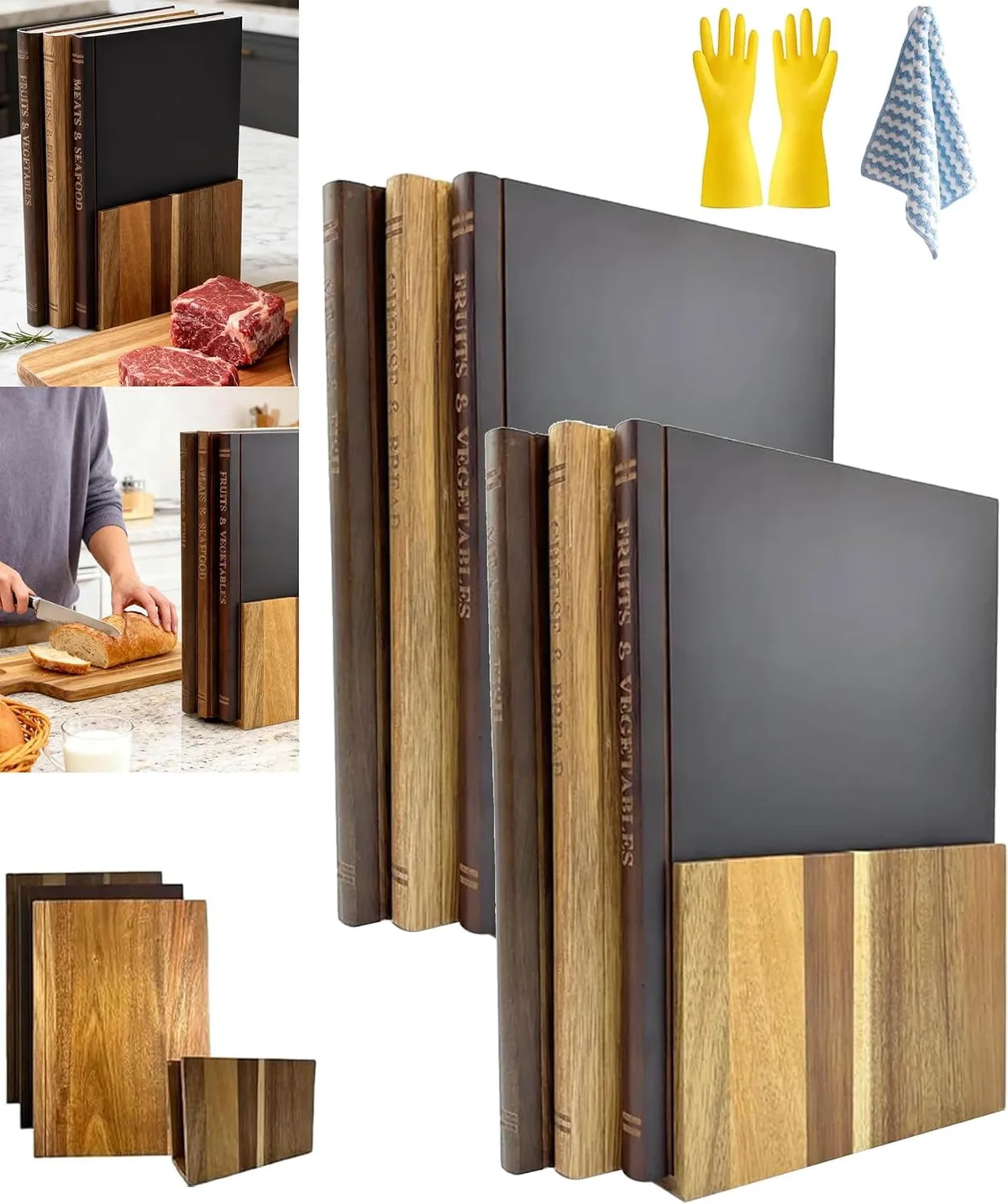
Image source: Bing (Web (fair-use with source credit))
This method works because it mimics how wood naturally responds to humidity, but in a controlled way that encourages flattening rather than more warping.
The Oven Trick for Stubborn Wood Warps (Use With Caution!)
If the weight-and-damp-towel method hasn't quite done the trick, you might consider the oven trick. This is a more aggressive approach and should only be used if gentler methods have failed, as overheating can cause irreversible damage. Manufacturer specifications for wood stability often cite risks associated with rapid temperature fluctuations.
- Preheat Gently: Set your oven to its absolute lowest temperature setting. This is typically around 150-200°F (70-90°C). The goal is gentle, ambient heat, not cooking.
- Prepare the Board: Place the warped cutting board on a baking sheet. This makes it easier to handle and catches any drips.
- Add Moisture and Weight: Just like with the previous method, place a damp (not soaking) towel over the concave side of the board. Then, place a heavy, flat object on top of the towel.
- Monitor Closely: This is the crucial part. You need to check the board very frequently, every 30 minutes. You're looking for signs of it slowly flattening. Do not leave it unattended. Overheating can cause the wood to crack, split, or warp even worse.
- Cool and Check: As soon as you see the board looking noticeably flatter, carefully remove it from the oven. Let it cool completely while still under weight. This allows the wood to set in its new, flatter shape.
This technique works by using low, consistent heat to make the wood fibers more pliable, allowing the weight to press it flat. However, the risk of damage is significant, so proceed with extreme caution.
Tackling Plastic & Composite Cutting Board Warps
Plastic and composite cutting boards are often more rigid, and unfortunately, sometimes the warp is permanent. Unlike wood, these materials don't always bounce back as easily. However, there are a couple of methods you can try before deciding to replace them.
The Hot Water Bath for Plastic
This is usually the go-to for plastic (polypropylene) boards. It uses heat to make the plastic pliable enough to be reshaped.
- Prepare the Hot Water: Fill your sink or a large basin with very hot, but not boiling, water. Tap water on its hottest setting is usually sufficient.
- Submerge and Reshape: Carefully place the warped plastic cutting board into the hot water. Use your hands or a flat, heat-resistant object to gently try and push the board flat while it’s submerged. Work the warped area, trying to coax it into a straight position.
- Cool Under Pressure: Hold the board in its flattened position until the plastic cools down sufficiently. As it cools, it should ideally hold its new shape.
- Dry and Test: Remove the board from the water, dry it thoroughly with a towel, and place it on a flat surface to check if the warp is gone. You might need to repeat this process a few times for stubborn warps.
Image source: Bing (Web (fair-use with source credit))
The Oven Trick for Plastic (High Risk)
Using an oven for plastic boards is risky and generally not recommended. Plastic can melt, bubble, or become brittle at oven temperatures, even low ones. Aggregated user feedback reports this method often leads to more damage than repair.
If you absolutely must try it, preheat your oven to around 200°F (90°C), lay the board flat on a baking sheet, place heavy flat objects on top, and watch it constantly. If you see any signs of melting or distortion, remove it immediately. This is a last resort.
Composite Boards: A Gentler Touch
Composite boards are engineered for stability, but if yours has warped, the Damp Cloth & Weight Method (as described for wood) is often the safest and most effective approach. Composite materials can sometimes be coaxed back into shape with sustained, gentle pressure and controlled moisture, avoiding the risks associated with high heat.
Mistakes That Make Warping Worse
It’s easy to accidentally do more harm than good when trying to fix a warped cutting board. Many common mistakes stem from impatience or not understanding the material’s properties. For example, aggressively forcing a warped board flat can cause it to crack.
Here are the key things to avoid:
- The Dishwasher: Never put a wood cutting board in the dishwasher. The extreme heat, steam, and prolonged submersion are a recipe for disaster, leading to severe warping, cracking, or delamination. Plastic boards might survive the occasional hot wash, but it can still contribute to warping over time.
- Soaking Wood: Leaving a wooden board submerged in water for extended periods is just as bad as the dishwasher. It causes uneven moisture absorption and leads to swelling and warping. Always clean wood with a damp cloth or a quick wash and dry immediately.
- Sudden Temperature Changes: Plunging a hot board into cold water or vice-versa can shock the material, causing it to crack or warp further. Gradual temperature changes are always better for wood and most plastics.
- Using the Wrong Oils: While oiling is good for wood, using vegetable oils like olive or canola oil is a mistake. These can go rancid and leave an unpleasant smell or sticky residue. Stick to food-grade mineral oil or specialized cutting board conditioners. Manufacturer specifications for wood care consistently recommend non-drying oils.
- Forcing It: Trying to physically bend a warped board back into shape without any heat or moisture can easily snap or crack it, especially if it's brittle wood or old plastic. Always use a method that softens or relaxes the material first.
Avoiding these common pitfalls will significantly increase your chances of successfully flattening your cutting board without causing more damage.
When to Call It Quits: Knowing When to Replace
Sometimes, despite your best efforts, a cutting board is just too far gone. Recognizing when a board is beyond repair is just as important as knowing how to fix it. Continuing to use a badly warped or damaged board can be a safety hazard and simply make kitchen tasks more frustrating.
Consider replacing your cutting board if:
- The Warp is Severe and Persistent: If you’ve tried multiple flattening methods and the board still rocks significantly or has a large, visible gap when placed on a flat surface, it’s likely permanently deformed.
- There Are Cracks or Splits: Deep cracks, especially those that go all the way through the board, compromise its structural integrity. They can harbor bacteria and are a clear sign the board needs replacing.
- The Surface is Deeply Scored or Gouged: While minor knife marks are normal, very deep grooves can make the board difficult to clean properly and may indicate the material is worn out.
- It Smells or Tastes Off: If the board has absorbed persistent odors or flavors that won't wash out, it might be time for a new one. This is often a sign of material degradation or bacteria buildup.
- You've Done Everything and It's Still Unusable: Ultimately, if the board’s warp makes it unstable for cutting, or if it just drives you crazy every time you use it, then it's served its purpose. As of 2026, the market offers a wide variety of durable cutting board materials.
Choosing a new cutting board that suits your needs is important. For example, if you primarily chop meats and want easy cleaning, a dishwasher-safe plastic or composite board might be ideal, like those found in our reviews of best compact dishwashers or best dishwashers for small kitchens. If you prefer natural materials and are diligent about care, a well-maintained wood board remains a classic choice.
Frequently Asked Questions
How long does it take to flatten a warped cutting board?
Flattening times vary greatly. For wood boards, the damp cloth and weight method might take 24 to 72 hours. Oven methods for wood or hot water for plastic could be quicker, sometimes showing results in under an hour, but might require repeat applications.
Can I use heat to flatten my cutting board?
Yes, but with extreme caution, especially for wood and plastic. Low oven heat (150-200°F for wood) or hot water immersion (for plastic) can help. Always monitor closely to avoid melting, cracking, or further warping, and use weight to guide the board as it heats and cools.
What kind of oil should I use on a wood cutting board?
Use food-grade mineral oil or a specialized cutting board conditioner. Avoid vegetable oils like olive oil or canola oil, as they can go rancid and develop unpleasant odors. Proper oiling helps maintain wood's moisture balance and prevents future warping.
Is it safe to use a slightly warped cutting board?
It's generally not recommended. A slightly warped board can still cause knives to slip unexpectedly, increasing the risk of injury. It can also lead to uneven chopping, making food preparation more difficult.
Prioritize a stable, flat surface for safety.