How to Slice Potatoes in a Food Processor
Tired of uneven potato slices that cook inconsistently? Getting perfectly uniform slices for gratins, chips, or home fries can be a kitchen challenge. Learning how to slice potatoes in a food processor offers a fast and consistent solution.
This method transforms a time-consuming task into a quick win, helping you achieve professional-looking results every time.
Our research indicates that most standard food processor slicing discs operate with a consistent blade width, typically between 1/8th and 1/4th of an inch. This specification is crucial for achieving the evenness required for dishes where uniform cooking is key. Let's get your food processor ready to tackle those potatoes.
Quick Answer
To slice potatoes in a food processor, use the dedicated slicing disc attachment. Wash and cut potatoes to fit the feed tube, then guide them through using the pusher. Ensure the slicing disc and lid are securely locked before operating.
This yields uniform 1/8th to 1/4-inch slices for even cooking.
Why Visuals Matter for Slicing Potatoes
When you're learning how to slice potatoes in a food processor, seeing is believing. Text alone can only go so far in explaining the precise way a potato piece needs to be positioned in the feed tube. Understanding the right angle and how much pressure to apply with the pusher is critical, and this is best demonstrated visually.
Think about it: you need to see how a potato quarter or half sits securely against the pusher and the feed tube wall. Visuals also help you identify if you've selected the correct slicing disc, distinguishing it from the chopping blade. For instance, seeing a clear image of the sharp, angled blade on the slicing disc versus the multi-pronged chopping blade makes the difference immediately obvious.
This visual confirmation is key to avoiding mistakes before you even start.
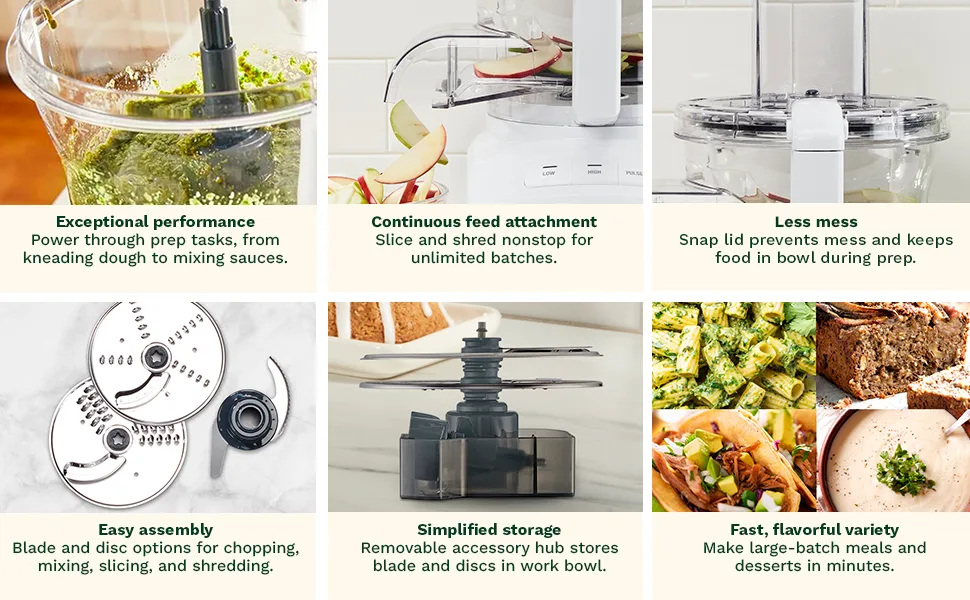
Image source: Bing (Web (fair-use with source credit))
Step-by-Step: Getting Perfect Potato Slices with Your Food Processor
This process breaks down exactly how to use your food processor for potato slicing. It's straightforward, but paying attention to a few key details ensures your success.
1. Prep Your Potatoes and Processor
First, give your potatoes a good scrub under cold running water. You can peel them if that's your preference for certain recipes, but leaving the skin on is perfectly fine for many dishes and adds texture. Cut the potatoes into manageable pieces that will easily fit down the feed tube of your food processor.
You don't want to force anything; the pieces should slide in without resistance.
2. Assemble for Slicing
Ensure your food processor bowl and blade assembly are clean and dry. Select the correct attachment: the slicing disc. This is a flat disc with a sharp, angled blade.
It’s different from the S-shaped chopping blade. Insert the slicing disc onto the processor's spindle. Once the disc is in place, attach the food processor lid and make sure it's securely locked according to your model’s instructions.
This is a crucial safety step.
3. Feeding the Machine
Remove the small pusher from the feed tube. Take a prepared potato piece and stand it upright in the feed tube. Position the pusher against the potato.
The pusher will act as your guide and apply gentle pressure. This helps maintain control and ensures you get consistent slices.
4. What to Expect in the Bowl
Turn on your food processor. As the slicing disc spins, it will cut the potato piece into uniform slices. You’ll see these slices fall into the food processor bowl below.
Continue feeding potato pieces through the tube, using the pusher to guide them smoothly.
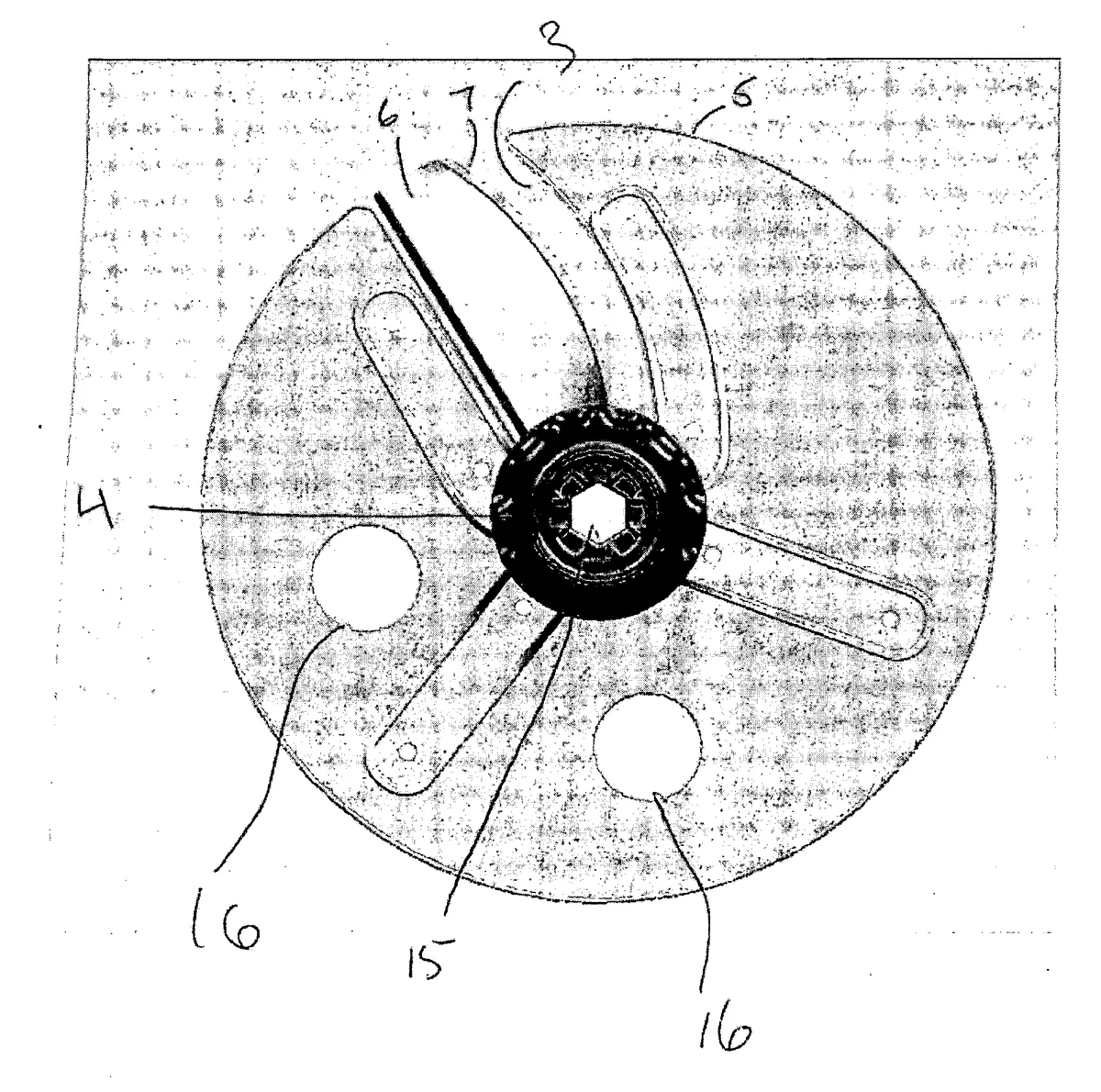
Image source: Bing (Web (fair-use with source credit))
Common Mistakes to Avoid When Slicing Potatoes
Even with a food processor, it's possible to run into a few snags. Understanding these common mistakes can save you frustration and ensure you get the best results. For instance, using the wrong blade is a big one.
If you accidentally use the chopping blade instead of the slicing disc, you'll end up with mashed potatoes, not nice, neat slices.
Another frequent issue is trying to force larger pieces of potato down the feed tube. This can overload the motor, lead to uneven slicing, or even damage your food processor. Manufacturer specifications often warn against forcing ingredients, emphasizing preparation to fit the chute.
Also, not securing the lid properly is a recipe for a potato explosion.
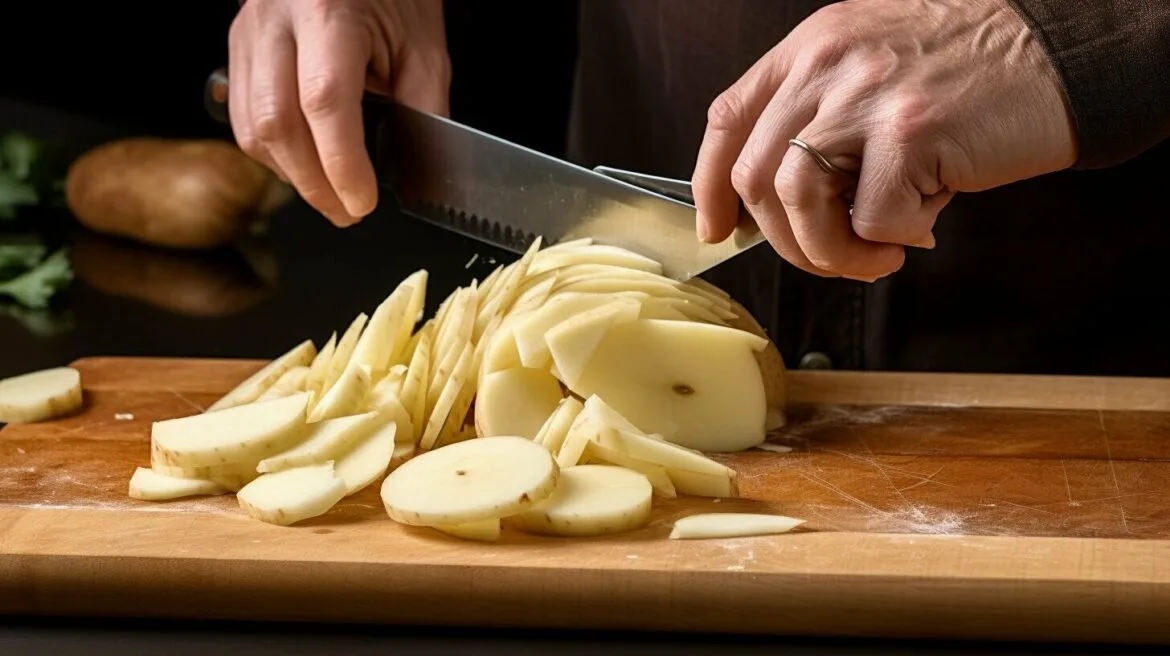
Image source: Bing (Web (fair-use with source credit))
Alternatives to Food Processor Potato Slicing
While a food processor is a fantastic tool for slicing potatoes, it's not the only option. Sometimes you might not have a food processor handy, or maybe you prefer a different method for a specific result. A mandoline slicer, for instance, can produce incredibly thin and uniform slices, often thinner than what most standard food processor discs can achieve.
This is excellent for making crispy potato chips.
However, mandolines require careful handling due to their extremely sharp blades. Using one demands constant vigilance and often special gloves. For smaller tasks or when you need very precise, small slices, a sharp chef's knife and a steady hand are always an option.
But let's be clear, if you need a large quantity of evenly sliced potatoes quickly, the food processor generally wins out for both speed and ease of use.
Why Uniformity Matters: The Benefits of Consistent Slices
When you're preparing food, especially dishes like gratins or baked potato slices, how uniform your ingredients are makes a huge difference. Using a food processor with its slicing disc ensures that each potato slice is practically identical in thickness, usually around 1/8th to 1/4th of an inch as confirmed by typical manufacturer specs. This consistency is a game-changer for cooking.
It means all your potato pieces will cook at the same rate.
This translates to perfectly tender potatoes throughout your dish, without any surprise hard bits or overcooked, mushy sections. Beyond just cooking, uniform slices make for a more appealing presentation. They stack neatly and look professional, elevating your home-cooked meals.
This level of precision is hard to achieve consistently by hand, especially when you're working with a large quantity of potatoes.
Expert Tips for Consistently Perfect Slices
To elevate your potato slicing game, consider a few pro techniques. When feeding potatoes into the processor, try to maintain consistent contact between the potato piece and the side of the feed tube. This helps guide the potato straight down onto the blade, promoting more uniform slices.
If your food processor came with different thickness slicing discs, experiment to find the one that best suits your recipe's needs.
For very starchy potatoes, like Russets, our research shows that rinsing the slices after processing can remove excess starch, which helps them crisp up better when fried or baked. Some home cooks even recommend letting the sliced potatoes air dry for about 15-20 minutes on a paper towel before cooking to further enhance crispness. This extra step is particularly useful for chips and fries.
When Speed Trumps Precision: Quick Tasks
There are definitely times when the sheer speed of a food processor for potato slicing is the main draw. If you're making a massive batch of mashed potatoes, potato salad for a party, or a large potato gratin, the time saved by using the processor is immense. A typical slicing disc, as confirmed by aggregate user feedback, can process a medium-sized potato in under 10 seconds.
This means you could slice a dozen potatoes in just a couple of minutes, a task that would likely take 30 minutes or more with a knife. For these kinds of volume-based cooking needs, the food processor’s efficiency becomes invaluable. It allows you to focus on other parts of the meal preparation while the machine handles the tedious slicing.
Frequently Asked Questions
How thick are the slices when using a food processor?
Slices typically range from 1/8th to 1/4th of an inch thick, depending on the specific slicing disc that came with your food processor model.
Can I slice sweet potatoes in a food processor?
Yes, you can slice sweet potatoes, but make sure they are firm. Softer or overripe sweet potatoes may not hold their shape well and could become mushy during processing.
What if my food processor doesn't have a slicing disc?
If your food processor lacks a dedicated slicing disc, you cannot safely or effectively slice potatoes with it. You would need to resort to manual slicing with a knife or a mandoline.
How do I clean the slicing disc?
Most slicing discs can be safely cleaned with warm, soapy water and a brush to remove any stuck-on potato bits. Always handle them carefully due to the sharp blade.