How to Cook Frozen Food in an Air Fryer
Figuring out how to cook frozen food in an air fryer can be a fantastic way to get crispy, delicious meals on the table fast. It’s a common question for anyone looking to speed up weeknight dinners or make snacks more appealing. Many frozen items, from fries to appetizers, transform beautifully when cooked this way, achieving a texture often difficult to get with conventional oven methods.
Manufacturer specifications for many popular air fryer models often highlight their ability to quickly cook frozen items, with many capable of reaching 400°F (200°C) in under 5 minutes. This makes them an attractive option for busy households. Let’s break down the best approach to ensure your frozen foods turn out perfectly every time.
Quick Answer
Cook frozen food in an air fryer by arranging it in a single layer. Preheat to 375-400°F (190-200°C) for crispy items. Shake the basket halfway through cooking.
Watch for golden brown color and crisp texture.
Is Your Frozen Food Air Fryer Ready?
Not everything frozen is destined for air fryer glory, but a whole lot of it is! Thinking about what you’re pulling from the freezer is the first step to success. The goal is usually to achieve that coveted crispiness without drying out the inside.
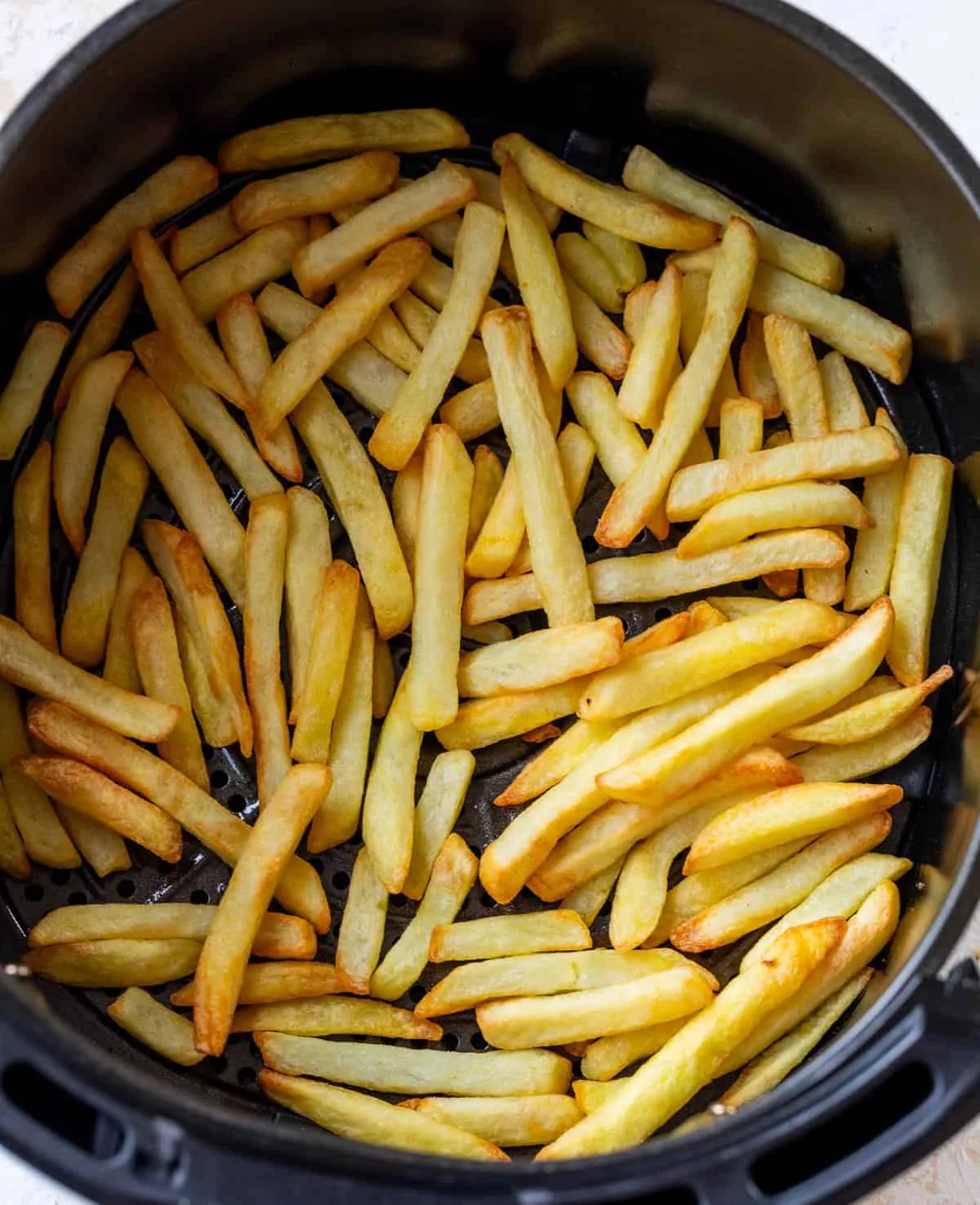
Image source: Bing (Web (fair-use with source credit))
Common Air Fryer Candidates
These are the frozen staples that truly shine in the air fryer. They’re designed for quick cooking and benefit most from the hot, circulating air.
- French fries and tater tots: These classics get incredibly crispy, mimicking deep-fried results with less oil.
- Chicken nuggets, tenders, and fish sticks: The breading crisps up beautifully, while the inside stays tender and moist.
- Vegetables: Think broccoli florets, cauliflower, green beans, or even vegetable spring rolls. They roast wonderfully and get delightfully tender-crisp.
- Appetizers: Items like spring rolls, samosas, mozzarella sticks, and mini quiches cook up fast and achieve perfect crunch.
- Pre-cooked items: Things like mini meatballs or frozen pizza rolls heat through quickly and gain a desirable texture.
Foods to Reconsider
While the air fryer is versatile, some frozen items just aren't the best fit. These often have too much moisture, delicate structures, or are too large to cook evenly.
- Anything with a very wet batter: This can drip, create a mess, and prevent even cooking.
- Large, dense items: A whole frozen pie or a large frozen lasagna might be better suited for a traditional oven where heat can penetrate more gradually.
- Ice cream and sorbets: Obviously, these need to stay frozen, not hot and crispy!
The Core Idea: How Air Frying Works for Frozen Food
At its heart, an air fryer is a high-powered, compact convection oven. It circulates hot air at high speeds around your food. This intense circulation is what makes food crispy, much like deep-frying, but with significantly less oil.
For frozen foods, this process is especially effective. It quickly brings the temperature up, thawing and cooking the interior while simultaneously crisping the exterior. This rapid cooking helps lock in moisture and prevents the dreaded soggy texture that can happen when frozen items sit too long in a conventional oven’s slower heat.
Why Air Frying is Different from Baking
Baking in a conventional oven relies on a more gentle, radiant heat that cooks food slowly. Air frying, however, uses forceful convection. Imagine a powerful fan blowing super-hot air directly onto your food from all sides.
This intense blast of heat cooks food much faster and creates a crispier crust. This is why frozen fries, for example, go from limp to perfectly crunchy in an air fryer in about half the time it might take in a standard oven.
Your Step-by-Step Frozen Food Air Fryer Workflow
Using your air fryer for frozen foods boils down to a few key steps. It’s less about rigid recipes and more about understanding the principles of hot air circulation and temperature control. This workflow will help you achieve consistent, delicious results, no matter what frozen treat you’re preparing.
Step 1: Prep Your Food & Air Fryer
First, take your frozen food out of its packaging. For most items, there's no need to thaw them. If there's a light frost or ice crystals, you can give them a quick rinse and pat dry with a paper towel, but this isn't usually necessary.
For vegetables, you might want to toss them with a light coating of oil, salt, and pepper right in the basket or a separate bowl to help them roast better.
Preheating your air fryer is often recommended, especially for foods that benefit from an immediate high heat to crisp up. Most manufacturers suggest preheating for 3, 5 minutes at the target temperature. This ensures the air inside is already hot and circulating efficiently when you add your food, leading to a better cook from the start.
Step 2: Temperature & Time: The Starting Point
Finding the right temperature and time is key. Most frozen foods designed for baking will do well in the air fryer between 375°F (190°C) and 400°F (200°C). This range is hot enough to cook the food thoroughly and crisp up any coating or exterior.
The cooking time will vary greatly depending on the item and quantity. A general guideline for things like fries, nuggets, or small appetizers is 8 to 20 minutes. Always refer to the package instructions for an estimated oven time and use that as a starting point for your air fryer, adjusting as needed.
It’s always better to start with a shorter time and add more if necessary than to overcook and burn your food.
Step 3: The Crucial Shake or Flip
This is one of the most important steps for achieving evenly cooked, crispy food. Since the air fryer basket is relatively small, food can sometimes block air circulation. About halfway through the estimated cooking time, you need to intervene.
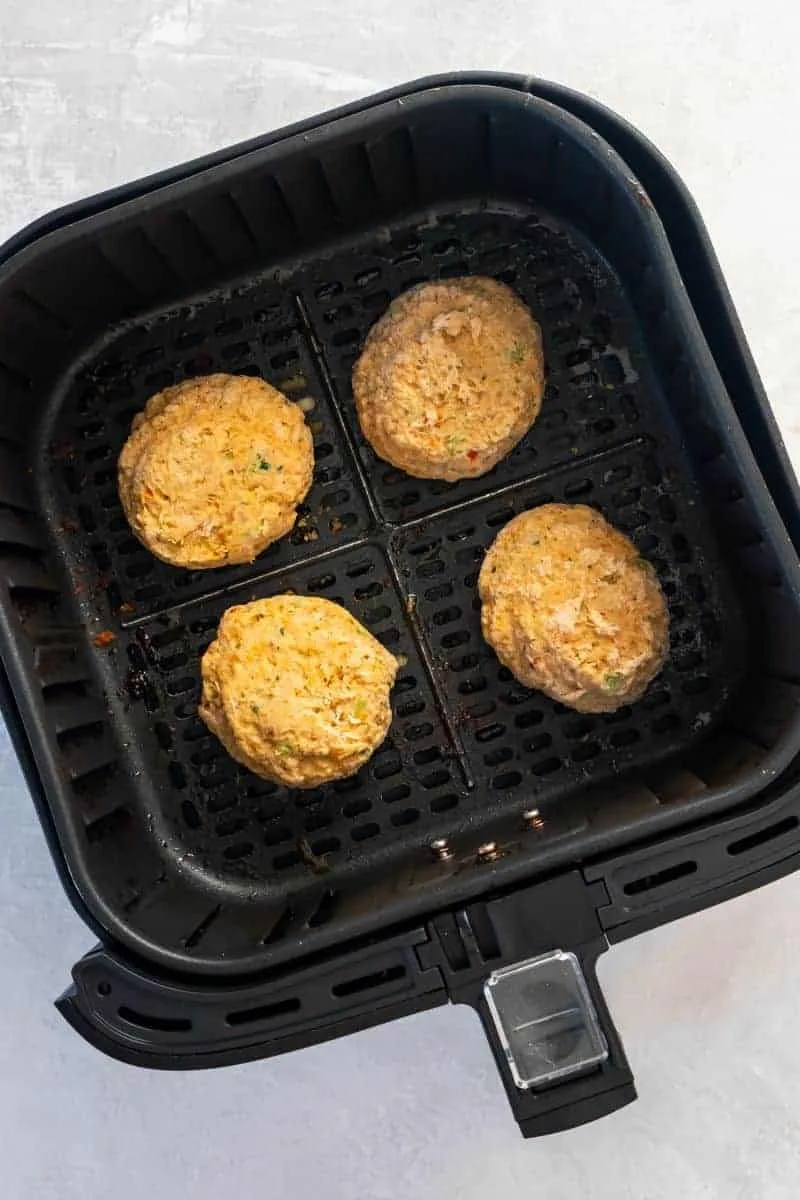
Image source: Bing (Web (fair-use with source credit))
Carefully pull out the air fryer basket. Give it a good shake to redistribute the food. If you’re cooking larger items like chicken tenders or fish sticks, you might need to flip them with tongs to ensure all sides get browned and crispy.
Then, slide the basket back in to continue cooking. This simple action makes a massive difference in the final texture.
Step 4: Checking for That Perfect Crisp
As you get closer to the estimated end time, start checking your food for doneness. You're looking for several indicators:
- Color: The food should be golden brown and appealing. If it’s still pale, it needs more time.
- Texture: For fries and nuggets, you want a definite crispiness. For vegetables, they should be tender-crisp, meaning they offer a slight resistance when bitten but aren't hard.
- Internal Temperature: For proteins like chicken or fish sticks, it’s always a good idea to check the internal temperature with a food thermometer. For example, the U.S. Department of Agriculture (USDA) recommends internal temperatures of 165°F (74°C) for poultry and 160°F (71°C) for fish to ensure they are safe to eat.
If your food isn't quite done, simply return the basket to the air fryer and add a few more minutes of cooking time. Check it again frequently until it reaches your desired level of crispiness and doneness.
Key Mistakes When Air Frying Frozen Foods
Even with a great appliance, it's easy to make a few common missteps that can lead to less-than-ideal results. Learning to avoid these will dramatically improve your air-fried frozen food game.
The Overcrowding Catastrophe
This is, hands down, the most frequent mistake people make. Throwing too much food into the air fryer basket at once is the quickest way to turn what should be crispy fries into sad, steamed potatoes. The hot air needs space to circulate freely around each piece of food.
If the basket is packed too tightly, the air can't reach everything, resulting in uneven cooking and soggy bits.
For best results, always aim for a single layer of food in the basket. If you have a larger quantity, it’s far better to cook in two or more batches. This might add a few extra minutes to your total prep time, but the superior texture and taste are absolutely worth it.
Forgetting the Shake
Remember that crucial step of shaking or flipping your food? Forgetting it is a guaranteed way to end up with one side perfectly cooked and the other pale and underdone. Because the air circulates from the top and sides, the food at the bottom of the basket or facing inwards might not get enough direct heat.
A mid-cook shake or flip ensures that all surfaces of the food come into contact with that hot, crisping air.
This is particularly important for smaller items like fries, tater tots, and chicken nuggets. For larger items like chicken tenders or fish sticks, using tongs to flip them individually guarantees even browning and crispiness on all sides.
Ignoring Cooking Times
While air fryers are fast, they aren't magic wands that instantly cook everything to perfection. Relying solely on the package directions for oven cooking can sometimes lead to undercooked or overcooked food in an air fryer. Those times are estimates for a different cooking environment.
As of 2026, many air fryer manufacturers offer specific charts or guides for frozen items, which are excellent starting points.
Always use the package directions as a guideline, but be prepared to adjust. Start with the lower end of the recommended time and check frequently. It’s far easier to add a few more minutes of cooking time than it is to rescue food that’s become burnt or dry from overcooking.
Pay attention to the visual cues, color and crispness, rather than strictly adhering to a timer.
Pro Tips for Crispier, Tastier Frozen Foods
Want to elevate your frozen food game in the air fryer? A few simple techniques can make a world of difference, transforming everyday frozen staples into something truly craveable. These are the kinds of tips that seasoned air fryer users swear by.
Mastering the Single Layer
This is the golden rule of air frying for achieving maximum crispiness: do not overcrowd the basket. Every single piece of food needs its own personal space for the hot air to circulate around it. Think of it like giving each item its own little oven.
When you arrange food in a single layer, you guarantee that the air can reach all sides, leading to uniform browning and a satisfying crunch. If you’re cooking for a crowd and have a lot of frozen items, it's always better to cook in batches. You can keep the first batch warm in a low oven (around 200°F / 95°C) while you cook the second batch.
This ensures everything is served hot and perfectly crisp.
When to Preheat (and When Not To)
Preheating your air fryer is generally a good practice, especially for items you want to be super crispy right from the start. Most manufacturers suggest preheating for 3, 5 minutes at the cooking temperature. This gets the air inside circulating at its optimal speed and temperature, so your food begins cooking and crisping immediately upon entering the basket.
This is particularly beneficial for frozen fries, nuggets, and appetizers.
However, for some items, like certain frozen vegetables that might take a bit longer to thaw and cook through, preheating might not be as critical. For these, you can sometimes skip the preheat and add the food directly to a cold basket, then set your temperature and time. The extended cooking time will allow the vegetables to thaw and cook before they have a chance to burn.
Always consult your appliance manual or package directions for specific recommendations.
Quick Cleanup Tricks
Nobody loves doing dishes, but a little cleanup effort right after cooking can save you a lot of scrubbing later. Most air fryer baskets have a non-stick coating that helps a lot. After cooking, once the basket has cooled slightly but is still warm, you can often wipe away most residue with a damp paper towel or a soft cloth.
For tougher bits or grease buildup, a gentle dish soap and a non-abrasive sponge work wonders. Many air fryer baskets and trays are also dishwasher safe, but always check your appliance’s manual to be sure. Washing them promptly after use prevents food particles from hardening and becoming a pain to remove.
Keeping your air fryer clean not only makes it look better but also ensures it functions optimally for future use.
Air Fryer Frozen Food FAQs
How long does frozen food typically take to cook in an air fryer?
Cooking times vary, but most frozen items like fries or nuggets take between 8 to 20 minutes. Vegetables might take 10 to 20 minutes. Always check your specific food item and air fryer model's recommendations.
Do I need to preheat my air fryer for frozen food?
Preheating is generally recommended for about 3, 5 minutes. This ensures the air fryer is hot enough to start crisping immediately, leading to better texture for most frozen items, especially those designed for crispiness.
Can I cook frozen vegetables in my air fryer?
Yes, frozen vegetables cook very well in an air fryer. Toss them with a little oil and seasonings before cooking for best results. Aim for a single layer in the basket and cook at around 390°F (200°C) for 10-20 minutes, shaking halfway through.
What if my air fryer doesn't have specific settings for frozen foods?
If your air fryer lacks presets, use the general temperature and time guidelines discussed. Start with a standard temperature like 375°F (190°C) or 400°F (200°C) and a shorter cooking time, then check and adjust as needed. This allows you to find the perfect setting for your specific frozen item.
How do I prevent frozen food from sticking to the air fryer basket?
Most air fryer baskets have a non-stick coating that helps prevent sticking. For extra security, especially with delicate items, you can lightly spray the basket with cooking oil before adding food. Ensure the food isn't overly wet, as this can sometimes contribute to sticking.
Is an Air Fryer Worth It for Your Frozen Staples?
If you regularly find yourself reaching for frozen fries, chicken nuggets, or pre-made appetizers, an air fryer can be a worthwhile kitchen addition. It consistently delivers on crispiness and speed, often outperforming traditional ovens for these specific applications. For many, the convenience of quickly preparing these items for snacks or weeknight meals justifies the appliance's footprint.
Consider how often you buy frozen items intended for baking or frying. If it’s a weekly occurrence, the time savings and improved texture alone might make it a smart investment. It’s also a healthier alternative, significantly reducing the need for oil compared to deep frying while still achieving a satisfying crunch.