How to Clean a Wooden Cutting Board
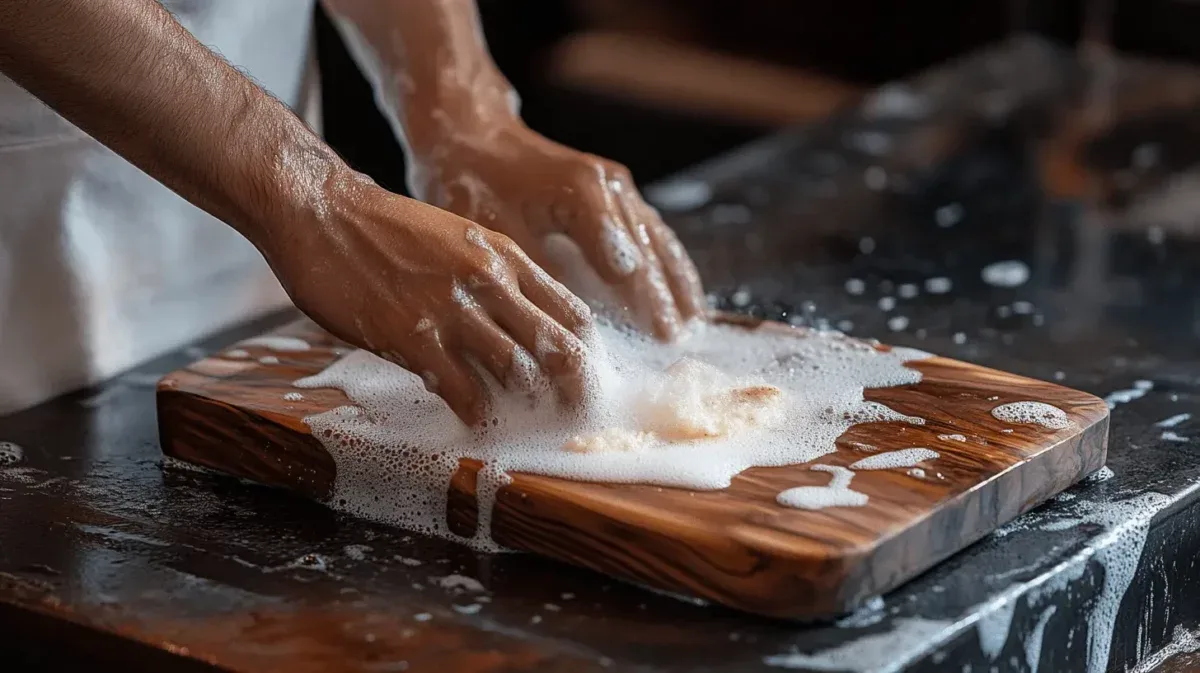
Image source: Bing (Web (fair-use with source credit))
Caring for your wooden cutting board is more than just a quick wash; it's about preserving a vital kitchen tool. Learning how to clean a wooden cutting board properly ensures it stays hygienic, beautiful, and ready for countless meals. Neglecting its care can lead to dull knives, unwanted bacteria, and a board that doesn't last.
Our research confirms that wood requires specific attention to prevent damage and maintain its integrity. Following a few key steps can make a world of difference, keeping your board in top condition for years to come. Let's dive into the best practices.
Quick Answer
Clean your wooden cutting board with hot, soapy water after each use. For tougher jobs, use lemon and salt or a baking soda paste. Always rinse thoroughly, wipe dry, and air dry completely.
Condition with food-grade mineral oil monthly or as needed to prevent drying and cracking.
The Everyday Clean: Keeping it Fresh After Every Use
This is your go-to method for maintaining your board after every single slice, dice, or chop. It’s straightforward and prevents minor issues from becoming bigger problems. The goal here is to remove surface debris and kill any immediate bacterial threats without over-wetting the wood.
Washing and Rinsing
After you've finished using your board, immediately scrape off any large food particles or crumbs with a bench scraper or a stiff brush. Then, wash the board using a soft sponge or cloth with hot water and a mild dish soap. Don't let the board soak in the sink; prolonged exposure to water can cause the wood to swell, warp, or crack over time.
Thoroughly rinse all soap residue from both sides of the board under running hot water.
Drying Properly
Drying is arguably one of the most critical steps in the everyday clean. As of 2026, manufacturer specifications consistently advise against air-drying flat on a counter. Instead, after rinsing, use a clean kitchen towel to wipe the board down, removing as much surface moisture as possible.
Then, stand the board up on its edge or prop it against something, allowing air to circulate freely around both surfaces. This prevents moisture from being trapped, which can lead to mold or mildew growth and warping.
Tackling Tough Stains and Lingering Odors
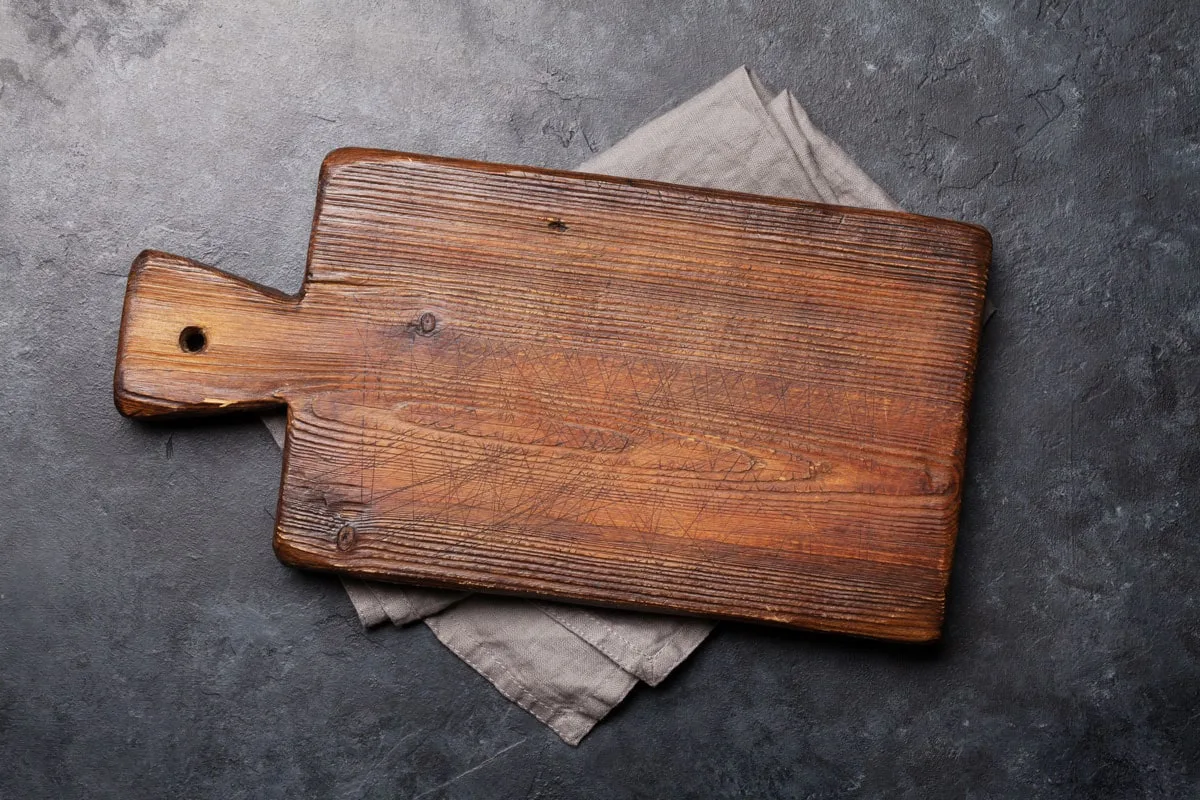
Sometimes, a simple wash isn't enough. You've chopped vibrant beets, pungent garlic, or maybe that board has absorbed a bit too much onion smell. Don't worry, your wooden cutting board can likely be rescued with a little help from common household items.
These methods focus on drawing out stains and neutralizing odors without damaging the wood's structure.
Natural Stain Removers (Lemon & Salt)
For stubborn stains and a fresh scent boost, a lemon and salt scrub is incredibly effective. The acidity of the lemon, combined with the abrasive nature of coarse salt (like kosher salt), works to lift discoloration and combat lingering odors. Sprinkle a generous amount of coarse salt over the entire surface of the dry board.
Then, take a halved lemon and use the cut side to scrub the salt into the wood, applying gentle pressure. Let this mixture sit for about 5, 10 minutes to work its magic, then scrape it off and rinse the board thoroughly.
Baking Soda for Tough Spots and Smells
Baking soda is a superstar for cleaning and deodorizing, and it's gentle enough for wood. To tackle tough spots or strong odors, create a paste by mixing baking soda with a small amount of water. Apply this paste directly to the stained or smelly areas of the board.
Let it sit for approximately 10, 15 minutes to absorb the stain or neutralize the odor. Afterward, scrub gently with a brush or sponge, rinse well, and proceed with the drying steps.
Vinegar for Odor Neutralization
White vinegar is a potent yet safe option for eliminating persistent smells, especially those from strong ingredients like garlic or onions. You can apply undiluted white vinegar directly to the board using a cloth or spray bottle. Let it sit for a few minutes to break down odor-causing molecules, then wipe it clean with a damp cloth.
For a milder approach, you can dilute the vinegar with an equal amount of water in a spray bottle. This helps refresh the board without leaving an overpowering vinegar scent.
Conditioning: The Secret to a Long-Lasting Board
Think of conditioning your wooden cutting board as giving it a much-needed drink of water. Wood is a natural material that can dry out, especially with repeated washing. When wood dries, it becomes more susceptible to cracking, splintering, and absorbing liquids and odors.
Regular conditioning keeps the wood supple, creates a protective barrier, and significantly extends the life of your board.
Why Oiling is Crucial
Oiling your wooden cutting board is essential for several reasons. Firstly, it prevents the wood from drying out, which is the main culprit behind warping and cracking. Dry wood becomes brittle.
Secondly, the oil creates a seal on the surface of the wood. This seal makes it harder for liquids, bacteria, and odors to penetrate the board, keeping it more hygienic and easier to clean over time. It also helps maintain that beautiful, rich look of the wood.
Best Oils to Use (and What to Avoid)
When it comes to conditioning agents, not all oils are created equal for cutting boards. The best choice is generally a food-grade mineral oil, which is readily available and safe for contact with food. Another excellent option is a specialized cutting board conditioner, often a blend of mineral oil and beeswax, which can offer a slightly more durable finish.
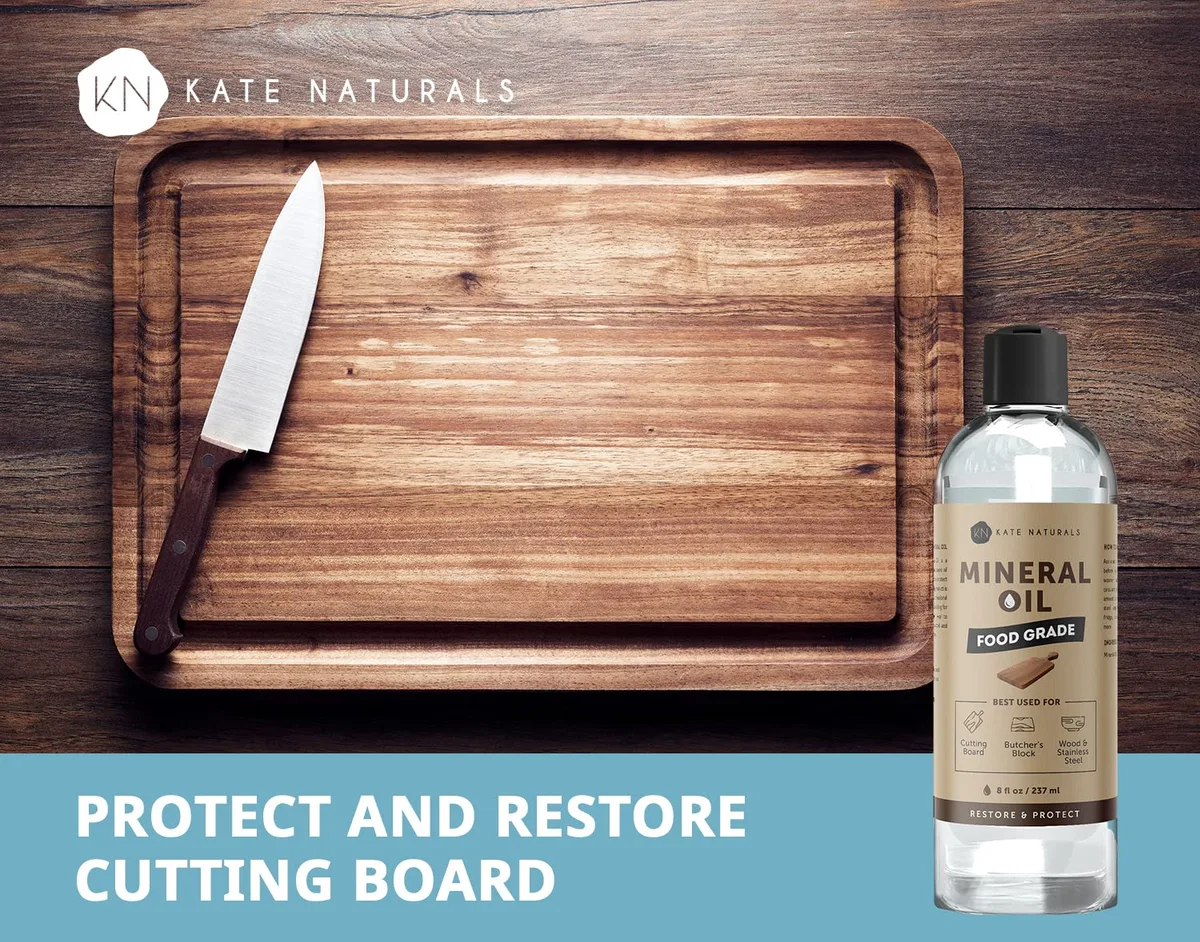
It's crucial to avoid common kitchen oils like olive oil, vegetable oil, or canola oil. These oils can go rancid over time, leaving your cutting board with an unpleasant, stale smell and potentially sticky residue. For safety and longevity, stick to mineral oil or specialized conditioners.
How to Oil Your Board
Oiling your board is a simple process. Ensure the board is completely clean and dry before you begin. Apply a generous amount of your chosen food-grade mineral oil directly onto the surface of the board using a clean, lint-free cloth or paper towel.
Rub the oil in, making sure to coat all surfaces, including the edges and ends. Let the board sit for at least a few hours, or preferably overnight, to allow the oil to fully penetrate the wood. After the soaking period, wipe off any excess oil with a clean cloth.
Common Mistakes That Ruin Wooden Boards
Even with the best intentions, some common practices can inadvertently damage your wooden cutting board, shortening its lifespan and compromising its hygiene. Understanding these pitfalls is just as important as knowing the correct cleaning methods. Avoiding these mistakes will help ensure your board remains a reliable kitchen companion.
What NOT to Do (Dishwasher, Soaking, Harsh Chemicals)
The absolute number one mistake is putting your wooden cutting board in the dishwasher. The combination of high heat, harsh detergents, and prolonged exposure to water will almost certainly cause the wood to warp, crack, and split. Secondly, avoid letting the board soak in standing water.
Whether in a sink full of dishes or left wet for too long, excess moisture is wood's enemy. Finally, steer clear of harsh chemical cleaners like bleach. While they might seem like they'll sanitize, they can strip the wood of its natural oils, damage its fibers, and leave behind residues that aren't food-safe.
If you need serious sanitizing power, focus on thorough washing and proper drying first.
When to Use Separate Boards: A Hygiene Best Practice
Cross-contamination is a serious concern in the kitchen, and separate cutting boards are one of the simplest yet most effective ways to prevent it. Our research highlights that raw meats, poultry, and fish can harbor bacteria like Salmonella and E. coli. If you use the same board for these raw items and then for ready-to-eat foods like vegetables or bread without thorough sanitization, you risk spreading these harmful pathogens.
For optimal food safety, it’s best practice to designate at least two boards: one exclusively for raw animal products and another for produce, bread, and other non-meat items. This simple division drastically reduces the chance of transferring harmful bacteria from raw ingredients to cooked or edible ones.
FAQs About Wooden Cutting Board Care
How often should I oil my wooden cutting board?
You should oil your wooden cutting board about once a month, or whenever it starts to look dry and dull. Heavy use might require more frequent oiling.
Can I use olive oil to condition my cutting board?
No, it’s best to avoid cooking oils like olive oil, vegetable oil, or canola oil, as they can go rancid over time and leave an unpleasant smell. Stick to food-grade mineral oil or a beeswax-based conditioner.
What should I do if my wooden cutting board gets deep knife marks?
Deep knife marks can harbor bacteria. While you can try sanding them down lightly with fine-grit sandpaper, very deep cuts might mean it's time to consider replacing the board.
How can I tell if my wooden cutting board is too far gone?
If your board is excessively warped, deeply cracked, splintering badly, or permanently smells bad despite cleaning and conditioning, it’s likely time for a new one. Safety and hygiene are paramount.
Is it okay to use my wooden cutting board for both meat and vegetables?
While you can do this, it’s strongly recommended to use separate boards. If you must use one board, thoroughly wash and sanitize it with hot, soapy water immediately after cutting raw meat before using it for vegetables.