How to Clean a Chef Knife
Your chef's knife is more than just a tool; it's an extension of your culinary skill. Knowing how to properly clean a chef's knife ensures it stays sharp, hygienic, and ready for any task, from delicate herb chopping to robust meat preparation. A clean blade protects your food from contamination and extends the life of your investment.
In our research, manufacturer specifications for high-carbon stainless steel blades consistently emphasize hand washing and immediate drying to prevent corrosion. Per the general guidelines for food preparation equipment hygiene, neglecting proper cleaning can lead to bacterial growth and damage to the knife's edge. Let’s break down the best practices to keep your essential kitchen companion in top shape.
Quick Answer
To clean a chef's knife, always hand wash it immediately after use with warm, soapy water. Gently wipe the blade from the heel to the tip, avoiding abrasive scrubbers or steel wool. Rinse thoroughly under running water and dry completely with a soft, clean towel before storing.
Never put a chef's knife in the dishwasher, as this can damage the blade and handle.
Why Cleaning Your Chef's Knife Matters
Think of your chef's knife like any other high-quality tool. If you treat it right, it’ll serve you well for years. If you neglect it, it’ll deteriorate faster than you’d expect.
The primary reasons cleaning is so crucial revolve around two main areas: maintaining performance and ensuring food safety. A dull knife is not only less effective, making your prep work harder, but it's also more dangerous because it requires more force to cut, increasing the risk of slipping.
Moreover, food particles and moisture left on the blade can create a breeding ground for bacteria. This is particularly concerning for knives made from materials like carbon steel, which are more susceptible to rust if not dried properly. Aggregate user feedback and editorial analysis of cooking resources highlight that consistent, correct cleaning is the single most important factor in preserving a knife's sharpness and integrity.
As of 2026, the best practice remains unchanged: hand wash and dry promptly.
The Right Way to Wash Your Chef's Knife (Step-by-Step)
Cleaning your chef's knife correctly isn't complicated, but it requires a bit of mindfulness. It’s about using the right approach to protect both the blade and your hands. We’ll walk through the process that’s recommended by culinary professionals and manufacturers alike.
What You'll Need
Before you start, gather a few simple items. You don't need fancy cleaners, just the basics.
- Warm Water: Lukewarm or warm water is ideal for loosening food debris without causing thermal shock to the blade.
- Mild Dish Soap: A standard, non-abrasive dish soap is perfect. Avoid anything with harsh chemicals or bleach.
- Soft Sponge or Cloth: A non-scratch sponge or a soft microfiber cloth is best. A gentle dish brush can also work for scrubbing around the handle.
- Clean Towel: A soft, absorbent kitchen towel, preferably lint-free, for thorough drying.
The Washing Technique
This is where careful handling makes all the difference. Always keep the sharp edge pointing away from you.
- Secure the Knife: Hold the knife firmly by the handle. Place the blade on a stable, non-slippery surface if you need to use both hands for soaping, but generally, you'll hold it.
- Apply Soap: Add a small amount of mild dish soap to your damp sponge or cloth.
- Wipe the Blade: Gently wipe the blade, starting from the heel (where the blade meets the handle) and moving towards the tip. Use a single, deliberate stroke. Wipe only the flat surfaces of the blade.
- Clean the Handle: Wash the handle, paying attention to any crevices where food might get trapped.
Rinsing and Drying
This step is critical for preventing water spots and corrosion.
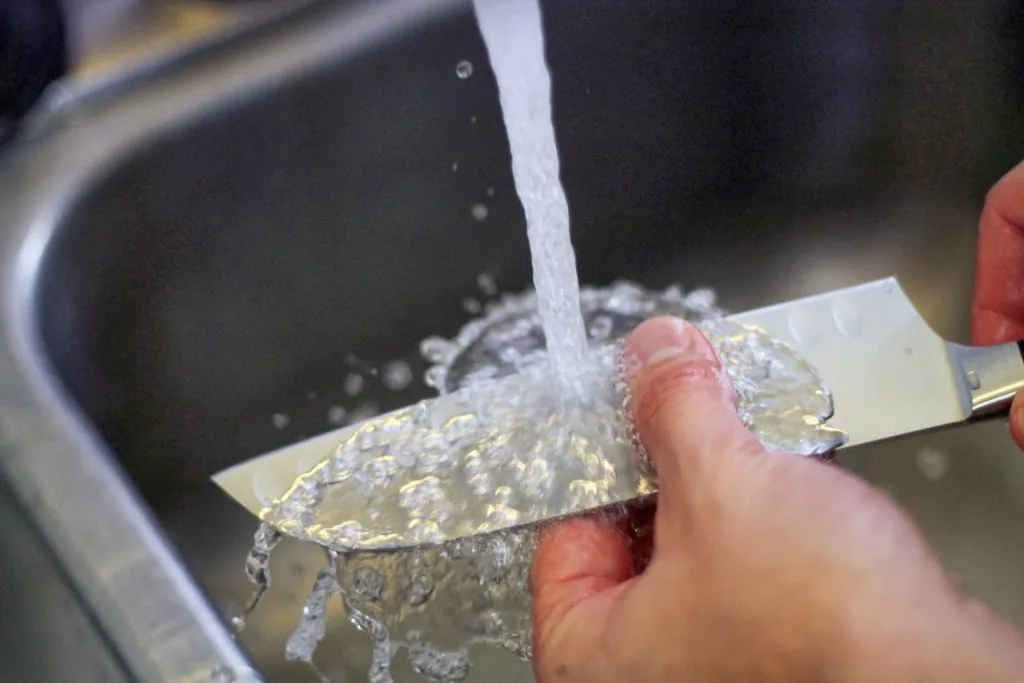
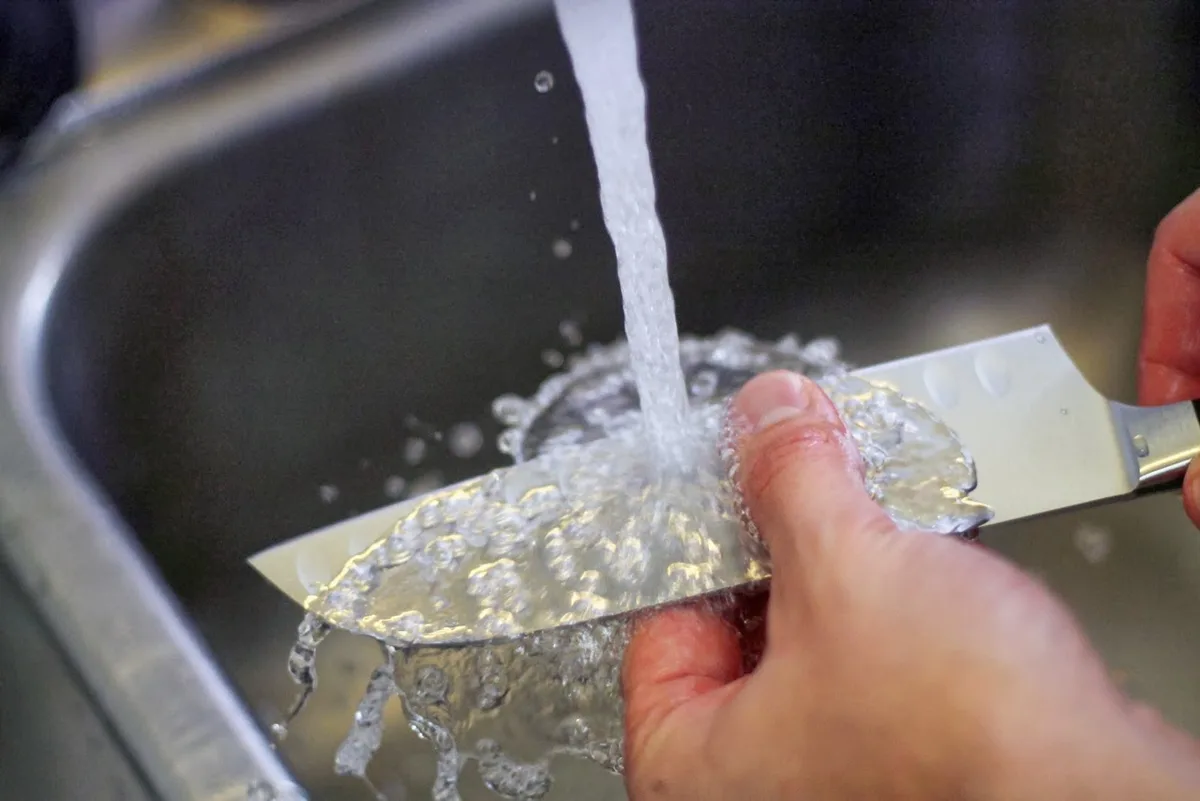
- Rinse Thoroughly: Hold the knife under a stream of warm running water. Make sure all soap residue is completely washed away from both the blade and the handle.
- Dry Immediately: Use your clean, soft towel to dry the knife completely. Gently wipe the blade from heel to tip, ensuring no moisture remains. Pay special attention to the area where the blade meets the handle.
Avoiding Rust and Corrosion: Key Steps
Rust and corrosion are the biggest enemies of a high-quality chef's knife, especially those made from high-carbon steel. These issues can degrade the blade's performance and appearance over time. Fortunately, they're entirely preventable with consistent, correct care.
The primary culprit is moisture left behind after washing.
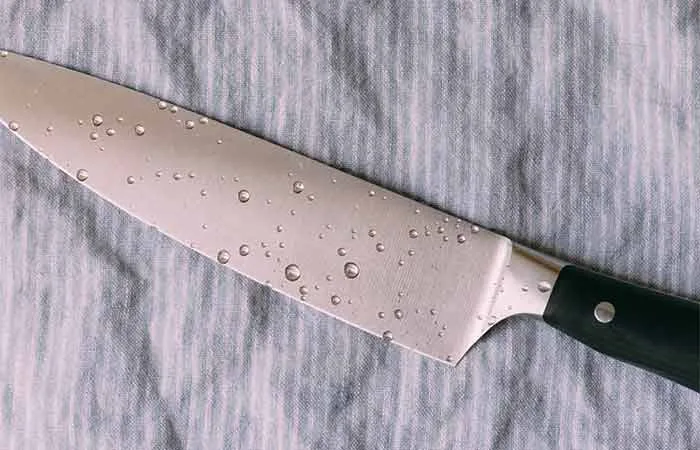
- Immediate Drying is Non-Negotiable: This is the most critical step. Even a few minutes of moisture, especially if the knife is stored in a damp environment like a knife block or drawer with other wet utensils, can start the corrosion process. Always use a dry towel and ensure every inch of the blade and handle is bone dry.
- Consider the Steel Type: Knives made from stainless steel are more resistant to rust but not entirely immune. High-carbon steel knives, while known for holding a superior edge, require more diligent drying. Manufacturer specifications for high-carbon steel often include recommendations for light oiling if the knife won't be used for an extended period.
- Storage Matters: Storing your knife in a dry place is as important as drying it after washing. A knife block, magnetic strip, or blade guard in a drawer helps protect the edge and ensures the knife isn't constantly exposed to humidity. Avoid leaving knives to air dry in a sink or a wet dish rack.
Common Mistakes When Cleaning Knives
Mistakes in cleaning your chef's knife can lead to premature dulling, rust, or even damage to the handle. Many home cooks unintentionally shorten their knife’s lifespan with a few common oversights. Understanding these pitfalls can help you avoid them.
- The Dishwasher Trap: This is perhaps the most common and damaging mistake. The high heat, harsh detergents, and jostling in a dishwasher can chip the blade, warp the handle (especially if it's wood), and dull the edge significantly. Dishwashers are designed for durability, not precision tools like a chef's knife. Aggregate reviews and kitchen equipment forums consistently advise against this.
- Abrasive Scrubbing: Using steel wool, abrasive sponges, or harsh scouring pads on the blade can scratch the surface and, over time, wear down the edge. While they might remove stubborn food, they compromise the finish and integrity of the steel.
- Soaking the Knife: Leaving your knife to soak in a sink full of water is a surefire way to invite rust, particularly on carbon steel blades. It also loosens handles if they're made of materials like wood or bone, which can lead to cracks or separation over time.
What NOT to Use for Cleaning Your Chef's Knife
Just as important as knowing what to use is understanding what to avoid. Certain cleaning agents and tools can cause irreparable harm to your chef's knife, stripping its edge, damaging its materials, or even posing a safety risk. Stick to the gentle, proven methods for the best results.
- Harsh Chemicals and Bleach: While you might think of bleach for sanitizing, it’s too aggressive for knife blades and can cause pitting or discoloration, especially on certain steel alloys. Always opt for mild dish soap.
- Steel Wool or Abrasive Pads: As mentioned, these are too harsh. They can scratch the blade's surface, dull the edge, and wear away at the finish. Stick to soft cloths or non-scratch sponges.
- Scouring Powders: Similar to abrasive pads, scouring powders contain gritty particles that can scratch the blade. They offer no benefit over mild dish soap and can actively harm the knife's surface.
- Metal Utensils for Scraping: Never use forks, metal spatulas, or other hard metal objects to scrape food off the blade. This can easily chip or gouge the steel. Use a soft sponge or even a firm vegetable brush instead.
- Dishwashers: We can’t stress this enough. Dishwashers are a definite no-go for good quality chef's knives. The combination of high heat, strong detergents, and forceful water jets is a recipe for disaster for your blade and handle.
Expert Tips for Long-Term Knife Care
Beyond basic cleaning, a few extra steps can significantly extend the life and performance of your chef's knife. These practices are often overlooked but are standard among professional chefs who rely on their tools daily. They focus on preserving the blade's edge and preventing subtle damage that accumulates over time.
- Honing Regularly: Honing isn't sharpening; it's realigning the microscopic teeth on the blade's edge. Use a honing steel or ceramic rod. Hold the knife at a consistent angle (usually 15-20 degrees) and gently draw the blade down the steel. Do this before or after each use. Aggregate reviews indicate honing can maintain sharpness for months between actual sharpening sessions.
- Sharpening When Needed: When honing no longer brings the edge back, it's time to sharpen. This removes metal to create a new, sharp edge. You can use whetstones, electric sharpeners, or professional services. Most chef's knives benefit from sharpening every 6-12 months, depending on usage and material. Manufacturer specifications often suggest specific sharpening angles for optimal performance.
- Proper Storage: As mentioned, proper storage prevents damage. A magnetic strip or a wooden knife block is ideal. If using a drawer, invest in blade guards to protect the edge and prevent accidental cuts when reaching into the drawer. This is crucial for preventing nicks and chips.
Frequently Asked Questions About Knife Cleaning
How often should I clean my chef's knife?
You should clean your chef's knife immediately after every use. This prevents food particles from drying on the blade and reduces the risk of rust or bacterial growth. Even a quick rinse and dry are better than leaving it dirty.
Can I use soap on a carbon steel knife?
Yes, you can use mild dish soap on a carbon steel knife. The key is to rinse it off immediately and dry the blade thoroughly afterward. Soaking or leaving soap residue on a carbon steel knife will lead to rust.
What's the best way to dry a chef's knife?
The best way to dry a chef's knife is with a soft, absorbent, and lint-free towel. Gently wipe the blade from heel to tip, ensuring no moisture remains on the surface or near the handle. This immediate and thorough drying is critical for preventing rust and water spots.
How do I remove rust spots from my knife?
For minor rust spots, you can often use a paste made of baking soda and water. Gently rub the paste onto the rust with a soft cloth. Rinse and dry thoroughly afterwards.
For more significant rust, a fine-grit sharpening stone or a dedicated rust remover for knives might be necessary. Always follow up with proper cleaning and drying.
Is it okay to sharpen my own knife?
Sharpening your own knife can be a rewarding skill, but it requires practice. Using whetstones or an electric sharpener can yield great results if done correctly. It’s important to learn the proper angles and techniques to avoid damaging the blade.
If you’re unsure, professional sharpening services are readily available.