Pressure Cooker vs Slow Cooker
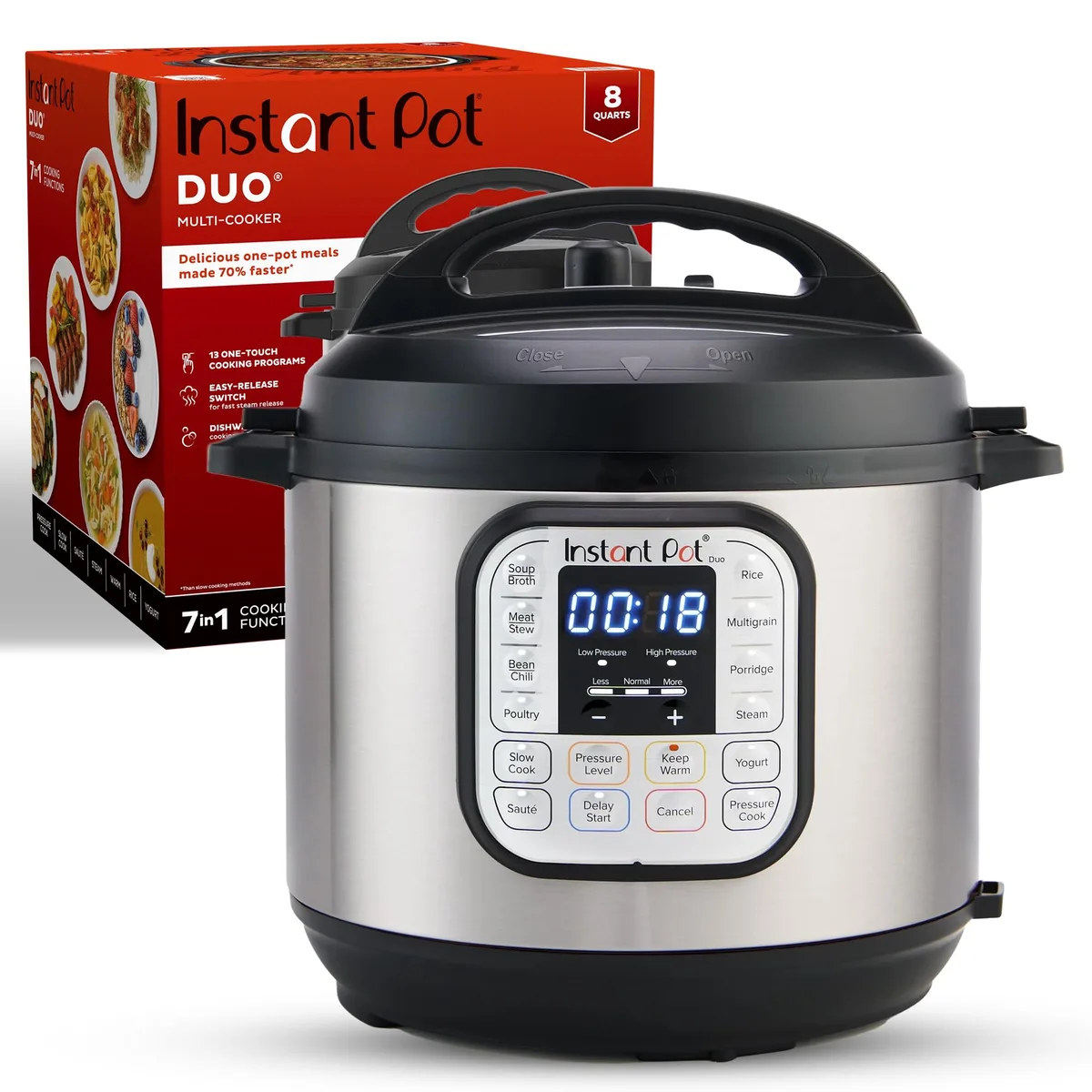
Image source: Bing (Web (fair-use with source credit))
Deciding between a pressure cooker and a slow cooker often comes down to a simple question: do you need dinner now, or can you afford to wait for maximum flavor? These two countertop appliances promise convenience, but they achieve it through completely different cooking methods and timelines. Our research shows that understanding their core functions is key to picking the right one for your kitchen.
While both are lauded for making meal prep easier, they excel in different areas. A pressure cooker, for instance, can cook dried beans from scratch in under an hour, a feat that would take a slow cooker much longer, or require overnight soaking. Manufacturer specifications indicate a pressure cooker typically operates at internal pressures around 10-15 psi above atmospheric pressure, significantly raising the boiling point of water.
This is where we'll start exploring their unique strengths.
Quick Answer
A pressure cooker cooks food rapidly using steam pressure, while a slow cooker uses low heat over many hours. Choose a pressure cooker for speed and tenderizing tough cuts fast. Opt for a slow cooker for set-it-and-forget-it convenience and deep flavor melding.
How They Work: The Science of Speedy Steam vs. Gentle Heat
Pressure Cooker: The Science of Speed
A pressure cooker is all about harnessing the power of steam. When you seal the lid and heat the pot, water inside turns to steam. Because the pot is sealed, this steam can't escape, causing pressure to build up.
This increased pressure actually raises the boiling point of water from 212°F (100°C) to around 240-250°F (115-121°C). Food cooked at these higher temperatures cooks much, much faster. Think about it: searingly fast cooking means less time for nutrients and flavors to escape, leading to intensely flavored dishes.
Slow Cooker: The Art of Patient Cooking
In contrast, a slow cooker operates on the principle of patience. It uses a low, consistent heat source, usually around 170-280°F (77-138°C), to gently cook food over several hours. There's no building of steam pressure; instead, it's a long, slow simmer.
This prolonged exposure to gentle heat is fantastic for breaking down tough connective tissues in meats and allowing flavors to meld together beautifully. It's the "set it and forget it" approach, perfect for days when you want a delicious meal ready when you walk in the door with minimal effort.
Key Features & What to Look For
Pressure Cooker Features
When you're looking at pressure cookers, you'll see a few key things. Most electric models come with a stainless steel inner pot that's durable and easy to clean. The lids are designed to lock securely, often with a pressure-release valve that you can manually control or that will automatically vent.
Some modern electric pressure cookers, often marketed as multi-cookers, offer a sauté function, allowing you to brown meats or soften aromatics directly in the pot before pressure cooking. This reduces the need for extra pans. As of 2026, many new models also incorporate programmable settings for specific foods like rice, beans, or poultry.
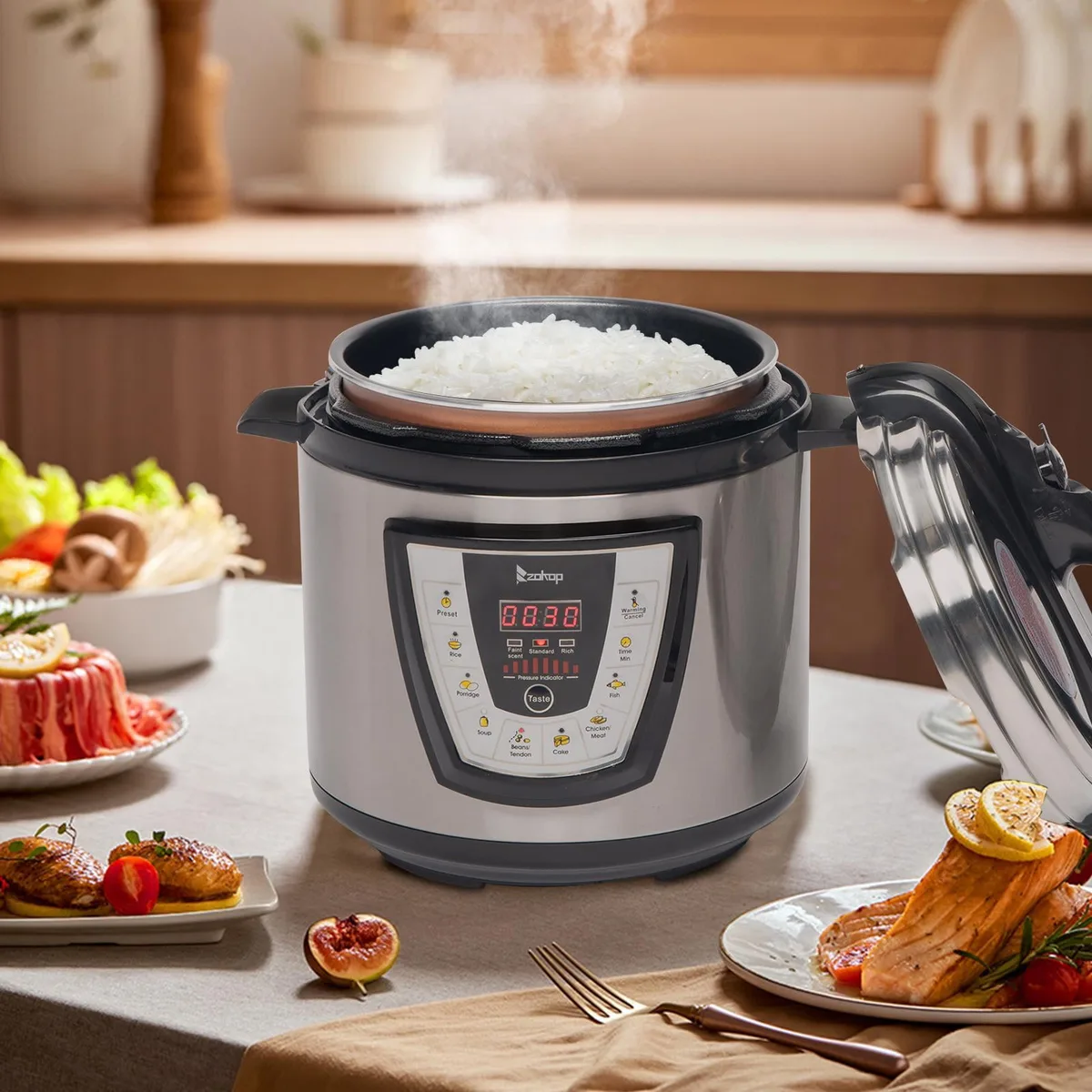
Image source: Bing (Web (fair-use with source credit))
Slow Cooker Features
Slow cookers typically feature a ceramic or porcelain inner pot, which is known for its even heating. The outer casing houses the heating element. Lids are usually made of glass, so you can peek at your food without releasing heat, though some models have locking lids for transport.
You'll find simple dial controls with low, high, and sometimes warm settings. Some higher-end models include programmable timers that automatically switch to the 'warm' setting after a set cooking time, offering more control. You can find a wide range from small 1.5-quart units perfect for dips to large 7-quart models suitable for family meals.
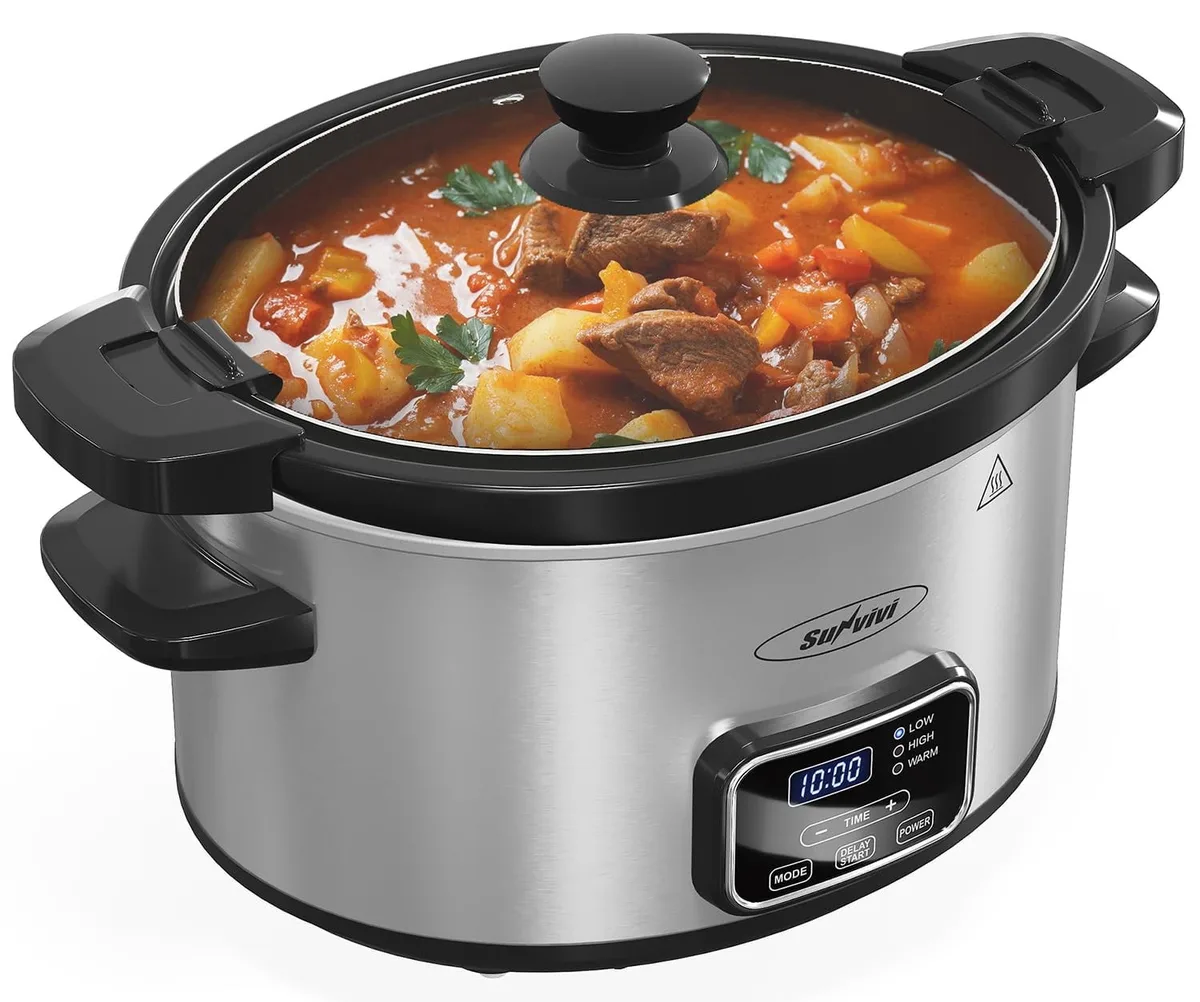
Image source: Bing (Web (fair-use with source credit))
Pros and Cons: Weighing the Trade-offs
Pressure Cooker: The Good and The Not-So-Good
The biggest win for a pressure cooker is its speed. You can achieve results that normally take hours in a fraction of the time. This is a lifesaver for busy weeknights.
It's also excellent at tenderizing even the toughest cuts of meat, making them incredibly succulent. Because it cooks so quickly, many nutrients and volatile aromas are trapped inside, leading to more flavorful dishes.
However, there's a learning curve. Understanding how to properly seal the lid, manage the pressure release, and time your cooking accurately takes some practice. You also can't check on your food mid-cook without releasing all that built-up pressure, which interrupts the process and can be a safety concern if not done correctly.
Slow Cooker: The Good and The Not-So-Good
Slow cookers offer unparalleled convenience. You can load it up in the morning and come home to a fully cooked meal, making them ideal for those who work long hours or have active schedules. The low, slow cooking method is perfect for developing deep, rich flavors and breaking down meats into fall-apart tenderness, especially for dishes like stews, chilis, and pulled pork.
Cleanup is usually straightforward, often just involving washing the inner pot.
The primary drawback is time. If you haven't prepped your meal ahead of time, it's not a spontaneous cooking solution. Some foods can also become overcooked or mushy if left in too long, and you miss out on any potential browning or crisping that you might get from other cooking methods.
When to Use Which: Finding Your Perfect Match
Pressure Cooker: Best For These Tasks
If speed is your top priority, a pressure cooker is your best friend. It excels at cooking dried beans from scratch in about 30-40 minutes, which is a huge time-saver compared to soaking overnight and then simmering for hours. Tougher cuts of meat, like a beef chuck roast or pork shoulder, become fork-tender in under an hour.
It's also fantastic for making stocks and broths quickly, achieving deep flavors in a fraction of the time. Many people use them for making things like risotto or even cheesecake faster than traditional methods. You can explore some top-rated brewers if you're also interested in multi-functionality.
Slow Cooker: Best For These Tasks
A slow cooker truly shines when you want to minimize your active cooking time and maximize flavor development. It's the undisputed champion for making large batches of soups, stews, and chilis where flavors have hours to meld and deepen. Preparing tender pulled pork or shredded chicken is a breeze, just toss it in and let it cook all day.
It's also great for baking things like bread puddings or cobblers, where a gentle, consistent heat is desired. If you're often short on time but still want comforting, home-cooked meals, a slow cooker is hard to beat.
Common Mistakes to Avoid
Pressure Cooker Pitfalls
One of the most common mistakes with pressure cookers is not reading the manual. Each model can have slightly different valve mechanisms or release procedures. Overfilling the pot is another big one; most recipes will specify a maximum fill line, usually around two-thirds full, to allow steam to build properly.
Forgetting to add enough liquid is also a frequent error, as the cooker relies on steam to build pressure, and insufficient liquid can lead to a burn warning or an incomplete cook. Lastly, rushing the pressure release can lead to hot liquid spraying out unexpectedly. Always follow the recommended release method, whether it's natural release or a controlled quick release.
Slow Cooker Slip-ups
With slow cookers, the biggest mistake is often underestimating the cooking time or not prepping ingredients correctly. Some recipes call for browning meats or sautéing aromatics beforehand to build flavor, and skipping this step can result in a less complex-tasting dish. Overfilling is also an issue; the slow cooker cooks best when it's about half to two-thirds full, allowing for even heat distribution.
Adding too much liquid can make your finished dish watery, as very little moisture evaporates. Conversely, not adding enough liquid can result in a dry meal. Finally, constantly lifting the lid to check on progress lets significant heat escape, prolonging cooking time and affecting results.
Pressure Cooker vs. Slow Cooker: At a Glance
Here's a quick table to help you see the core differences side-by-side.
| Feature | Pressure Cooker | Slow Cooker |
|---|---|---|
| Primary Benefit | Speed and efficiency | Convenience and flavor melding |
| Cooking Time | Minutes to an hour | 4-10+ hours |
| Best For | Beans, grains, tough meats (fast), stocks | Stews, roasts, chilis, braises, shredded meats |
| Texture Focus | Tenderizes rapidly, retains moisture | Very tender, fall-apart soft, can be mushy |
| Flavor Focus | Locks in, intensifies quickly | Develops deep, complex, melded flavors |
| Convenience | Faster results, but requires some attention | Set-and-forget, minimal supervision needed |
| Energy Use | Lower overall due to short cooking times | Higher overall due to long cooking times |
| Preparation | May require sautéing/browning first | Often "dump and go" |
Frequently Asked Questions
### How long does setup take for each appliance?
Setup for both is usually minimal. For an electric pressure cooker or slow cooker, it's typically just plugging it in and ensuring the inner pot is clean and in place. For stovetop pressure cookers, you'll place them on the appropriate burner.
There are no complex installations.
### Can I use a pressure cooker for the same recipes as a slow cooker?
You can, but the results will be very different. A pressure cooker will cook a stew recipe in a fraction of the time, and while it will be tender, it won't have the same depth of flavor that comes from hours of slow simmering. You'd also need to adjust liquid amounts significantly, as pressure cookers retain moisture much better.
### Do pressure cookers use a lot of electricity?
Electric pressure cookers use electricity, but their short cooking times mean their overall energy consumption is often lower than that of a slow cooker or a traditional oven used for extended periods. A typical 1000-watt pressure cooker might only run at full power for short bursts during its cooking cycle.
### Are slow cooker meals healthier?
Both appliances can be used to cook healthy meals. Slow cookers are excellent for lean meats and vegetables, and the gentle cooking can help retain nutrients. Pressure cookers also retain nutrients well due to the short cooking time and sealed environment.
Healthiness depends more on your ingredients and recipes than the appliance itself.
Your Decision Guide: Making the Final Choice
Deciding between a pressure cooker and a slow cooker really boils down to your cooking habits and what you value most in the kitchen. If you're constantly pressed for time, need meals on the table in under an hour, or love cooking dried beans and grains from scratch, an electric pressure cooker (often a multi-cooker) is likely your best bet. Its speed is unmatched for tough cuts of meat and achieving deeply infused flavors rapidly.
On the other hand, if you cherish the convenience of a "set it and forget it" approach, enjoy the rich, melded flavors of long-simmered stews and chilis, or frequently make shredded meats, a slow cooker is an invaluable tool. It allows for hands-off cooking that fills your home with wonderful aromas. Many kitchens benefit from having both appliances, as they truly excel at different types of cooking and cater to different needs throughout the week.



2 Comments