Pressure Cooker Not Building Pressure
That moment when dinner should be simmering but your pressure cooker is just… sitting there, refusing to pressurize, can be incredibly frustrating. You've followed the recipe, added the right ingredients, and now you're met with silence instead of that reassuring hiss. Don't worry, a pressure cooker not building pressure is a common hiccup, and usually, it's a fixable issue.
In our research, we've found that most pressure cooker problems stem from a few key areas, typically related to sealing, blockages, or simple user error. Understanding how your pressure cooker works, especially its core components like the sealing ring and vent valve, is key to diagnosing and resolving these issues swiftly. Manufacturer specifications often highlight these critical parts for safe operation.
Quick Answer
If your pressure cooker isn't building pressure, first check that the lid is fully locked and the sealing ring is properly seated. Ensure there's enough liquid inside, typically at least 1 cup for stovetop models, and that no food debris is blocking the vent pipe or pressure regulator. A damaged sealing ring or a dirty sealing surface on the pot can also prevent it from pressurizing.
Why Your Pressure Cooker Isn't Building Pressure
At its heart, a pressure cooker works by trapping steam. When you heat liquid inside the sealed pot, it turns to steam. This steam can't escape, so it builds up, increasing the internal pressure.
This higher pressure raises the boiling point of water, allowing food to cook much faster than in a regular pot. The entire system relies on a tight seal and a controlled release of that steam. When that doesn't happen, the cooker can't reach its operating pressure, which is often indicated by the rise of a pressure indicator or the jiggling of a weight-operated valve.
For example, many stovetop models are designed to operate efficiently around 10-15 PSI (pounds per square inch), and reaching this level requires a perfect seal and clear pathways.
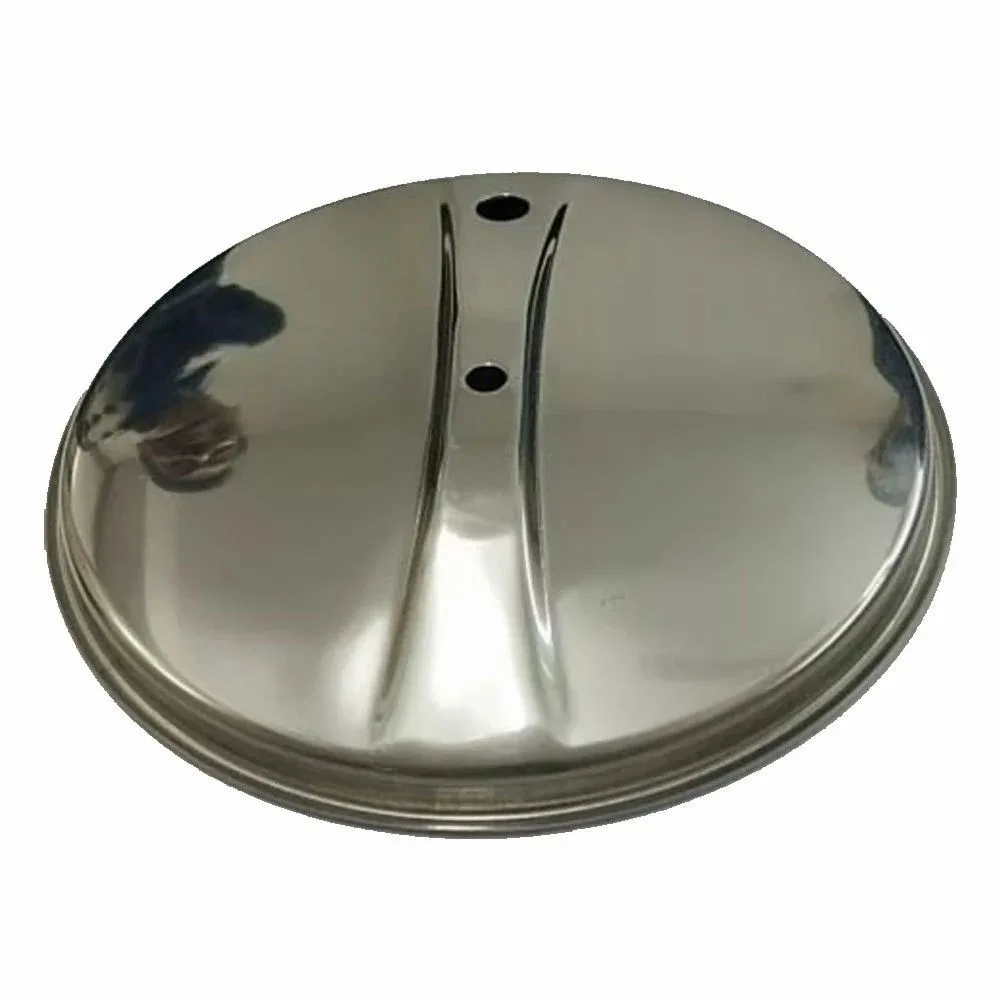
Image source: Bing (Web (fair-use with source credit))
Checking the Basics: Lid, Liquid, and Sealing Ring
Before you dive into more complex issues, let's cover the absolute fundamentals. These are the most frequent culprits when your pressure cooker stubbornly refuses to build any steam pressure. Think of these as your first line of defense in troubleshooting.
Is the Lid Locked Properly?
This sounds obvious, but it's amazing how often a lid isn't quite seated correctly. For a pressure cooker to build pressure, the lid needs to create an airtight seal with the pot. If it's even slightly ajar, steam will escape, preventing the necessary pressure from building.
- Check the alignment: Make sure the lid's locking mechanism aligns perfectly with the pot's. Most lids have specific notches or indicators for this.
- Listen for clicks: Many lids make a distinct "click" or feel a solid lock when properly secured. Give it a gentle tug to ensure it's firmly in place.
- Inspect the rim: Look for any dents or obstructions on the lid's sealing rim or the pot's rim that could be preventing a flush fit.
Do You Have Enough Liquid Inside?
Pressure cookers need liquid to generate steam. Without enough liquid, the cooker can't produce the steam needed to build pressure. This is especially true for stovetop models.
- Minimum liquid requirements: Stovetop pressure cookers typically require at least 1 to 2 cups of liquid, depending on the model. Always refer to your manufacturer's manual for the exact minimum.
- Evaporation: During the initial heating phase, some liquid will evaporate. If you're close to the minimum, you might find it's not enough once the cooker starts heating up.
- Consider the food: Very dry foods can absorb more liquid than expected. If you're cooking a lot of absorbent ingredients, you might need to add a little extra water or broth.
Inspecting the Sealing Ring (Gasket)
The sealing ring, or gasket, is a crucial rubber or silicone component that creates the airtight seal between the lid and the pot. If it's damaged, dirty, or not properly installed, steam will leak, and pressure won't build.
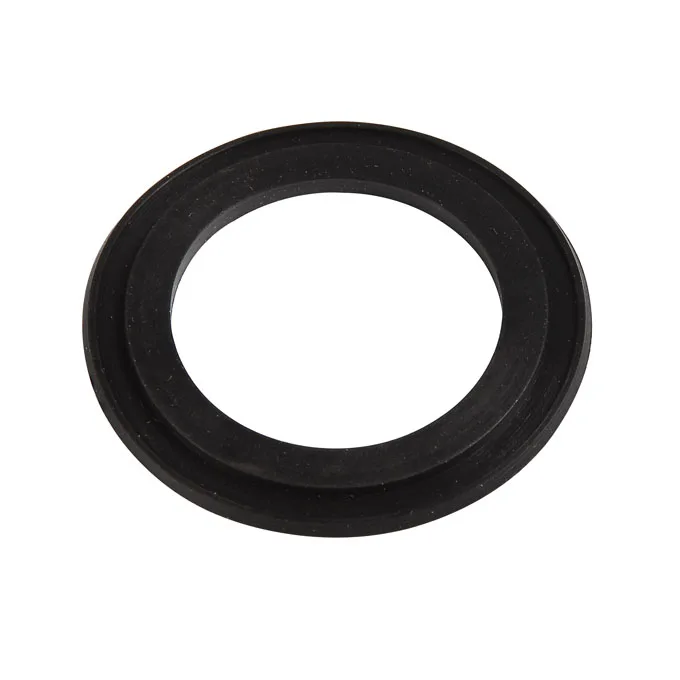
Image source: Bing (Web (fair-use with source credit))
- Check for damage: Look for cracks, tears, hardening, or any signs of wear and tear on the sealing ring. A worn-out gasket needs to be replaced.
- Ensure it's clean: Food particles or residue can create small gaps. Wash the ring thoroughly with soap and water and ensure it's completely dry before reinserting.
- Proper installation: The ring should sit snugly in its groove on the lid. Make sure it's not twisted, folded, or dislodged in any area. Sometimes, it can even fall out if the lid is inverted.
Investigating the Vent and Safety Valves
If the basics are all in order, the next step is to examine the parts designed to manage and release pressure. Blockages or issues with these components can prevent the cooker from operating correctly.
Clearing Blockages in the Vent Pipe
The vent pipe, often located on the lid, is where steam is released to build and regulate pressure. If this pipe or the associated regulator is clogged with food particles, it can prevent steam from escaping properly, or sometimes, prevent it from building pressure if the clog is partial.
- Location: This is usually a small hole or opening on the lid, sometimes connected to a valve or a weight.
- Cleaning method: Use a pipe cleaner, a stiff wire, or even a wooden skewer to gently probe and clear out any debris. Be careful not to damage the valve mechanism.
- Regular cleaning: Make it a habit to check and clean the vent pipe after every use, especially if you cook foods that tend to leave residue, like beans or starchy grains.
Understanding the Pressure Regulator/Weight
Many stovetop pressure cookers use a weight that sits on top of a vent pipe. As steam builds, it lifts this weight, allowing steam to escape in short bursts and maintain a specific pressure level. If this weight is missing, stuck, or improperly placed, the cooker won't regulate pressure correctly.
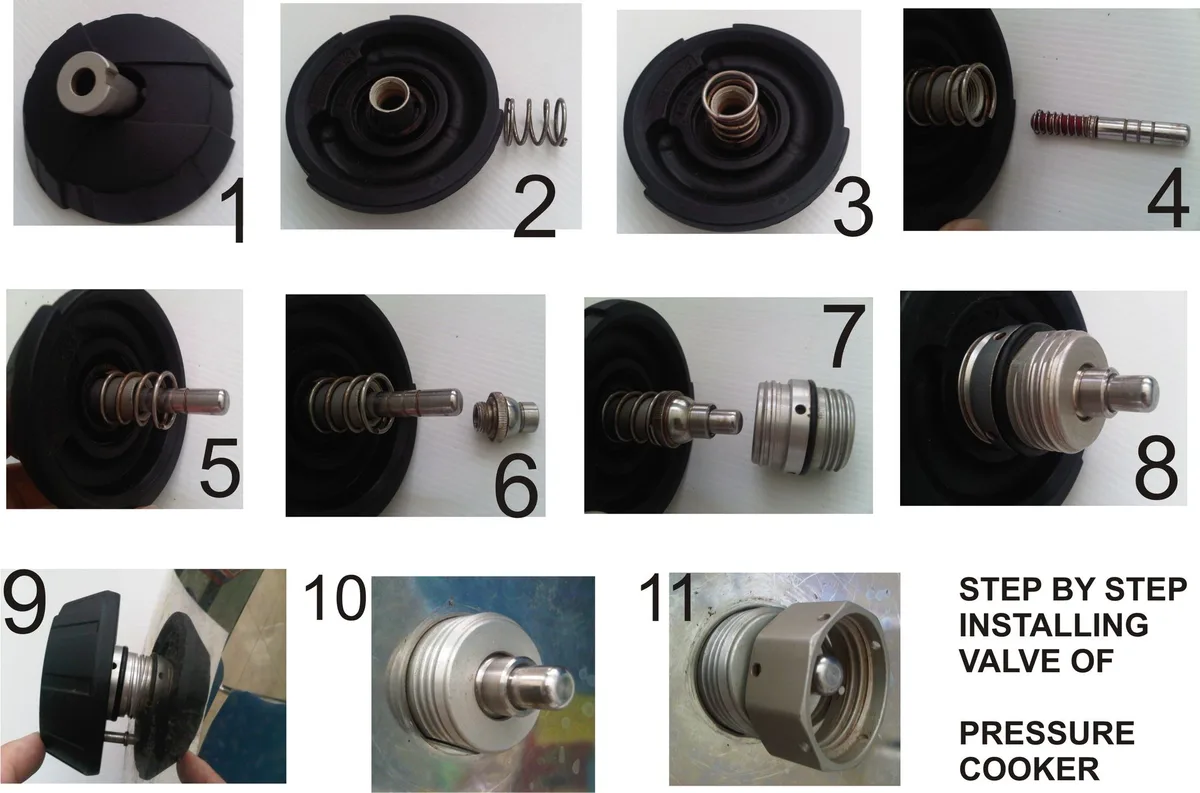
Image source: Bing (Web (fair-use with source credit))
- Weight stability: Ensure the pressure regulator (the weighted piece) is sitting correctly on its valve stem. It should be able to rock or pivot freely but stay on the stem.
- Stuck weight: Sometimes, the weight can get stuck due to dried-on food. Gently try to wiggle it free. If it's very stubborn, you may need to soak the lid in warm, soapy water.
- Electric vs. Stovetop: Electric pressure cookers usually have an internal mechanism or a spring-loaded valve instead of a simple weight, but the principle of a clear escape path remains the same.
Common Mistakes That Stop Pressure Build-Up
Beyond physical blockages or damage, certain user errors can prevent your pressure cooker from reaching the desired pressure. These are often subtle but can significantly impact performance.
Overfilling the Pot
Pressure cookers have a maximum fill line for a reason. If you fill the pot too full, especially with foods that expand (like grains or beans), there won't be enough headspace for steam to form and circulate effectively.
- Maximum fill line: Most pressure cookers have an indicator mark inside the pot. Never go above this line.
- Specific food guidelines: Some foods, like rice, pasta, or dried beans, absorb a lot of liquid and expand significantly. For these, you often need to fill them to a lower level than other ingredients. Manufacturer manuals provide specific guidance for different food types.
- Steam space: The empty space above the liquid is crucial. It's where the steam collects and builds pressure. If this space is too small, pressure can't build.
Damaged or Dirty Sealing Surfaces
We discussed the sealing ring, but the surface it seals against on both the lid and the pot is just as important. Dents, rust, or even dried-on food residue on these surfaces can create tiny leaks that prevent pressure buildup.
- Inspect pot rim: Run your finger along the inside rim of the pot. Feel for any nicks, dents, or rough spots.
- Clean lid rim: Similarly, check the rim of the lid where the sealing ring makes contact.
- Deep cleaning: For stubborn residue, a non-abrasive cleaner and a soft cloth can help. Ensure both surfaces are completely dry before assembling.
Using the Wrong Type of Liquid
While most liquids will produce steam, some can cause issues that affect pressure buildup or cooker performance. Using the wrong type might also lead to a pressure cooker not building pressure as efficiently.
- Water or broth: Plain water or broth are ideal as they are thin and produce steam readily.
- Avoid thick liquids: Very thick sauces or purees may not generate steam as efficiently. You might need to dilute them with water or broth.
- Carbonated beverages: These are generally not recommended as the carbonation can interfere with the pressure regulation.
What to Do When Pressure Still Won't Build
If you've gone through the basic checks and common mistakes and your pressure cooker is still giving you trouble, it might be time to consider the type of cooker you have or external factors like your location.
Trying a Stovetop Cooker vs. Electric
The troubleshooting steps can sometimes vary slightly between stovetop and electric pressure cookers. Understanding these differences can help pinpoint the issue.
- Stovetop models: These rely directly on your stove's heat. If the burner isn't providing consistent or sufficient heat, pressure won't build. Ensure your stovetop is functioning correctly and set to the appropriate heat level (usually medium to medium-high to start).
- Electric models: These have their own heating elements and controls. If the unit isn't heating up at all, it could be an electrical issue or a faulty component within the cooker itself. Refer to your electric pressure cooker's manual for specific troubleshooting related to its internal heating system. Some electric models, like many 7 Best Programmable Rice Cooker variants, have intricate electronic controls that might need resetting or a deeper diagnostic.
High-Altitude Cooking Adjustments
If you live at a higher elevation, this can directly impact how your pressure cooker functions. Atmospheric pressure is lower at higher altitudes, which means your cooker has to work harder to reach the same internal pressure relative to the surroundings.
- Reduced cooking times: Recipes often need to be adjusted for high-altitude cooking. This means you might need to increase cooking times or pressure slightly.
- Consulting resources: For accurate adjustments, it's best to consult official high-altitude cooking charts or your pressure cooker's manufacturer, as some provide specific guidelines for elevations above 1,000 feet. For example, the National Center for Home Food Preservation (part of the USDA) provides extensive data on canning and pressure cooking adjustments for altitude.
When to Call It Quits (Or Call for Help)
Sometimes, despite your best efforts, a pressure cooker might have a deeper issue that's beyond simple troubleshooting. If you've exhausted the common fixes, it might be time to consider professional help or replacing the unit.
- Persistent leaks: If steam continues to leak significantly from the lid or sides after checking the gasket, lid, and sealing surfaces, it could indicate a warped pot or lid.
- Damaged components: If vital parts like the pressure regulator or safety valve are visibly broken or corroded and cannot be replaced, the cooker might be unsafe to use.
- Manufacturer support: Most manufacturers offer customer support or warranty services. If your cooker is still under warranty, reaching out to them is a good next step. They can often guide you through specific repairs or suggest replacements.
Frequently Asked Questions About Pressure Cooker Pressure
How long should it take for my pressure cooker to build pressure?
It typically takes between 5 to 20 minutes for a pressure cooker to build sufficient pressure, depending on the amount of liquid, the heat source (for stovetop models), and the size of the cooker. Electric models might take a bit longer due to their internal heating elements.
Can I use a pressure cooker if the lid is slightly loose?
No, a pressure cooker absolutely must have a tight, secure seal to build pressure. If the lid is even slightly loose, steam will escape, and it will not pressurize. This is a safety mechanism and a functional requirement.
My pressure cooker is hissing, but not building pressure. What's wrong?
A continuous hiss usually means steam is escaping from a point other than the designated vent. This could be due to a damaged sealing ring, a lid that isn't fully locked, or debris on the sealing surfaces. Ensure everything is clean and properly seated.
What is the role of the safety valve?
The safety valve acts as a backup to the primary pressure regulator. If the pressure builds too high and the main valve fails, the safety valve is designed to release excess steam, preventing a dangerous over-pressurization of the cooker. It's a critical safety feature.
Can I open the pressure cooker before all the pressure is released?
Never attempt to open a pressure cooker while it is still under pressure. This is extremely dangerous and can cause severe burns from escaping steam and hot liquids. Always wait for the pressure to fully release, either naturally or through a controlled quick-release method, as described in your manual.