Pressure Cooker Leaking
So, you're in the middle of cooking something delicious, and you notice steam escaping where it shouldn't be. A pressure cooker leaking can be a bit alarming, but don't panic! This is usually something we can sort out without too much fuss.
As someone who's tinkered with these things a bit, I can tell you that most leaks boil down to a few common culprits. We'll walk through this together, nice and easy.

Image source: Web (Bing) / ar.inspiredpencil.com (Web image (fair-use with source credit))
Quick Answer
A pressure cooker leaking typically means the sealing ring is dislodged, damaged, or dirty, or there isn't enough liquid inside. You might also have a clogged vent pipe or a lid that isn't locked correctly. Always ensure your cooker has sufficient liquid, typically at least one cup for stovetop models, as specified by manufacturer instructions, before troubleshooting.
Steam Escaping Around the Lid: What It Means and How to Fix It
This is usually the most straightforward issue to address. When steam finds its way out from the edge of the lid, it's often a simple fix, but it's critical to get it right for proper pressure building.
Not Enough Liquid?
Your pressure cooker needs liquid to generate steam, which is what builds the pressure inside. If you've skimped on the broth or water, the cooker can't create the necessary steam to form a solid seal.
- Quick Check: Did you add enough liquid as the recipe called for? Most stovetop models need at least a cup (approximately 240 ml) of liquid to function correctly, while electric models may have a minimum fill line indicated in their manuals. Operating with insufficient liquid can lead to the cooker failing to pressurize and potentially damage the cooker.
Sealing Ring Needs Attention
The rubber or silicone sealing ring is the unsung hero of your pressure cooker, creating an airtight seal between the lid and the pot. If it's not doing its job, leaks are inevitable.
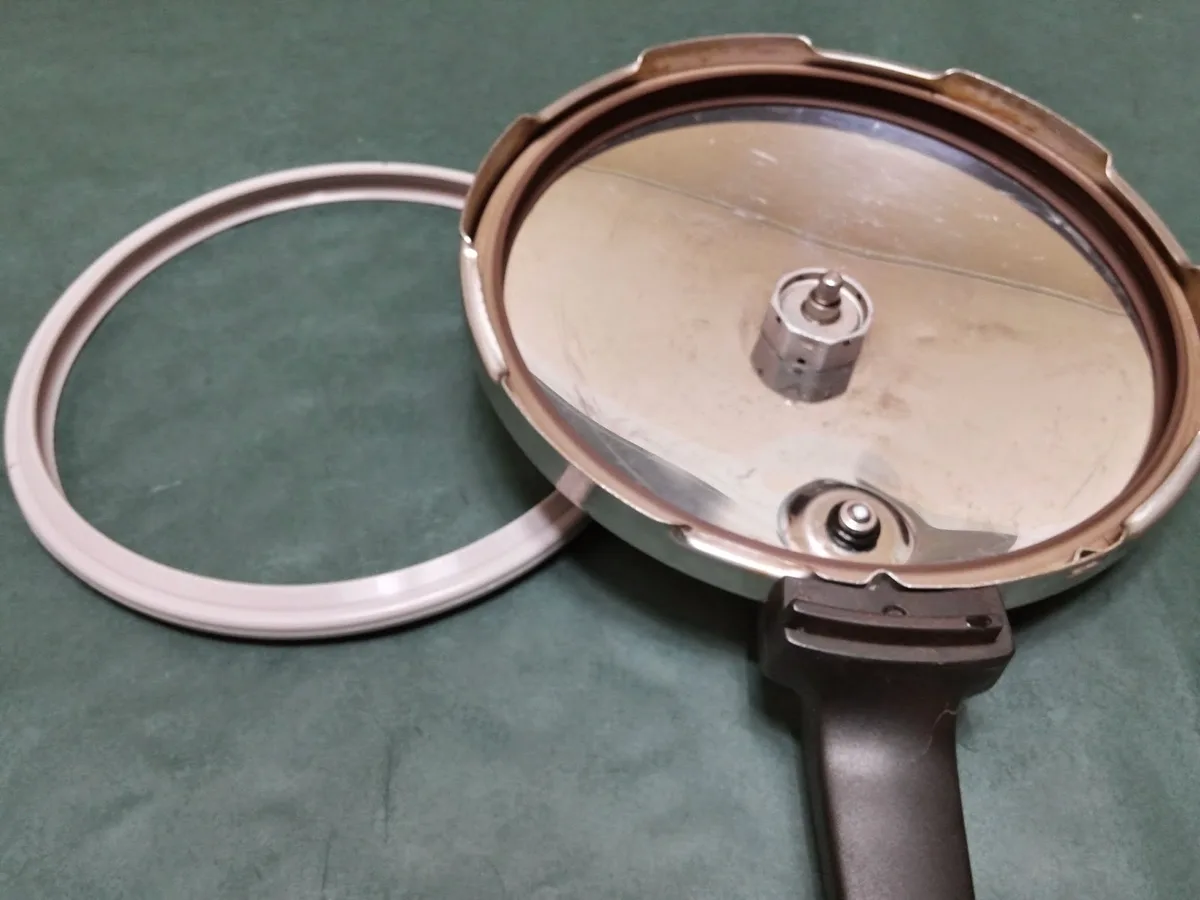
Image source: Bing (Web (fair-use with source credit))
- Is it in correctly? Sometimes, the ring just gets a little out of place during lid closure. Open the lid, carefully remove the sealing ring, and then reinsert it, ensuring it's seated evenly all the way around the lid's groove. A properly fitted ring should feel snug and secure.
- Is it old or damaged? Over time, sealing rings can become brittle, develop cracks, or lose their shape. If yours looks worn, thin, or has any visible damage, it's probably time for a replacement. Manufacturer specifications often suggest replacing the sealing ring every 1-2 years, depending on usage. You can usually find replacements specific to your cooker's brand and model, like those for best pressure cooker for canning.
- Is it clean? Food particles or grease can sometimes prevent a perfect seal. Give the sealing ring a good wash with warm, soapy water. Ensure it's completely dry before reinserting.
Lid Not Locked Properly?
It sounds basic, but sometimes the lid isn't fully secured, leading to immediate steam escape.
- How to Check: Always follow your specific cooker's instructions for locking the lid. You should feel or hear a distinct click or a solid, secure fit. If the lid still feels loose after trying to lock it, there might be an issue with the locking mechanism or the lid itself.
Leaks From the Side of the Pot: What to Look For
While less common than lid leaks, steam escaping from the sides of the pot can indicate a more serious issue that needs your attention.
Check for Damage
First, take a close look at the body of the pressure cooker itself.
- Inspect Thoroughly: Are there any visible dents, cracks, or holes in the metal? Physical damage to the pot can compromise its structural integrity, making it unsafe to use. If you find any significant damage, it's best to retire the cooker and look for a replacement. Safety is paramount when dealing with high-pressure appliances.
Loose Rivets or Handles
Some older stovetop pressure cooker models attach their handles with rivets. If one of these rivets is loose or has come away, it can create a tiny pathway for steam to escape.
- What to Do: Repairing loose rivets can be tricky and may require specialized tools or expertise. If the handles feel wobbly or the rivets are compromised, it’s often safer and more practical to consult the manufacturer's support or consider purchasing a new unit.
Steam From the Vent Pipe or Regulator: Normal vs. Problem
This is where things can get a little confusing because some steam release from the vent is entirely normal. Understanding the difference is key.
Is It Just Working Normally?
When a pressure cooker reaches its target pressure, it needs to release excess steam to maintain that pressure safely. This is typically a controlled release, often a gentle hiss or a steady, but not excessive, stream of steam from the vent pipe or the pressure regulator.
- When it's OK: If your cooker is actively heating up and you see steam from the vent, that's usually a sign it’s building pressure as designed. This is part of its normal operating cycle.
Clogged Vent Pipe or Regulator
If you're seeing a lot of steam, or a very loud, uncontrolled hiss, before the cooker has reached its cooking pressure, that's a red flag. This often means the vent pipe or the pressure regulator is blocked.
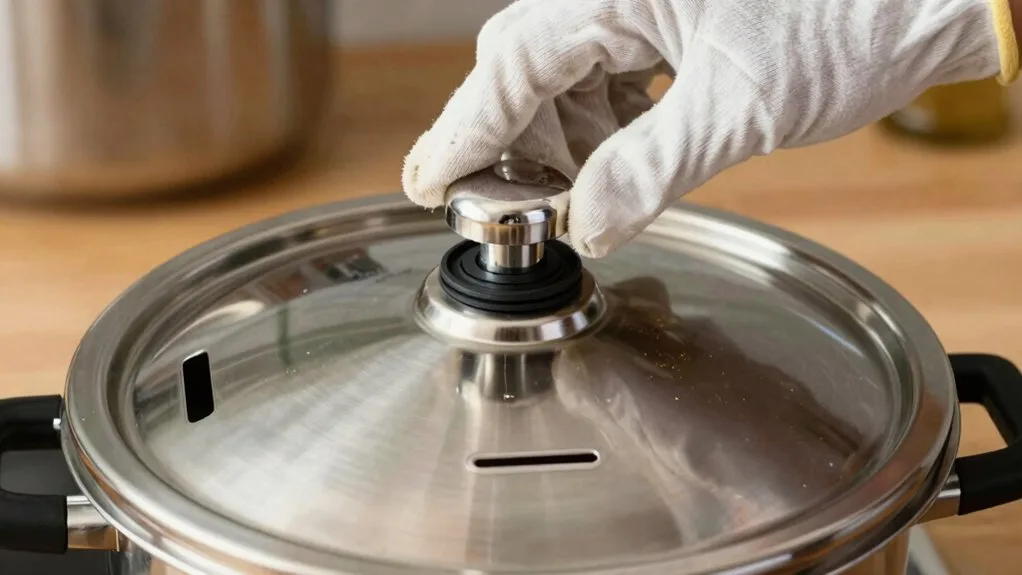
Image source: Bing (Web (fair-use with source credit))
- What to do: Crucially, ensure the cooker has completely depressurized and cooled down before you attempt any cleaning. Then, carefully remove the vent pipe or pressure regulator following your specific model's manual. Use a small brush, a toothpick, or a pipe cleaner to thoroughly remove any food debris or blockages from the opening. Rinse it well and reassemble everything securely. Blockages can prevent proper pressure buildup and lead to premature steam release, which is a common issue for users of best programmable rice cooker models that also offer pressure cooking.
Worn Out Regulator
Just like the sealing ring, the pressure regulator can wear out over time. If cleaning the vent doesn't resolve an issue of excessive steam release before full pressure is reached, the regulator itself might be faulty.
- Replacement Might Be Needed: A worn regulator might not be able to hold pressure effectively, causing it to vent too much steam. In such cases, the regulator may need to be replaced. Consult your appliance manual for guidance on whether this is a user-replaceable part.
When It's Time to Replace Your Pressure Cooker
While many leaks are fixable with simple maintenance, there are times when safety dictates replacement. Recognizing these signs is vital.
- Structural Damage: Any visible cracks, deep dents, or warping in the main pot or lid means the cooker's integrity is compromised. These are usually irreparable and present a serious safety hazard.
- Persistent Leaks: If you've meticulously followed troubleshooting steps, replaced the sealing ring, cleaned all components, and the cooker still leaks significantly during operation, it might be time for a new one.
- Lid Seal Issues: If the lid no longer closes securely or the locking mechanism feels compromised, even with a new sealing ring, it's a sign the cooker may be beyond repair.
- Damaged Handles or Connectors: Loose handles that cannot be safely re-secured can make operating the cooker precarious.
Your Pressure Cooker Leak Troubleshooting Checklist
When faced with a leaking pressure cooker, working through these steps methodically can help you pinpoint and resolve the issue:
- Identify the Leak Location: Is steam escaping from around the lid, the side of the pot, or the vent pipe/regulator? This is your first clue.
- Address Lid Leaks:
- Verify sufficient liquid (at least 1 cup for stovetop models).
- Remove, inspect for damage, clean, and properly reseat the sealing ring.
- Ensure the lid is fully locked according to manufacturer instructions.
- Inspect Side Leaks:
- Carefully examine the pot for any physical damage like cracks or deep dents.
- Evaluate Vent/Regulator Leaks:
- Determine if the steam release is normal operation (post-pressure) or excessive (pre-pressure).
- If excessive, ensure the unit is cool and depressurized, then clean the vent pipe and regulator thoroughly.
- Consider Replacement: If any signs of significant damage are present or if troubleshooting doesn't resolve persistent leaks, prioritize safety and consider replacing the unit. This applies whether you're using a simple stovetop model or a sophisticated electric one, like many featured in guides for best rice cooker for beginners.
Frequently Asked Questions About Pressure Cooker Leaks
Why is my pressure cooker hissing and steaming from the lid?
Hissing and steam around the lid usually means the sealing ring needs attention, the lid isn't locked correctly, or there isn't enough liquid inside to build proper pressure.
How often should I replace my pressure cooker's sealing ring?
Manufacturer specifications typically recommend replacing the sealing ring every 1-2 years, depending on how frequently you use the cooker. Look for signs of wear, such as cracks or stiffness.
Can I use my pressure cooker if the lid is slightly loose?
No, you should never use a pressure cooker if the lid does not seal securely. A proper seal is critical for building and maintaining safe cooking pressure.
What if steam is coming out of the small hole in my pressure cooker lid?
This is likely the steam vent or pressure regulator. Some steam release here is normal once the cooker reaches pressure, but excessive steam before full pressure can indicate a blockage or a faulty regulator.