Electric vs Stovetop Pressure Cooker
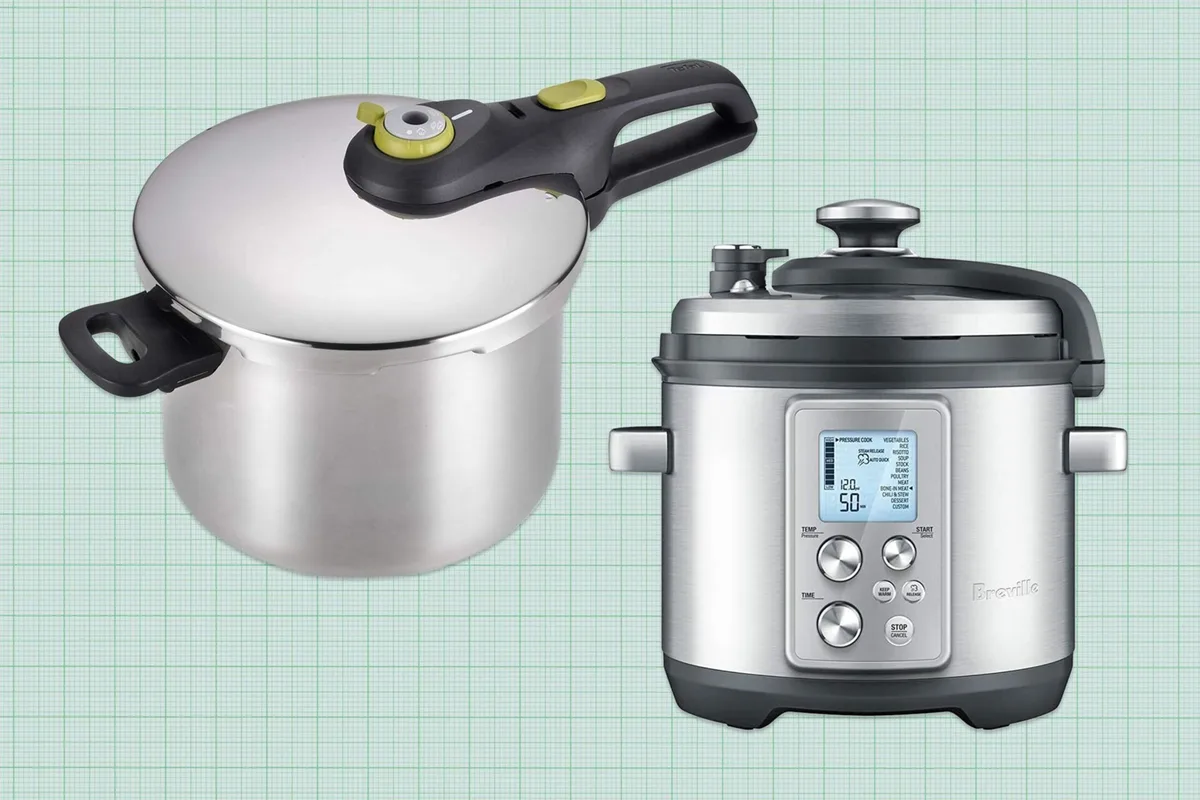
Image source: Bing (Web (fair-use with source credit))
Electric vs. Stovetop Pressure Cooker: Which One Should You Get?
Deciding between an electric versus a stovetop pressure cooker can feel like a tough choice when you're aiming for faster, more flavorful meals. Both appliances promise to speed up cooking, tenderize tough ingredients, and lock in nutrients, but they go about it in distinct ways. Understanding these differences is key to picking the one that best fits your kitchen and cooking style.
Our research into these popular kitchen tools reveals that while their end goal is similar, their operation, versatility, and overall user experience vary significantly. For instance, electric models often feature built-in timers and multiple preset cooking programs, whereas stovetop units rely entirely on your stove's heat control and manual timing. As of 2026, both remain staples for home cooks looking to save time.
Let’s break down exactly what that means for you.
Quick Answer: Key Differences at a Glance
Electric pressure cookers offer automated convenience with preset programs. Stovetop pressure cookers provide manual control over heat and pressure. Electric models are typically more self-contained and beginner-friendly.
Stovetop versions are often more versatile and can be used on any heat source. Both significantly reduce cooking times for many dishes.
How They Work: Understanding Pressure Cooking Basics
At its heart, pressure cooking is all about trapping steam. When you cook food in a sealed pot with liquid, the heat causes the liquid to boil and produce steam. Because the steam can't escape, it builds up inside the pot, creating pressure.
This elevated pressure raises the boiling point of the liquid, from 212°F (100°C) to around 250°F (121°C) or even higher. This higher temperature cooks food much faster than conventional methods like simmering or boiling.
Electric Pressure Cookers: Set It and Forget It
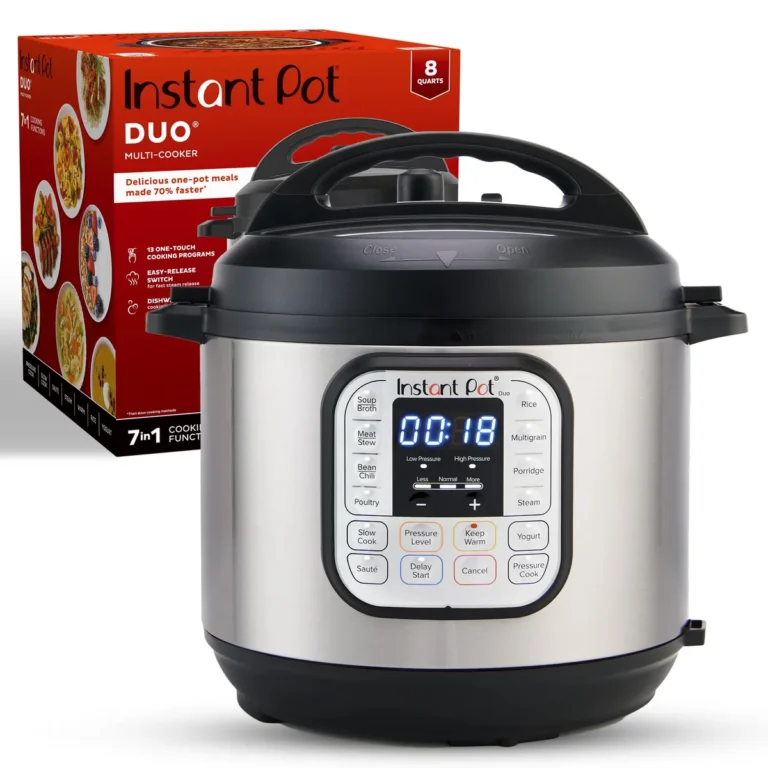
Electric pressure cookers are self-contained units that plug into a wall outlet. They have an internal heating element and a control panel, often with digital displays and pre-programmed settings for various foods like rice, beans, poultry, or soup. You add your ingredients and liquid, seal the lid, select a program, and the cooker manages the entire process, including bringing the pot up to pressure, maintaining it for the set time, and then often switching to a "keep warm" or "slow cook" mode.
They are designed to automatically regulate pressure and temperature, making them incredibly user-friendly.
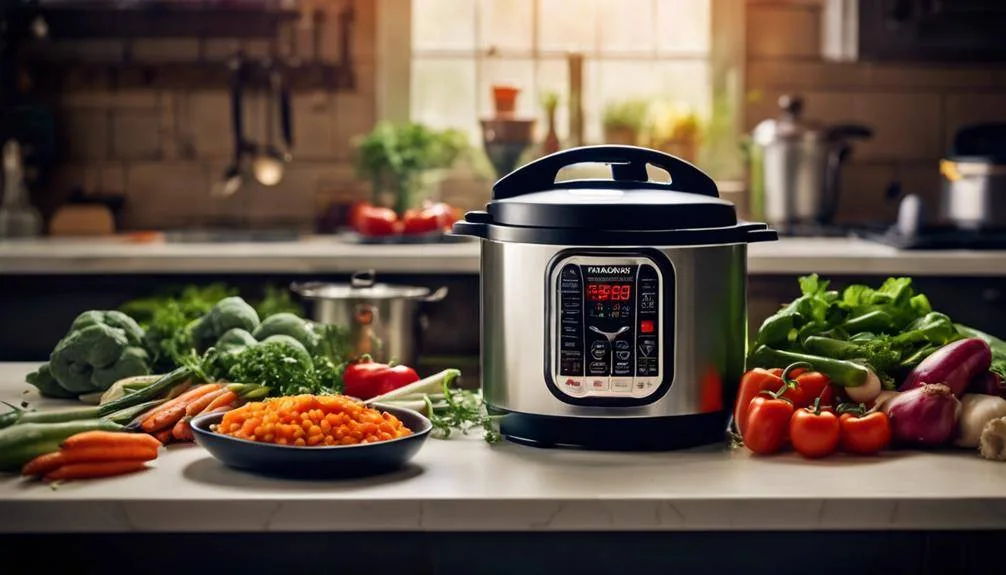
Image source: Bing (Web (fair-use with source credit))
These machines usually have multiple safety features built-in, like locking lids that prevent opening under pressure and automatic pressure release mechanisms. Their design means they aren't dependent on your stovetop, giving you more flexibility in your kitchen layout and freeing up your burners for other tasks. Many electric pressure cooker models also come with sauté functions, allowing you to brown meats or vegetables directly in the pot before pressure cooking, consolidating your cooking steps.
Stovetop Pressure Cookers: Manual Control and Versatility
Stovetop pressure cookers are designed to be used on a range burner, gas, electric coil, or induction. They consist of a pot, a lid that locks securely, and a pressure regulator, usually a weighted valve that vents steam once a specific pressure is reached. Unlike electric models, there are no digital controls; you are in charge of managing the heat on your stove to maintain the desired pressure.
This means you need to be more hands-on, adjusting the burner flame or setting to keep the pressure regulator jiggling or whistling at the correct rate.
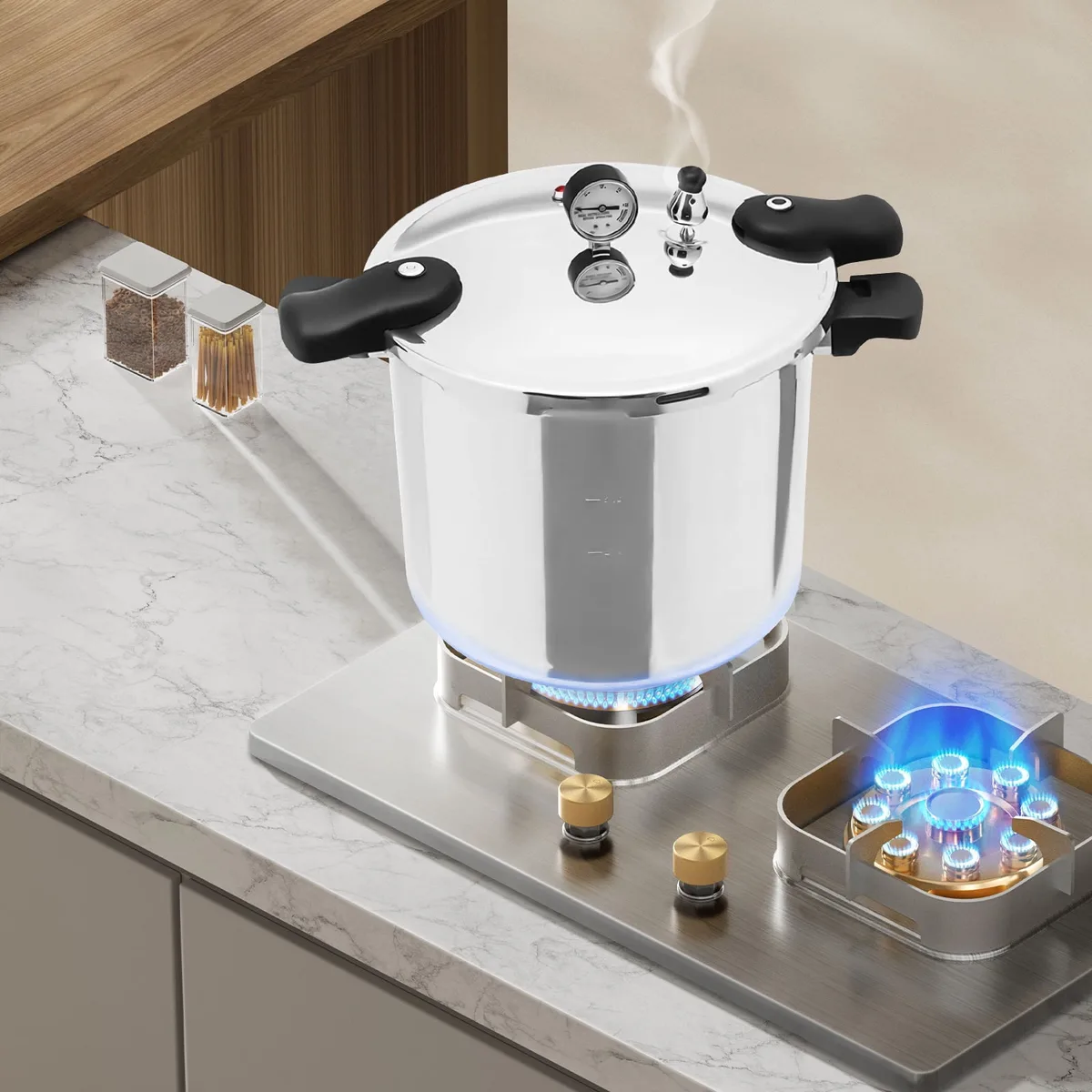
Image source: Bing (Web (fair-use with source credit))
This manual control offers a different kind of advantage. It allows for a more nuanced cooking experience, which can be beneficial for certain recipes where precise pressure control is crucial. Furthermore, stovetop pressure cookers are often made of heavy-duty stainless steel or aluminum and can be more durable over the long term.
Since they don't require electricity, they're also a great option for camping or in kitchens where electrical outlets are limited, and they can sometimes be found at a lower initial price point than their electric counterparts.
Pros and Cons: Weighing Your Options
Choosing between an electric and a stovetop pressure cooker comes down to what you value most in your kitchen workflow and cooking style. Each brings its own set of advantages and disadvantages that can make a big difference in your daily meal preparation.
Electric Pressure Cooker: The Good and The Not-So-Good
The Good:
- Ease of Use: Preset functions and digital displays make them very beginner-friendly. You select a program, and the cooker does the rest.
- Convenience: They are self-contained and don't require monitoring your stove. This frees up your burners for other dishes.
- Versatility: Many models include sauté, slow cook, steam, and yogurt-making functions, acting as an all-in-one appliance.
- Safety Features: Advanced safety mechanisms like locking lids and automatic steam release are standard.
- Consistent Results: The automated controls generally lead to more predictable outcomes.
The Not-So-Good:
- Less Control: You have less direct control over the pressure level once a program is set.
- Slower to Reach Pressure: The internal heating element can take longer to bring the contents to pressure compared to direct stovetop heat.
- Durability Concerns: Some internal electronic components can fail over time.
- Pot Material: The non-stick inner pots, while easy to clean, can be scratched and may not last as long as solid metal pots.
- Size Limitations: They are bulky and take up counter space, and often cannot be used for canning.
Stovetop Pressure Cooker: The Upsides and The Downsides
The Upsides:
- Superior Control: You have direct command over the heat source, allowing for precise pressure regulation. This is great for delicate cooking tasks.
- Faster Heat-Up: When placed on a hot burner, they typically reach pressure much faster than electric models.
- Durability: Often constructed from robust stainless steel or aluminum, they are built to last.
- Versatility: Can be used on any stovetop, including gas, electric, and induction, and are often suitable for pressure cooker canning.
- Compact Storage: They generally take up less storage space than electric units.
The Downsides:
- Requires Supervision: You must actively monitor the heat to maintain the correct pressure level.
- Steeper Learning Curve: Mastering the manual heat adjustments and understanding vent signals can take practice.
- Fewer Features: They lack the automated programs and multi-functionality of electric models.
- Noise: The hissing or whistling of the pressure release valve can be noticeable.
- Safety Dependence: While safe when used correctly, improper use or maintenance of the pressure valve can pose risks.
Who Are They Best For? Matching Cookers to Your Needs
The best pressure cooker for you really depends on your personal cooking habits, kitchen setup, and how much hands-on time you want to dedicate to cooking. It's less about which is objectively "better" and more about which one aligns with your lifestyle.
Electric Cookers: Perfect for Busy Cooks and Small Spaces
If you're constantly juggling multiple tasks, an electric pressure cooker is likely your best bet. Its "set it and forget it" nature means you can start dinner and then focus on other things, helping the kids with homework, catching up on emails, or simply relaxing. For those living in apartments or dorms with limited kitchen space and no access to a gas range, an electric model is ideal as it's a self-sufficient appliance.
Its ease of use also makes it a fantastic choice for beginner cooks who might be intimidated by manual controls. If you're looking for an appliance that can handle a variety of cooking tasks beyond just pressure cooking, an electric multi-cooker is a strong contender. You might also find them appealing if you're already familiar with other programmable rice cooker technology and appreciate the precision and convenience that offers.
Stovetop Cookers: Ideal for Kitchen Enthusiasts and Versatile Chefs
For the home cook who enjoys having direct control over their cooking process and isn't afraid of a bit of manual adjustment, a stovetop pressure cooker shines. If you have a powerful stove and enjoy experimenting with different cooking temperatures, this is your tool. It's also an excellent choice if you need an appliance that can be used on any heat source, including camping stoves, or if you plan to do a lot of canning, as many are designed for that specific purpose.
Enthusiasts who appreciate the classic approach to cooking and want a durable, long-lasting piece of equipment often gravitate towards stovetop models. They can also be a great option if you're looking for a more budget-friendly entry into pressure cooking, though the long-term cost-effectiveness can vary.
Making the Switch: What to Expect When Using Them
Transitioning to pressure cooking, whether electric or stovetop, involves a slight learning curve, but the rewards in speed and flavor are usually well worth it. Understanding the basic operation for each type will help you get started confidently.
Cooking with an Electric Pressure Cooker
Using an electric pressure cooker is generally straightforward. First, ensure the inner pot is clean and dry, then add your ingredients and the required amount of liquid. The minimum liquid requirement is usually specified in the manual, as too little can cause the cooker to overheat and trigger a safety shut-off.
Always check your recipe or the manufacturer's guidelines for the minimum liquid requirement. For electric models, this is often around 1 to 1.5 cups, while stovetop units might need slightly less.
Next, place the lid on top and twist it to lock it into position; you should hear a click or see an indicator. Make sure the steam release valve is set to the "sealing" position. Once plugged in, select your desired cooking program from the control panel.
The cooker will heat up, build pressure, and then count down the cooking time. When the timer finishes, it will typically beep and switch to a "keep warm" mode.
For pressure release, you'll have two main options: natural pressure release (NPR) or quick pressure release (QPR). NPR involves letting the cooker sit undisturbed until the pressure naturally dissipates, usually taking 10-30 minutes depending on the contents. QPR means carefully turning the steam release valve to the "venting" position to let the steam escape rapidly.
Your recipe or the cooker's manual will specify which method to use. Always exercise caution when operating the steam release valve, as the steam is very hot.
Cooking with a Stovetop Pressure Cooker
Stovetop pressure cookers require a bit more active participation. Start by adding your ingredients and the specified amount of liquid to the pot, ensuring you don't fill it more than two-thirds full (or halfway for foaming foods like beans or grains). Secure the lid and make sure it's properly sealed.
Place the pot on a stovetop burner set to medium-high heat. You'll hear the steam building and eventually the pressure regulator will start to hiss, whistle, or jiggle, indicating it's reaching pressure.
Once the pressure indicator is active, you need to reduce the heat to maintain that pressure. This is the crucial step where manual control comes in; you'll be adjusting the burner setting as needed. For example, if the regulator is venting too aggressively, turn the heat down slightly.
If it stops venting, you may need to increase the heat a bit. Consult your cooker's manual for specific cues on how to maintain the correct pressure. Set a timer for your cooking time once the pressure is stable.
When the time is up, turn off the heat and allow the pressure to release. Most stovetop models use a natural release method, but some allow for a quick release by carefully lifting the pressure valve. Always allow pressure to fully release before attempting to open the lid.
Common Pitfalls and How to Avoid Them
One of the most common mistakes, regardless of cooker type, is not using enough liquid. Pressure cookers rely on steam to build pressure, and insufficient liquid means not enough steam is generated. This can lead to the cooker overheating, burning your food, or triggering a safety shut-off before cooking is complete.
Always check your recipe or the manufacturer's guidelines for the minimum liquid requirement.
Another pitfall is overfilling the pot. Most pressure cookers have a maximum fill line, typically two-thirds of the way up the inner pot. For foods that foam or expand, like grains, beans, or rice, this limit is often reduced to half full.
Overfilling can cause food particles or liquid to clog the steam release valve, which is a safety hazard and can lead to uneven cooking. If you're unsure, err on the side of caution and fill it less.
Essential Safety Tips for Pressure Cooker Use
Pressure cookers are safe when used as intended, but like any appliance that works with heat and pressure, they require your attention. Always read your specific model’s manual before your first use; it contains crucial safety information. Ensure the lid gasket or sealing ring is clean, intact, and properly seated before each use.
A damaged or improperly placed gasket can prevent the cooker from sealing correctly, or worse, lead to dangerous steam leaks.
Never force the lid open if it feels stuck or if pressure is still present. Wait for the pressure indicator to drop completely. For stovetop models, never attempt to speed up the pressure release by prying the lid open with utensils.
If your electric model has a quick-release function, always use the handle or knob provided and keep your hands and face away from the steam vent. As a general rule, always keep children and pets away from the appliance while it's under pressure.
Frequently Asked Questions (FAQs)
Can you use an electric pressure cooker on the stovetop?
No, you should never place an electric pressure cooker on a stovetop burner. They are not designed to withstand direct heat and could be severely damaged. The electrical components and outer casing are not built for that kind of external heat source, and doing so would be a significant safety risk.
Which is better for tenderizing meat: electric or stovetop?
Both types are excellent at tenderizing meat. Stovetop models might offer slightly more control for achieving a perfect texture by allowing precise heat adjustment. However, electric models' preset functions often yield consistently tender results for various cuts without requiring constant monitoring.
Do stovetop pressure cookers work on induction cooktops?
Yes, most modern stovetop pressure cookers are compatible with induction cooktops, provided they have a magnetic base (usually stainless steel or cast iron). Always check the manufacturer's specifications to confirm induction compatibility before purchasing.
Are electric pressure cookers noisy?
Electric pressure cookers are generally much quieter than stovetop models. You might hear a gentle hum from the heating element or a soft click as internal components engage, but they do not typically produce the loud hissing or whistling sounds associated with a stovetop pressure regulator venting steam.
Can I can food in an electric pressure cooker?
Generally, no. While some electric pressure cookers are designed to reach temperatures high enough for canning, they typically lack the precise pressure control and consistent heat needed for safe, reliable pressure canning. Dedicated pressure canners, usually stovetop models, are recommended by food safety organizations for this purpose.
The Verdict: Which Pressure Cooker Reigns Supreme for You?
The "better" pressure cooker truly depends on your personal preferences and kitchen needs. If convenience, automation, and multitasking are your priorities, an electric pressure cooker is likely the ideal choice. It’s a fantastic appliance for busy households, beginner cooks, or anyone seeking a streamlined cooking experience.
Its all-in-one capabilities, from sautéing to slow cooking, make it a versatile addition to most kitchens.
On the other hand, if you value hands-on control, speed in reaching pressure, and the ability to use your appliance on any heat source (including for canning), a stovetop pressure cooker is the way to go. It offers a more traditional and engaging cooking experience that many culinary enthusiasts prefer. Both types will significantly cut down your cooking times and deliver delicious results, so consider your daily routine and what you hope to achieve in the kitchen when making your final decision.