Slow Cooker Smells Burnt
Ugh, that dreaded smell. You open up your slow cooker, expecting a delicious meal, and instead, you get that acrid, burnt odor. It’s super frustrating, right?
Don't worry, it happens to the best of us, and usually, it's fixable. We just need to play detective for a bit.
Let's figure out what’s going on and get your slow cooker smelling like its old self again. We'll break it down step-by-step, starting with the most common culprits.
Quick Answer: Is It the Cooker or the Food?
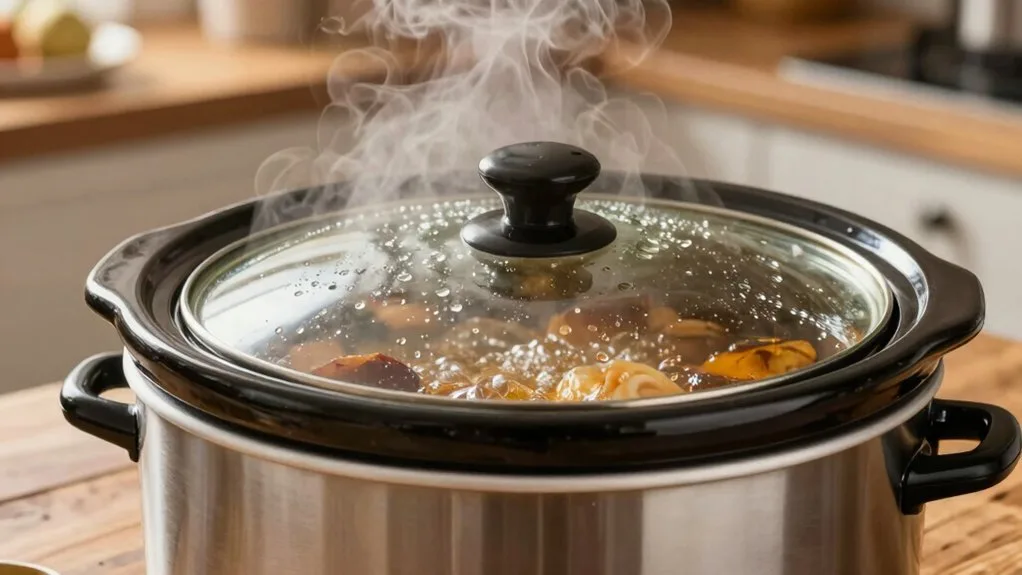
If your slow cooker smells burnt, the first step is to determine if the issue stems from the food inside or the appliance itself. Most often, a burnt smell indicates scorched food due to insufficient liquid or ingredients touching the hot sides. Less frequently, it points to residue build-up on the heating element or a new appliance's initial use.
Fixing it involves inspecting contents and, if needed, thorough cleaning.
Troubleshooting a Burnt Smell During Cooking
This is the most common scenario. Nine times out of ten, the burnt smell is coming from the food. The key is to identify why it's burning so you can stop it before it ruins your meal.
Common Food Culprits for Burnt Odors
Several things can cause food to scorch in a slow cooker. Our research shows that ingredient balance and liquid levels are critical.
- Over-salting or Sugaring: Too much salt or sugar can caramelize and burn, especially on the bottom and sides of the ceramic insert. Did you accidentally double a measurement? Or maybe the recipe was just a bit heavy-handed.
- Thickening Agents: Ingredients like flour or cornstarch, if not properly mixed into a slurry or if they hit a hot spot too quickly, can clump and burn before they fully incorporate.
- Fat Content: Sometimes, if there's a lot of fat, it can render down and get very hot, leading to scorching.
- Dried Herbs/Spices: While less common, very finely ground or old dried herbs can sometimes toast too much and give off a burnt aroma, particularly if they are near the edge of the insert.
What to Do When You Smell It Mid-Cook
If you catch the burnt smell while the slow cooker is running, act quickly to prevent it from getting worse.
- Turn it Off (Temporarily): If you notice the smell early, turn the slow cooker off for 30-60 minutes. This can stop the burning process from intensifying.
- Stir Gently: Carefully remove the lid and give everything a good stir. Try to scrape any bits that might be sticking to the sides or bottom of the ceramic insert. This helps redistribute heat and loosen burnt material.
- Add More Liquid: If the contents look dry, add a bit more broth, water, or whatever liquid is appropriate for your recipe. This helps create steam and prevents further scorching.
- Taste Test (Carefully): If the food isn't too burnt, you might be able to salvage it. Taste a small bit from the top. If it's just a faint hint of smokiness that complements the dish, great! If it's truly bitter and acrid, it might be best to salvage a portion from the top and discard the rest, or start over.
- Check Recipe Accuracy: Always double-check your recipe measurements. A small error can sometimes lead to significant flavor changes, including burning. If you're new to slow cooking, starting with a reliable recipe, like those for a beginner-friendly slow cooker, can help avoid these issues.
Addressing Burnt Smells From the Appliance Itself
If the burnt smell isn't from the food cooking, it could be an issue with the slow cooker unit itself. This often involves residue or something new needing a clean-up.
The "New Cooker" Residue Smell
Sometimes, a brand-new slow cooker has a faint burnt smell during its first few uses. This is usually normal. Manufacturer specifications indicate that this is often due to a protective coating or residue from the manufacturing process burning off the heating element.
- What it is: New appliances can have oils or coatings applied during manufacturing. When the appliance heats up for the first time, these can burn off, creating a temporary smell.
- What to do: This smell typically dissipates after the first 1, 3 uses. To speed up the process, you can run the slow cooker empty with just water on a low setting for a few hours. Make sure the room is well-ventilated during this initial burn-off period.
Cleaning Burnt-On Residue From the Base
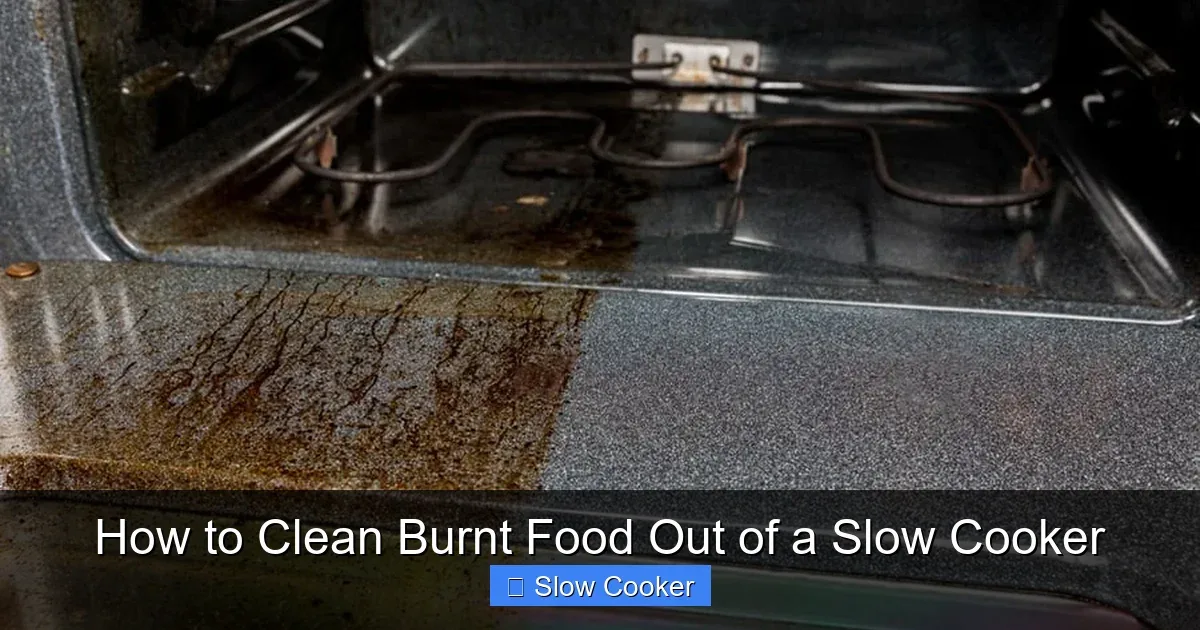
If the smell persists after the initial uses, or if it's a recurring issue with an older unit, you might have burnt-on residue in the appliance's base. This is often caused by food boiling over and dripping down the outside of the ceramic insert, or splatters from cooking without a lid.
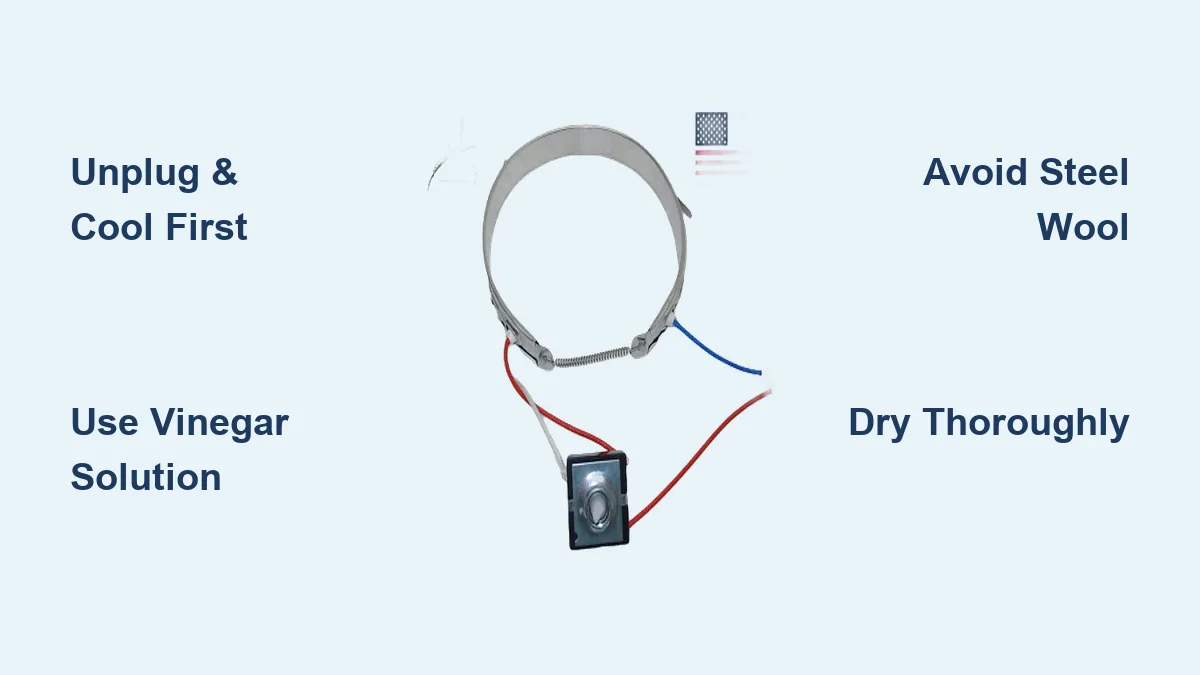
- Safety First: Always unplug the slow cooker and ensure it is completely cool before attempting any cleaning.
- Inspect the Heating Element: Most slow cooker bases have the heating element wrapped around the outside where the ceramic insert sits. Look closely for any dark, crusty, or discolored residue.
- Cleaning Methods:
- For Minor Build-up: Use a damp cloth with a bit of dish soap. Gently scrub the affected areas. Never submerge the base unit in water, as this can damage the electrical components.
- For Tougher Spots: A paste made from baking soda and water can be effective. Apply the paste, let it sit for about 30 minutes, then gently scrub with a non-abrasive sponge or cloth. Rinse the cloth and wipe away the residue thoroughly.
- Stubborn Stains: Some users have reported success with a very mild oven cleaner applied carefully with a cloth to the affected area. Ensure that absolutely no cleaning residue remains before using the cooker again.
- Ventilation: As with the initial burn-off, ensure the area is well-ventilated when cleaning to avoid inhaling any strong fumes from cleaning agents.
When to Consider a Replacement
If cleaning doesn't solve the burnt smell, or if you notice other issues, it might be time for a new slow cooker. Modern appliances often feature improved heating elements and safety features. For instance, looking at options like a budget-friendly slow cooker can provide reliable performance without breaking the bank.
Safety Signs That Mean It's Time for a New Cooker
Beyond persistent smells, certain signs indicate your slow cooker may no longer be safe to use. Our editorial analysis of user feedback and manufacturer guidelines highlights these points.
- Cracked Ceramic Insert: A crack can compromise the insert's integrity, leading to uneven heating or potential breakage during use.
- Damaged Power Cord: Any fraying, cuts, or exposed wires on the power cord pose a serious electrical hazard.
- Smell of Burning Plastic or Electrical Components: If the burnt smell seems chemical-like or originates from the cord or base unit itself (not food residue), this is a significant warning sign. It could indicate damaged wiring or an overheating motor.
- Overheating Base: If the exterior of the base unit becomes excessively hot, beyond what’s normal for slow cooking, it’s a cause for concern.
- Unusual Noises: Grinding, buzzing, or clicking sounds coming from the motor or heating element can signal internal damage.
If you notice any of these issues, it's best to stop using the appliance immediately and consider a replacement. Safety should always come first when it comes to kitchen appliances.
FAQs About Slow Cooker Smells
Why does my slow cooker smell like plastic when it's new?
This is usually due to manufacturing residues or protective coatings on new appliances. Running the empty cooker on a low setting for a few hours, with good ventilation, typically burns off this smell. Per manufacturer guidelines, this is a common and temporary occurrence.
Can I still eat food that smells slightly burnt?
If the burnt smell is very faint and doesn't make the food taste bitter or acrid, you can often salvage it. Scoop out the less affected parts from the top. However, if the entire dish has a strong, unpleasant burnt flavor, it's usually best to discard it to avoid consuming bitter compounds.
How do I prevent my slow cooker from smelling burnt in the future?
Ensure there’s always enough liquid in your recipe to create steam and cover most solid ingredients. Avoid overcrowding the insert, stir occasionally if possible, and make sure no food pieces are directly pressed against the sides or bottom where they can scorch easily.
Is it safe to use a slow cooker with a persistent burnt smell?
If the smell persists after thorough cleaning and the appliance is otherwise in good condition, it may be safe to use. However, if the smell is chemical, electrical, or accompanied by other warning signs like cracks or damaged cords, it is not safe and the unit should be replaced.
How often should I clean my slow cooker?
It's best to clean your slow cooker immediately after each use. This prevents food residues from drying on and becoming harder to remove, which can contribute to future burnt smells. The ceramic insert and lid can typically be washed by hand or in a dishwasher, while the base unit requires careful wiping.