Hand Mixer Overheating
When you're mid-recipe and your hand mixer suddenly feels too hot to hold, it's a worrying sign. That burning smell or intense heat means something's not right with your kitchen workhorse. Fortunately, most hand mixer overheating issues can be diagnosed and fixed with a few simple steps.
Our research confirms that understanding the common causes and solutions is key to keeping your mixer running smoothly. Before you rush out to buy a new one, let's walk through why this happens and what you can do about it. The U.S.
Consumer Product Safety Commission (CPSC) notes that electrical appliances require careful handling to prevent malfunctions.
Quick Answer
Your hand mixer overheats due to prolonged use on dense mixtures, blocked air vents, or damaged components. To fix it, take breaks, ensure vents are clear, check beaters, and avoid overworking the motor. If these steps don't resolve the issue, the motor may be failing.
Is Your Hand Mixer Overheating? Let's Figure It Out
That moment of panic when your hand mixer starts to feel like a heating pad is a familiar one for many home bakers. It's not just a little warm; it's genuinely hot, maybe even giving off a faint, concerning smell. This isn't the normal hum of a motor working; it's a signal that something's amiss.
We've found that most overheating problems stem from a few common culprits, often related to how the mixer is being used or maintained.
Hand mixers, while incredibly useful for a variety of tasks, have their limits. They're generally designed for shorter bursts of activity, especially when tackling thicker ingredients. When you push them beyond their intended use, the motor can struggle.
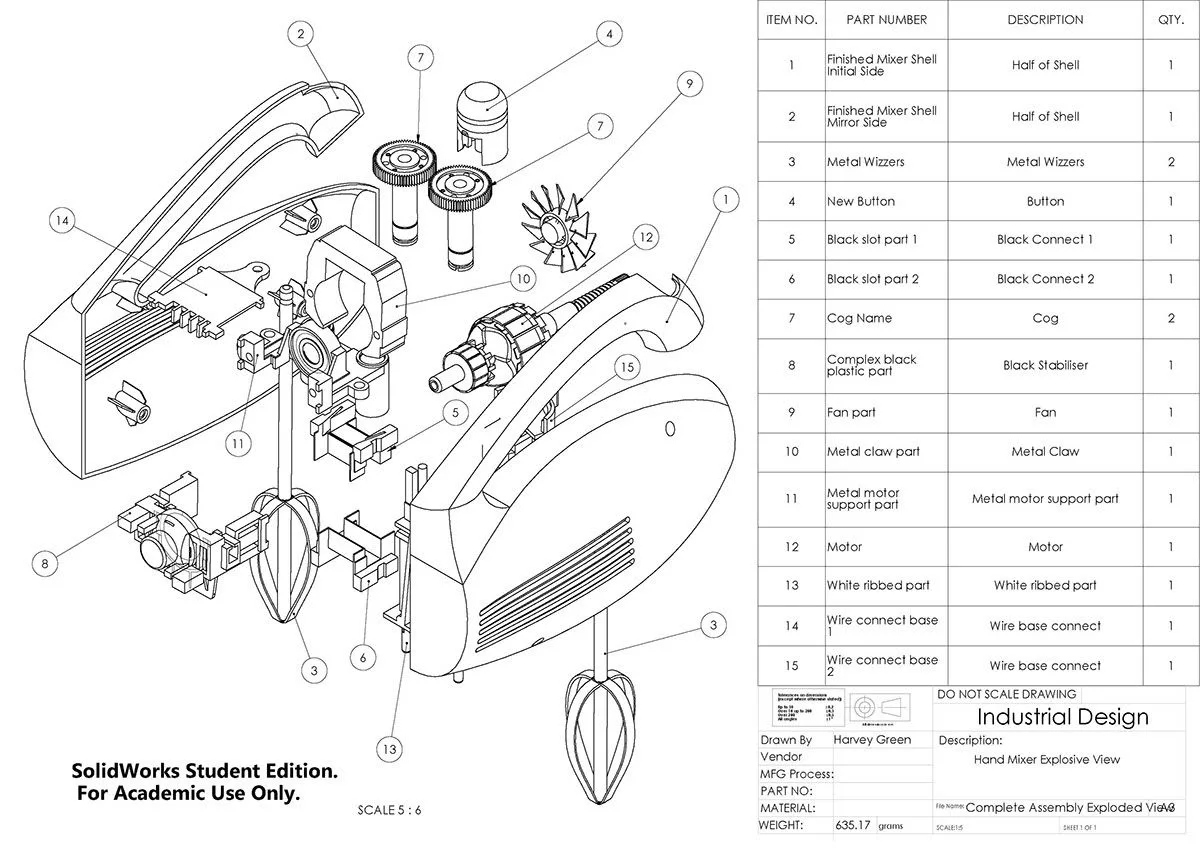
Image source: Bing (Web (fair-use with source credit))
Think of it like running a marathon versus a sprint. A hand mixer is built for sprinting tasks, not long-distance running. Exceeding its capabilities can lead to excessive heat buildup, which not only affects performance but can also shorten the appliance's lifespan if left unaddressed.
When is Overheating a Real Problem?
It's easy to confuse a hand mixer that's just working hard with one that's actually overheating. All electric motors generate some heat as they operate; that's just basic physics. Manufacturer specifications for many common models indicate that motor housing can safely reach temperatures of around 120°F (49°C) during normal operation, but anything significantly hotter than that warrants a closer look.
The real red flags aren't just about temperature. A definite sign of overheating is a burning smell, often described as hot plastic or electrical insulation. If you can't comfortably hold the body of the mixer for more than a couple of seconds due to the heat, it's beyond normal operational warmth.
This intense heat can indicate a strain on the motor or its components, potentially leading to damage if ignored.
We've seen reports that extended use, even on moderate settings, can cause heat buildup if airflow is restricted. This is particularly true for models that might be older or have seen heavy use over the years.
Why Your Hand Mixer Gets Hot: The Basics
The Motor's Job
At its heart, a hand mixer is powered by an electric motor. This motor converts electrical energy into mechanical energy, spinning the beaters to mix your ingredients. As the motor does its work, electrical resistance within its components generates heat.
It's a natural byproduct of this energy conversion.
This heat generation is normal and expected. Most appliance motors are designed with a tolerance for this heat, and they typically have systems in place to manage it. The amount of heat produced is directly related to the workload and the motor's efficiency.
Pushing the motor harder means it works longer and potentially generates more heat.
How Airflow Keeps Things Cool
To prevent the motor from getting too hot, hand mixers are equipped with air vents. These vents allow cooler ambient air to circulate through the appliance and over the motor, carrying away excess heat. It's a simple but critical cooling system.
These vents are usually located around the body of the mixer. When they are unobstructed, they create a steady airflow that helps maintain an optimal operating temperature. Without adequate airflow, the heat generated by the motor can't dissipate effectively, leading to a rapid increase in temperature.
This lack of cooling is a primary reason why hand mixers can overheat.
Troubleshooting: Is It Usage or a Fault?
Figuring out if your mixer is just being overworked or if there's a genuine fault can save you a lot of guesswork. The most common reasons for overheating fall into two camps: how you're using it, and whether something is physically wrong with the mixer itself. Let's break it down like a diagnostic process.
The "What Are You Mixing?" Test
The type and density of what you're mixing, and for how long, are huge factors. Hand mixers are not designed for heavy-duty, prolonged tasks like kneading bread dough or mixing extremely thick cookie dough for several minutes straight. Pushing the motor too hard with dense ingredients generates excessive heat.
- If you're mixing something dense: Think cookie dough, very thick frosting, or heavy bread batter. These tasks require more power and put more strain on the motor. Running the mixer on high speed for more than 2-3 minutes continuously with these mixtures is a prime cause of overheating.
- If you're mixing something light: Like whipping cream, beating eggs, or mixing a standard cake batter. These tasks are what hand mixers are designed for. If your mixer is overheating during these lighter jobs, it points more towards an internal issue or blocked vents.
Image source: Web (Bing) / ar.inspiredpencil.com (Web image (fair-use with source credit))
Action: For dense mixtures, take frequent breaks. Turn the mixer off for 60-90 seconds every 2-3 minutes to let the motor cool down. If you bake often and tackle very heavy doughs, consider investing in a more powerful stand mixer, which is built for those kinds of jobs.
Checking Your Beaters
The beaters themselves can cause extra strain if they're not in perfect condition or aren't seated correctly. Bent, warped, or damaged beaters can create resistance as they spin, forcing the motor to work harder and generate more heat. Sometimes, one beater might not be fully clicked into its socket, creating an uneven load.
Action:
- Unplug the mixer. Always ensure the appliance is disconnected from power before inspecting components.
- Remove the beaters. Check them carefully for any signs of damage, bending, or rust.
- Reinsert the beaters. Make sure they are firmly seated in their respective sockets. You should feel or hear a slight click as they lock into place.
- Test by hand. With the beaters reinserted and the mixer unplugged, try spinning them manually. They should move freely without significant resistance.
If you find the beaters are damaged, replacing them with a compatible set is usually an inexpensive fix. Many manufacturers sell replacement beaters directly. For tasks requiring precision measurements, having an accurate kitchen scale is also vital; models like those found in our guide to the best kitchen scale for baking can help ensure your recipes are balanced.
Listen to Your Mixer
The sounds a mixer makes can tell you a lot about its internal health. A healthy motor will have a consistent hum. Unusual noises, however, can signal mechanical problems that lead to overheating.
- Grinding or squealing: This often indicates an issue with the internal gears or bearings. They might be worn, damaged, or lacking lubrication, causing friction that generates heat.
- A weak or struggling motor sound: If the motor sounds like it's laboring excessively, even when mixing lighter ingredients, it could mean the motor itself is failing or there's an internal electrical issue causing it to draw too much power and overheat.
Action: If you hear these noises, especially if they occur alongside excessive heat or a burning smell, it's a strong indicator of an internal problem. Trying to fix internal gears or a failing motor yourself is often complex and can void warranties.
Clearing the Vents
This is one of the most common and easily fixable reasons for a hand mixer overheating. Hand mixers rely on air vents to circulate cool air and dissipate heat from the motor. If these vents become clogged with dust, flour, or food debris, airflow is significantly reduced.
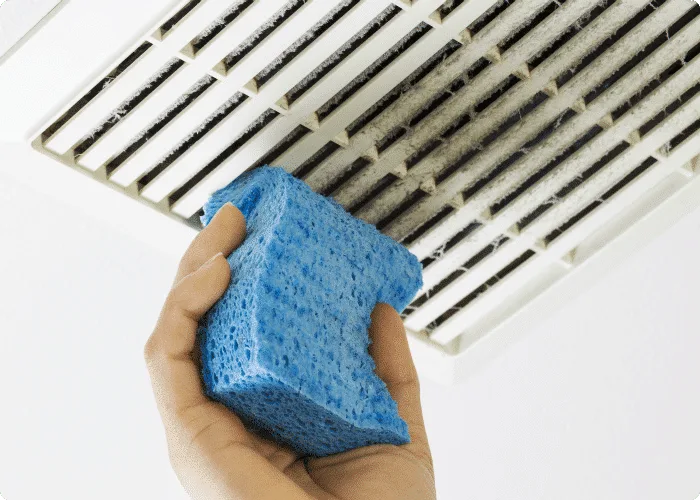
Image source: Bing (Web (fair-use with source credit))
When the vents are blocked, the heat generated by the motor has nowhere to go. This trapped heat quickly raises the mixer's temperature, leading to overheating and potential damage. Regular cleaning is essential, especially if you do a lot of baking.
Action:
- Unplug the mixer. Always ensure the appliance is disconnected from power before inspecting components.
- Locate the air vents. They are usually small openings on the sides or bottom of the mixer's body.
- Clean thoroughly. Use a soft brush (like a clean toothbrush or small paintbrush) to gently dislodge any debris. A can of compressed air can also be very effective for blowing out stubborn dust.
- Wipe down the exterior. Ensure the entire casing is free of grime that could block airflow.
Consistent maintenance like this can prevent many overheating issues before they start, helping to ensure your mixer lasts for years. For those who find themselves frequently measuring ingredients for precise recipes, an accurate kitchen scale can be as vital as a well-functioning mixer.
When to Call It Quits (And What to Do Next)
If you've worked through the troubleshooting steps and your hand mixer is still getting excessively hot, or if you're smelling a persistent burning odor, it’s time to seriously consider stopping its use. Continued operation under these conditions can lead to permanent damage or even pose a safety risk. Understanding the signs of a failing appliance is crucial for making an informed decision about repair or replacement.
Signs of Serious Motor Trouble
A truly concerning sign is when the mixer overheats rapidly, even during light tasks. If you notice the motor housing becoming too hot to touch within a minute or two of starting, or if the heat is accompanied by a strong burning smell, this points towards a more significant internal problem. This could be a sign of the motor winding beginning to degrade or a short in the internal wiring.
According to manufacturer guidelines for electrical appliances, any unusual smells or excessive heat that cannot be attributed to normal operation should be treated with caution.
Another indicator is a noticeable drop in power that isn't related to the ingredients you're mixing. If the motor sounds like it's laboring excessively, even when mixing lighter ingredients, it could mean the motor itself is failing or there's an internal electrical issue causing it to draw too much power and overheat. For users who rely on their appliances for frequent baking, having a backup or understanding the lifespan of kitchen tools is important.
While a high-quality digital kitchen scale can help with recipe accuracy, a failing mixer impacts the entire baking process.
Repair vs. Replace: What's Your Best Bet?
Deciding whether to repair or replace a malfunctioning hand mixer depends on a few factors, primarily the mixer's age, cost, and the nature of the problem. If your mixer is relatively new and still under warranty, contacting the manufacturer for repair or replacement is almost always the best first step. Manufacturer warranties typically cover defects in materials and workmanship for a specified period, often one year.
However, if the mixer is older, outside of its warranty period, and the problem is significant (like a failing motor or internal gear damage), replacement is often more cost-effective. The cost of professional repair for small appliances can sometimes approach or exceed the price of a new, comparable model. Many reliable hand mixers can be found in the mid-range price point, making them accessible for most home bakers.
For instance, looking at a guide for the best hand mixer can show you current market options. If the issue is minor, like cleanable vents or easily replaceable beaters, a DIY fix might be an option, but be cautious with internal components.
Preventing Future Overheating: Smart Mixer Habits
Keeping your hand mixer in top condition and preventing it from overheating in the future is all about mindful usage and regular upkeep. Just like any tool, treating it with care will extend its lifespan and ensure it performs reliably when you need it most. It’s about understanding its capabilities and limitations.
Take Smart Breaks
As we've touched upon, prolonged use is a major contributor to hand mixer overheating. Most hand mixers are designed for intermittent use rather than continuous operation. For tasks that require more than a few minutes of mixing, especially with denser ingredients, building in short rest periods for the motor is crucial.
A good rule of thumb is to give your mixer a break for about 30 to 60 seconds every 2 to 3 minutes of continuous operation. This allows the motor to cool down and prevents heat from building up to dangerous levels. If you're making a large batch of something or a particularly thick dough, don't be afraid to pause.
Many home bakers find that integrating these breaks into their workflow becomes second nature. If you’re trying to ensure consistent results in your baking, investing in a baking scale can provide the precision needed before even reaching for your mixer.
Know Your Mixer's Limits
Every hand mixer has a design capacity. A lightweight model for occasional use won't perform the same as a more powerful one intended for frequent baking. Understanding what your specific mixer is capable of is key to avoiding burnout.
- Light Tasks: Whipping cream, beating eggs, mixing cake batters, mashing potatoes.
- Moderate Tasks: Thicker cookie doughs, frosting.
- Heavy Tasks (Generally NOT Recommended for Hand Mixers): Kneading bread dough, very stiff doughs, large quantities of dense ingredients.
If your recipe calls for a very dense or large quantity of batter, consider using a stand mixer if you have one. Their motors are typically more robust and designed for longer, tougher jobs. If you’re looking for a mixer that can handle a bit more, exploring options like the best powerful hand mixer might be worthwhile.
Regular Cleaning Pays Off
We've already discussed clearing the air vents, but a general cleaning routine is also vital. Food residue, grease, and dust can accumulate not only in the vents but also around the motor housing and beaters. This buildup can impede airflow and put extra strain on the motor as components struggle to move freely.
After each use, always unplug the mixer and wipe down the exterior with a damp cloth. Ensure beaters are thoroughly washed and dried before storage. Periodically, give the entire unit a more thorough clean, paying close attention to any nooks and crannies where debris might hide.
This simple maintenance helps keep the mixer running efficiently and prevents small issues from escalating into larger problems like overheating.
Frequently Asked Questions About Hot Hand Mixers
How long can I run my hand mixer before it overheats?
This varies greatly by model and what you're mixing. For light tasks, many can run for 5-10 minutes continuously. For denser ingredients, you should aim for 2-3 minutes of run time followed by a 30-60 second break.
Always check your manufacturer's manual for specific guidelines.
What does a burning smell from my hand mixer mean?
A burning smell usually indicates that the motor is overheating significantly, potentially damaging internal components like the windings or insulation. It could also be due to dust and debris burning off in the motor housing. Stop using the mixer immediately if you detect a burning odor.
Can I use my hand mixer for cookie dough?
Yes, most hand mixers can handle cookie dough, but with caution. For thicker, stiffer doughs, take frequent breaks every 2-3 minutes to prevent the motor from overheating. If the dough is extremely stiff or you're making a very large batch, a stand mixer is a better choice.
What if my hand mixer feels warm but doesn't smell or seem excessively hot?
A slight warmth in the motor housing during use is normal, especially after a few minutes. If it's only slightly warm to the touch and there's no burning smell, it's likely operating within its normal parameters. However, if the warmth increases noticeably over time or with lighter tasks, it's worth monitoring.