How To Use An Emergency Survival Kit For Your Car: Easy Guide
Use the kit by prioritizing safety, staying warm, signaling for help, and fixing only what you can safely handle.
A well-packed emergency survival kit for your car can turn a stressful roadside problem into a manageable delay. I’ve seen how the right tools, used in the right order, can make a huge difference during a flat tire, dead battery, winter storm, or unexpected breakdown. In this guide, I’ll walk you through how to use an emergency survival kit for your car the smart way, so you know what each item does and how to stay calm when the road gets rough.

Why an emergency survival kit for your car matters
A car emergency survival kit is more than a box of supplies. It is your backup plan when traffic stops, weather changes fast, or your vehicle leaves you stranded. The goal is not just to survive a few hours. It is to stay safe, visible, warm, hydrated, and ready to get help.
The best time to learn how to use an emergency survival kit for your car is before you need it. In a real roadside emergency, stress makes people forget simple steps. I have found that drivers often own the supplies but do not know the order to use them. That is where a little preparation pays off.
A good kit usually supports three needs:
• Safety and visibility
• Warmth and basic comfort
• Communication and repair support
Even a small kit can help you wait out a tow, handle a minor issue, or stay safe until rescue arrives. According to road safety experts and emergency preparedness guidance, the first rule in a breakdown is to protect yourself before trying to fix the car. That advice saves time and reduces risk.

What should be in an emergency survival kit for your car
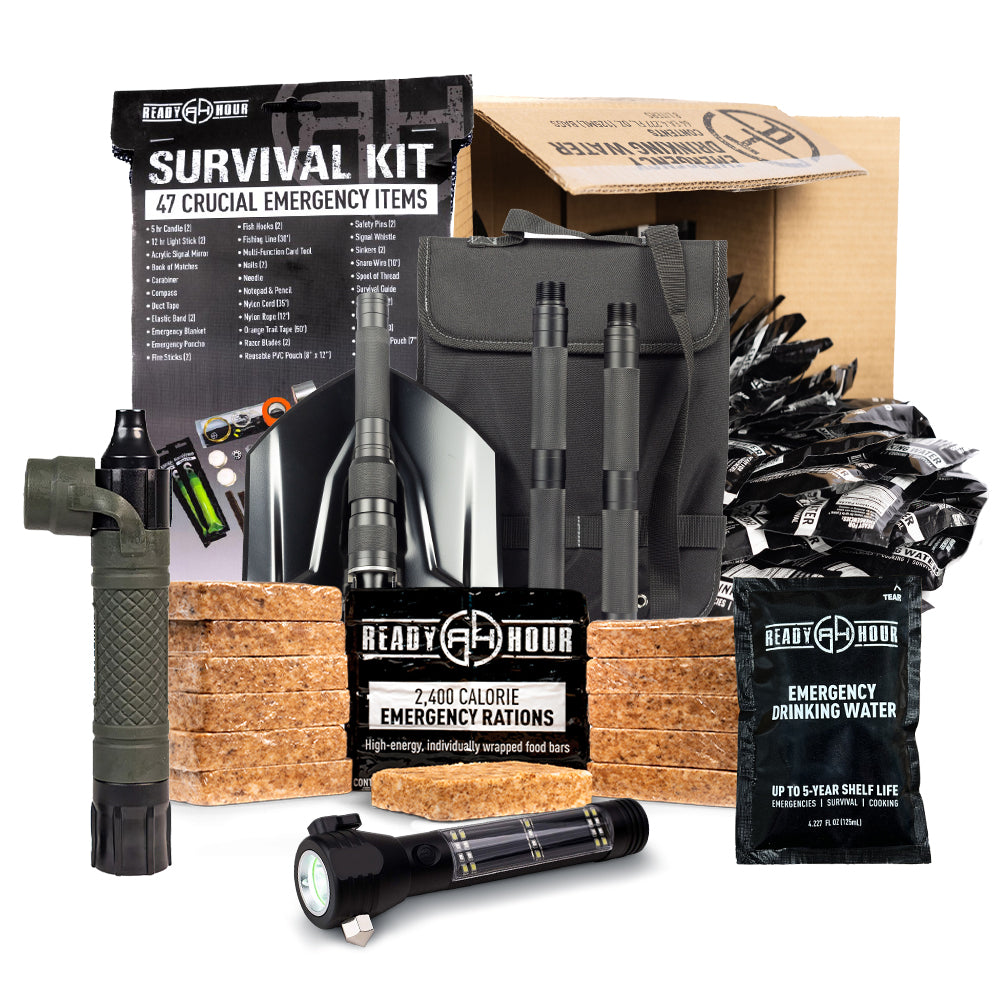
Before you can use the kit well, you need to know what belongs in it. A strong emergency survival kit for your car should cover basic survival, first aid, and vehicle trouble.
Here are the most useful items:
• Flashlight with extra batteries
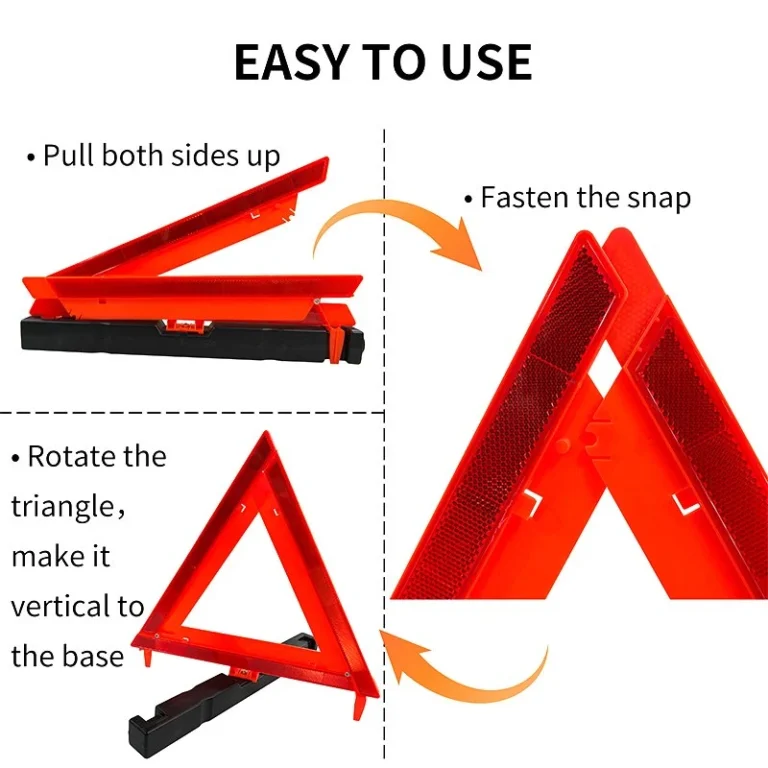
• Reflective triangles or flares
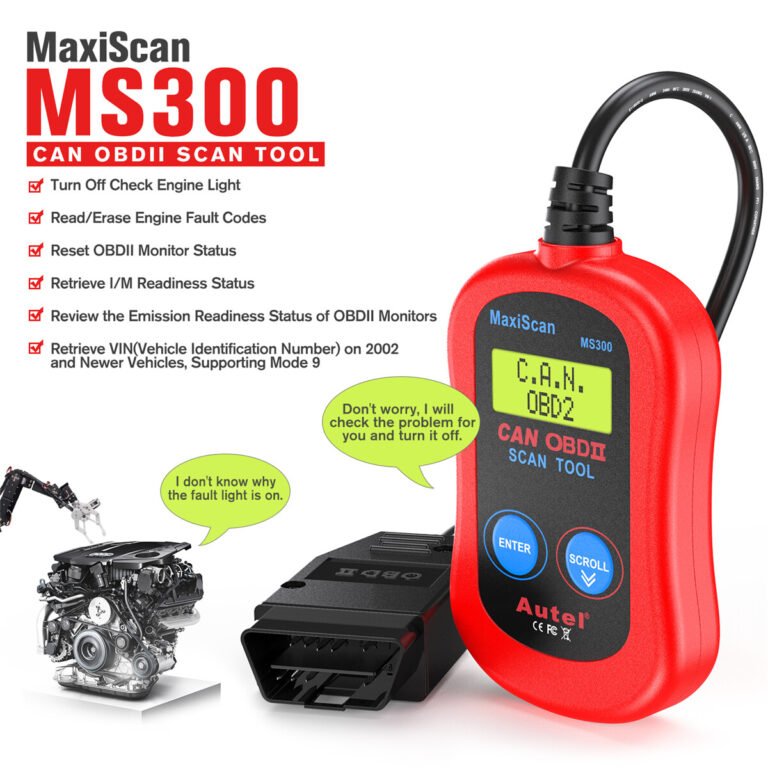
• Jumper cables or a jump starter
• First aid kit
• Water bottles or sealed water pouches
• Shelf-stable snacks like protein bars or crackers
• Blanket or emergency thermal blanket
• Phone charger or power bank
• Multi tool or basic tool kit
• Tire inflator or sealant if appropriate for your car
• Gloves, rain poncho, and hand warmers
• Copies of important phone numbers
• Tire pressure gauge
• Duct tape and work gloves
• Cash for places that do not take cards
From experience, I would also add a small notepad, a pen, and a high-visibility vest. These simple items sound basic, but they help in low light, during confusion, or when you need to write down tow truck details.
How to use an emergency survival kit for your car step by step
The key is to use the kit in a calm order. First protect yourself, then make your car visible, then check the problem, and only then try a fix if it is safe.
Step 1: Move to safety first
If your car can still roll, pull over to a safe location as far from traffic as possible. Turn on your hazard lights right away. If you are on a highway and the car is unsafe, it is often better to stay inside with seat belts on until help arrives.
Use your flashlight if it is dark. Wear a reflective vest if you have one. The emergency survival kit for your car should help you be seen before you do anything else.
Step 2: Make the vehicle visible
Visibility is a major part of roadside safety. Place reflective triangles behind your vehicle if traffic is coming close. If you have flares, use them only if you know they are safe for the area and weather conditions.
Keep your phone or flashlight on hand so drivers and responders can spot you. In my experience, many people wait too long to make themselves visible, especially at night or in rain. That delay creates unnecessary danger.
Step 3: Check yourself and passengers
Before checking the car, check the people. Make sure everyone is okay, warm, and seated safely. If someone is hurt, call emergency services first and do not try to solve the vehicle issue.
Use blankets, jackets, or hand warmers from the emergency survival kit for your car if the weather is cold. If it is hot, keep the windows cracked slightly and conserve energy. The kit is there to keep people safe, not to rush the repair.
Step 4: Use your phone and power bank
Your phone is often your most important tool. Call roadside assistance, a mechanic, family, or emergency services if needed. If your battery is low, use the power bank from your kit to keep the phone alive.
Keep your charger cable in the car kit, not buried in a bag you may forget. I learned this the hard way once after a winter breakdown. A fully charged power bank can be more valuable than a box full of tools if it keeps your phone alive long enough to get help.
Step 5: Assess the problem safely
Once you are safe and visible, take a quick look at the situation. Is it a flat tire, dead battery, overheating, or simply no fuel? Do not open the hood if steam is coming out, and do not stand in traffic while checking the car.
Use the emergency survival kit for your car only for simple, safe actions. A tire gauge can confirm low pressure. Jumper cables can help with a dead battery if you know how to use them. A flashlight helps you inspect the vehicle without rushing.
Step 6: Make only safe repairs
Some problems can be handled on the spot. Others should wait for a tow truck or professional help. The kit supports basic action, but it does not replace judgment.
Safe examples include:
• Replacing a flat tire if the area is secure and you know how
• Jump-starting a battery if the conditions are safe
• Adding emergency fuel from an approved container
• Using a tire inflator for a slow leak when appropriate
Do not attempt repairs if you are on a narrow shoulder, in heavy traffic, during severe weather, or if you are unsure how to proceed. The best use of an emergency survival kit for your car is smart use, not risky use.
Step 7: Stay comfortable while you wait
Sometimes the real job is waiting. Use water, snacks, blankets, and hand warmers to stay steady until help comes. If you are stuck for a while, small comforts matter a lot.
I always recommend keeping easy-open snacks in the kit. Hunger and dehydration make stress worse. When people ask how to use an emergency survival kit for your car, I remind them that survival is often about small, boring actions done well.
Step 8: Document what happened
Write down the time, location, and what went wrong. This helps with roadside assistance, insurance, and future maintenance. If the issue was avoidable, it also helps you prevent it next time.
For example, if your battery died after several short trips, that could point to charging issues. If a tire went flat twice in a month, you may need a slow leak repaired. The emergency survival kit for your car helps in the moment, but good notes help after the moment.
How to use each item in the kit effectively
Different items do different jobs. Knowing how each one works makes the whole kit more useful.
Flashlight and extra batteries
A flashlight helps you inspect damage, read labels, and stay visible at night. Keep it where you can reach it fast, not under other supplies. Test the batteries every few months.
Reflective triangles and flares
These help warn other drivers. Set them a safe distance behind the car if traffic conditions allow it. Use them as early as possible after pulling over.
Jumper cables or jump starter
These are for dead batteries, not every no-start problem. With jumper cables, follow the correct connection order carefully. A portable jump starter is often easier for beginners because it does not require another car.
First aid kit
Use it for small cuts, scrapes, or minor discomfort while waiting. If the injury is serious, call emergency services. The first aid kit is for quick care, not major treatment.
Water and food
These help during delays, heat, or cold. Keep items sealed and replace them before they expire. I like to check mine during seasonal car maintenance.
Blanket or thermal blanket
Use these to reduce heat loss if you are stuck in cold weather. Thermal blankets are light and take almost no space. They are one of the smartest additions to any emergency survival kit for your car.
Multi tool and gloves
These help with small fixes and protect your hands. Gloves are especially useful when changing a tire or handling hot parts. A simple multi tool can solve more problems than people expect.
Seasonal tips for using your car survival kit
The way you use your emergency survival kit for your car changes with the season. Weather affects both the risks and the best tools to use.
In winter:
• Keep blankets, gloves, hats, and hand warmers in reach
• Make sure your phone stays charged
• Keep extra washer fluid and an ice scraper in the car
• Avoid staying outside the vehicle too long in freezing wind
In summer:
• Carry extra water
• Watch for heat exhaustion
• Use sun shades if you are delayed for a long time
• Keep snacks that will not melt or spoil easily
In rain or storms:
• Use bright clothing or a reflective vest
• Keep electronics dry in a sealed bag
• Be careful stepping onto slick pavement
• Avoid standing near moving traffic if visibility is low
A car kit is not one-size-fits-all. Your climate should shape what you pack and how you use it.
Common mistakes people make with emergency survival kits for cars
A lot of drivers own the kit but never test it. That is a mistake. A flashlight with dead batteries or jumper cables you do not know how to use will not help much in an actual emergency.
Other common mistakes include:
• Keeping the kit buried in the trunk under luggage
• Forgetting to check expiration dates on food, water, and medicine
• Packing items that are too complicated to use under stress
• Not adding cold-weather or hot-weather supplies
• Never practicing with jumper cables, tire tools, or a portable charger
I have seen people learn too late that “having it” is not the same as “being ready.” The emergency survival kit for your car should be simple, reachable, and checked on a schedule.
How often should you check and update your kit
Check your kit at least twice a year. A good time is when daylight saving time changes or when you rotate seasonal gear. This keeps the task easy to remember.
Update the kit if:
• Batteries weaken
• Food or water expires
• Your phone changes and the charger no longer fits
• Your driving habits change
• You add a child, pet, or elderly passenger to your routine
Think of your emergency survival kit for your car like a fire extinguisher. It only works well if it is current, complete, and easy to reach.
Expert-backed tips for staying safe during a roadside emergency
Road safety guidance from emergency agencies and auto organizations consistently points to the same priorities: protect people first, keep clear of traffic, and signal for help early. That order matters more than trying to save time on a repair.
Here are a few smart habits:
• Keep your gas tank above a quarter tank when possible
• Store the kit where it is easy to reach
• Tell a family member your route on long trips
• Download maps for offline use
• Keep roadside assistance contacts saved in your phone
These habits do not replace the emergency survival kit for your car. They make the kit more effective.
Frequently Asked Questions of How to use an emergency survival kit for your car
How do I use an emergency survival kit for my car after a breakdown?
Start by making yourself safe and visible with hazard lights, a flashlight, and reflective triangles. Then use the kit for comfort, communication, and only safe repairs while you wait for help.
What is the most important item in an emergency survival kit for a car?
A flashlight is one of the most important items because it helps with visibility, inspection, and signaling. A charged phone or power bank is just as important because it lets you call for help.
Can an emergency survival kit help in winter?
Yes, it can be a lifesaver in winter. Blankets, gloves, hand warmers, water, and snacks help you stay warm and alert if you are stuck for a long time.
Should I stay in the car or get out during an emergency?
In many roadside situations, staying in the car is safer, especially on busy roads or highways. If the car is in immediate danger, follow emergency guidance and move to a safer location when possible.
How do I know if my kit is still good to use?
Check it every six months for dead batteries, expired food, damaged tools, and missing items. If you would not trust it in a real emergency, replace it before you need it.
Conclusion
Knowing how to use an emergency survival kit for your car is really about making smart choices under pressure. Protect yourself first, make the vehicle visible, use the kit for warmth and communication, and only attempt simple repairs when it is safe. That calm, step-by-step approach can turn a scary roadside moment into something you can handle.
If you have not checked your kit lately, now is a good time to do it. Review what you carry, test the tools, and make sure everything is easy to reach. A few minutes of preparation today can save you a lot of stress later, so take a look at your car kit and make it road-ready now.