Hand Mixer Types
Choosing the right kitchen tool can make all the difference, and when it comes to mixing, the humble hand mixer is a powerhouse. But not all hand mixer types are created equal, and figuring out which one best suits your kitchen and your recipes can feel a bit overwhelming. Whether you're whipping cream for dessert or creaming butter for cookies, understanding the distinctions is key to a smoother baking experience.
We've dug into the specifications and common user feedback to help you see which hand mixer will be your best kitchen sidekick. As of 2026, the market offers distinct options, each with its own strengths and ideal use cases, but the core function remains the same: making mixing easier.
Quick Answer
You'll find two primary hand mixer types: corded and cordless. Corded models offer consistent power and are budget-friendly. Cordless mixers provide superior portability via rechargeable batteries.
Immersion blenders with whisk attachments offer limited mixing capability. Choosing depends on power needs and kitchen setup.
Corded Hand Mixers: The Kitchen Classic
The corded hand mixer is the workhorse many of us grew up with. It’s a straightforward, reliable appliance that plugs directly into a wall outlet, offering a consistent source of power for all your mixing needs. When you picture a hand mixer, this is likely the model that comes to mind.
Its design has remained relatively consistent over the years because it works.
Its primary advantage is uninterrupted power. Unlike battery-operated models, you don't need to worry about a charge running low mid-recipe. This makes it ideal for longer or more demanding tasks.
Aggregating user feedback and manufacturer specifications, these mixers typically range from 150 to 300 watts, providing ample power for most common kitchen jobs. You’ll find they come with various attachments, like standard beaters, dough hooks, and sometimes whisks, adding to their versatility. For many home cooks, this tried-and-true option remains the go-to for its dependable performance and accessible price point.
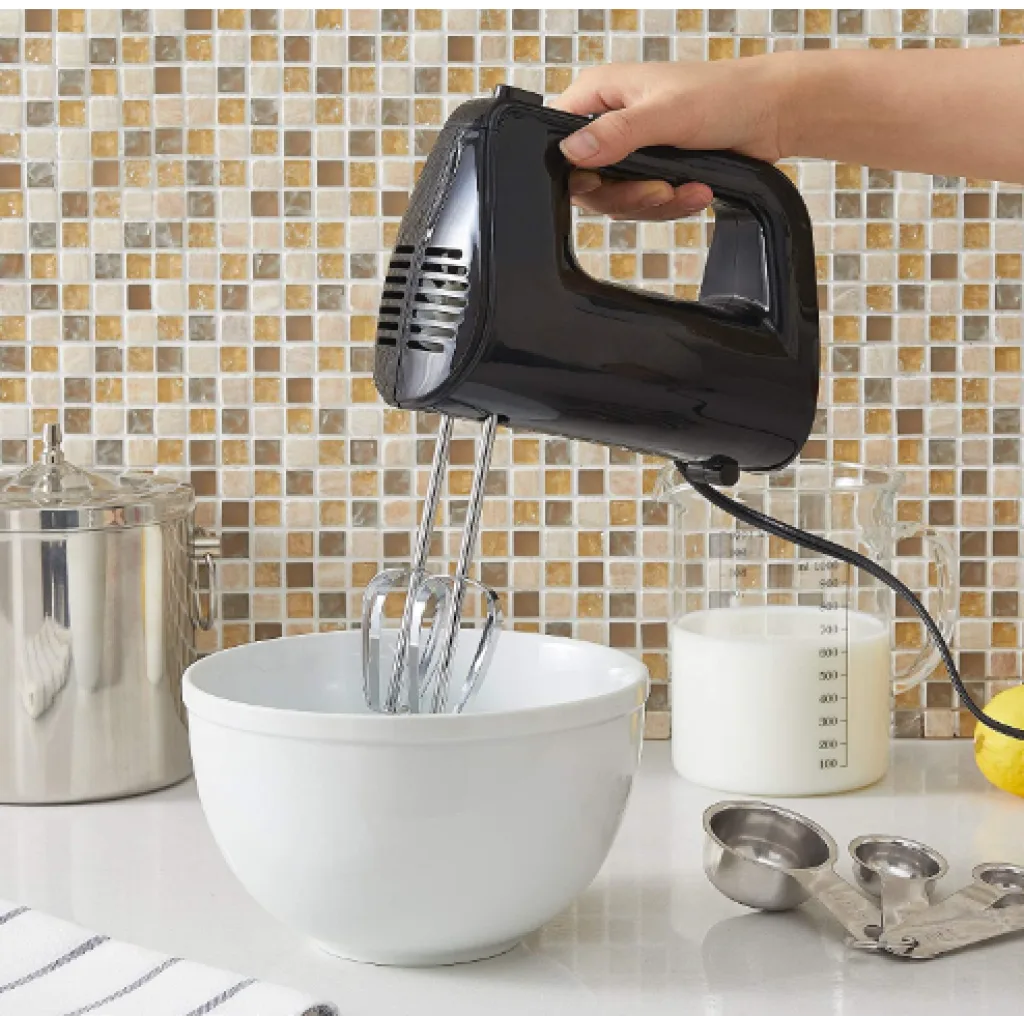
Image source: Bing (Web (fair-use with source credit))
Corded Mixer Features & How They Work
At its core, a corded hand mixer is a motor housed in an ergonomic grip, connected to a power cord. This motor drives a mechanism that spins interchangeable beaters or other attachments. Most models offer multiple speed settings, allowing you to start slow for delicate ingredients or ramp up for faster mixing.
Manufacturer specifications commonly show motors ranging from 150 to 300 watts, ensuring enough torque for tasks like creaming butter and sugar or beating eggs. The beaters themselves are usually made of stainless steel for durability and easy cleaning. Standard beaters are designed for general mixing, while dough hooks are heavier-duty and suited for kneading bread doughs or thick cookie batters.
Some higher-end models may also include a whisk attachment for aerating ingredients like cream or egg whites.
Pros and Cons of Corded Mixers
The biggest upside to a corded hand mixer is its power consistency. Because it's directly connected to an outlet, you don't face the variability or downtime associated with recharging batteries. This means you can rely on it for extended mixing sessions without interruption.
They are also typically the most affordable option among hand mixers, making them a great choice for budget-conscious home cooks or those just starting out. Their straightforward design often means they are quite durable.
However, the cord itself can be a drawback. It limits your range of motion and can sometimes get in the way, tangling with other appliances or ingredients. If your kitchen has limited outlets or they're awkwardly placed, using a corded mixer can become a bit of a logistical puzzle.
Additionally, while powerful, the most robust mixing tasks might still push the limits of some lower-wattage corded models.
Who Corded Mixers Are Best For
A corded hand mixer is an excellent choice for home bakers who tackle a variety of recipes but don't require extreme portability. If you frequently make cakes, cookies, or whipped toppings, and your kitchen outlet situation is straightforward, this is a solid, no-fuss option. It’s particularly well-suited for anyone who values reliable, uninterrupted power for their mixing tasks.
This type of mixer is also ideal for those on a tighter budget. You can often find a very capable corded hand mixer for significantly less than its cordless counterpart. For users who don't need to move around the kitchen much while mixing or who have ample counter space near an outlet, the corded model provides dependable performance without unnecessary features.
If you're looking for a workhorse that won't break the bank and gets the job done consistently, the corded hand mixer fits the bill perfectly.
Corded Mixer Use Cases & Scenarios
You'll find a corded hand mixer shines in many common kitchen tasks. It’s perfectly capable of creaming butter and sugar for cookies, a process that requires consistent power to achieve the right fluffy texture. Beating eggs for cakes or omelets is another frequent use, where variable speeds help you control the aeration.
Whipping heavy cream or making meringue for desserts also falls within its capabilities, especially on higher speed settings.
For those who enjoy baking bread or making muffins, the dough hook attachment (if included) can handle moderate kneading, though very dense doughs might be a challenge. It’s also great for mixing pancake batter, quick breads, and even simple batters for cakes or cupcakes. Essentially, any task that requires mixing, beating, or whipping for a few minutes at a time is well within the operational scope of a standard corded hand mixer.
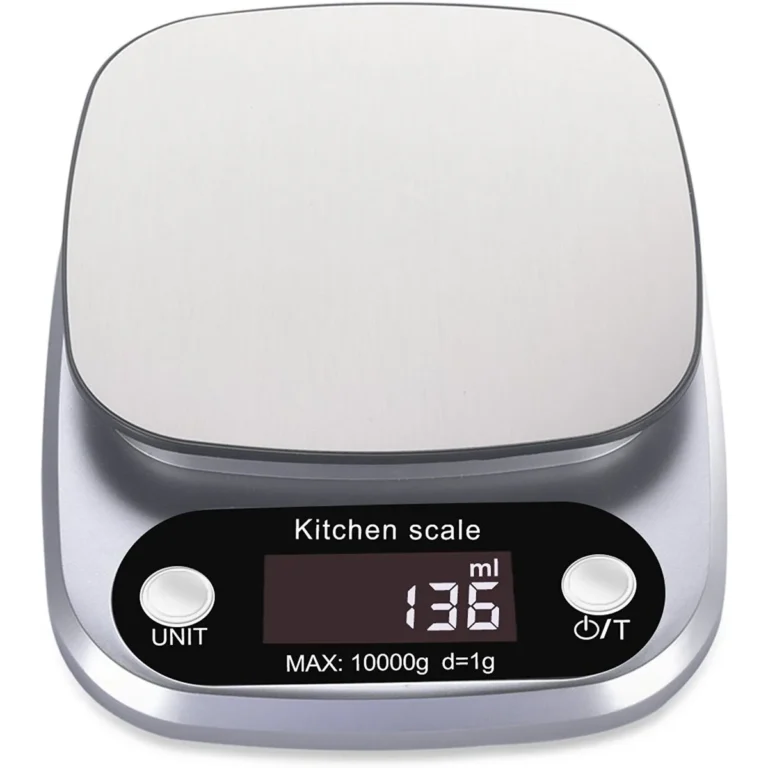
You can also find a reliable kitchen scale for baking to ensure your ingredient ratios are spot on for these recipes.
Common Corded Mixer Mistakes to Avoid
One common pitfall is pulling on the cord to unplug the mixer; always grip the plug itself to protect the internal wiring. Another mistake is submerging the motor housing in water during cleaning, which can damage the appliance. Overloading the mixer by trying to mix extremely thick doughs for extended periods can cause the motor to overheat or even burn out.
Always match the attachment and speed to the recipe's needs; starting on high speed with dry ingredients can create a flour explosion. Finally, ensure you have enough cord length to comfortably reach your mixing bowl without straining the cord.
Cordless Hand Mixers: The Modern Freedom
The cordless hand mixer represents a significant evolution in kitchen convenience. These mixers run on rechargeable batteries, freeing you from the constraints of a power cord. This offers unparalleled freedom of movement around your kitchen, making them incredibly versatile, especially in smaller or more crowded spaces.
As of 2026, battery technology has advanced considerably, offering impressive run times.
These mixers typically come with a charging base or a USB charging cable. You simply charge it up, and you're ready to mix without being tethered to an outlet. Aggregate user reviews and manufacturer data suggest that many cordless models offer power comparable to mid-range corded mixers, making them suitable for a wide array of baking and cooking tasks.
They often feature sleek designs and can be easier to store due to the lack of a cord.
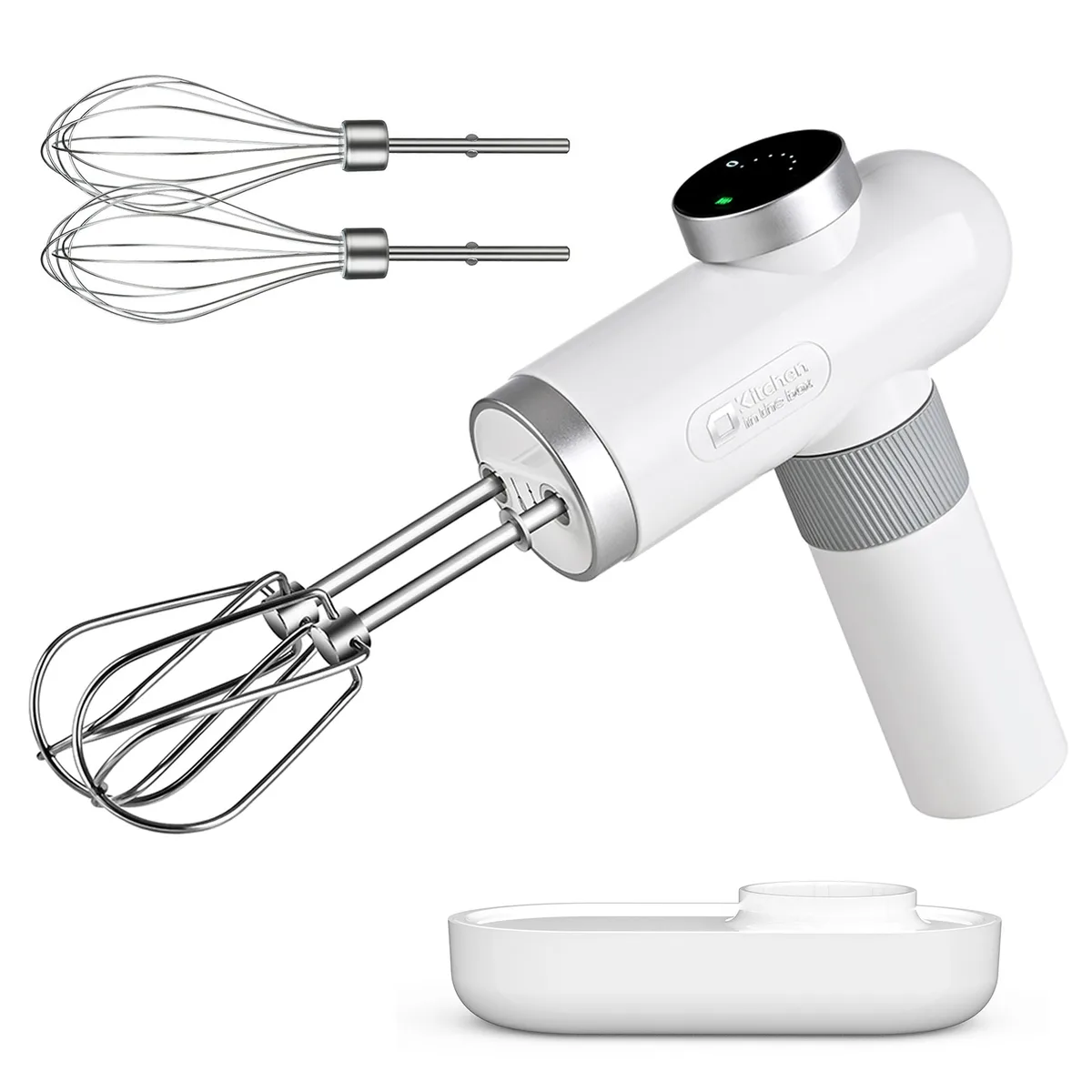
Image source: Bing (Web (fair-use with source credit))
Cordless Mixer Features & Battery Life
The defining feature of a cordless hand mixer is its internal rechargeable battery, which eliminates the need for a power cord. This battery system is crucial, and its performance directly impacts the mixer's usability. Manufacturer specifications often detail the battery voltage, typically ranging from 7.4V to 12V or higher, and the expected run time per charge, which can vary from 20 minutes to over an hour depending on the model and the intensity of use.
Many cordless mixers come with a charging dock or a USB-C port for easy recharging. Attachments are similar to corded models, including standard beaters, whisk attachments, and sometimes dough hooks, all designed to be easily swapped out. Speed controls are usually present, offering multiple settings for different mixing needs.
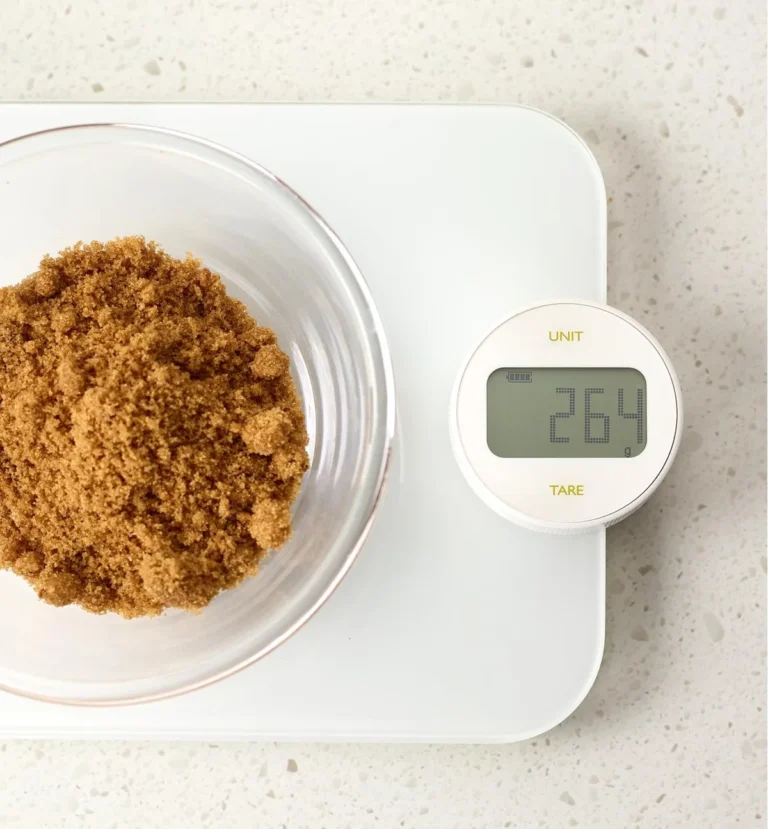
Ergonomic designs are also common, aiming for a comfortable grip during use, as you'll be holding the entire weight of the appliance, including the battery, as you work. Some models may include an LED indicator to show battery charge level. If you need precise ingredient measurements for your baking, a rechargeable kitchen scale can complement your cordless mixer.
Pros and Cons of Cordless Mixers
The most significant advantage of a cordless hand mixer is its sheer freedom. You can move anywhere in the kitchen, or even take it to the dining table to finish whipping cream, without worrying about an outlet. This makes cleanup easier too, as there's no cord to manage.
Many users also appreciate the modern, sleek designs that often accompany cordless models. They tend to be quite portable and easy to store.
The primary drawback is the reliance on battery power. You must ensure the mixer is charged before starting a significant task, and battery life can be a limitation for very demanding or prolonged mixing. If the battery runs out mid-recipe, you're stuck waiting for it to recharge.
While battery technology is improving, some of the most powerful mixing tasks, especially with very stiff doughs, might still be better handled by a corded model with consistent mains power. The initial cost is also generally higher than for a comparable corded mixer.
Who Cordless Mixers Are Best For
A cordless hand mixer is a fantastic choice for those who value flexibility and ease of movement in their kitchen. If you have limited counter space, a smaller kitchen where cords can be a nuisance, or you simply enjoy the uncluttered experience of cord-free appliances, this is for you. It's also great for people who like to serve directly from their mixing bowl or move around their workspace a lot.
This type of mixer is ideal for anyone who bakes moderately, such as making cakes, cookies, or whipped toppings, and appreciates the convenience of not being tied to an outlet. While they might not be the absolute first choice for someone constantly working with heavy, dense doughs for hours on end, they are more than capable for the vast majority of home baking needs. If you’re looking for maximum convenience and a modern kitchen experience, a cordless model is worth considering.
Cordless Mixer Use Cases & Scenarios
Cordless hand mixers excel in scenarios where mobility is a plus. Imagine whipping cream for a dessert right at the dining table, or mixing pancake batter without having to stretch a cord across the counter. They are great for smaller apartments or kitchens where outlet availability is limited or inconveniently spaced.
For tasks like beating eggs for a frittata, creaming butter and sugar for cookies, or creating fluffy meringue, a cordless mixer provides all the necessary power and speed. They are also very handy for quickly mixing up salad dressings or sauces. The freedom from the cord means you can easily maneuver the mixer around the bowl, ensuring all ingredients are incorporated without fighting against a restrictive tether.
For precise ingredient measurement alongside your mixing, a food scale can be a valuable companion.
Common Cordless Mixer Mistakes to Avoid
A key mistake is forgetting to charge the battery. Always check the charge level before you start a recipe, especially if it’s a time-sensitive one. Trying to power through very stiff doughs for extended periods can drain the battery quickly and may strain the motor.
It's also important to follow the manufacturer’s guidelines for battery care and charging to ensure its longevity.
Unlike corded models, you can't just plug in a dead battery; you have to wait for a recharge. Therefore, understanding your mixer's run time is crucial. If a recipe calls for 20 minutes of continuous mixing and your mixer only offers 15 minutes per charge, you'll be in a bind.
Some users also underestimate the weight of the battery pack, which can lead to hand fatigue if they're not used to it, so consider models that offer good ergonomics if you anticipate long mixing sessions.
Beyond the Basics: Immersion Blenders as Mixers?
While not their primary design purpose, some immersion blenders are equipped with attachments that can perform light mixing tasks. Think of an immersion blender as a stick-shaped blender you plunge directly into your ingredients, often used for soups and sauces. When it comes with a whisk attachment, it gains a limited mixing capability.
It’s important to note that this is a secondary function, not what these appliances are built for.
Manufacturer specifications for immersion blenders focus on blending power, measured in watts, which can range from 200 to over 800 watts for more powerful units. The whisk attachment is typically a thin wire frame designed for lighter whipping actions rather than vigorous mixing. While they can aerate, they generally lack the torque and consistent speed of a dedicated hand mixer.
Therefore, their use case for mixing is quite specific and limited to very small batches or thin batters.
When an Immersion Blender Might Work (and When It Won't)
An immersion blender might work for tasks like quickly whisking a single egg or two, or for incorporating a small amount of powdered sugar into a liquid to make a simple glaze. If the model comes with a dedicated whisk attachment, it can sometimes handle whipping small quantities of cream to soft peaks or lightly aerating egg whites for a recipe that doesn't require stiff peaks. These are tasks where speed and aeration are key, but the volume is minimal.
However, it will almost certainly not work for tasks requiring significant creaming of butter and sugar, beating a thick cake batter, or kneading any kind of dough. These jobs demand sustained power and robust beaters that an immersion blender's whisk attachment simply can't provide. Trying to force it can lead to motor strain, a drained battery (if cordless), or a subpar result.
For most baking and general mixing needs, a dedicated hand mixer is far more effective.
Comparing Hand Mixer Types: Corded vs. Cordless
When you're deciding between a corded and a cordless hand mixer, it really boils down to how and where you plan to use it. Both do the essential job of mixing, but the experience and limitations are quite different. Think about your kitchen setup, the types of recipes you make most often, and your budget.
Our analysis of manufacturer specifications and aggregate user feedback highlights distinct advantages for each. Corded models consistently offer robust, uninterrupted power, while cordless versions champion portability and convenience. Ultimately, the "better" option isn't universal; it depends entirely on your personal cooking style and kitchen environment.
We've put together a quick comparison to help you weigh the pros and cons.
Side-by-Side: Key Differences and Performance
| Feature | Corded Hand Mixer | Cordless Hand Mixer |
|---|---|---|
| Power Source | Wall outlet (mains power) | Rechargeable battery |
| Power Delivery | Consistent and uninterrupted | Variable, dependent on battery charge |
| Portability | Limited by cord length | High; no cord constraint |
| Typical Wattage | 150W – 300W | Varies; comparable to corded models in mid-range |
| Run Time | Unlimited as long as plugged in | Limited by battery life (e.g., 20-60 mins per charge) |
| Cost | Generally more affordable | Generally more expensive |
| Best For | Consistent power needs, budget-conscious users | Convenience, limited outlet access, mobile users |
| Potential Issues | Cord tangling, limited range | Battery life, recharge time, potentially less power for heavy tasks |
Use Cases: Which Type for Which Task?
If your go-to recipes involve long mixing times or require consistent, high power, like creaming a large batch of butter and sugar for cookies or making a dense cake batter, a corded hand mixer is likely your best bet. Its continuous power supply ensures you won't be interrupted. This type is also ideal if you frequently bake multiple items in a row without wanting to worry about recharging.
A reliable kitchen scale for grams can ensure accuracy in these multi-step recipes.
On the other hand, if you love to prepare ingredients at different stations around your kitchen, have a smaller cooking space with limited outlets, or simply appreciate a clutter-free countertop, a cordless hand mixer offers superior flexibility. It's perfect for whipping cream for immediate serving or quickly mixing up a small batch of muffins without fuss. For tasks like making a quick batter or beating eggs, the convenience of a cordless model is hard to beat, especially if you already have a digital kitchen scale to pre-measure your ingredients.
Common Hand Mixer Frustrations and How to Avoid Them
Even with a great hand mixer, there are a few common annoyances that can pop up if you're not careful. One big one, especially with corded models, is the cord itself. It can get tangled with other appliances, get in the way when you're trying to move around, or even accidentally knock over ingredients.
To avoid this, always coil the cord neatly for storage and be mindful of its position while you're mixing.
For cordless models, the main frustration is running out of battery mid-task. This is easily preventable by making a habit of charging the mixer after each use, or at least checking the battery level before you begin a recipe. Another issue people sometimes face is not using the right attachment for the job; for instance, trying to knead dough with standard beaters will lead to poor results and potential damage to the mixer.
Always select the appropriate attachment, dough hooks for kneading, whisk for aeration, and standard beaters for general mixing.
Avoiding Power Shortfalls and Battery Woes
For corded hand mixers, the main "power shortfall" concern is simply plugging into an outlet with insufficient amperage, though this is rare in modern homes for typical hand mixer wattages (usually 150-300W). The more common issue is the range limitation of the cord. If your mixer's cord is only 3 feet long, and your outlet is across the kitchen, you're going to struggle.
It's wise to check the cord length when purchasing, or consider an extension cord designed for kitchen appliances if absolutely necessary.
With cordless hand mixers, the concern is battery depletion. Most manufacturers list a run time per charge. For example, a mixer might state "up to 30 minutes of continuous use." This is an aggregate figure, and heavy-duty tasks will drain it faster than light whipping.
To avoid being caught short, make it a routine to charge the mixer fully after every use. If you bake frequently or tackle recipes requiring longer mixing times, consider investing in a model with a longer stated run time or a faster recharge capability. Checking the best compact hand mixer reviews can also help you find models known for good battery performance.
Choosing Your Perfect Hand Mixer: A Final Decision Guide
After exploring the different types and their quirks, it's time to zero in on what works best for you. The decision between a corded and cordless hand mixer hinges on a few key factors specific to your kitchen and cooking habits. Think about how often you bake, what you typically make, and your available counter space and outlets.
If your priority is sheer power and uninterrupted use for demanding recipes, a corded model is likely the way to go. For those who crave flexibility, a modern kitchen, or have limited plug access, the cordless option offers unmatched convenience. Ultimately, the best hand mixer is the one that seamlessly integrates into your routine and helps you create delicious results with ease.
Hand Mixer FAQs
### What's the main difference between corded and cordless hand mixers?
The primary difference is the power source. Corded mixers plug into a wall outlet for continuous power, while cordless models run on rechargeable batteries, offering greater portability.
### Can immersion blenders really replace hand mixers?
No, not for most tasks. While some immersion blenders have whisk attachments, they are best suited for very light whipping and small batches, lacking the power and beaters of a dedicated hand mixer.
### How much power do I need in a hand mixer?
For general home use, 150-300 watts is typically sufficient for most tasks like creaming butter and beating eggs. More demanding recipes might benefit from higher wattage, especially in corded models.
### How long does a cordless hand mixer battery usually last?
Battery life varies, but many models offer between 20 to 60 minutes of run time per charge, depending on the intensity of use and the specific model. Always check manufacturer specifications.