How To Use An Impact Wrench: Easy Step-By-Step Guide
Use an impact wrench by matching the right socket, setting the proper torque, and keeping the tool steady.
If you’ve ever fought with a rusted lug nut or a stubborn bolt, you already know why an impact wrench feels like a game changer. It delivers fast, strong bursts of force that make tough fastening jobs easier, safer, and a lot less frustrating. In this guide, I’ll walk you through how to use an impact wrench the right way, with practical tips, real-world advice, and the small details that make a big difference.
What an impact wrench is and how it works
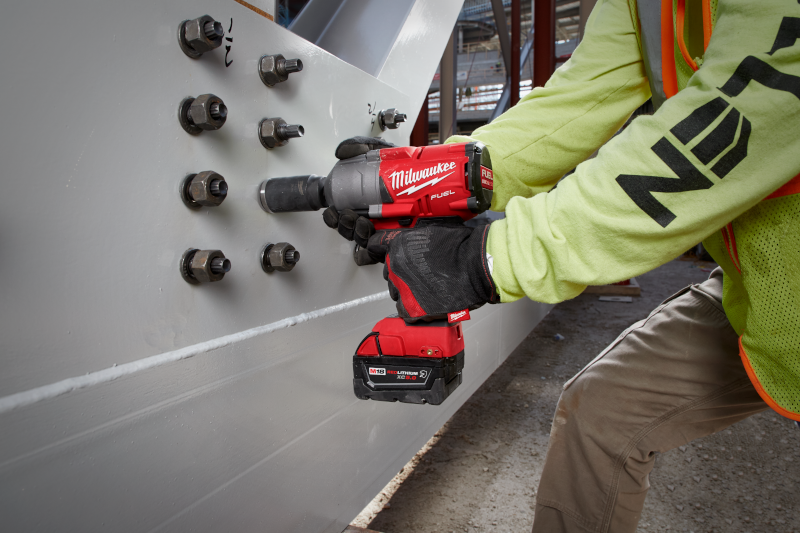
An impact wrench is a power tool designed to loosen or tighten nuts and bolts with strong rotational force. It combines spinning motion with rapid hammering impacts, which is why it can break free fasteners that hand tools often cannot.
That impact action is the heart of how to use an impact wrench well. Instead of forcing your wrist and arm to do all the work, the tool does the hard part in short bursts. I first learned this the hard way while changing a set of seized wheel nuts on an older truck. A regular ratchet barely moved them, but the impact wrench handled them in seconds.
Impact wrenches come in a few common types:
• Air impact wrench: Uses compressed air and is common in auto shops
• Cordless impact wrench: Runs on a battery and is the most convenient for home use
• Electric corded impact wrench: Plugs into a wall outlet and offers steady power
Most people use an impact wrench for car repairs, machinery work, construction jobs, and heavy fastening tasks. It is not just about speed. It is about control, consistency, and saving your hands from strain.

When you should use an impact wrench
Knowing when to use an impact wrench is just as important as knowing how to use an impact wrench. This tool shines when a fastener is tight, rusted, overtorqued, or too large for easy hand removal.
Good use cases include:
• Removing lug nuts during tire changes
• Tightening bolts on trailers and equipment
• Breaking loose rusted or old fasteners
• Working on suspension and brake components
• Assembly jobs that require repeated fastening
It is not the best choice for every job. For delicate parts, small screws, or final precision tightening, a hand wrench or torque wrench is usually better. I’ve seen people overuse impact wrenches and strip threads fast because they treated the tool like a finishing tool. It is really a muscle tool first, a precision tool second.
Choosing the right impact wrench
Before learning how to use an impact wrench, make sure you are using the right one for the job. The size, power, and drive type matter more than many beginners realize.
Here’s what to look at:
• Drive size: Common sizes are 1/4 inch, 3/8 inch, 1/2 inch, 3/4 inch, and 1 inch
• Torque rating: Higher torque means more turning force
• Power source: Cordless, corded, or pneumatic
• Weight and balance: A lighter tool is easier to control overhead or in tight spaces
• Speed settings: Multiple settings help you avoid overtightening
For most home users, a 1/2 inch cordless impact wrench is the sweet spot. It usually offers enough power for automotive and general repair work without being too bulky. In my experience, balance matters almost as much as torque. A tool that feels awkward in your hand gets tiring fast, especially when you are working under a car or reaching into a tight engine bay.
Safety steps before using an impact wrench
Safety should always come first when using an impact wrench. These tools are powerful, and that power can cause damage if you use them carelessly.
Follow these safety steps before starting:
• Wear safety glasses to protect your eyes from debris
• Use hearing protection, especially with air tools
• Inspect the tool, socket, and battery or air hose
• Make sure the fastener and work area are stable
• Keep hands clear of the socket and moving parts
• Remove jewelry and avoid loose clothing
One mistake I made early on was skipping eye protection because “it was just one quick bolt.” A bit of rust flew straight toward my face, and that was enough to change my habit for good. Tools like this deserve respect. They are helpful, but they are not toys.
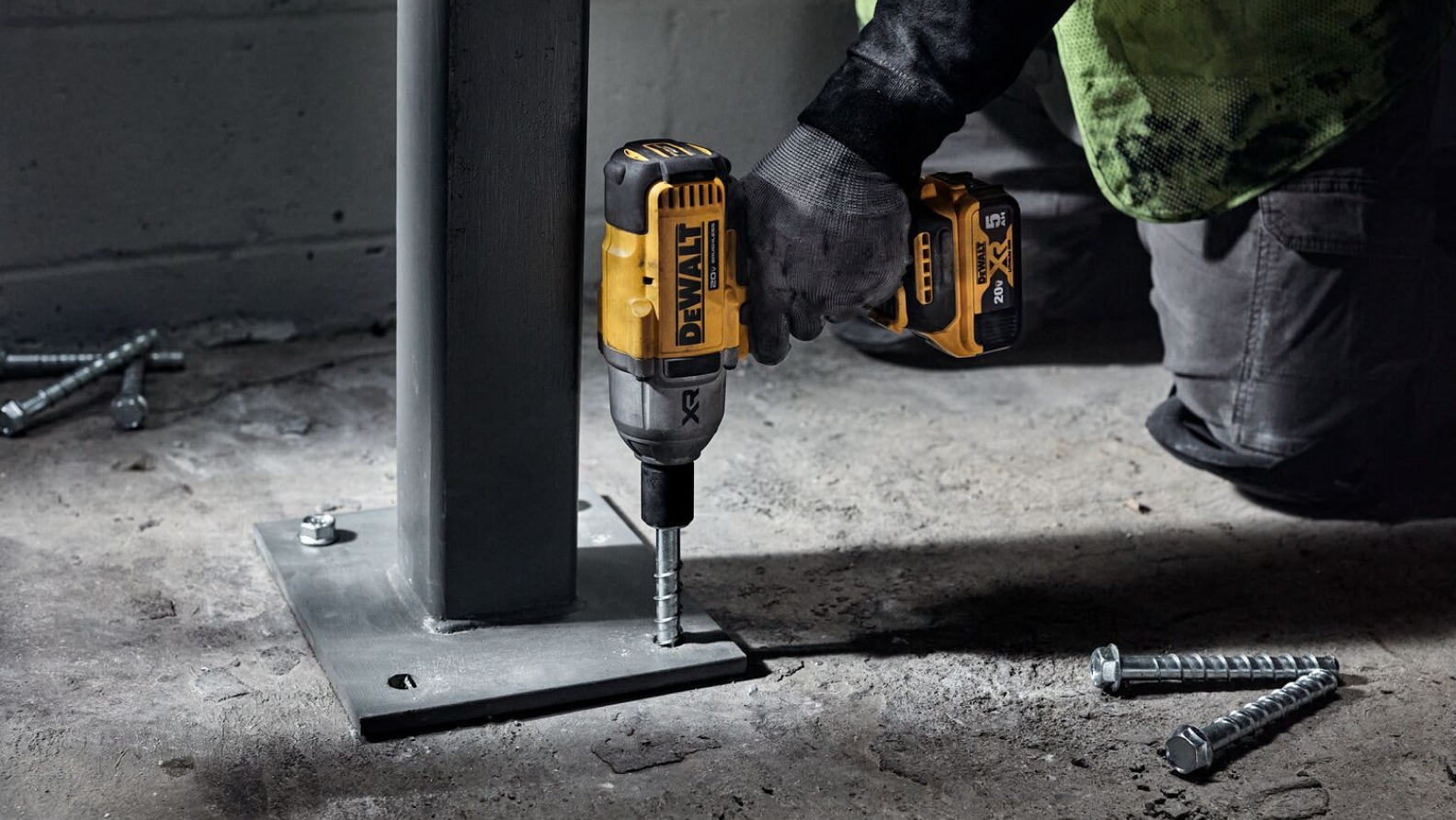
How to use an impact wrench step by step
Here is the clearest way to use an impact wrench safely and correctly.
-
Select the right socket
Use an impact-rated socket, not a standard chrome socket. Impact sockets are made to handle high force and reduce the risk of cracking. -
Attach the socket firmly
Push the socket onto the anvil until it locks in place. If it feels loose, do not use it. -
Set the tool properly
Choose the right speed or power mode if your wrench has one. Start with a lower setting if you are unsure. -
Position the tool squarely on the fastener
Keep the socket straight on the nut or bolt. A crooked angle can damage both the fastener and the socket. -
Brace the tool with two hands if needed
Hold the tool steady, especially on larger fasteners. Let the tool do the work without forcing it. -
Pull the trigger in short bursts
Use brief pulses rather than long full-throttle runs. This gives you better control and reduces the chance of overtightening. -
Stop when the fastener is snug
For tightening, do not rely on the impact wrench alone if exact torque matters. Finish with a torque wrench when the job requires precision. -
Remove the tool and inspect the result
Make sure the fastener is seated properly and there is no visible damage.
This step-by-step approach is the safest way to learn how to use an impact wrench. The tool should feel firm, not wild. Think of it like a hammer with a steering wheel. You guide it, but you do not wrestle it.
How to remove rusted or stuck bolts
One of the biggest reasons people learn how to use an impact wrench is to remove stubborn bolts. Rust, dirt, heat cycles, and years of vibration can make fasteners act like they are glued in place.
A few helpful tips:
• Spray penetrating oil on the fastener and let it sit
• Use the correct socket size to avoid rounding
• Apply short bursts instead of holding the trigger down
• Try tightening slightly before loosening if the bolt is badly seized
• Clean the threads after removal if they are corroded
I’ve found that patience often beats brute force. If a bolt does not move right away, giving it a few seconds with penetrating oil and then coming back can make a huge difference. That small pause can save the fastener, the tool, and a lot of frustration.
How to tighten bolts without overtightening
A common beginner mistake is assuming an impact wrench can handle final tightening on its own. It can close the gap quickly, but it is not always accurate enough for final torque.
To avoid overtightening:
• Use the impact wrench to run the fastener down first
• Switch to a torque wrench for final tightening
• Use the lowest effective setting if your tool has adjustable power
• Stop as soon as the fastener seats firmly
This matters a lot for wheel lug nuts, engine parts, and anything with torque specs. Too much force can stretch bolts, damage threads, warp parts, or make future removal harder. That is one of the biggest lessons in how to use an impact wrench: strong is good, but controlled is better.
Best practices for impact sockets and accessories
The right accessories make the tool safer and more effective. Standard sockets are not built for the repeated shock of an impact wrench.
Use these accessories:
• Impact sockets with black oxide or similar impact-safe finish
• Socket retainers or locking rings if needed
• Extension bars rated for impact use
• Deep sockets for recessed bolts
• Quality adapters from trusted brands
Avoid cheap adapters that flex too much or crack under load. I’ve seen bargain sockets split on the first stubborn bolt, and that can turn a simple job into a dangerous one. Good accessories are part of using an impact wrench the right way, not an extra luxury.

Common mistakes to avoid
Even a good tool can cause problems if it is used badly. These are the mistakes I see most often when people learn how to use an impact wrench.
• Using non-impact sockets
• Starting with too much power
• Holding the trigger too long
• Using the wrench to finish torque-critical fasteners
• Working at an angle instead of square on the bolt
• Ignoring rust or damaged threads
• Forgetting safety glasses and hearing protection
A lot of people think more force means better results. In reality, force without control usually leads to broken parts or stripped threads. The best users of impact wrenches are not the strongest ones. They are the ones who know when to ease off.
Cordless vs. air impact wrench: which is better?
Both tools work well, but they fit different needs.
Cordless impact wrench:
• Easy to carry anywhere
• Great for home garages and roadside work
• No hose or compressor needed
• Often quieter and more convenient
Air impact wrench:
• Very strong and consistent
• Great for long shop sessions
• Lighter in the hand because the motor is not in the tool
• Requires a compressor and hose setup
For most DIY users, cordless is the easier choice. For professional shops, air tools still have a place because they can run all day with dependable output. I like cordless for quick jobs and air for bench work where I do not want to worry about battery life.
Maintenance tips to keep your impact wrench working well
A well-kept tool lasts longer and performs better. If you want reliable results from an impact wrench, regular care is worth the time.
Basic maintenance tips:
• Clean dust and grime after use
• Check sockets and anvil wear
• Charge batteries properly and store them in a cool, dry place
• Add air tool oil if you use a pneumatic wrench
• Inspect the trigger, battery contacts, and housing for damage
• Follow the manufacturer’s service schedule
A tool that starts to sound weak or uneven may need service. Ignoring small problems usually leads to bigger ones later. Good maintenance is part of good technique, and it keeps the tool ready when you need it most.
Frequently Asked Questions
How do you use an impact wrench on lug nuts?
Use the correct impact socket, place the wrench squarely on the lug nut, and use short bursts to loosen or snug it. For final tightening, use a torque wrench so the wheel is secured to the proper spec.
Can an impact wrench remove rusted bolts?
Yes, an impact wrench is often one of the best tools for rusted bolts because the hammering action helps break corrosion loose. For best results, use penetrating oil first and let it soak before trying again.
Do you need special sockets for an impact wrench?
Yes, you should use impact-rated sockets because they are made to handle the shock and force of the tool. Standard chrome sockets can crack or shatter under repeated impact use.
Is an impact wrench the same as an impact driver?
No, they are different tools. An impact wrench is mainly used for nuts and bolts, while an impact driver is usually used for driving screws and smaller fasteners.
How tight should you make bolts with an impact wrench?
Only tighten them until they are snug unless the job does not require a specific torque. If the fastener has a torque spec, finish with a torque wrench to avoid overtightening or damage.
Conclusion
Learning how to use an impact wrench is really about combining power with control. When you choose the right tool, use impact sockets, keep the tool square, and finish critical fasteners with a torque wrench, you get faster work and safer results.
The more you use an impact wrench the right way, the more natural it feels. Start with small jobs, build good habits, and respect the tool’s strength. If this guide helped you, explore more tool tips, keep learning, and leave a comment with your own experience using an impact wrench.