Immersion Blender vs Regular Blender
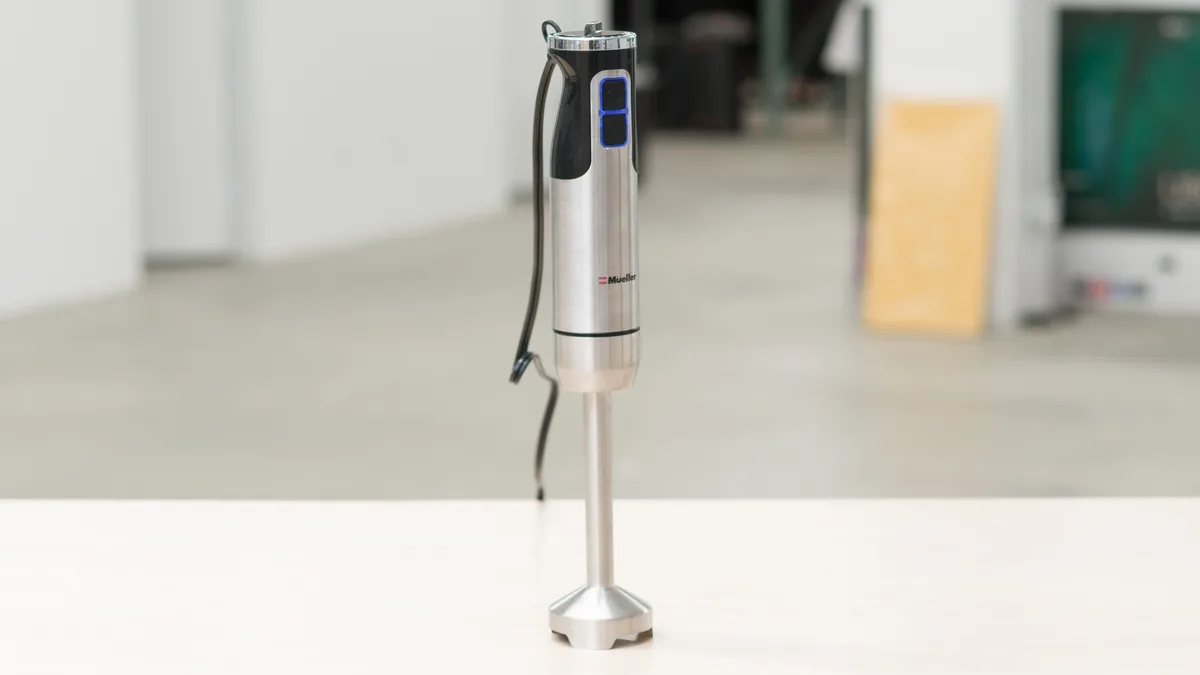
Image source: Bing (Web (fair-use with source credit))
If you're trying to decide between an immersion blender and a regular blender, you're not alone. These two kitchen staples, while both designed for blending, tackle different tasks and offer unique benefits. Understanding their strengths helps you pick the right one for your cooking style and kitchen needs.
In our research, we found that while a powerful regular blender boasts a motor often exceeding 1000 watts, an immersion blender typically ranges from 150 to 800 watts, highlighting their different intended uses. Knowing these distinctions is the first step to making a smart choice.
Quick Answer
An immersion blender is best for blending soups and sauces directly in their pots, while a regular blender excels at making large batches of smoothies, crushing ice, and handling tougher ingredients. Choose an immersion blender for convenience and portability, and a regular blender for power and capacity. Many home cooks benefit from owning both for different culinary tasks.
Understanding the Difference: What They Are and How They Work
At their core, both immersion blenders and regular blenders are kitchen tools designed to liquefy, puree, or mix ingredients using rotating blades. However, their design dictates how and where you use them, leading to vastly different culinary applications.
Immersion Blender: The Pot-Friendly Powerhouse
An immersion blender, often called a stick blender, is a handheld appliance. It features a motor housed in a handle connected to a shaft with a blade at the bottom. You simply plunge the blade end directly into your food to blend.
This design makes it incredibly convenient for tasks where you don't want to transfer ingredients, like blending hot soups right in the pot.
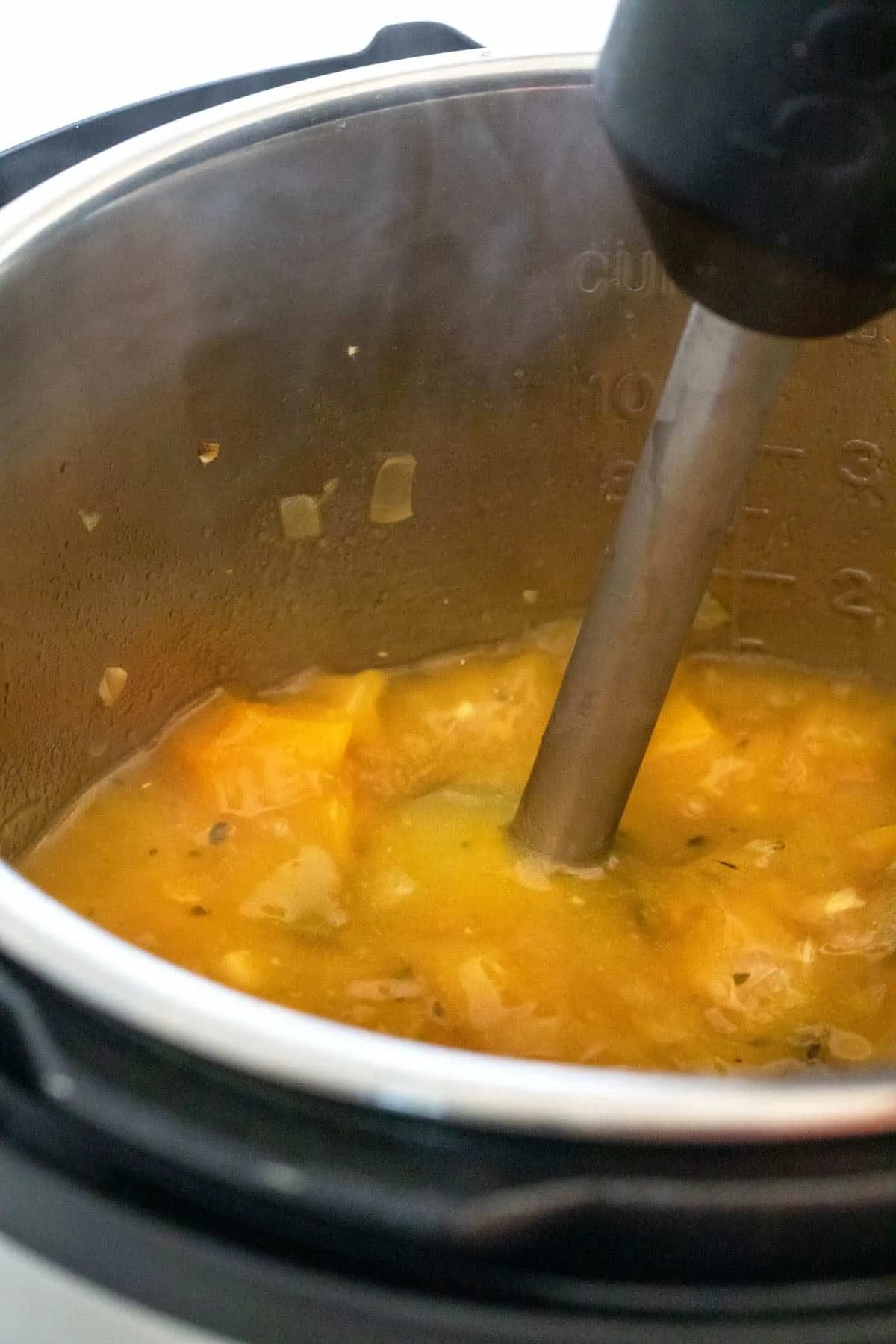
Image source: Bing (Web (fair-use with source credit))
Regular Blender: The Countertop Champion
A regular blender, also known as a jug blender or countertop blender, is a more substantial appliance. It consists of a base containing the motor, with a removable pitcher or jug that holds the ingredients and the blade assembly. You place your ingredients in the jug, secure the lid, and operate it from the base.
These are typically more powerful and are designed for larger volumes and tougher blending jobs.
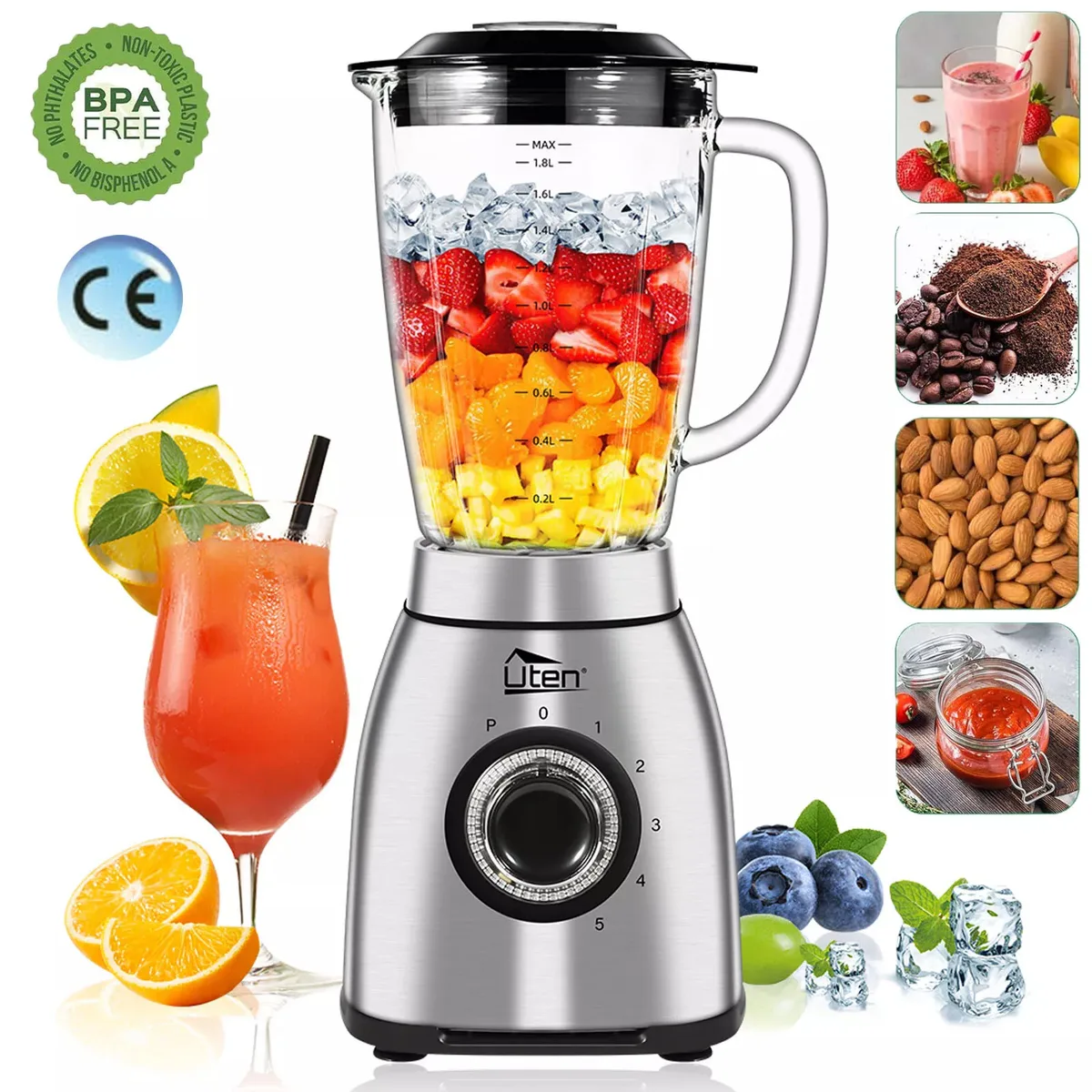
Image source: Bing (Web (fair-use with source credit))
Key Features: What Makes Them Tick
The features of an immersion blender and a regular blender are tailored to their specific functions. These details are what really set them apart and help you decide which tool is right for a given job.
Immersion Blender Specs: Portability and Attachments
Immersion blenders are defined by their compact, handheld design. Their motors are usually less powerful than countertop models, with wattages typically ranging from 150 to 800 watts. Many models come with interchangeable attachments, such as a whisk for whipping cream or egg whites, and a small chopper bowl for nuts or herbs.
This versatility, combined with their small size, makes them very user-friendly for everyday tasks and easy to store.
Regular Blender Specs: Power, Capacity, and Blade Systems
Regular blenders are built for robust performance. Their motors can range significantly, from basic models around 300 watts to high-speed blenders exceeding 1000 watts, like those used for professional-grade smoothies. The jugs are often made of durable BPA-free plastic or glass and come in various capacities, commonly between 1.5 to 2 liters.
The blade systems are designed for efficiency in crushing ice and pureeing tough ingredients, making them ideal for recipes that demand significant blending power. As of 2026, many new models also feature advanced programming and self-cleaning cycles.
The Big Showdown: Direct Comparison
When you're standing in the kitchen, ready to blend, the choice between an immersion blender and a regular blender often comes down to the specific task at hand. They're not really interchangeable, and understanding their direct strengths and weaknesses is key to making the best decision.
Immersion Blender vs. Regular Blender: Side-by-Side
Here’s a quick look at how they stack up against each other for common kitchen needs.
| Feature | Immersion Blender | Regular Blender |
|---|---|---|
| Best For | Soups, sauces, small batches, emulsions | Smoothies, ice crushing, large batches, tough ingredients |
| Portability | High (handheld) | Low (countertop appliance) |
| Motor Power | Typically 150–800 watts | Typically 300–1200+ watts |
| Cleanup | Easy (rinse blade) | More involved (jug, lid, blade assembly) |
| Space Required | Minimal storage, uses pot/bowl | Counter space, cabinet storage |
| Hot Liquids | Safe to use directly in pot | Requires careful transfer, potential hazard |
| Attachments | Often includes whisk, chopper | Usually limited to the main jug |
| Price Range | Generally lower ($30–$100) | Wider range, can be higher ($50–$300+) |
Who Needs What? Best Use Cases for Each
The most effective way to choose between an immersion blender and a regular blender is to think about what you cook most often. Each appliance shines in specific scenarios, making one a better fit than the other depending on your culinary habits.
When an Immersion Blender Shines: Soups, Sauces, and Small Batches
If you're a fan of homemade soups, creamy sauces, or quick dips, an immersion blender is an absolute game-changer. Its ability to blend ingredients directly in the cooking pot or serving bowl means significantly less cleanup, often just a quick rinse of the blade attachment. This convenience is hard to beat for pureeing tomato soup, making hollandaise sauce, or whipping up a pesto for pasta.
They're also fantastic for single servings of smoothies or milkshakes, especially if you're short on counter space or just want a quick fix without hauling out a larger appliance. Many users find it’s the best tool for making baby food from fresh ingredients.
When a Regular Blender Takes the Lead: Smoothies, Ice, and Big Batches
A regular blender is your go-to for anything requiring serious blending power and volume. If you regularly make protein shakes, smoothies with frozen fruit or ice, or large batches of dips like hummus, a countertop blender is essential. Its robust motor and specialized blade design are built to pulverize ice, frozen ingredients, and even tough items like nuts for nut butter, tasks that would overwhelm most immersion blenders.
For entertaining, making multiple drinks for a family, or prepping ingredients for a large meal, the capacity and power of a regular blender are invaluable. For truly demanding tasks like making nut butter, a high-speed blender is often recommended.
Avoiding Kitchen Mishaps: Common Mistakes to Sidestep
Even with the right tool, it’s easy to run into trouble if you’re not aware of common pitfalls. Understanding these mistakes can save you time, prevent frustration, and help you get the best results from your blender, whether it's an immersion or a regular model.
Immersion Blender Pitfalls to Watch For
One frequent mistake is overheating the motor. If you’re blending a large batch or a particularly thick mixture, give your immersion blender breaks to cool down. Manufacturer specifications often suggest a maximum continuous run time, typically around 30-60 seconds for basic models.
Another common error is submerging the motor housing unit, which can lead to electrical damage or even shock. Always ensure the blade end is submerged, but the handle and motor are kept well clear of the liquid.
Regular Blender Blunders to Prevent
A classic error with regular blenders is overfilling the jug. This can cause ingredients to splash out the top or lead to uneven blending. Always leave some headspace, and never fill beyond the "max fill" line indicated on the jug.
Trying to blend too many hard ingredients at once, like large chunks of ice or frozen fruit, can also strain the motor or damage the blades. It's better to add these gradually and allow the motor to work through them. Many users also overlook the importance of securing the lid properly, leading to messy spills.
For those making smoothies for protein shakes, ensuring the lid is firmly in place is crucial.
Making the Choice: Which Blender Fits Your Needs?
Deciding between an immersion blender and a regular blender ultimately boils down to your personal cooking style, the types of dishes you prepare, and your kitchen setup. There isn't a single "best" option; it's about finding the tool that best serves your needs.
Quick Guide: Your Cooking Habits Dictate Your Choice
If you frequently make creamy soups, sauces, or dips that need to be pureed directly in their pots or bowls, an immersion blender is likely your best bet. Its portability and ease of cleaning make it ideal for quick tasks and smaller kitchens. On the other hand, if your kitchen routine involves making large volumes of smoothies, crushing ice for drinks, or processing tougher ingredients like nuts or fibrous vegetables, a regular blender with its higher power and capacity will serve you better.
For those who enjoy a variety of culinary tasks, owning both can provide the most flexibility.
Everyday Care: Keeping Your Blender in Top Shape
Proper maintenance ensures your blender, whether immersion or regular, performs reliably for years. Both types require simple cleaning after each use to prevent food buildup and maintain hygiene.
For immersion blenders, after unplugging, simply detach the blade attachment and rinse it under warm running water with a little soap. Some models are dishwasher safe, but always check the manufacturer’s instructions to avoid damage. Regular blenders require a bit more attention.
Rinse the jug immediately after use. You can often clean the jug by adding warm water and a drop of dish soap, then blending for about 30 seconds to loosen residue. Afterward, rinse thoroughly.
Ensure all parts are completely dry before reassembling or storing to prevent mildew.
Frequently Asked Questions About Kitchen Blenders
What is the primary difference in power between immersion and regular blenders?
In our research, regular blenders generally boast higher wattage, often ranging from 300 to over 1200 watts for high-speed models, enabling them to tackle tougher jobs like crushing ice. Immersion blenders typically have lower wattages, from 150 to 800 watts, making them better suited for softer ingredients and in-pot blending.
Can an immersion blender replace a regular blender entirely?
While versatile, an immersion blender usually cannot replace a regular blender for tasks like making large batches of smoothies, crushing significant amounts of ice, or processing very hard ingredients like nuts for nut butter. Their power and capacity are typically too limited for these demanding jobs.