How To Use A Steering Wheel Cover: Easy Fit Guide
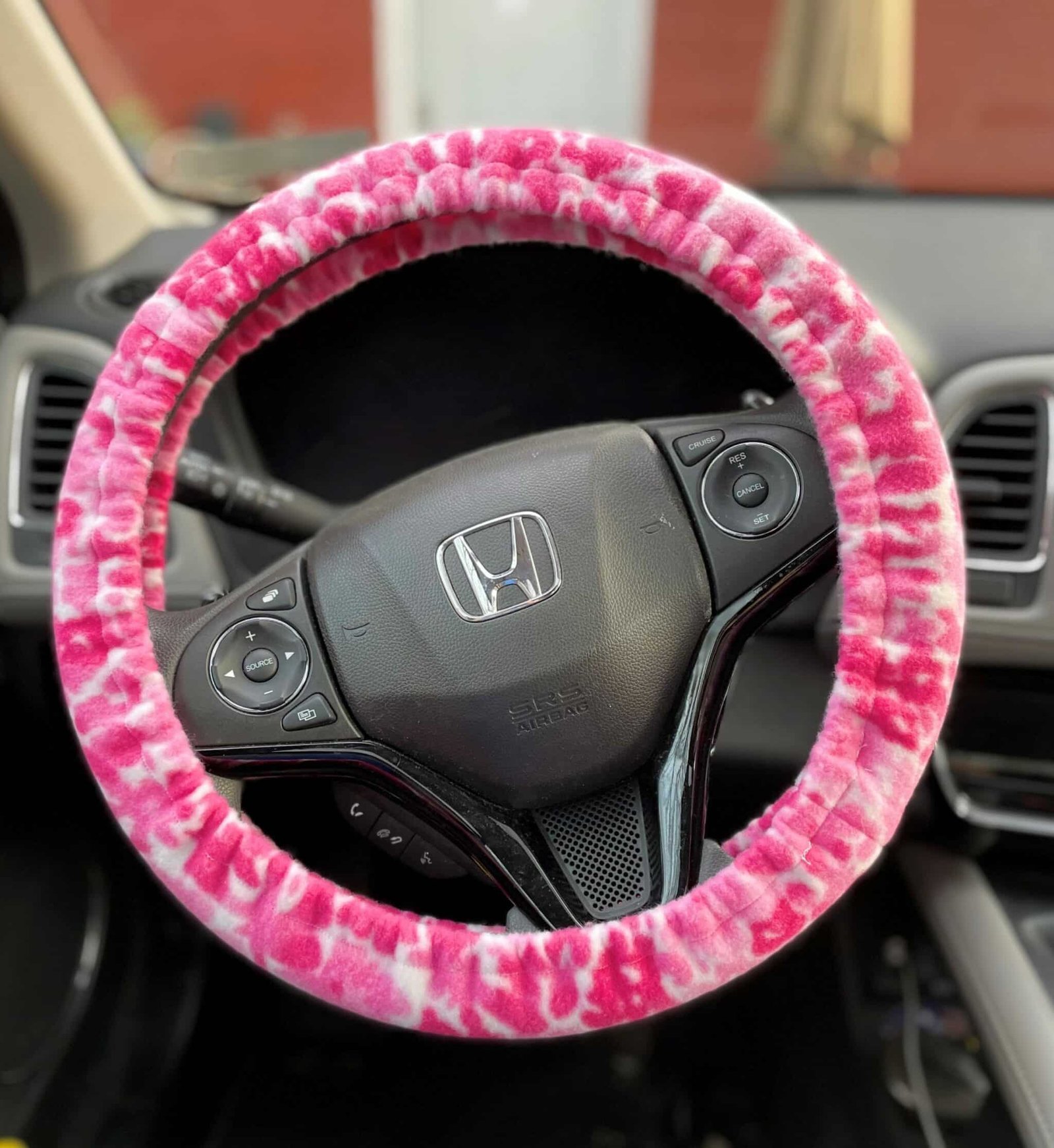
A steering wheel cover is used by stretching it over the wheel and aligning it snugly for a secure grip.
If you have ever wondered how to use a steering wheel cover the right way, you are in the right place. I have fitted more than a few covers over the years, and the difference between a loose cover and a proper fit is huge. A good install can improve grip, comfort, and steering feel, while a bad one can slip, bunch up, or just feel annoying every time you drive.
What a Steering Wheel Cover Does
A steering wheel cover is more than a style upgrade. It changes how the wheel feels in your hands and can make daily driving more comfortable.
Many drivers use one for:
• Better grip on hot, cold, or sweaty hands
• Less hand fatigue on long drives
• Protection for the original steering wheel
• A cleaner look inside the car
• A better feel if the factory wheel is worn or slippery
In simple terms, how to use a steering wheel cover starts with choosing the right size and installing it with even pressure all the way around. That sounds easy, but the fit matters a lot.

Choose the Right Steering Wheel Cover
Before you install anything, make sure the cover matches your wheel size. Most passenger cars use wheels around 14.5 to 15 inches, but not all do.
Check these details first:
• Wheel diameter
• Wheel thickness
• Material of the cover
• Grip texture
• Whether the cover is elastic, leather, or slip-on style
A cover that is too small may be hard to install and may stretch too much. A cover that is too large can spin while driving, which is not safe.
From my own experience, the biggest mistake people make is buying by looks alone. A cover can look great online and still feel wrong in the hand if the size is off by even a little.
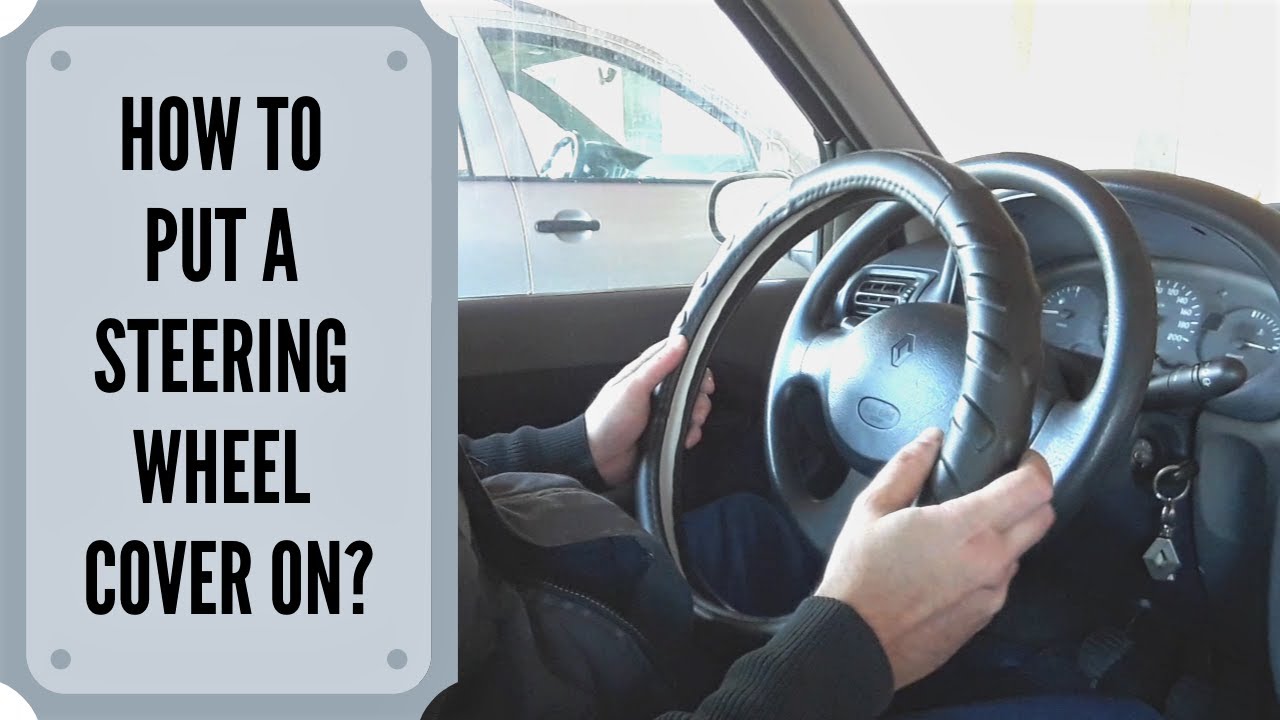
How to Use a Steering Wheel Cover Step by Step
Learning how to use a steering wheel cover is really about taking your time during installation. The process is simple, but the details make the difference.
1. Clean the steering wheel
Wipe the wheel with a clean, dry microfiber cloth. If the wheel is greasy or dusty, the cover may not sit as well.
If needed, use a mild interior cleaner and let the surface dry fully. A clean wheel helps the cover grip better and keeps dirt from getting trapped underneath.
2. Warm the cover if needed
Some covers, especially leather or thick rubber ones, are easier to install when warm. You can leave the cover in a warm room or let it sit in the sun for a few minutes.
Avoid using very high heat. You want flexibility, not damage.
3. Start at the top of the wheel
Line up the cover at the 12 o’clock position first. Press the top edge over the wheel and hold it in place.
This is the part where patience matters most. If the top is centered, the rest gets easier.
4. Work your way down both sides
Pull the cover over the left and right sides little by little. Use steady pressure and keep the fit even.
It helps to use both hands and stretch small sections at a time rather than trying to force the whole thing on at once.
5. Finish at the bottom
Once the sides are on, pull the lower section over the wheel. This may take the most effort.
If the cover has a tight fit, press around the entire wheel to smooth out any bumps or folds. A snug finish is what you want.
6. Check alignment
Make sure the seam is centered and the cover sits evenly around the wheel. Rotate the wheel a little and check that nothing slides.
If the cover shifts, remove it and reinstall it. A small adjustment now can save a lot of frustration later.
7. Test it before driving
Grip the wheel and turn it while parked. The cover should feel secure with no twisting or slipping.
If it moves too much, it is not installed correctly or the size may be wrong.
Common Mistakes to Avoid
A lot of people rush the process and end up with a poor fit. That usually leads to a cover that feels awkward every time they drive.
Watch out for these mistakes:
• Buying the wrong size
• Installing it on a dirty wheel
• Forcing the cover on unevenly
• Ignoring loose spots or wrinkles
• Using a cover that blocks controls or feels too thick
One mistake I made early on was stretching a leather cover too quickly. It looked installed, but one side sat higher than the other. The result was a wheel that felt “off” every time I turned.
Benefits of Using a Steering Wheel Cover
Once you know how to use a steering wheel cover properly, the benefits are easy to notice. It can improve both comfort and control.
Here are the main advantages:
• Better grip in all weather
• More comfort during long commutes
• Protection from wear, sun damage, and sweat
• A more personalized cabin look
• Reduced slipping when hands are dry or damp
Some materials, like textured rubber or perforated leather, can also help if your original wheel feels too smooth. That small change can make driving feel more natural.
Best Materials for Steering Wheel Covers
Different materials work better for different needs. Choosing the right one makes learning how to use a steering wheel cover much easier.
Leather
Leather feels premium and often lasts a long time. It is a popular choice for drivers who want comfort and a clean look.
Faux leather
Faux leather is usually more affordable and easier to maintain. It can still look sharp if you want style on a budget.
Rubber or silicone
These covers are great for grip. They are helpful if you want a non-slip feel, especially in humid or rainy weather.
Fabric or mesh
Fabric covers can feel soft and breathable. They are comfortable but may wear faster than leather or rubber.
Heated or padded covers
Some covers are made for extra comfort or temperature control. These can be useful in cold climates, but they should never interfere with steering feel.
Safety Tips When Using a Steering Wheel Cover
Safety should always come first. A steering wheel cover should help your driving, not distract from it.
Keep these tips in mind:
• Make sure the cover does not slip
• Do not install one that is too thick for your grip
• Avoid covers that hide buttons or controls
• Check that the cover does not block airbag-related components
• Replace worn covers before they peel or loosen
According to common automotive safety guidance, anything that changes the wheel’s shape or grip should be checked for fit and stability. If the cover feels unstable, it is not worth the risk.
How to Maintain a Steering Wheel Cover
Once you know how to use a steering wheel cover, a little care will keep it looking and feeling better for longer.
Try this routine:
• Wipe it down weekly with a soft cloth
• Clean spills right away
• Use mild cleaner only if the material allows it
• Keep it out of harsh sun when parked for long periods
• Check for cracks, peeling, or stretching over time
I have found that regular wiping makes a big difference, especially for covers that collect hand oils. It is a small habit, but it keeps the wheel from feeling sticky or worn.
When to Replace a Steering Wheel Cover
Even a good cover will not last forever. If it starts to slip, crack, or feel rough, it is time for a new one.
Replace it if you notice:
• Visible wear or peeling
• Loose fit
• Bad smell that will not go away
• Reduced grip
• Damage from heat or sun
A worn cover can be just as annoying as a bad fit. Replacing it early is usually the smarter move.
Frequently Asked Questions of How to use a steering wheel cover
How tight should a steering wheel cover be?
It should fit snugly and not rotate when you turn the wheel. If it moves easily by hand, it is too loose.
Can I install a steering wheel cover by myself?
Yes, most steering wheel covers are made for easy DIY installation. Some tight covers may take extra effort, but they can still be installed at home.
Do steering wheel covers damage the wheel?
A properly fitted cover should not damage the wheel. Problems usually happen when dirt gets trapped underneath or when the cover is installed too tightly or removed carelessly.
What is the easiest steering wheel cover to install?
Elastic slip-on covers are usually the easiest to install. They stretch over the wheel with less effort than thick leather or stitched covers.
Can a steering wheel cover improve driving comfort?
Yes, many drivers find that a cover improves grip and reduces hand strain. It can also make hot or cold steering wheels more comfortable to hold.
Conclusion
Knowing how to use a steering wheel cover the right way can make a small but real difference every time you drive. The key is simple: choose the right size, install it evenly, and keep it clean and secure.
A good steering wheel cover should feel like part of the car, not an extra layer fighting against you. If you take a few minutes to do it right, you can enjoy better grip, more comfort, and a cleaner-looking interior. Try the steps above, and if you found this guide useful, explore more car care tips or leave a comment with your own experience.