How To Use A Portable Air Compressor: Easy Guide
A portable air compressor inflates tires, powers tools, and handles small jobs quickly with safe setup.
If you know how to use a portable air compressor the right way, it becomes one of those tools you reach for all the time. It can save you from low tire pressure, speed up home projects, and make roadside fixes a lot less stressful. I’ve used portable air compressors in garages, driveways, and job sites, and the difference between “easy” and “frustrating” usually comes down to a few simple steps.
What a portable air compressor does
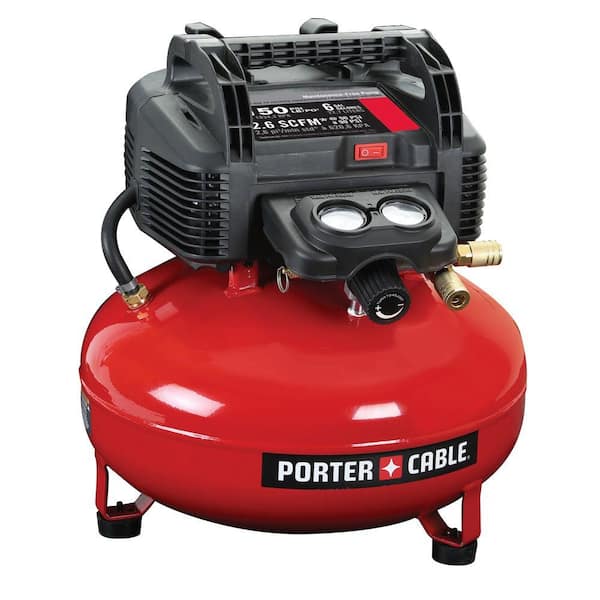
A portable air compressor takes in air and squeezes it into a tank or direct outlet so you can use it for inflation or light pneumatic work. Most people use one for car tires, bike tires, sports balls, air mattresses, and nailers. Some models are small enough to keep in a trunk, while others are better for garage use.
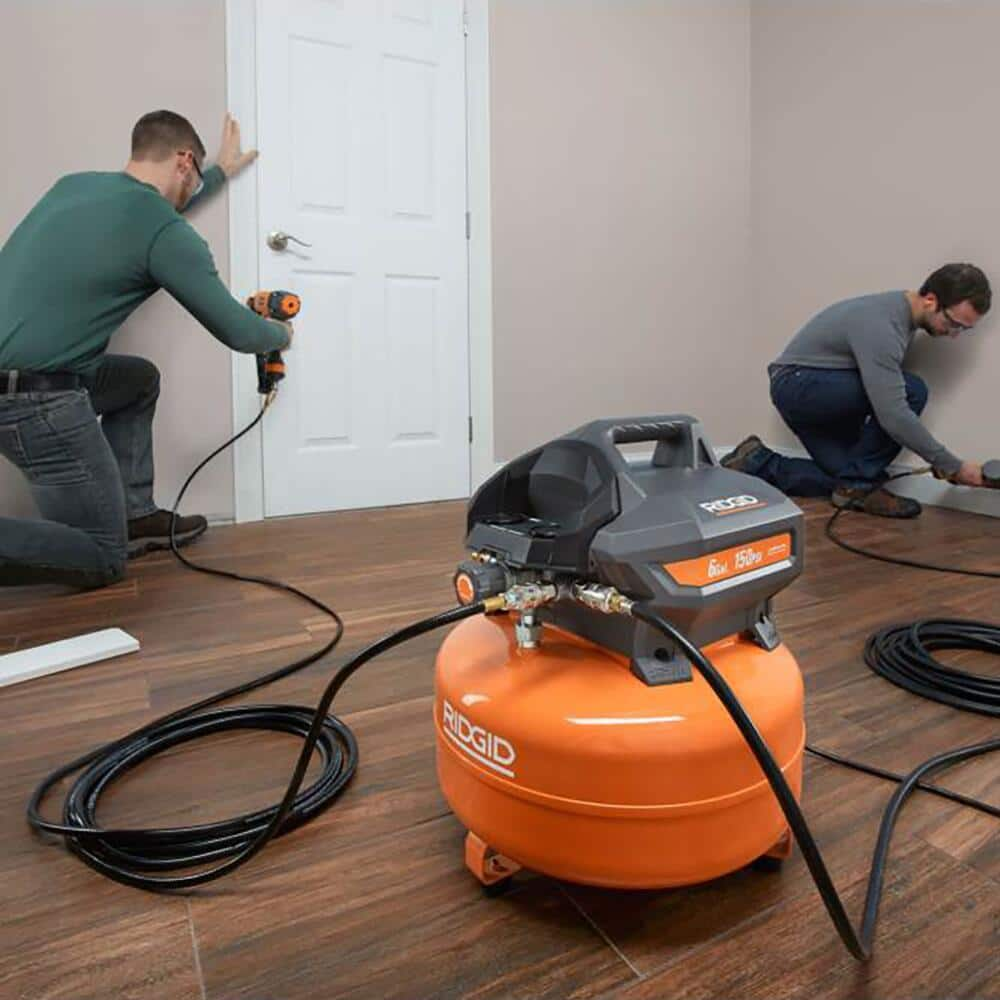
The main idea is simple: the compressor creates compressed air, and that air flows through a hose into whatever you need to fill. The important part is matching the tool to the task. A small compressor may be perfect for tires, but not strong enough for heavy air tools.
How to use a portable air compressor
Using a portable air compressor is straightforward once you understand the parts and the process. The basic steps are: check the pressure you need, connect the hose, power the unit, inflate slowly, and stop at the right PSI. I always tell people to think of it like filling a glass of water, not a fire hose.
Here’s a simple step-by-step guide:
-
Check the recommended PSI
Look at the tire sidewall, product label, or owner’s manual. For car tires, the correct pressure is usually listed on the driver-side door jamb, not the tire itself. -
Place the compressor on a flat surface
Keep it stable so it does not tip over during use. Good airflow around the unit also helps prevent overheating. -
Connect the hose or chuck
Attach the air hose firmly to the tire valve or inflating nozzle. A loose connection can waste air and make the compressor work harder. -
Turn on the compressor
Power it with a wall outlet, car battery, or 12V plug, depending on the model. Wait for it to build pressure if it has a tank. -
Inflate in short bursts
Add air a little at a time and check the pressure often. This helps you avoid overinflating, which is one of the most common mistakes I see. -
Stop at the target pressure
Remove the hose and replace the valve cap. Recheck after a minute if you want to confirm the reading settled correctly.
If your compressor has a built-in gauge, use it as a guide, but I still recommend checking with a separate tire gauge when accuracy matters. Built-in gauges are useful, but they are not always perfect.
Know your compressor before you start
Not all portable air compressors work the same way. Some are designed for inflating tires, while others can handle a wider range of air tools. Before you use a portable air compressor, it helps to know whether you have a direct-drive inflator, a tank compressor, or a cordless unit.
Here are the most common types:
- 12V car compressor: Plugs into a vehicle outlet and is great for roadside tire inflation.
- Cordless compressor: Runs on a battery and is easy to carry anywhere.
- Small tank compressor: Stores air and works better for repeated use.
- Heavy-duty portable compressor: Handles more demanding tasks but is usually larger and louder.
A few specs matter more than the rest:
- PSI: Pressure output. Higher PSI helps with inflation and some tools.
- CFM: Air volume. This matters more for air tools than for tires.
- Tank size: Larger tanks store more air but add weight.
- Duty cycle: How long the compressor can run before resting.
In my experience, beginners often focus only on PSI. That’s a mistake. PSI tells part of the story, but CFM and duty cycle matter a lot if you plan to use the compressor for anything beyond tires.

Safety checks before using a portable air compressor
A portable air compressor is simple to use, but safety still matters. Air under pressure can be useful, but it can also be dangerous if the hose is damaged or the pressure is too high. I’ve seen people rush this part, and that usually leads to heat, noise, or an overfilled tire.
Before you start, do these checks:
- Inspect the hose for cracks, leaks, or weak spots.
- Make sure the power cord and plug are in good shape.
- Check that the chuck, nozzle, or connector fits tightly.
- Confirm the compressor is rated for the job.
- Look for dust or debris around vents and intake areas.
- Keep your hands clear of moving parts.
A few smart habits go a long way:
- Wear eye protection if you are doing shop work.
- Use hearing protection if the compressor is loud.
- Do not leave a running compressor unattended.
- Let the unit cool down if it feels hot.
- Never exceed the recommended pressure for a tire or item.
According to standard shop safety guidance, compressed air should be handled carefully because excess pressure can damage equipment and cause injury. That is especially true when filling tires, since overinflation affects handling, braking, and tire wear.
How to inflate car tires with a portable air compressor
Inflating a car tire is one of the most common reasons people use a portable air compressor. The process is easy, but the details matter. A tire that is just a few PSI off can affect fuel economy, comfort, and safety.
Follow these steps:
-
Find the correct PSI
Check the sticker inside the driver-side door. That number is your target, not the number molded on the tire sidewall. -
Remove the valve cap
Keep it in a pocket or cup holder so it does not get lost. -
Attach the air chuck
Press it firmly onto the valve stem. If air hisses, adjust the fit until it seals better. -
Add air slowly
Use short bursts and watch the gauge. If your compressor fills fast, pause often to check the reading. -
Check with a tire gauge
Stop when you reach the correct pressure. A separate gauge gives you a more reliable reading. -
Replace the cap
Put the valve cap back on to help keep dirt and moisture out.
One tip from real-world use: tires often read a little different when they are cold. If you’ve driven a long distance, the pressure may rise a bit from heat. That is normal, so try to check tires when they are cold for the most accurate result.
How to use a portable air compressor for bikes, balls, and inflatables
A portable air compressor is not just for cars. It can also handle bikes, basketballs, pool toys, and air mattresses if you use the right nozzle. The trick is to match the attachment to the item.
For bikes:
- Use the correct valve type, such as Presta or Schrader.
- Inflate in small amounts.
- Avoid overfilling narrow tires.
For sports balls:
- Use a needle attachment.
- Moisten the needle slightly if the manufacturer allows it.
- Add air slowly because balls can get hard fast.
For air mattresses and toys:
- Use the correct large nozzle.
- Keep pressure low.
- Stop as soon as the item feels firm, not stiff.
I once made the mistake of using the wrong adapter on a bike tire, and it leaked air almost as fast as I added it. That taught me a simple lesson: the right attachment matters just as much as the compressor itself.
Best practices for getting accurate results
If you want to use a portable air compressor well, accuracy matters more than speed. Too much air is just as annoying as too little, and both can lead to problems. A careful routine saves time later.
Use these best practices:
- Check pressure before inflating.
- Inflate in short bursts.
- Let the compressor rest if it gets warm.
- Use a quality tire gauge for final checks.
- Keep the hose straight to reduce pressure loss.
- Store fittings where you can find them easily.
Also, pay attention to the compressor’s duty cycle. Some compact models are built for quick tasks only. If you run them too long, they may overheat or shut off. That is not a defect in many cases; it is simply the limit of a small machine.
Common mistakes to avoid
Even a good portable air compressor can be misused. Most problems come from rushing or skipping simple checks. The good news is that these mistakes are easy to avoid.
Common mistakes include:
- Overinflating tires
- Using the wrong nozzle or adapter
- Ignoring the PSI rating
- Running the compressor continuously for too long
- Failing to check for leaks
- Storing the unit with a wet hose
- Forgetting to tighten valve caps after use
One of the biggest issues I’ve seen is people trusting the compressor gauge blindly. It is helpful, but not always exact. For anything safety-related, like car tires, use a second gauge if you want better confidence in the reading.
Maintenance and storage tips
A portable air compressor lasts longer when you take care of it. Regular maintenance keeps it clean, safe, and ready when you need it. This is especially important if you keep it in a car trunk or garage where temperature and dust can change a lot.
Simple maintenance steps:
- Wipe dust off the unit after use.
- Drain moisture from tank models if your unit has a drain valve.
- Check hoses and cords for wear.
- Replace cracked fittings or damaged seals.
- Keep the intake vents clear.
- Store it in a dry, cool place.
Good storage matters too:
- Coil the hose loosely to avoid kinks.
- Keep attachments in one bag or case.
- Store the compressor away from direct sun.
- Do not leave battery units fully drained for long periods.
If you treat the compressor like a dependable tool instead of a throwaway gadget, it will usually return the favor. Small upkeep prevents most of the annoying failures people blame on the machine.
Choosing the right portable air compressor for your needs
If you are buying one, the best portable air compressor depends on what you plan to do. A roadside inflator is not the same as a garage compressor. Choosing the right one makes using it much easier.
Think about these factors:
- Portability: Do you need it for a car, home, or job site?
- Power source: Corded, 12V, or battery-powered?
- Noise level: Important if you live in a tight neighborhood or apartment garage.
- Pressure range: Match it to the items you inflate.
- Air delivery: More important for tools than tires.
- Extra features: Auto shutoff, digital gauge, LED light, and preset modes.
For most drivers, a compact 12V or cordless model is enough. For DIY users, a small tank compressor with more air capacity may be better. If you plan to use nail guns or impact tools, check CFM carefully before buying.
Frequently Asked Questions of How to use a portable air compressor
How do I know when to stop adding air?
Stop when the tire or item reaches the recommended pressure listed by the manufacturer. For car tires, use the door jamb label and double-check with a tire gauge if possible.
Can I use a portable air compressor on a flat tire?
Yes, but only to inflate it enough to drive safely to a repair shop if the tire is otherwise intact. If the tire is damaged, leaking badly, or coming off the rim, do not keep forcing air into it.
How long can I run a portable air compressor?
That depends on the model and its duty cycle. Small portable units are often built for short bursts, so let them rest if they become hot or sound strained.
Why does my compressor seem to lose pressure?
Leaks are often caused by a loose hose connection, a worn valve seal, or a damaged chuck. Check the fittings first, because many pressure issues come from simple seal problems.
Do I need a special compressor for bike tires?
You do not need a special compressor, but you do need the right adapter and the correct pressure range. Bike tires often need precise inflation, so go slowly and use a proper gauge.
Is it okay to leave a portable air compressor in my car?
Yes, many people keep one in the trunk for emergencies. Just make sure extreme heat or cold will not damage the battery, hose, or plastic parts over time.
Conclusion
Learning how to use a portable air compressor is really about a few smart habits: check the pressure, use the right attachment, inflate slowly, and verify your result. Once you get the rhythm, the tool becomes simple, fast, and genuinely useful for everyday life. It can save you time, prevent tire problems, and make small jobs feel far less annoying.
The best part is that you do not need to be an expert to use one well. Start with the basics, avoid the common mistakes, and keep your compressor maintained so it is ready when you need it. If this guide helped, explore more practical tool tips, share your experience, or leave a comment with the job you want to tackle next.