How To Use A Tire Pressure Gauge: Easy Steps
A tire pressure gauge lets you check air pressure fast, so you can keep tires safe, efficient, and stable.
Knowing how to use a tire pressure gauge is one of those small car-care skills that pays off every time you drive. I’ve checked plenty of tires over the years, and the pattern is always the same: a few minutes with a gauge can help improve handling, fuel economy, tire life, and peace of mind. If you want a simple, accurate way to keep your tires in shape, this guide will walk you through it step by step.
Why tire pressure matters
Tire pressure affects almost everything your car does on the road. It changes how the tires grip, how the steering feels, how evenly the tread wears, and how much fuel your vehicle uses. Even a small drop in pressure can make a tire feel soft and less responsive.
Underinflated tires can heat up more, wear faster on the edges, and reduce fuel efficiency. Overinflated tires can feel harsh, reduce the contact patch, and wear more in the center. I have seen drivers blame their suspension or alignment when the real issue was simply low air pressure.
Most vehicles have a recommended tire pressure listed on a sticker inside the driver’s door jamb. That number matters more than the number printed on the tire sidewall, because the sidewall shows the tire’s maximum pressure, not the correct daily setting for your car.
What a tire pressure gauge does
A tire pressure gauge measures the amount of air inside a tire, usually in pounds per square inch, or PSI. It gives you a quick reading so you can compare it to the recommended pressure for your vehicle. That helps you know whether to add air, remove air, or leave the tire alone.
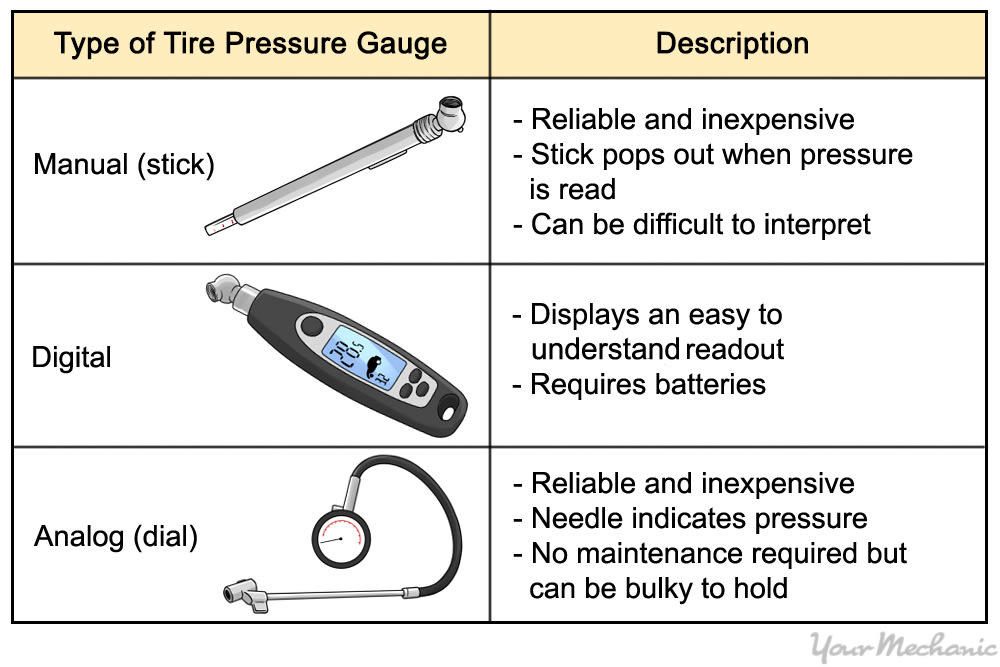
There are a few common types of tire pressure gauges:
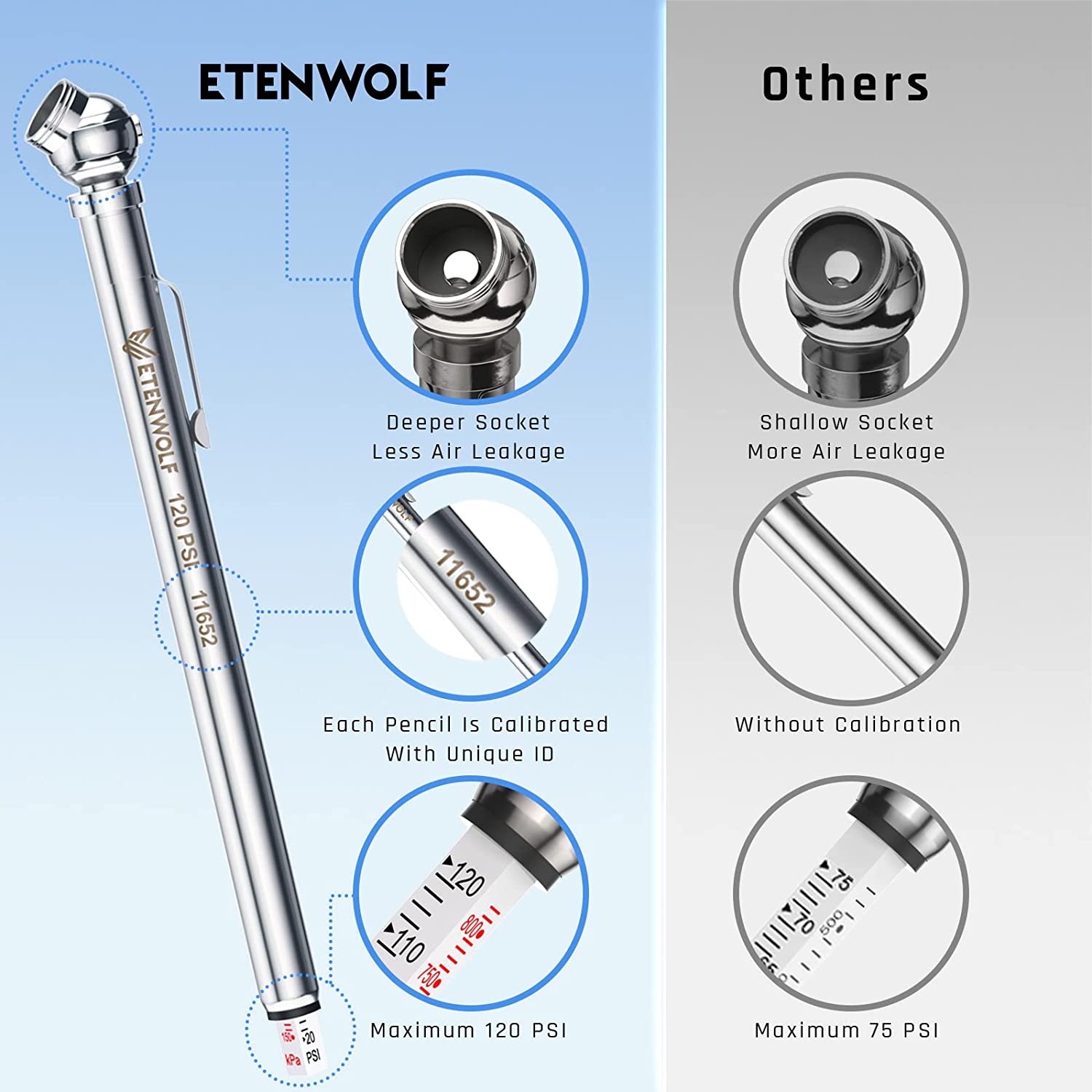
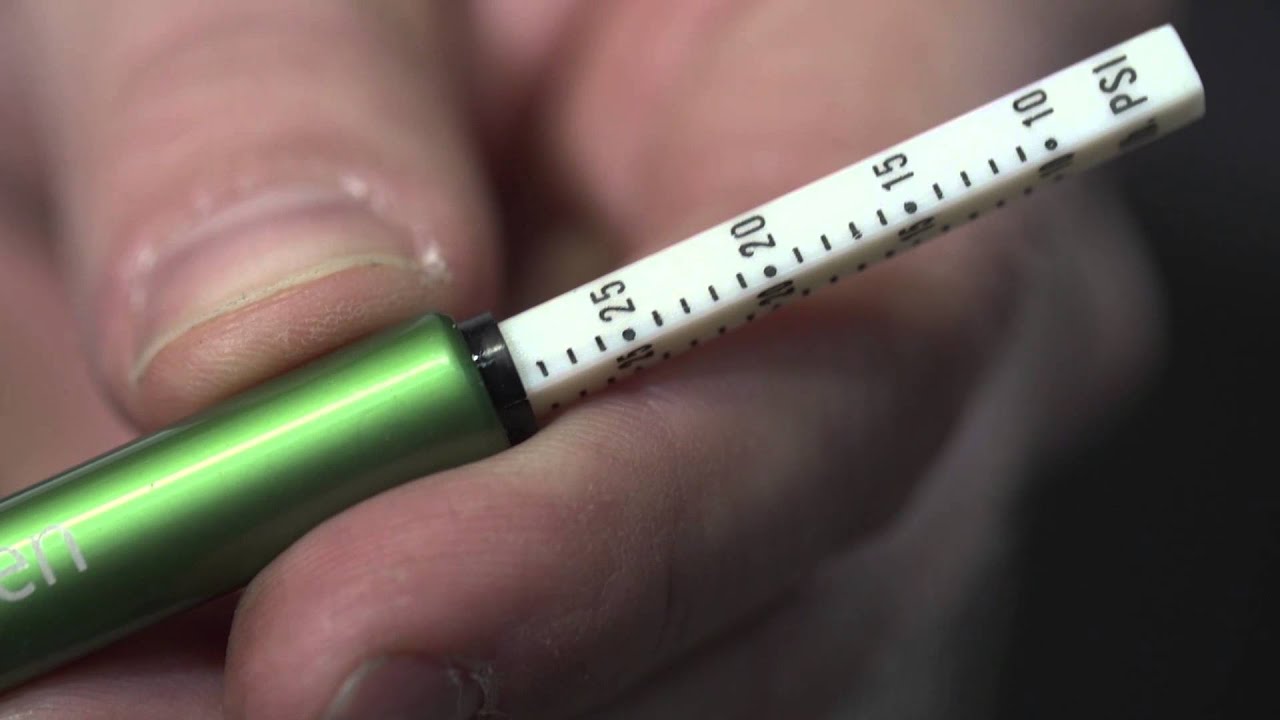
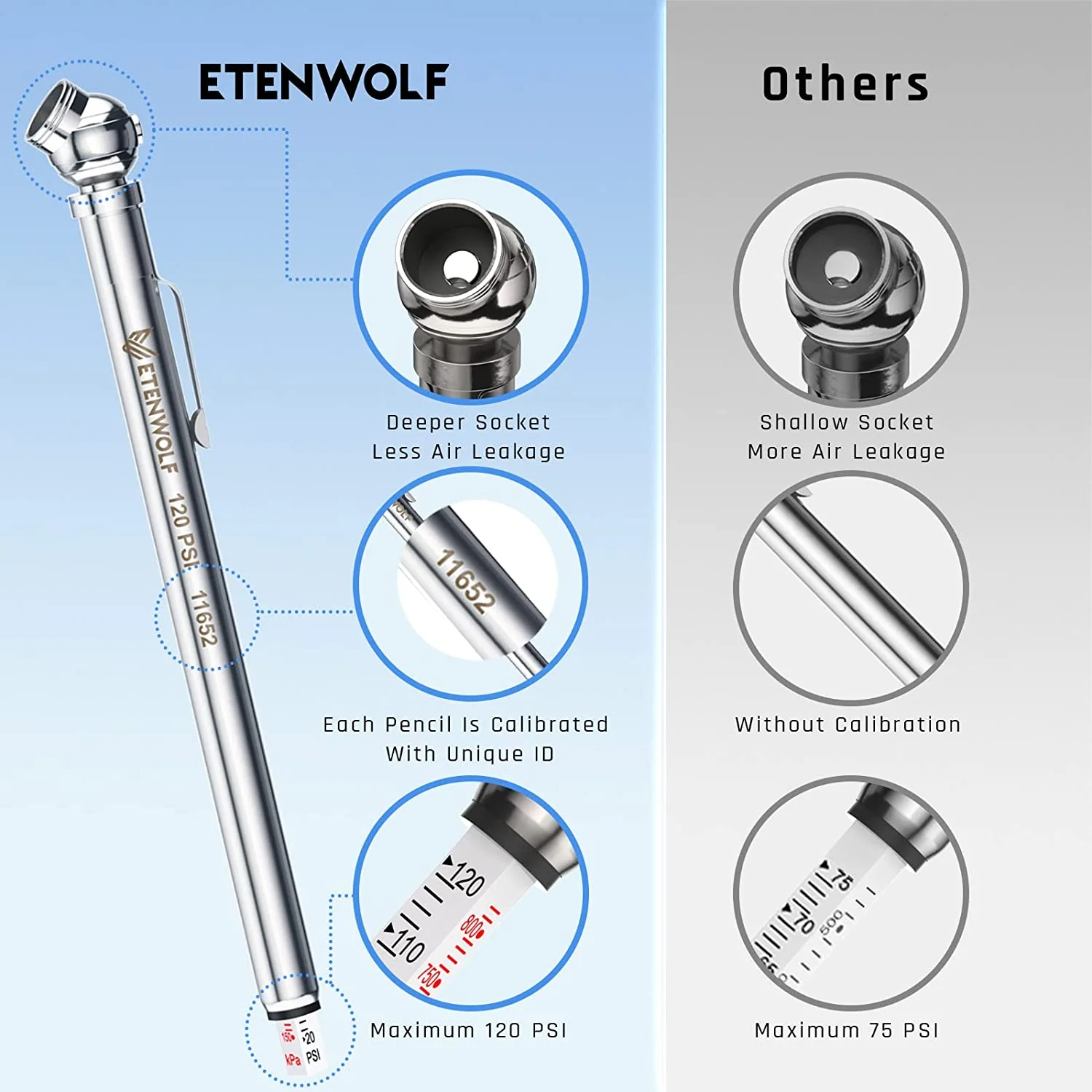
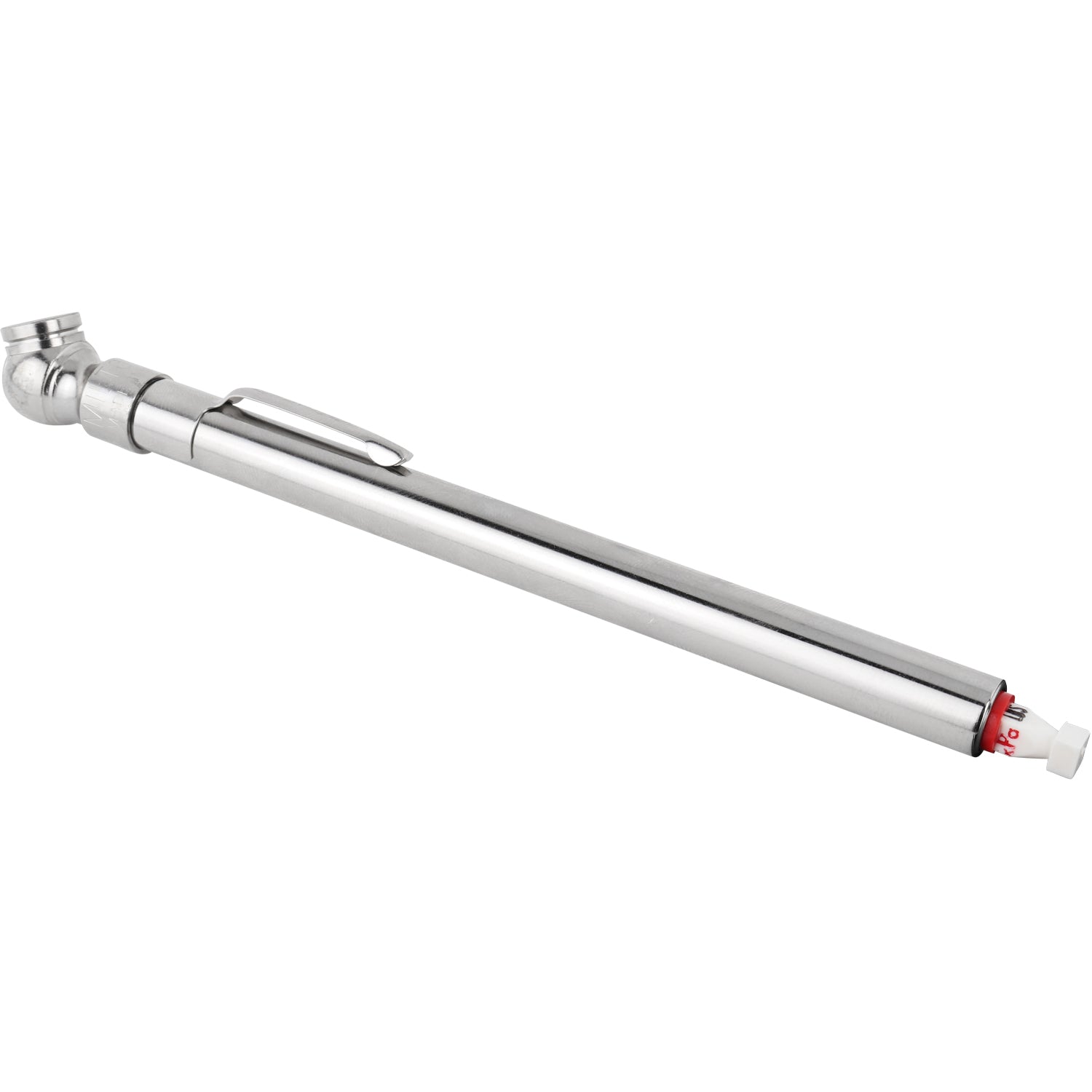
• Pencil gauge: Simple, cheap, and compact. It works well, but the small scale can be harder to read.
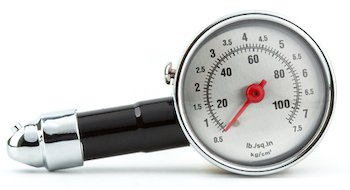
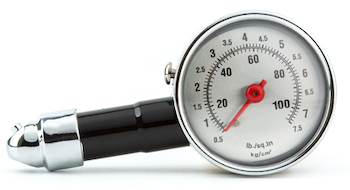
• Dial gauge: Easy to read and often more accurate than basic pencil styles.
• Digital gauge: Usually very easy to read and quick to use. It needs a battery, though.
In my experience, the best gauge is the one you will actually keep in your glove box and use regularly. A fancy tool is not very useful if it stays in a drawer.

How to use a tire pressure gauge
Using a tire pressure gauge is simple once you know the steps. The trick is to be calm, quick, and consistent so the reading is accurate.
1. Check the recommended tire pressure
Look for the recommended PSI on the driver-side door sticker or in the owner’s manual. Do not use the number on the tire sidewall as your target.
The correct pressure is based on your vehicle’s weight, design, and handling needs. If you are unsure, follow the manufacturer’s recommendation first.
2. Check tires when they are cold
For the most accurate reading, test the tires before driving or after the car has sat for a few hours. Driving heats up the air inside the tire, which can raise the pressure reading temporarily.
I learned this the hard way years ago when I checked a tire right after a highway drive. The reading looked fine, but the tire was actually a little low once it cooled down.
3. Remove the valve cap
Unscrew the cap from the valve stem and place it somewhere safe. The cap is small, but it helps keep dirt and moisture out of the valve.
A missing valve cap usually does not cause a fast leak, but it is still worth replacing. Think of it like a tiny shield for the valve.
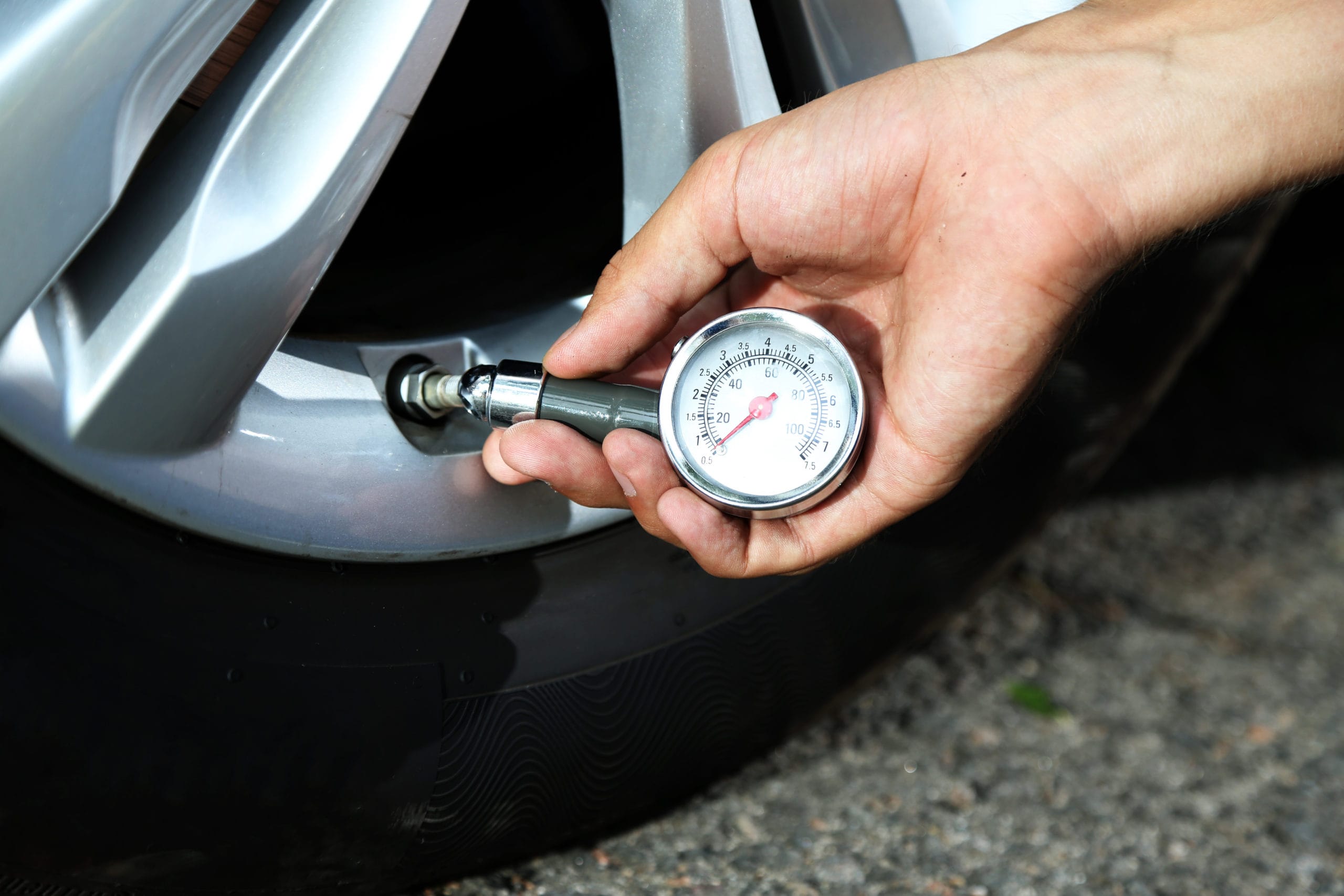
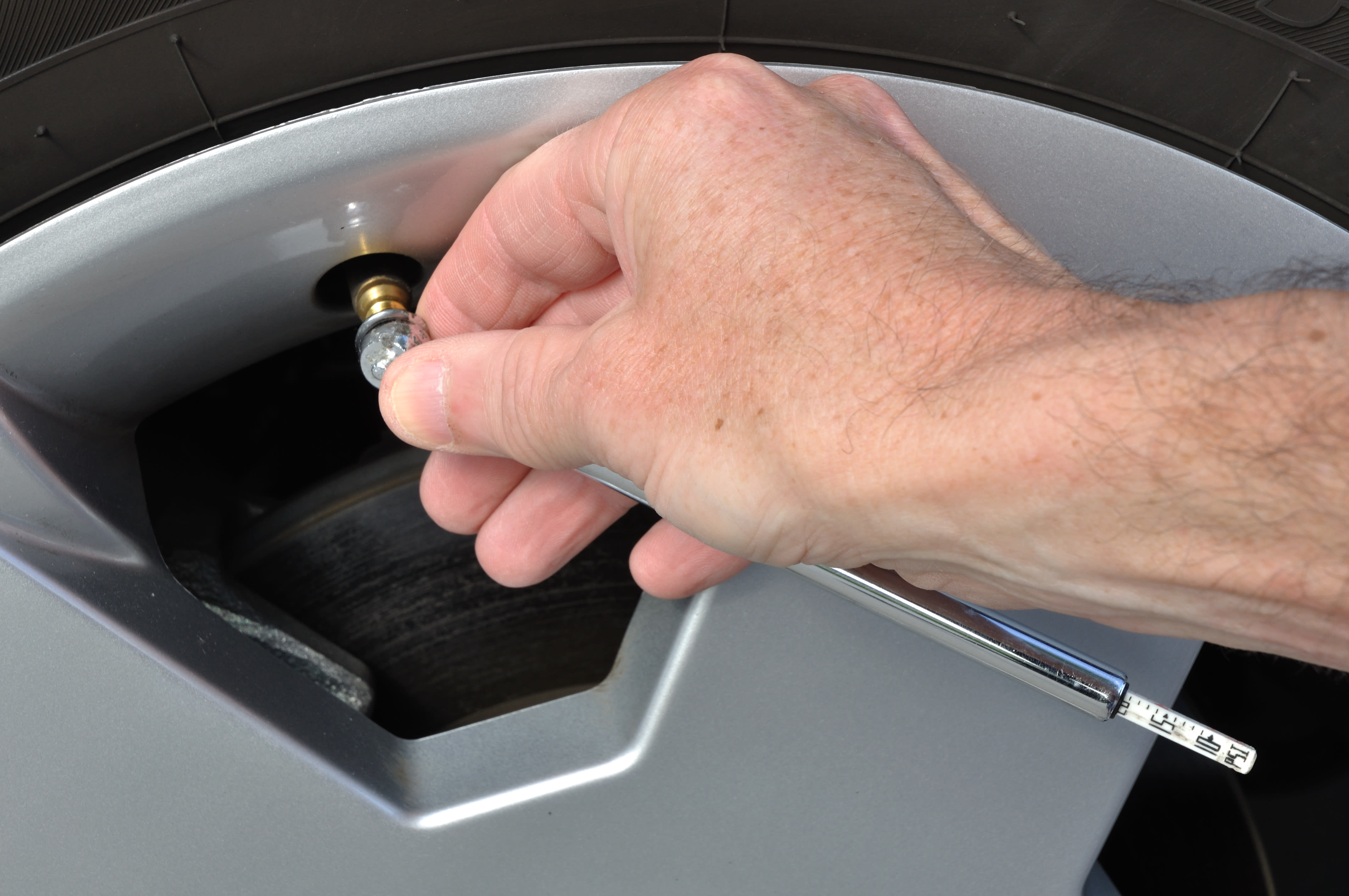
4. Press the gauge firmly onto the valve stem
Push the gauge straight onto the valve stem with steady pressure. You should hear a short hiss of air at first, then the gauge will settle on a reading.
If air keeps leaking while you are measuring, the gauge may not be sealed well. Try again with a firmer, straighter press.
5. Read the pressure
Look at the number shown on the gauge right away. Digital gauges show the number on a screen, while dial and pencil gauges show a scale.
Compare the reading to the recommended PSI. If the reading is too low, add air. If it is too high, release a little air and test again.
6. Repeat for all four tires
Check each tire one by one. Do not assume they all have the same pressure, even if they were filled together last month.
Front and rear tires can lose pressure at different rates. That is why checking all four is important.
7. Don’t forget the spare tire
If your vehicle has a full-size spare or compact spare, check that too. Spare tires are often ignored until the day you need them, which is usually the worst time to discover they are flat.
A spare with low pressure is almost useless in an emergency. I always recommend checking it during regular tire checks.
8. Replace the valve caps
Put the valve caps back on after you finish. It takes only a second and helps protect the valve stem from dirt and moisture.
That tiny habit can help prevent long-term annoyance. Small maintenance steps often save bigger headaches later.
How to get an accurate reading
Accuracy matters when learning how to use a tire pressure gauge. A reading that is off by even 1 to 2 PSI may not seem like much, but it can matter over time, especially in extreme weather or for vehicles that are sensitive to tire pressure.
Here are a few tips for better accuracy:
• Use the same gauge each time if possible. That helps you spot real changes instead of tool differences.
• Check pressure before the car is driven. Cold tires give the most reliable reading.
• Press the gauge straight onto the valve. A poor seal can give you a false low reading.
• Test more than once if needed. If the first number seems strange, take a second reading.
• Keep the gauge clean. Dirt can affect the seal and the result.
I like to think of it like measuring ingredients for baking. If the measuring cup is tilted or dirty, the result is less dependable. The same goes for a tire pressure gauge.
Common mistakes to avoid
People often make the same few errors when using a tire pressure gauge. These mistakes are easy to fix once you know them.
• Checking pressure after a long drive. Heat changes the number, so the reading may not reflect the true cold pressure.
• Using the tire sidewall number as the target. That number is the maximum tire rating, not the car’s ideal setting.
• Not pressing the gauge firmly enough. A weak seal can cause air to escape and lower the reading.
• Forgetting to check all four tires. One low tire can affect handling even if the others look fine.
• Ignoring the spare. A spare tire is part of the system, not an extra.
A lot of tire trouble starts with small habits. The good news is that good habits are easy to build once you know what to watch for.
How often you should check tire pressure
A good rule is to check tire pressure at least once a month and before long road trips. Seasonal changes can also affect pressure, since colder weather tends to lower PSI and warmer weather can change readings too.
Some drivers check more often, especially if they drive long distances, tow, or have a vehicle that tends to lose air faster. If a tire keeps going low, that may point to a nail, a damaged valve, or a slow leak that needs professional attention.
From experience, monthly checks are the sweet spot for most people. It is often enough to catch problems early without turning tire care into a chore.
Signs your tires may be underinflated or overinflated
Your gauge gives the best answer, but your car may also give you hints. It helps to know the warning signs.
Underinflated tires may show these signs:
• A soft or squishy feel while driving
• Uneven wear on the outer edges
• Lower fuel economy
• A tire pressure warning light
Overinflated tires may show these signs:
• A firmer, harsher ride
• More wear in the center of the tread
• Less road grip in some conditions
• A tire that looks too round or tight
Still, visual checks are not enough. Tires can look fine and still be several PSI off. That is why using a tire pressure gauge is so important.
Choosing the right tire pressure gauge
If you are buying a gauge, look for one that is easy to read and feels sturdy in your hand. A good tool does not need to be expensive, but it should be reliable.
Here is what to consider:
• Readability: Big numbers or a clear screen make the job easier.
• Accuracy: Look for a gauge with a good reputation for consistent readings.
• Durability: A solid casing and protected dial can last longer.
• Portability: Small gauges are easier to store in the car.
• Compatibility: Make sure it works well with your tire valve type.
Digital gauges are often the easiest for beginners. Manual gauges can be very dependable too, especially if you prefer no batteries.
Benefits of checking tire pressure regularly
Regular pressure checks do more than protect your tires. They can also improve your driving experience in small but meaningful ways.
Some major benefits include:
• Better fuel efficiency
• Longer tire life
• More stable handling
• Shorter stopping distance in many conditions
• Less risk of unexpected tire problems
• Better ride comfort
The National Highway Traffic Safety Administration has long emphasized proper tire inflation as an important safety step. That fits with what many technicians see every day: tires in the right pressure range usually perform better and wear more evenly.
Frequently Asked Questions of How to use a tire pressure gauge
How do I know if my tire pressure gauge is accurate?
A good gauge should give the same reading when used correctly on the same tire. If you want to be sure, compare it with a trusted gauge at a tire shop or service center.
Should I check tire pressure when the tires are hot or cold?
Cold tires are best because heat from driving can increase the pressure reading. If you check after driving, the number may be temporarily higher than the true resting pressure.
Can I use a tire pressure gauge on my bike or motorcycle tires?
Yes, many gauges work on bike and motorcycle tires as long as they fit the valve type. Just make sure the gauge can read the lower pressure range those tires often use.
What PSI should my tires be?
Use the pressure listed on the driver-side door sticker or in the owner’s manual. Do not use the maximum PSI printed on the tire sidewall as your daily target.
How often should I replace a tire pressure gauge?
Replace it if it stops giving consistent readings, gets damaged, or becomes hard to read. A quality gauge can last a long time if you store it well and keep it clean.
Why does my tire pressure keep dropping?
Slow pressure loss can happen from temperature changes, a small puncture, a faulty valve stem, or a bead leak. If one tire keeps losing air, have it inspected by a professional.
Conclusion
Learning how to use a tire pressure gauge is one of the easiest ways to take better care of your vehicle. It helps you spot low pressure early, improve safety, support better fuel use, and extend tire life. Once it becomes part of your routine, it feels as natural as checking the mirrors before you drive.
The best part is that this is a simple habit with real payoff. Grab a reliable gauge, check your tires when they are cold, and make pressure checks part of your monthly routine. If you found this guide helpful, explore more car care tips, subscribe for updates, or leave a comment with your own tire-checking habits.