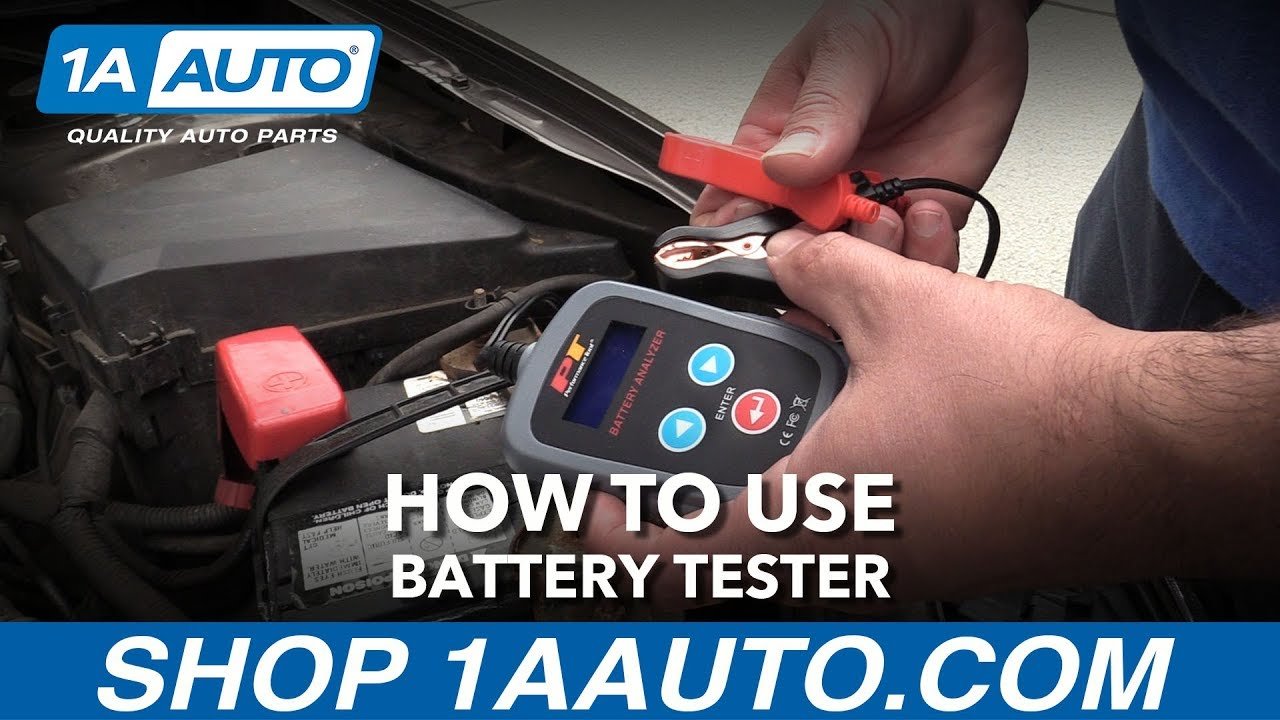
How To Use A Battery Tester: Simple Step By Step Guide
A battery tester helps you check battery health fast, so you can replace weak batteries before they fail.
If you have ever wondered why a remote dies early, a car won’t start, or a flashlight fades at the worst time, the answer is often simple: the battery is weak. Knowing how to use a battery tester gives you a clear, practical way to spot that problem before it turns into a bigger headache. I’ve used battery testers on everything from household AA cells to car batteries, and the difference between guesswork and a real reading is huge.
What a battery tester does and why it matters
A battery tester measures the voltage, charge level, or overall condition of a battery. In plain English, it tells you whether a battery still has useful power or if it is ready to be replaced. That can save time, money, and a lot of frustration.
There are a few common types of battery testers:
- Basic analog testers, which use a needle and scale
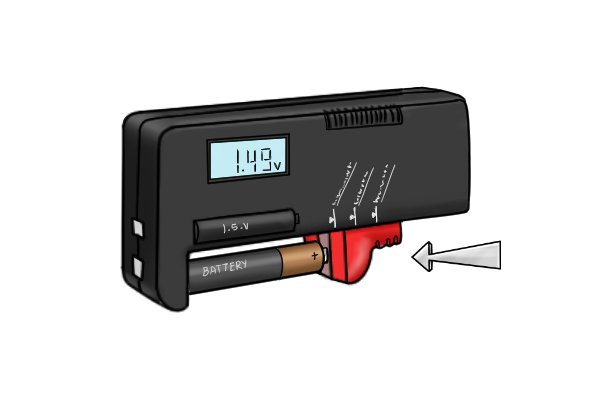
- Digital battery testers, which show numbers on a screen
- Load testers, often used for car batteries
- Smart testers, which can give more detailed health data
The big benefit is simple: you stop throwing away good batteries and stop trusting weak ones. In my own work, I’ve seen people replace batteries too early because they looked old, even though they still had life left. I’ve also seen devices blamed for failure when the real issue was a drained battery all along.
Battery testing is especially useful for:
- Remote controls
- Flashlights
- Toys
- Smoke detectors
- Cameras
- Power tools
- Car batteries
- Rechargeable battery packs

How to use a battery tester step by step
Using a battery tester is usually easy, but the exact method depends on the battery type and the tester model. The good news is that most testers follow the same basic process. Once you learn the pattern, you can test batteries in just a few seconds.
1. Check the battery type
Before testing, confirm whether the battery is alkaline, lithium, nickel-metal hydride, or lead-acid. Some testers are made for small household batteries, while others are designed for vehicle batteries. Using the wrong tester can give you a bad reading or even damage the device.
2. Inspect the battery first
Look for leaks, rust, swelling, or cracked casing. If a battery is damaged, do not test it if the tester instructions warn against it. A bad battery can sometimes leak corrosive material, and that is not worth the risk.
3. Insert or connect the battery correctly
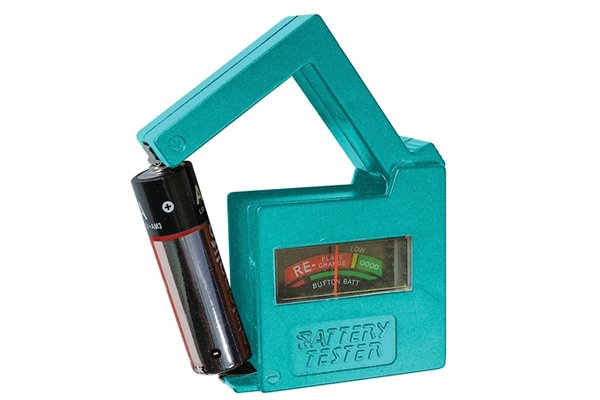
For small batteries like AA, AAA, C, D, or 9V, place the battery in the tester’s labeled slot. Match the positive and negative ends carefully. For car batteries, attach the clamps to the correct terminals: red to positive and black to negative.
4. Read the result
Most testers will show one of these results:
- Good or full
- Fair or weak
- Replace or low
- A voltage number
If the tester uses numbers, compare the reading to the battery’s expected voltage. For example, a standard 1.5V alkaline battery should read close to its rated level when fresh, but a weak reading often means it is near the end of its useful life.
5. Test again if needed
If the reading seems strange, test the battery a second time. Make sure the contacts are clean and the battery is seated properly. I’ve learned that a small bit of dirt on the contact points can make a healthy battery look bad.
6. Replace, recharge, or reuse
If the battery is weak, replace it or recharge it if it is rechargeable. If it still tests strong, put it back into service. This small step helps you avoid wasting money and reduces unnecessary battery waste.

How to use a battery tester for household batteries
Testing household batteries is one of the most common uses for a battery tester. These batteries power everyday items, so they often fail when you least expect it. A tester helps you sort good batteries from dead ones in a drawer full of mixed cells.
For AA and AAA batteries, place the battery on the correct contact points and check the display. For 9V batteries, line up the terminals with the tester’s clips or pads. If the tester gives a color code, green usually means good, yellow means weak, and red means replace, though you should always check the tester’s guide.
A few helpful tips:
- Test batteries one at a time, not in a pile
- Use the same tester for consistent results
- Store fresh batteries separately from used ones
- Wipe off dirt before testing
In daily life, I keep a small tester near the kitchen junk drawer. That habit has saved me from tossing out batteries that still had plenty left. It also helped me catch weak batteries before they went into a child’s toy or a TV remote.

How to use a battery tester for car batteries
Car battery testing is a little different because vehicle batteries need more power and must handle high starting loads. A car battery tester may check voltage, cold cranking amps, or battery health under load. This gives a much better picture than just looking at the battery’s age.
To test a car battery safely:
- Turn off the engine and all accessories
- Open the hood and locate the battery
- Connect the red clamp to the positive terminal
- Connect the black clamp to the negative terminal
- Follow the tester’s instructions for voltage or load testing
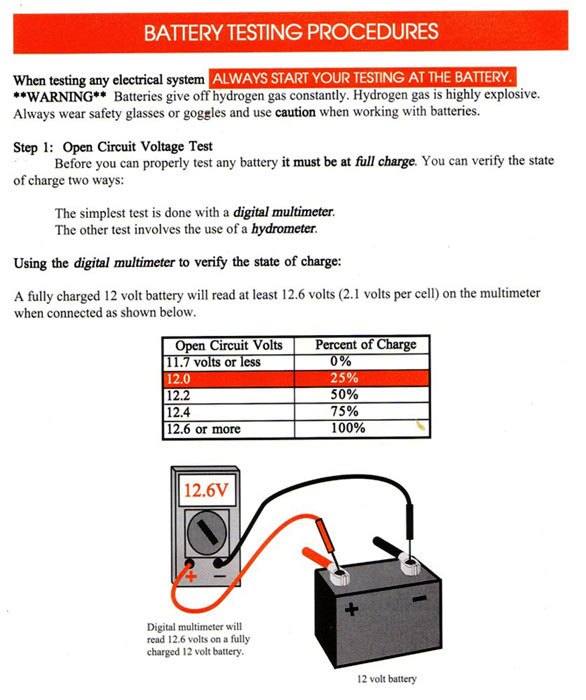
A healthy 12-volt car battery usually reads around 12.6 volts when fully charged and at rest. If the reading is much lower, the battery may be discharged or failing. Keep in mind that a low reading does not always mean the battery is dead; sometimes the charging system is the real issue.
I always tell people not to guess with car batteries. A weak battery can mimic alternator trouble, and an alternator problem can look like a dead battery. A tester helps separate those problems so you do not waste money on the wrong repair.
How to read battery tester results
Reading the result is just as important as using the tester. A number or label only helps if you know what it means. The right answer depends on the battery type, the tester style, and whether the battery is being tested under load or at rest.
Here is a simple way to think about the results:
- Good or full: The battery still has useful life
- Fair or weak: The battery may work, but not for long
- Replace or bad: The battery should be replaced soon
- Voltage reading: Compare it to the battery’s rated voltage
For rechargeable batteries, a lower reading does not always mean the battery is finished. Some need a full charge before testing gives a fair result. For car batteries, a resting voltage reading can look fine even when the battery fails under load, so a load test is often more reliable.
One mistake I made early on was trusting a voltage number alone. A battery can look fine on paper and still fail when a device asks for real power. That is why context matters.

Common mistakes to avoid when using a battery tester
A battery tester is simple, but small mistakes can lead to false readings. The best way to get accurate results is to keep the process clean, calm, and consistent.
Watch out for these common errors:
- Testing dirty or corroded battery contacts
- Using the wrong tester for the battery type
- Reading the result too quickly
- Ignoring the tester manual
- Testing a battery while it is still warm from use
- Mixing old and new batteries in the same device
It also helps to understand that some batteries recover a little after rest. If you remove a battery from a device and test it instantly, the reading may be slightly off. Waiting a few minutes can give a more honest result.
I’ve seen people blame a tester when the real problem was user error. In most cases, the tester is fine. The trick is to treat the battery and the contacts with care.
Benefits of using a battery tester regularly
Regular battery testing can make life easier in small but important ways. It helps you avoid surprises, reduce waste, and keep your devices ready when you need them.
Key benefits include:
- Saves money by preventing unnecessary battery replacement
- Reduces frustration from dead devices
- Helps you find weak batteries before they fail
- Supports battery recycling and less waste
- Improves safety for critical items like smoke detectors
It is also a smart habit for homes, workshops, and small businesses. If you rely on batteries for tools, sensors, or backup systems, testing them on a schedule can prevent downtime. That is one of those tiny habits that pays off more than people expect.
Battery tester safety and care tips
Battery testers are low-risk tools, but a little care goes a long way. Good habits protect both you and the batteries.
Use these safety tips:
- Do not test swollen, leaking, or badly corroded batteries
- Keep metal objects away from battery terminals
- Store testers in a dry place
- Replace tester batteries when the display gets weak
- Follow the manufacturer’s guide for battery compatibility
If you use a tester often, clean the contact points now and then with a dry cloth. Dirty contacts can give bad readings and wear the tester down over time. Also, keep used batteries in a separate container before recycling them.

Frequently Asked Questions of How to use a battery tester
How do I know if my battery tester is working properly?
Test a fresh battery that you know is good. If the tester gives a normal reading, it is likely working correctly. If the result seems off, check the contacts, the tester battery, and the instructions.
Can a battery tester tell me if a battery is fully charged?
Yes, many testers can give a basic charge or health reading. Still, the result depends on the tester type, and some models are better at showing voltage than true battery condition. For best accuracy, match the tester to the battery type.
Do I need a special battery tester for car batteries?
Yes, car batteries usually need a tester made for 12-volt automotive use. These testers can check voltage and sometimes load or cranking power. A small household battery tester is usually not enough for a car battery.
Why does a battery sometimes test good but still fail in a device?
A battery can show decent voltage but still struggle under real use. That often happens when the battery is weak under load, which means it cannot deliver enough power when the device needs it. This is common with older batteries.
How often should I test my batteries?
That depends on how you use them. For household batteries, testing every few months is usually enough, while car batteries should be checked more often, especially before winter or long trips. Critical items like smoke detector batteries should be tested on a routine schedule.
Conclusion
Learning how to use a battery tester is one of those small skills that saves time, money, and stress. Once you know how to check the battery type, connect it correctly, and read the result, you can make better choices about replacement, recharging, and device care.
The real value is not just in measuring power. It is in avoiding guesswork and keeping your everyday devices ready when you need them most. Start with the batteries around your home, build the habit, and you will notice the difference quickly. If you found this guide helpful, keep exploring practical maintenance tips and share your own battery-testing experience in the comments.






2 Comments